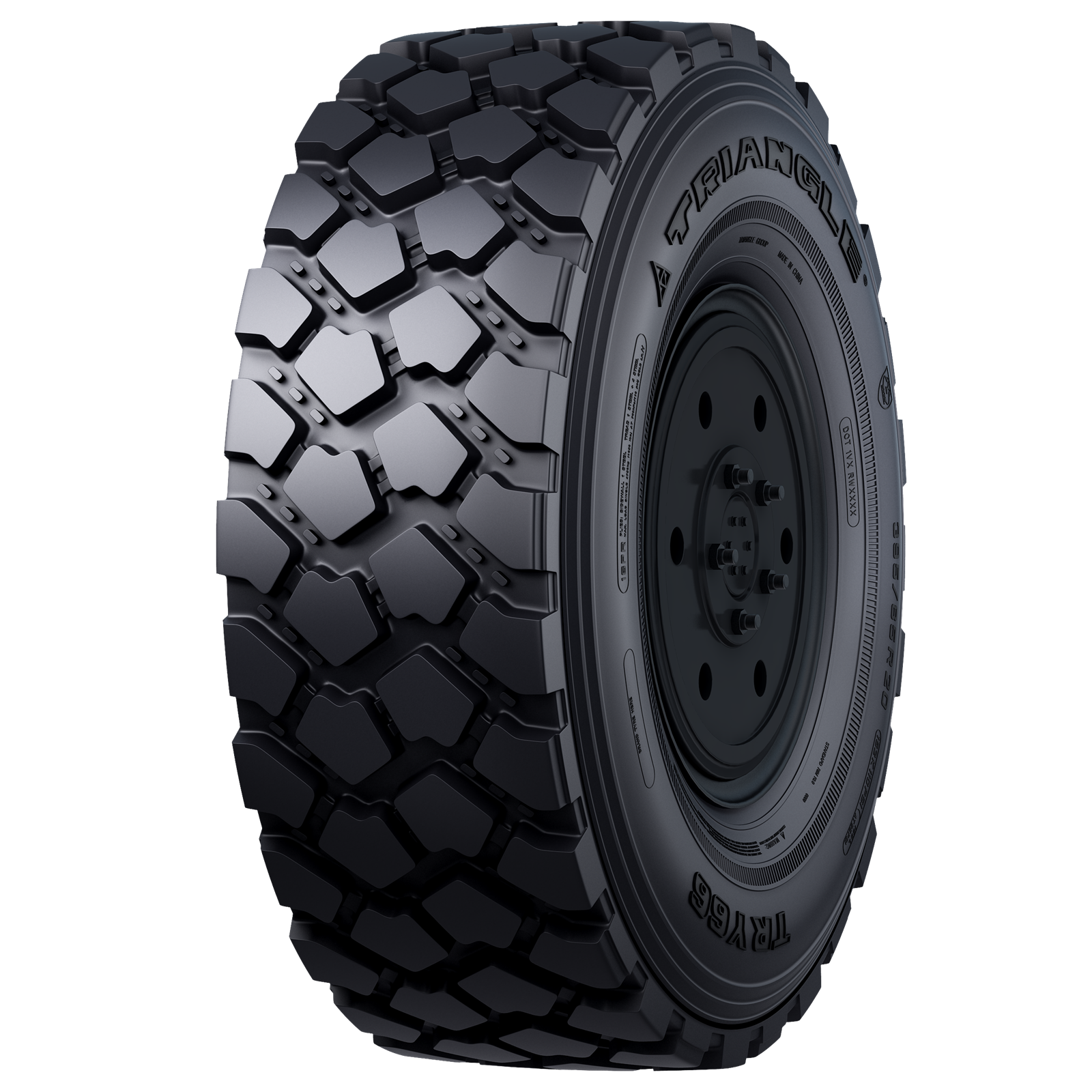
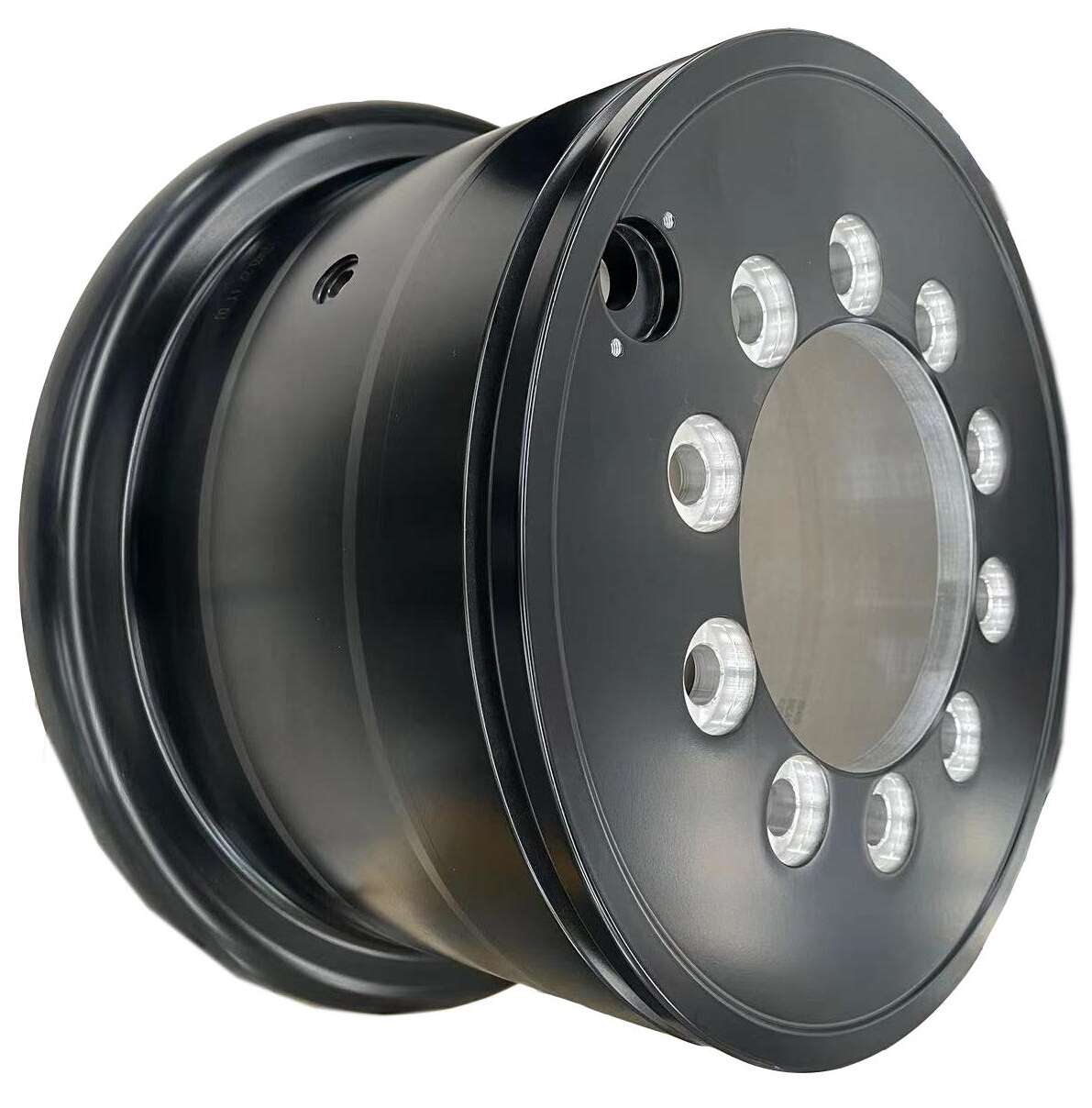
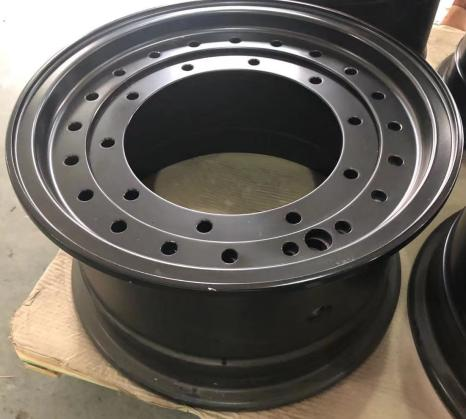
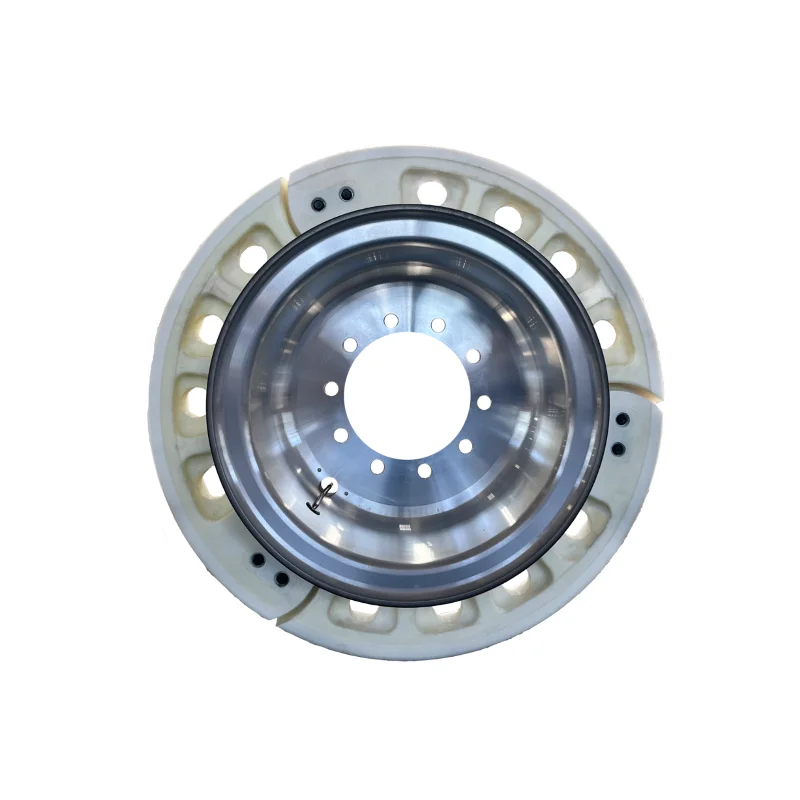
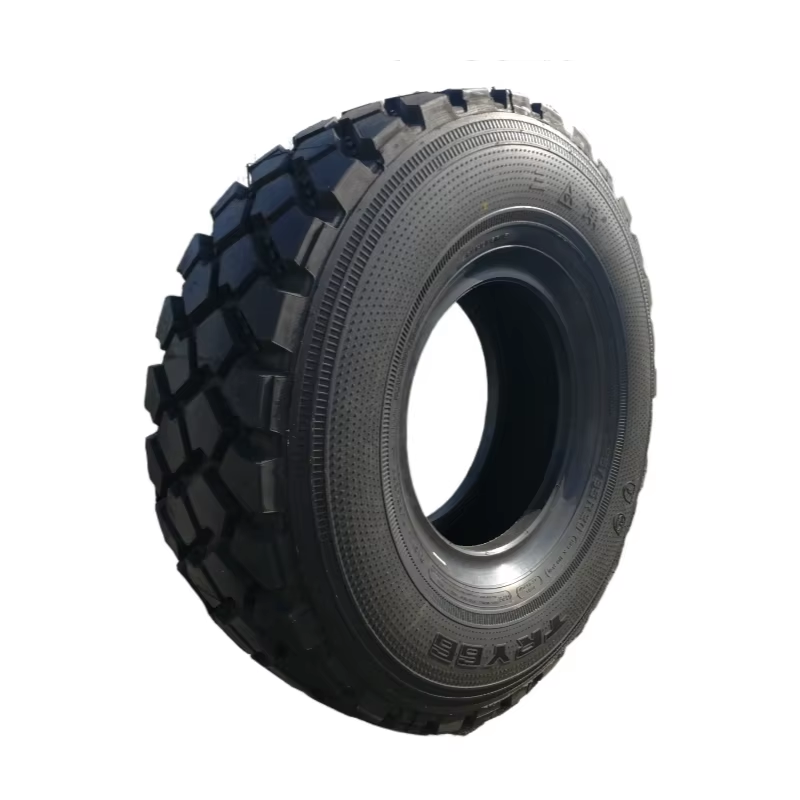
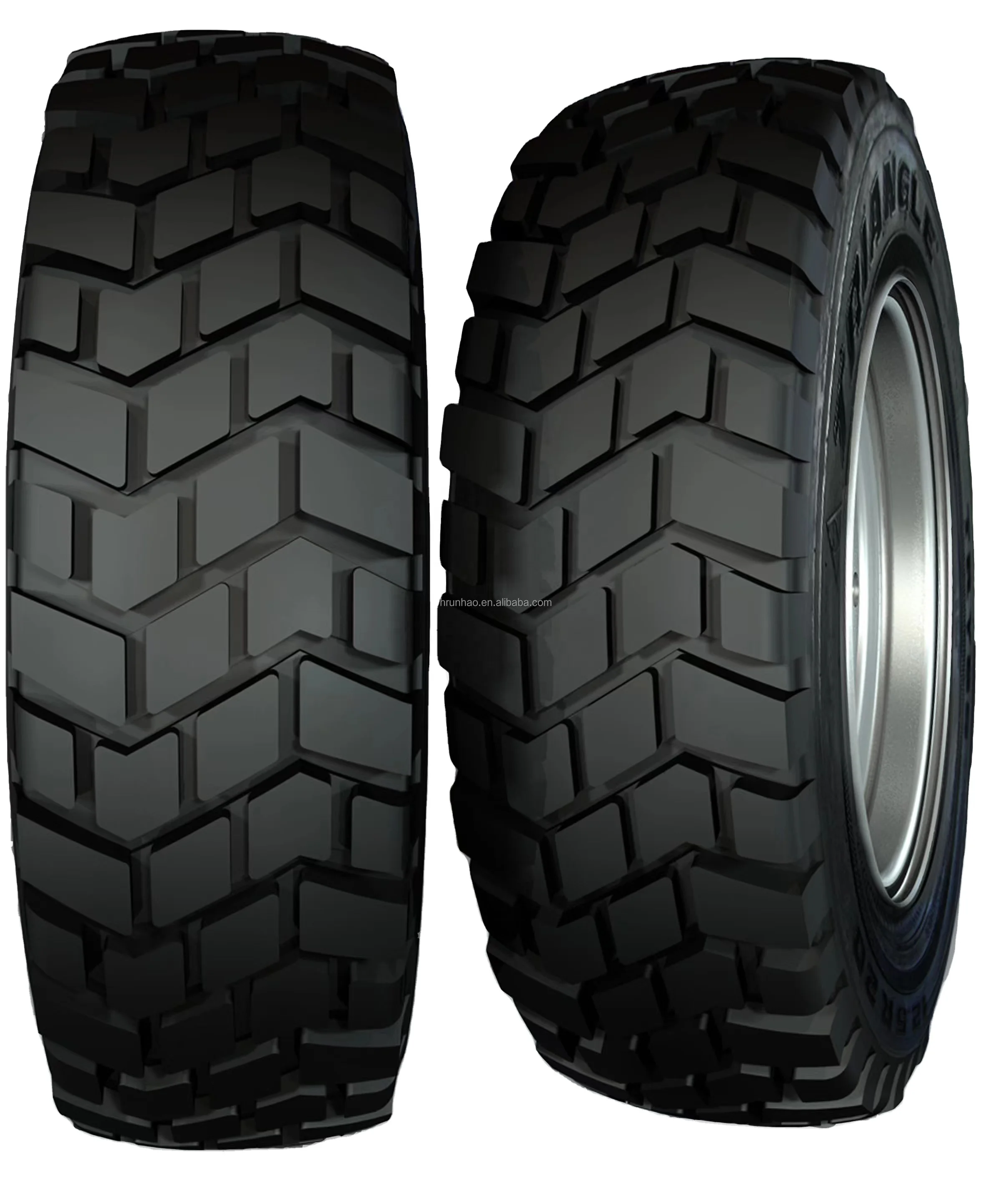
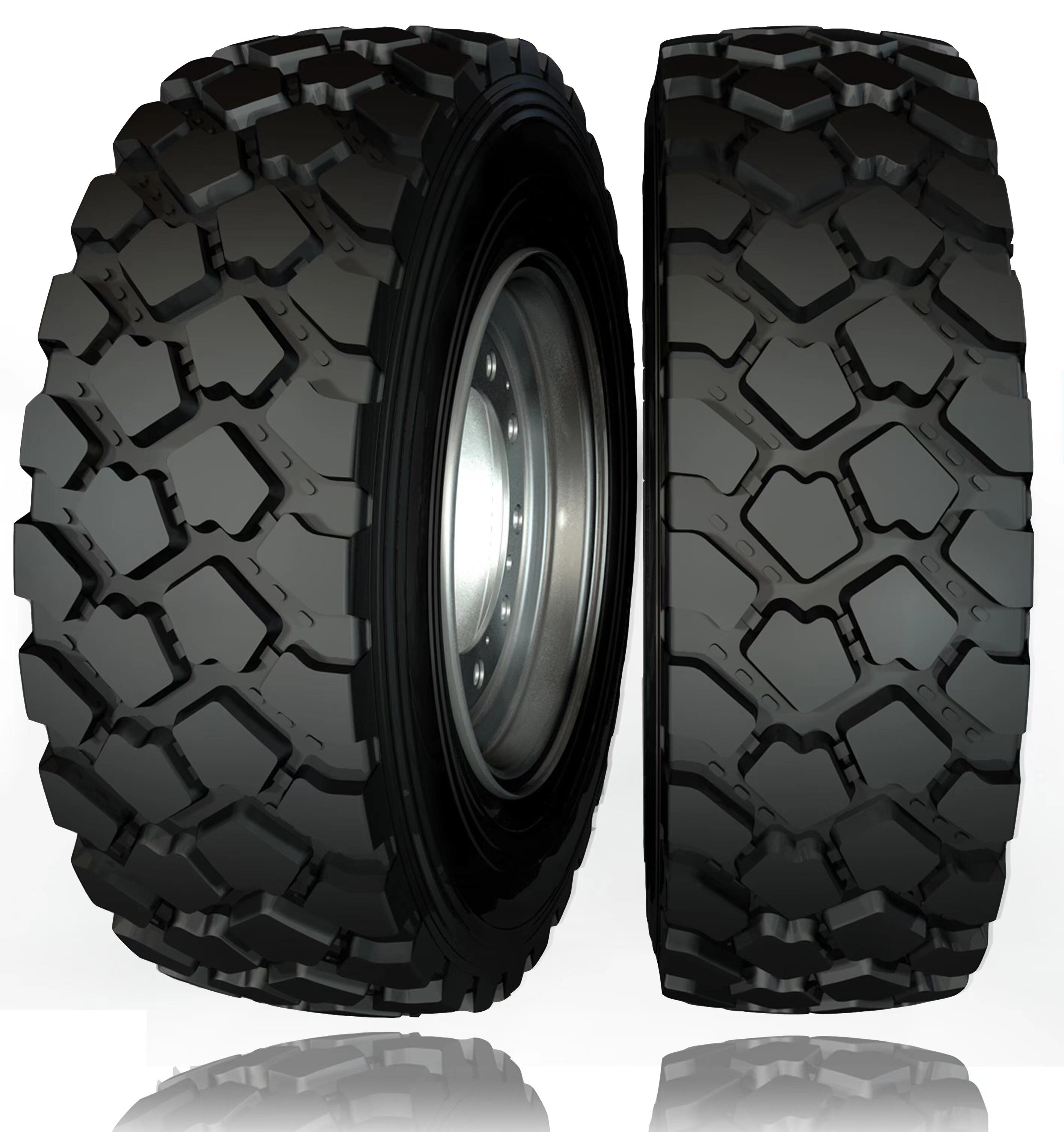
In today's asymmetric conflicts where insurgents rely heavily on roadside bombs and ambush tactics in city environments, flat tires aren't just inconvenient they become serious security risks. When a military vehicle breaks down, it suddenly becomes sitting duck for enemy forces, with studies suggesting something like three times higher chance of being attacked compared to operational units. That's why modern run flat technology has become so important for troops. These special tires use multiple layers of reinforced materials along with unique rubber mixtures that keep them from collapsing completely even when shot through. The result? Troops don't get stuck waiting for repairs. Most military run flats can actually carry on for around 50 miles at speeds up to 30 mph without any air inside. This makes all the difference during combat situations because getting out of danger quickly matters far more than fixing problems later. Fast movement creates uncertainty for attackers who plan their strikes based on predictable patterns.
Tire selection reflects a deliberate balance between battlefield resilience and operational sustainability:
| Technology | Survivability | Logistical Burden |
|---|---|---|
| Run-Flat | 50+ miles post-puncture mobility | Moderate; requires trained repair |
| Self-Sealing | Instant seal for small punctures | Low; minimal maintenance |
| Airless | Puncture-proof; no pressure loss | High; complex replacement protocols |
Run flat tires are still pretty much the go to option these days not so much because they're flawless but rather because they strike what many see as the best balance between different requirements. These tires can be fitted without too much hassle on current vehicle fleets including those MRAPs and JLTVs we often hear about. They keep vehicles moving even when hit by serious stuff like shrapnel or bullets, something that would stop regular tires cold. Plus they don't come with all the extra weight issues or uncomfortable ride quality problems that completely airless systems tend to have. The self sealing versions do make sense from a logistics standpoint but honestly aren't very reliable when facing bigger caliber rounds or explosions. For this reason they work better in areas where things aren't too hot right now rather than places where combat is actually happening.
Getting around in harsh conditions needs something beyond just being able to handle punctures it really comes down to how well tires are built for specific terrains. Take desert conditions for instance, where run flat tires incorporate special heat resistant materials that won't break down even when temperatures soar past 150 degrees Fahrenheit. These tires also feature open tread blocks designed specifically to shake off sand rather than letting it build up and cause problems. For arctic operations, manufacturers create tires with flexible compounds that stay pliable at temperatures as low as minus 40 degrees. They add zigzag cuts in the rubber too, which helps provide extra grip on icy surfaces. Jungle environments present their own set of challenges, so these tires use rubber blends that actually push water away and have lug patterns that kick out mud when power is applied. Field tests show vehicles with these specialized run flats get stuck 40 percent less often compared to standard models during mixed environment missions. This proves that what goes into making these tires matters just as much as having strong armor protection.
Central Tire Inflation Systems, or CTIS as they're commonly called, change ordinary tires into something much more dynamic than just rubber on wheels. Drivers can actually control tire pressure while sitting behind the wheel. Lowering pressure down to around 15 psi makes tires touch the ground over twice as much surface area compared to normal settings. This helps vehicles avoid getting stuck when driving through soft sand or deep snow. On the flip side, bumping pressure up to about 35 psi gives better gas mileage by roughly 18 percent on paved roads. The tires also last longer since there's less flexing in the sidewalls. What really stands out though is what happens when these systems work together with run flat technology inside the tires. If there's a puncture, the system keeps adjusting air pressure automatically so drivers maintain good tire performance even during tricky situations like sudden turns or moving between different types of terrain. Maintains proper grip, distributes weight correctly, and allows speeds of up to 50 miles per hour after losing air pressure. This matters most when going from regular city streets onto rougher unpaved areas.
What really sets modern military run flat tires apart isn't just their performance after getting shot or hit—it—it's actually how they hold up during those impacts. The manufacturers weave aramid and kevlar fibers right into the tire's body, creating multiple paths to carry weight when parts get damaged. If blast shrapnel tears through or bullets strike, these fibers spread out the load over whatever remains intact, keeping the vehicle stable as it rolls along. For vehicles like MRAPs and JLTVs, this kind of backup system is absolutely essential. A few extra minutes of mobility can literally determine whether troops escape danger or get stuck in it. Military run flats work differently from regular car versions meant for flat spots on highways. These toughened systems handle explosive forces and still keep going strong for over 50 miles at around 30 mph, even when completely deflated. In combat situations, what was once considered simple replacement equipment now functions as part of the overall survival strategy for military personnel.
Military run flat tire tech is moving forward with focus on three main areas: green practices, smart features, and better materials. Making these tires in an environmentally friendly way includes things like 3D printed molds and systems where old rubber gets recycled instead of tossed away. This approach cuts down on trash while still keeping the tires tough enough for long storage periods. The new tires come with built in sensors that send information to computer programs which can tell when parts are wearing out, spot tiny cracks before they become problems, and even guess when a tire might fail completely. This means mechanics no longer need to follow strict time based maintenance plans but can fix issues only when needed based on actual conditions. At the same time, manufacturers are working with advanced materials such as special metal structures and polymer compounds that heal themselves after damage. These materials make the tires more resistant to punctures and lighter too, sometimes saving around 10-15% in weight. Beyond simply lasting longer, these improvements cut down on what troops have to carry around, reduce pollution over the product's lifetime, and create tires that keep pace with modern warfare demands rather than being just passive protection equipment anymore.
The main advantage is their ability to maintain mobility even after a puncture, allowing military vehicles to escape dangerous situations quickly without waiting for repairs.
Run-flat tires provide post-puncture mobility, self-sealing tires instantly seal small punctures, and airless tires are puncture-proof. However, each has different logistical and survivability trade-offs.
Military run-flat tires often use aramid and kevlar-reinforced materials to provide structural resilience and load-bearing redundancy.
CTIS allows drivers to adjust tire pressure on the go, optimizing vehicles for different terrains and improving fuel efficiency and tire longevity.
Future innovations include sustainability practices, AI-driven diagnostics for maintenance, and the use of advanced materials that enhance resistance to damage and decrease weight.
 Hot News
 EN
EN
 AR
AR
 BG
BG
 FR
FR
 DE
DE
 HI
HI
 IT
IT
 JA
JA
 KO
KO
 PL
PL
 PT
PT
 RU
RU
 ES
ES
 SV
SV
 TL
TL
 ID
ID
 LV
LV
 LT
LT
 SR
SR
 UK
UK
 VI
VI
 TH
TH
 TR
TR
 FA
FA
 AF
AF
 HY
HY
 AZ
AZ
 KA
KA
 BN
BN
 LA
LA
 MN
MN
 SO
SO
 MY
MY
 KK
KK
 UZ
UZ
 KU
KU
 KY
KY