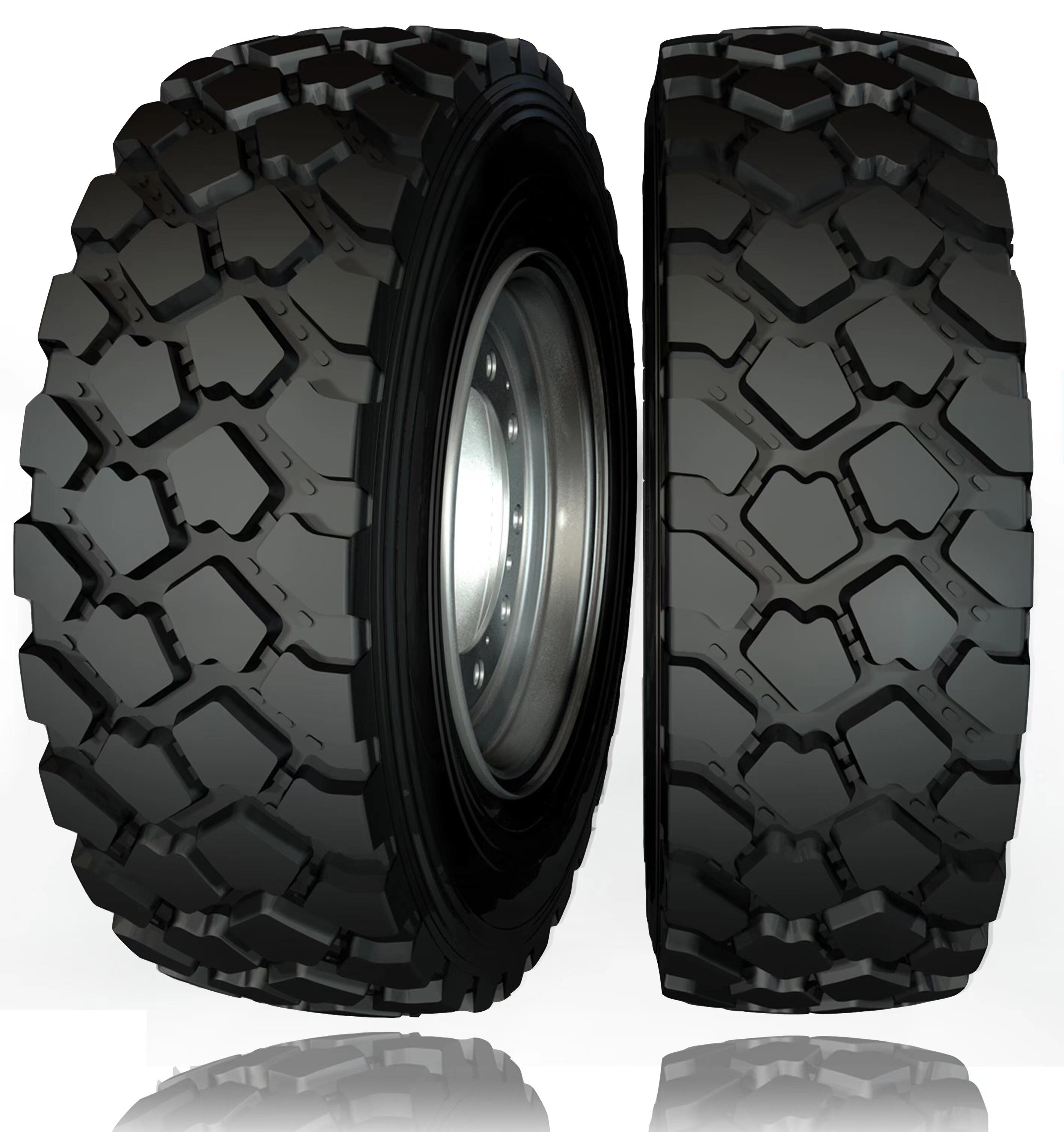
Modern military operations demand equipment that can withstand the most challenging conditions while maintaining peak performance. Military tire technology has undergone significant transformation over the past decades, driven by evolving warfare tactics, diverse terrain requirements, and the need for enhanced mobility in combat situations. Today's military vehicles operate across desert sands, rocky mountainous terrain, urban environments, and everything in between, requiring tire solutions that adapt to these varied conditions while providing reliable performance under extreme stress.
The strategic importance of reliable tire technology in military applications cannot be overstated. A single tire failure in a combat zone can compromise entire missions, endanger personnel, and result in significant operational delays. Military tire manufacturers have responded to these challenges by developing innovative solutions that combine advanced materials science, cutting-edge engineering, and rigorous testing protocols to create products that meet the demanding specifications required by modern armed forces worldwide.
The development of military tire technology has been closely tied to advances in vehicle design and changing operational requirements. Early military vehicles relied on conventional tire designs that were often inadequate for the harsh conditions encountered in combat zones. The need for improved performance led to the establishment of rigorous military specifications that defined requirements for load capacity, durability, puncture resistance, and performance across diverse environmental conditions.
Modern military tire specifications encompass multiple performance criteria including resistance to chemical agents, extreme temperature tolerance, and the ability to maintain functionality even when partially damaged. These requirements have driven innovations in tire construction, leading to the development of specialized compounds and reinforcement structures that can withstand conditions far beyond those encountered in civilian applications.
Contemporary military vehicles incorporate sophisticated systems that work in conjunction with tire technology to optimize performance. Advanced suspension systems, electronic stability controls, and tire pressure monitoring systems all rely on consistent tire performance to function effectively. Military tire design must accommodate these integrated systems while providing the reliability and durability required for extended operations in challenging environments.
The integration of military tire technology with vehicle systems extends beyond basic compatibility to include considerations for maintenance, logistics, and field serviceability. Modern designs emphasize standardization across vehicle platforms while maintaining the specialized performance characteristics required for specific mission profiles and operational environments.
The foundation of modern military tire performance lies in advanced rubber compound formulations that deliver exceptional durability and performance across extreme temperature ranges. These specialized compounds incorporate synthetic polymers, reinforcing agents, and protective additives that enhance resistance to environmental factors such as ozone, UV radiation, and chemical exposure. Military tire compounds must maintain flexibility in sub-zero temperatures while resisting degradation in extreme heat conditions.
Contemporary compound development focuses on achieving optimal balance between competing performance requirements. Engineers must optimize formulations to provide excellent traction on diverse surfaces while maintaining low rolling resistance for fuel efficiency. The incorporation of advanced filler systems and cross-linking agents enables military tire compounds to deliver consistent performance throughout extended service life under demanding operational conditions.
Modern military tire construction employs sophisticated reinforcement systems that provide exceptional strength and puncture resistance. Steel belt packages, aramid fiber reinforcements, and advanced cord materials work together to create tire structures capable of withstanding extreme loads and impacts. These reinforcement systems are engineered to maintain structural integrity even when operating with reduced air pressure or minor damage.
The development of multi-layer reinforcement systems has enabled military tire manufacturers to create products that combine flexibility with exceptional strength. Advanced manufacturing techniques allow for precise placement of reinforcing materials, optimizing load distribution and enhancing overall tire performance while minimizing weight penalties that could affect vehicle mobility and fuel consumption.
Run-flat technology represents one of the most significant advances in military tire development, enabling vehicles to continue operation even after tire damage or air pressure loss. This capability is essential for military operations where stopping to change a tire in a combat zone is not feasible or safe. Run-flat military tire designs incorporate reinforced sidewall structures that support vehicle weight even without air pressure, allowing continued mobility to reach safe locations for repair or replacement.
The operational advantages of run-flat military tire technology extend beyond immediate safety considerations to include strategic benefits for mission planning and logistics. Commanders can deploy vehicles with confidence knowing that minor tire damage will not compromise mission objectives or endanger personnel. This reliability factor significantly enhances operational flexibility and reduces the logistical burden associated with emergency tire repairs in hostile environments.
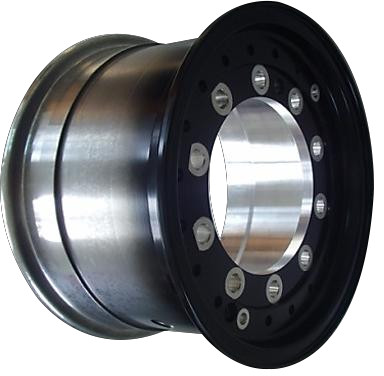
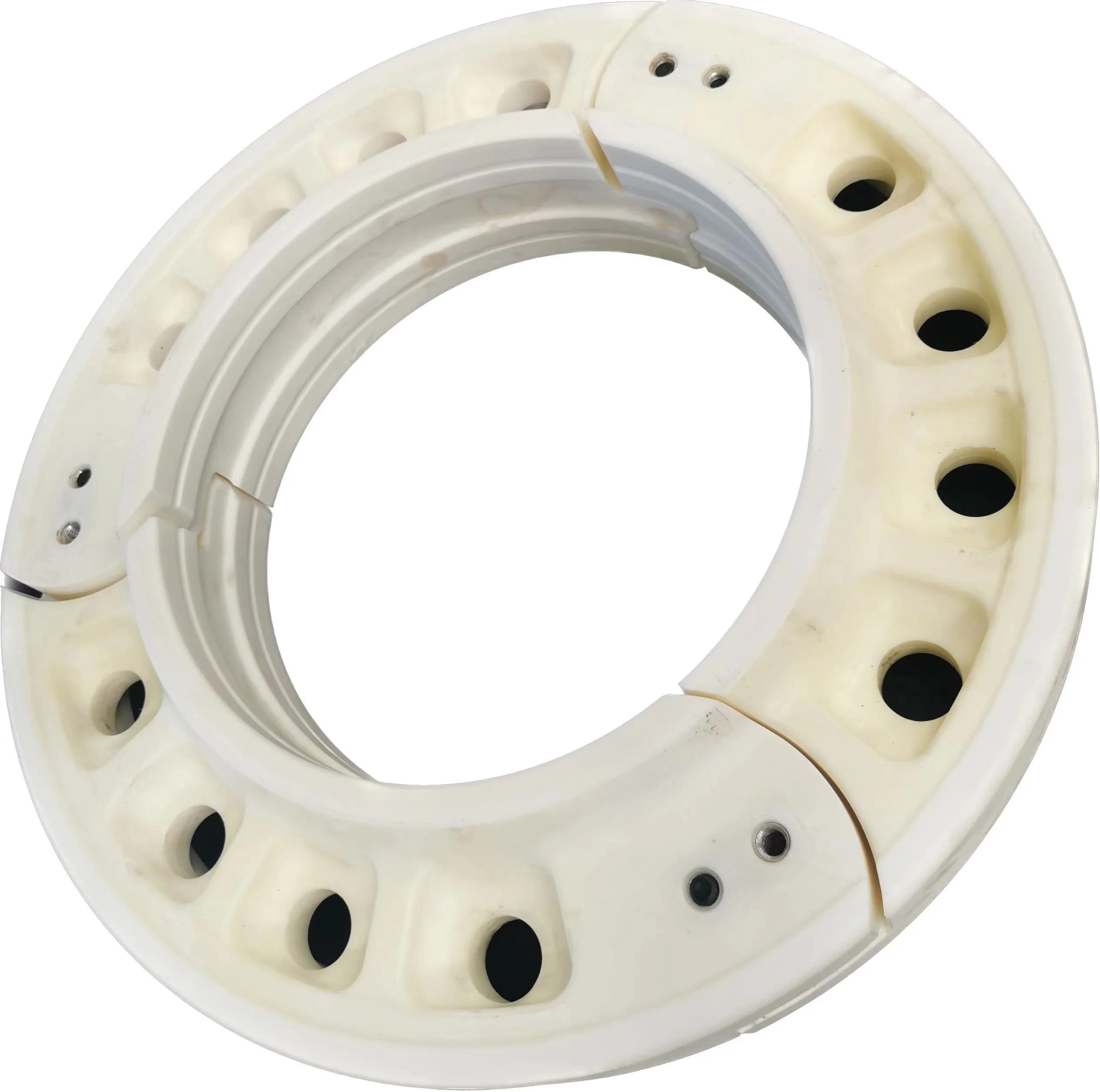
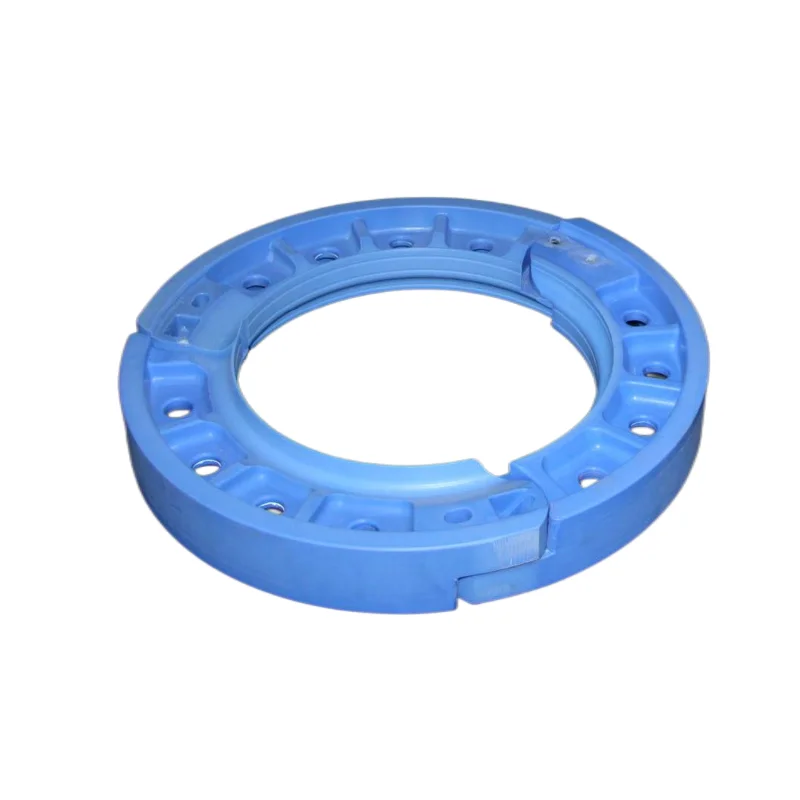
Modern run-flat military tire designs utilize various technical approaches to achieve continued mobility after air pressure loss. Self-supporting designs incorporate reinforced sidewall structures that maintain tire shape and support vehicle weight. Auxiliary support systems may include internal rings or inserts that provide structural support when normal air pressure is compromised. These systems are engineered to provide extended mobility at reduced speeds, allowing vehicles to reach maintenance facilities or safe zones.
Performance characteristics of run-flat military tire systems include specific distance and speed limitations that must be clearly understood by operators. Typical run-flat capabilities allow for continued operation at reduced speeds for predetermined distances, providing sufficient mobility to complete critical mission phases or reach secure locations for proper tire service. Regular training and adherence to operational guidelines ensure optimal utilization of these advanced capabilities.
Military operations frequently require vehicles to transition between dramatically different terrain types within single missions. Desert operations present challenges related to sand infiltration, extreme temperatures, and abrasive conditions, while mountainous terrain demands exceptional traction and impact resistance. Urban environments introduce hazards such as debris, sharp objects, and varied surface conditions that require specialized tire performance characteristics.
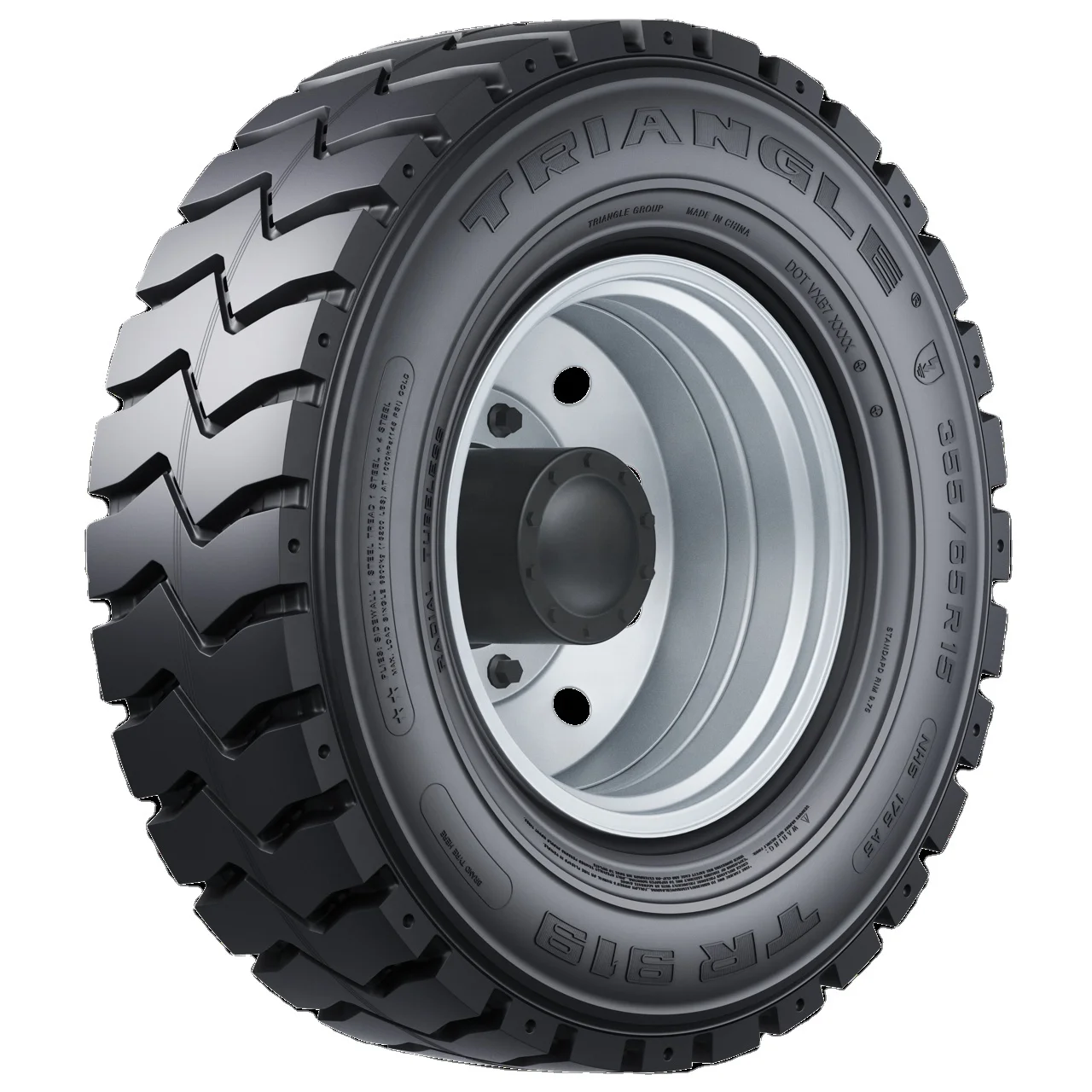
Contemporary military tire design addresses these diverse requirements through advanced tread patterns that optimize traction across multiple surface types. Computer-aided design tools enable engineers to develop tread geometries that provide excellent performance on sand, rock, pavement, and muddy conditions while maintaining acceptable noise levels and ride quality. The integration of variable tread depths and specialized siping patterns enhances adaptability to changing operational environments.
Different military applications require specialized military tire designs optimized for specific operational requirements. Armored vehicles demand tires capable of supporting extreme loads while maintaining mobility under combat conditions. Reconnaissance vehicles prioritize low noise operation and extended service life for long-range missions. Support vehicles require optimal fuel efficiency and high-mileage durability for logistics operations.
The development of mission-specific military tire designs involves close collaboration between tire manufacturers and military vehicle developers. This partnership ensures that tire specifications align with vehicle capabilities and operational requirements. Specialized testing protocols validate performance under conditions that simulate actual operational environments, ensuring that tire systems meet demanding military specifications before deployment.
Military tire manufacturing involves comprehensive quality assurance programs that exceed commercial standards. Testing protocols encompass laboratory evaluations, proving ground assessments, and field trials under actual operational conditions. These multi-phase testing programs validate tire performance across the complete range of expected operational parameters, ensuring consistent quality and reliability for military applications.
Quality assurance for military tire production includes detailed inspection procedures at every manufacturing stage. Raw material verification, compound mixing protocols, construction quality checks, and final product inspections all contribute to ensuring that finished products meet stringent military specifications. Traceability systems maintain detailed records throughout the manufacturing process, enabling rapid response to any quality issues that may arise.
Military tire manufacturers must obtain various certifications and comply with specific military standards that govern product design, manufacturing processes, and quality assurance procedures. These requirements ensure consistency and interoperability across different military organizations and allied forces. Compliance with international standards facilitates logistics coordination and parts availability in joint operations.
The certification process for military tire products involves extensive documentation, testing verification, and ongoing compliance monitoring. Manufacturers must demonstrate continued adherence to specifications through regular audits and product testing. This comprehensive approach ensures that military tire products maintain consistent quality and performance throughout their service life, supporting reliable operations under demanding conditions.
Emerging technologies are enabling the development of smart military tire systems that incorporate sensors and communication capabilities. These advanced systems can monitor tire pressure, temperature, wear patterns, and structural integrity in real-time, providing valuable data for maintenance planning and operational decision-making. Integration with vehicle systems enables automated alerts and predictive maintenance capabilities that enhance operational readiness.
The development of smart military tire technology involves collaboration between tire manufacturers, electronics companies, and military technology developers. Sensor systems must be ruggedized for military environments while providing reliable data transmission under challenging conditions. Future developments may include self-healing tire compounds, adaptive tread patterns, and enhanced integration with autonomous vehicle systems.
Environmental sustainability is becoming increasingly important in military tire development, driving research into bio-based materials and recycling technologies. Advanced compound formulations incorporating renewable raw materials can reduce environmental impact while maintaining performance requirements. Recycling programs for used military tire products support sustainability goals while potentially reducing lifecycle costs.
The integration of sustainable practices in military tire manufacturing must balance environmental considerations with performance requirements and security considerations. Research into alternative materials focuses on maintaining or enhancing performance characteristics while reducing environmental impact. Future developments may include completely biodegradable tire compounds for specific applications where environmental impact is a primary concern.
Military tires are specifically designed to meet rigorous specifications that exceed commercial standards in multiple areas. They feature enhanced puncture resistance, extreme temperature tolerance, chemical resistance, and the ability to operate under combat conditions. Military tire construction typically includes reinforced sidewalls, specialized compound formulations, and run-flat capabilities that enable continued operation after damage. The manufacturing process involves more stringent quality control and testing protocols to ensure reliable performance in critical situations where tire failure could have serious consequences.
Run-flat military tire technology enables vehicles to continue operating even after complete air pressure loss through reinforced sidewall structures or internal support systems. These designs can support vehicle weight and maintain mobility at reduced speeds for predetermined distances, typically allowing vehicles to reach safe locations for repair or replacement. The technology provides critical tactical advantages by eliminating the need to stop in potentially dangerous locations for tire changes, enhancing mission continuity and personnel safety in combat environments.
Military tire certification requires comprehensive testing programs that evaluate performance under extreme conditions including temperature cycling, load testing, endurance trials, and chemical resistance assessments. Testing protocols simulate actual operational environments and stress conditions that tires may encounter in military service. Laboratory testing is followed by proving ground evaluations and field trials with actual military vehicles. The certification process also includes manufacturing facility audits, quality system verification, and ongoing compliance monitoring to ensure consistent product quality throughout production.
Different terrain types present unique challenges that influence military tire selection and design requirements. Desert conditions require resistance to sand infiltration and extreme temperatures, while rocky terrain demands enhanced puncture protection and sidewall strength. Urban environments present hazards from debris and sharp objects, requiring specialized compound formulations and tread designs. Modern military tire systems often feature adaptable tread patterns and compound formulations that provide acceptable performance across multiple terrain types, though mission-specific designs may be optimized for particular operational environments.
 Hot News
 EN
EN
 AR
AR
 BG
BG
 FR
FR
 DE
DE
 HI
HI
 IT
IT
 JA
JA
 KO
KO
 PL
PL
 PT
PT
 RU
RU
 ES
ES
 SV
SV
 TL
TL
 ID
ID
 LV
LV
 LT
LT
 SR
SR
 UK
UK
 VI
VI
 TH
TH
 TR
TR
 FA
FA
 AF
AF
 HY
HY
 AZ
AZ
 KA
KA
 BN
BN
 LA
LA
 MN
MN
 SO
SO
 MY
MY
 KK
KK
 UZ
UZ
 KU
KU
 KY
KY