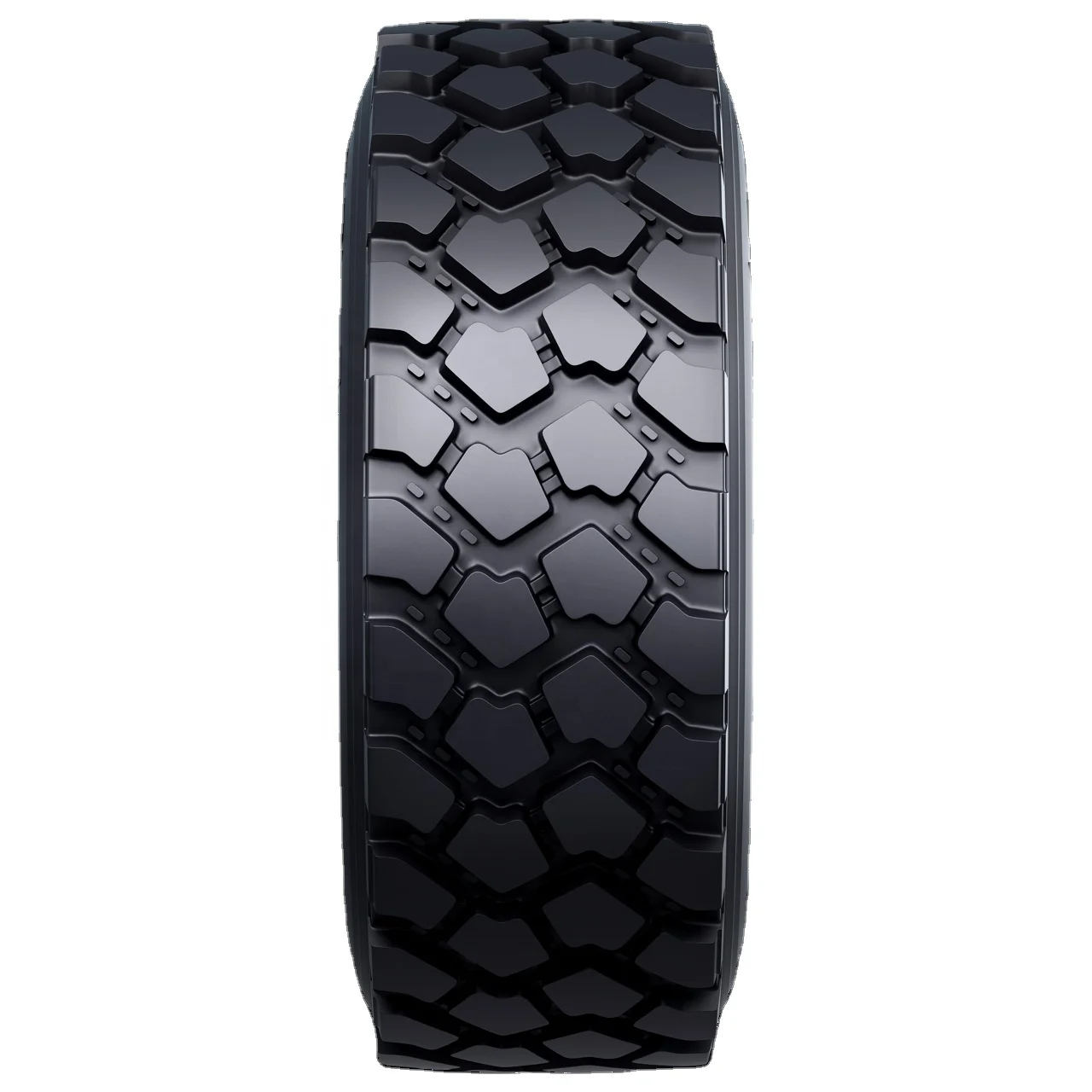
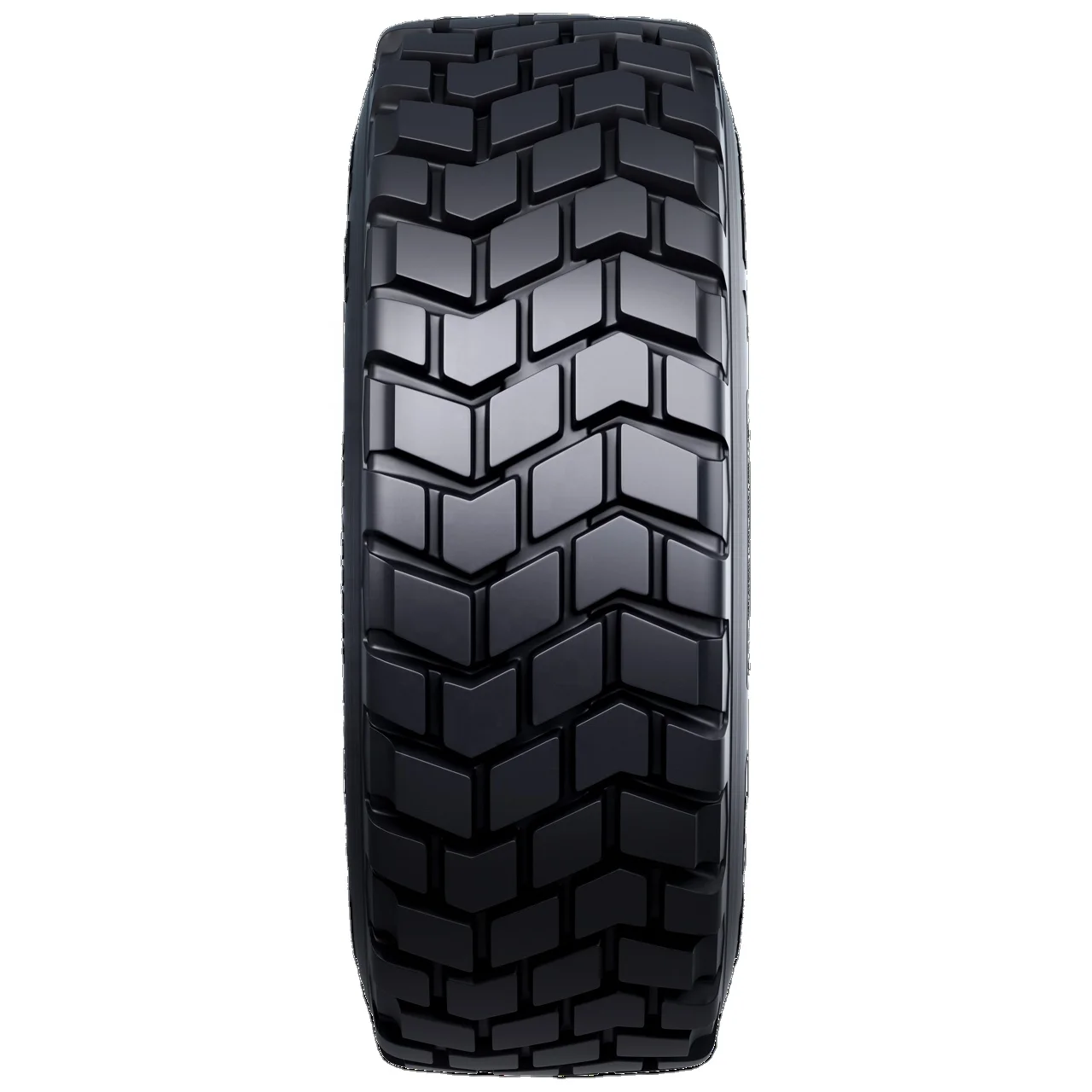
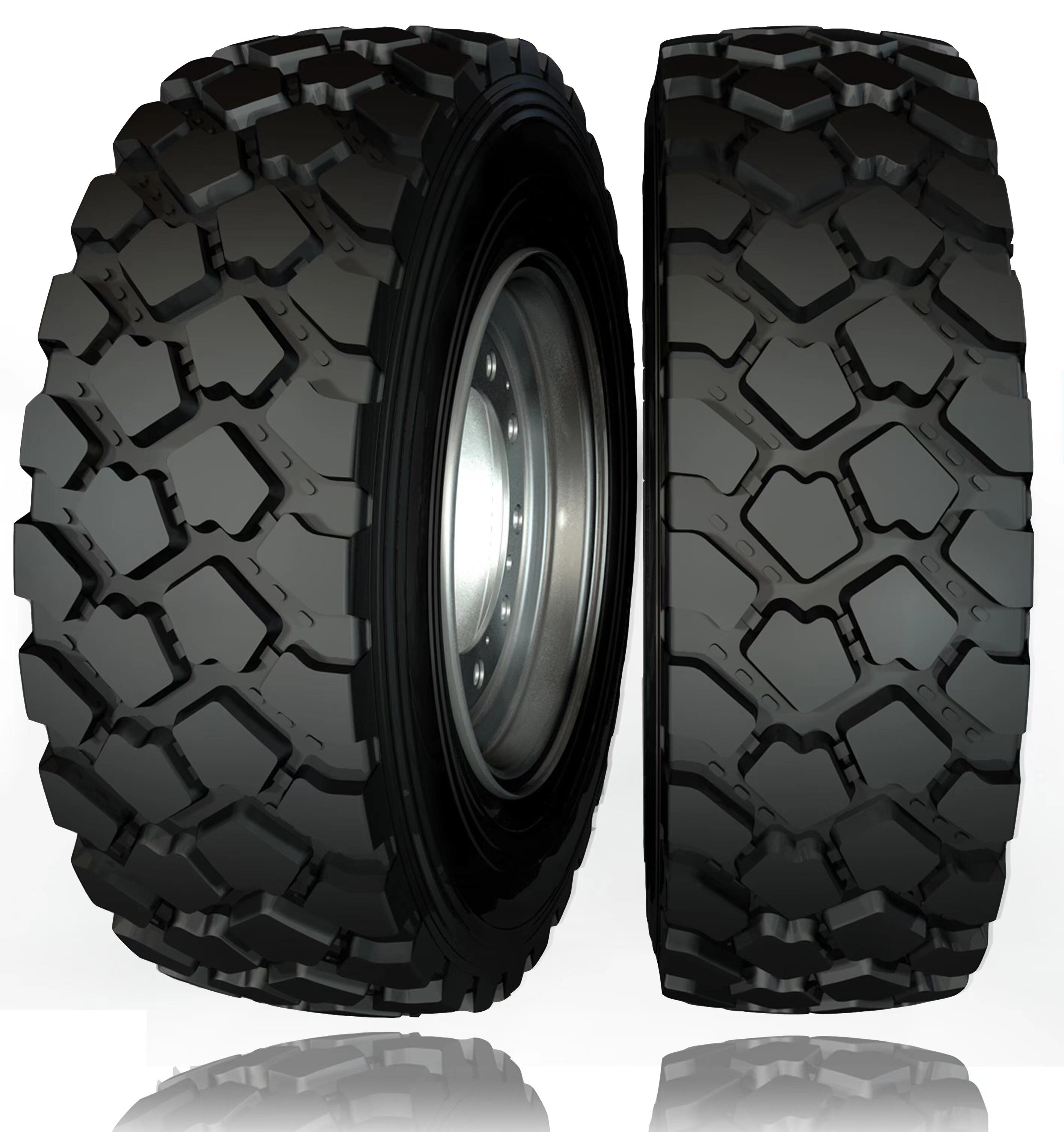
Standart bir lastik basınç kaybettiğinde, araç hemen güvenli bir şekilde kontrol edilmesi zor veya imkânsız hale gelir. İşte burada yatay lastikler lastik mühendisliğinin temel fiziksel prensiplerini yeniden tanımlar. Hava kaçtığında yük altında çöken geleneksel lastiklerin aksine, yola dayanıklı lastikler (run-flat), sıfır şişirme basıncında bile aracın tam ağırlığını taşıyabilmesini sağlayan yapısal bir takviye sistemiyle tasarlanmıştır. Bu yetenek tesadüfi değildir — bu, ürün kesin malzeme bilimi, yük dağılımı mekaniği ve gelişmiş kauçuk bileşim teknolojisinin bir araya gelmesiyle ortaya çıkan, modern otomotiv mühendisliğindeki en önemli güvenlik yeniliklerinden biridir.
Bilimsel Temeli Anlamak run-flat lastikler lastik yüzeyinin kauçuk tabakasının ötesine bakmayı ve basınç düştüğünde yapısal olarak ne olduğunu incelemeyi gerektirir. Çalışma-yetenekli lastiklerin dayanıklılığı, yan duvarın bileşim kimyasından iç destek halkasının geometrisine kadar katmanlı mühendislik kararlarına dayanır. Filo operatörleri, askerî araç mühendisleri ve otomotiv satın alma uzmanları için bu prensipleri anlamak, lastik spesifikasyonu, araç uyumluluğu ve uzun vadeli işletme güvenliği konusunda bilinçli kararlar almak açısından hayati öneme sahiptir. Bu makale, çalışma-yetenekli lastiklerin dikkat çekici yük taşıma dayanıklılığını sağlayan temel bilimsel mekanizmaları açıklamaktadır.
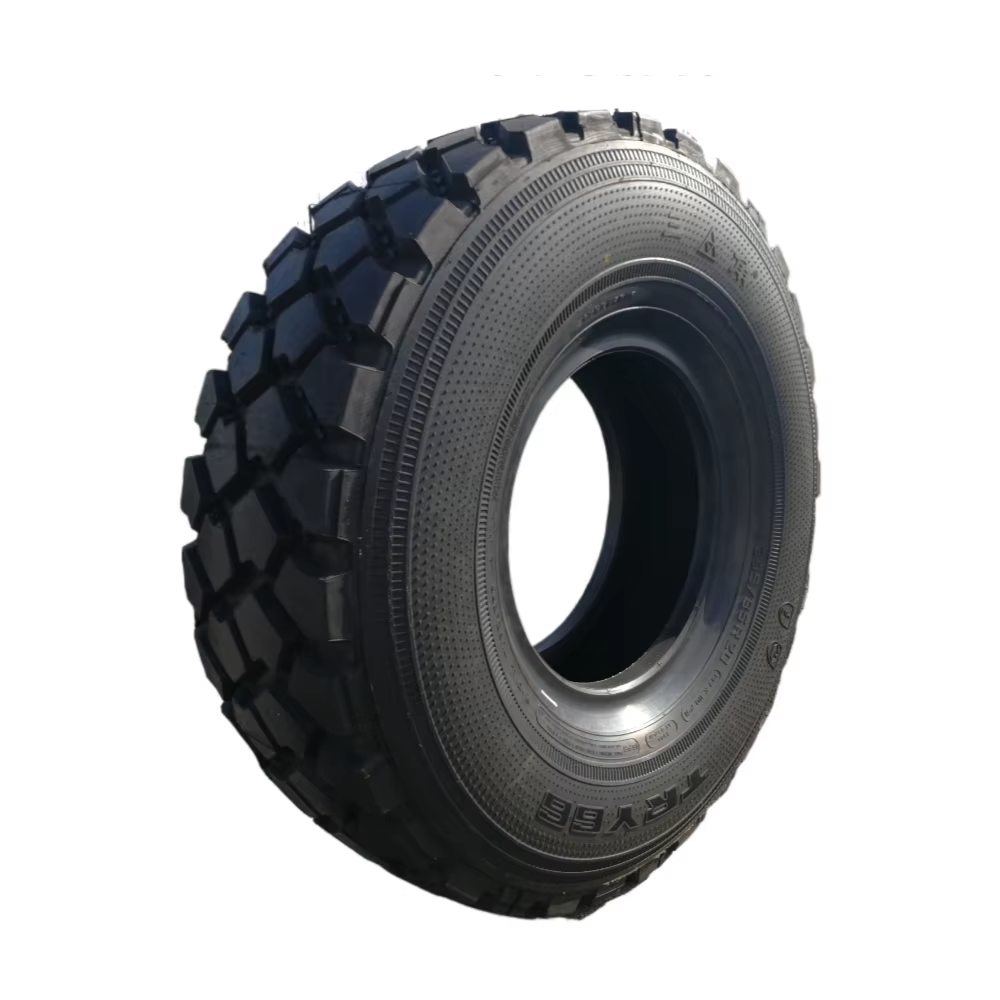
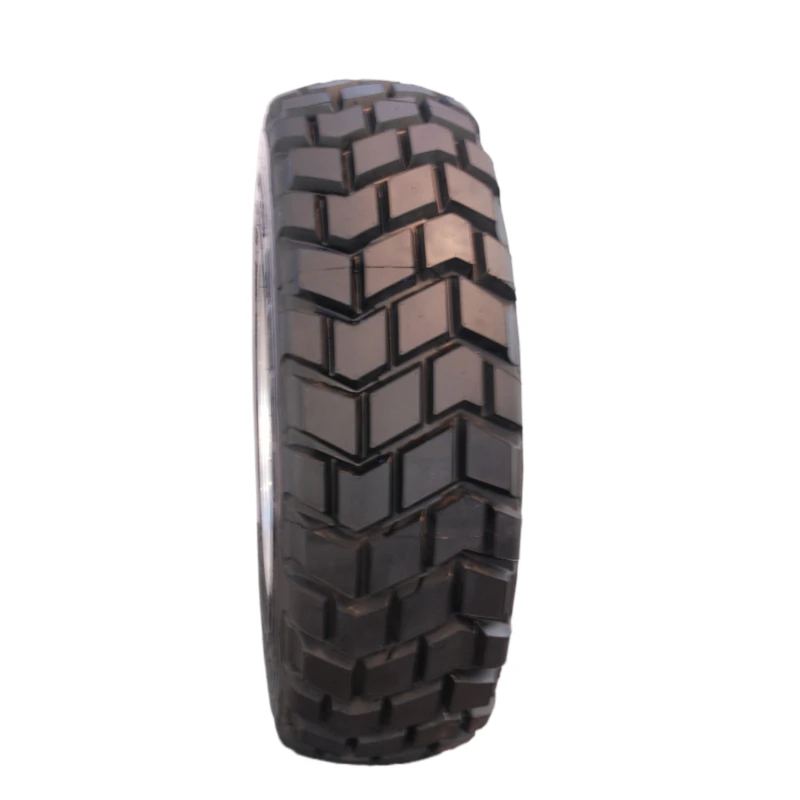
Koşu-düz lastikler ile geleneksel lastikleri birbirinden ayıran en kritik yapısal özellik, güçlendirilmiş yan duvardır. Standart bir lastikte yan duvar nispeten ince ve esnektir; görevi, yol titreşimlerini emmek ve konforlu bir sürüş sağlamak, araç ağırlığını taşıma işini ise hava basıncı üstlenir. Koşu-düz lastiklerde ise yan duvar, ısıya dayanıklı kauçuk bileşenlerinden ve yüksek çekme mukavemetine sahip, genellikle aramid lif veya çelikle güçlendirilmiş poliesterden yapılan takviye tellerinden oluşan katmanlar kullanılarak önemli ölçüde kalınlaştırılır ve sertleştirilir.
Bir run-flat lastik delinerek hava basıncını kaybettiğinde, bu güçlendirilmiş yan duvar tamamen yük taşıma işlevini devralır. Lastiğin çökmesi ve jantın yola sürtünmesi yerine, sertleştirilmiş yan duvar, jant ile yol yüzeyi arasında bir yapısal kolon görevi görür. Bu şekil değişimine ilişkin geometri, tasarım aşamasında dikkatle hesaplanır; böylece yan duvar, kontrol altında ve öngörülebilir bir şekilde şekil değiştirir ve lastiğin yol ile temas alanını kabul edilebilir bir şekil ve boyutta korur.
Bu yük aktarım mekanizması, yan duvarın sadece hacmini artırmakla ilgili değildir. Mühendisler, rijitliği esneklik davranışıyla dengelendirmelidir. Çok rijit olursa lastik, araç süspansiyon sistemine aşırı şok yükleri iletir. Çok esnek olursa ise yan duvar, sürüş sırasında tekrarlayan yan duvar sıkıştırma döngülerinden kaynaklanan histerezis kayıpları nedeniyle aşırı ısınır ve hızla arızalanır. Modern patlamaz lastiklerde kullanılan bileşim formülasyonu, üretici tarafından belirtilen sıfır basınç mesafesi boyunca yapısal bütünlüğü korurken bu termal yükü yönetecek şekilde özel olarak tasarlanmıştır.
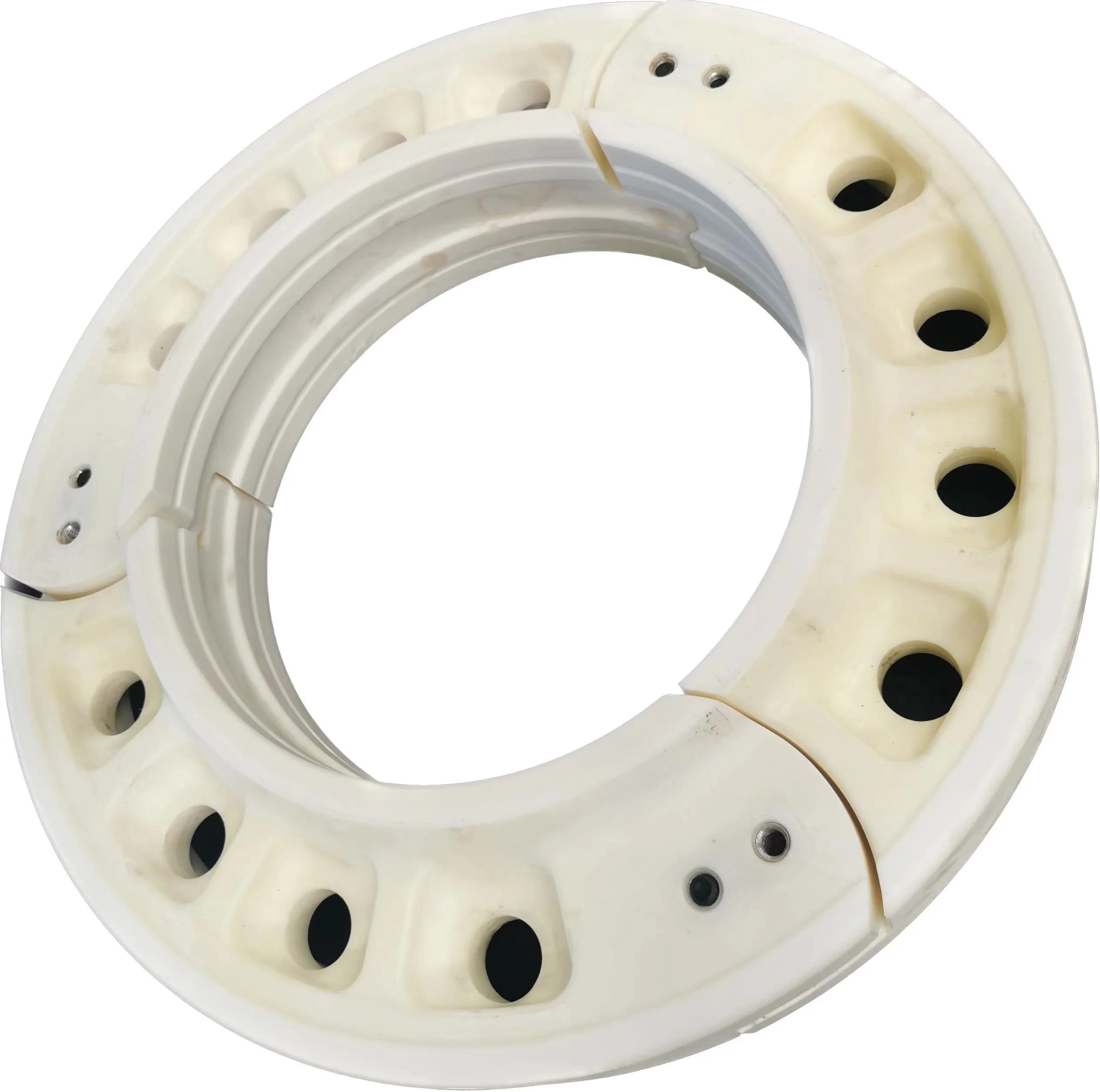
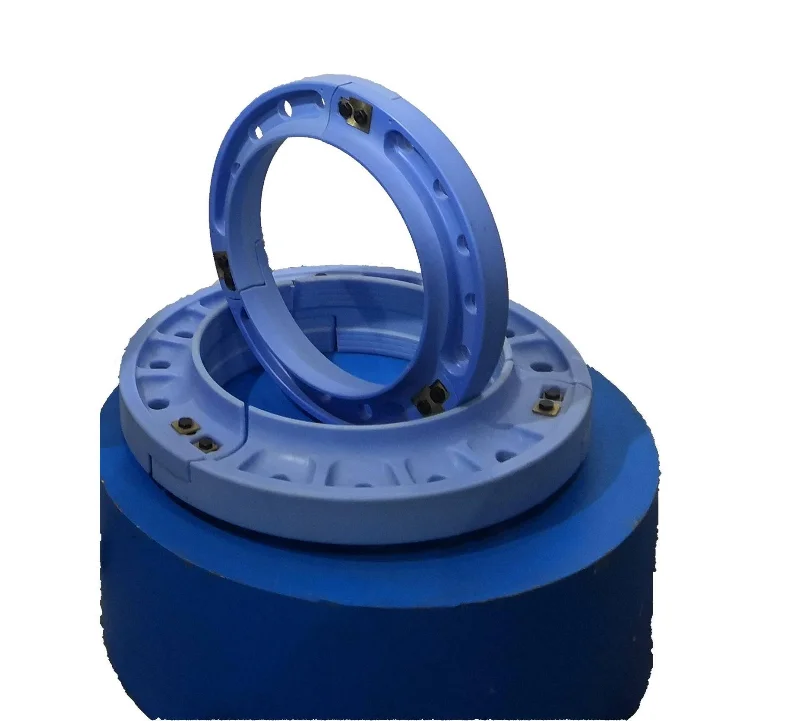
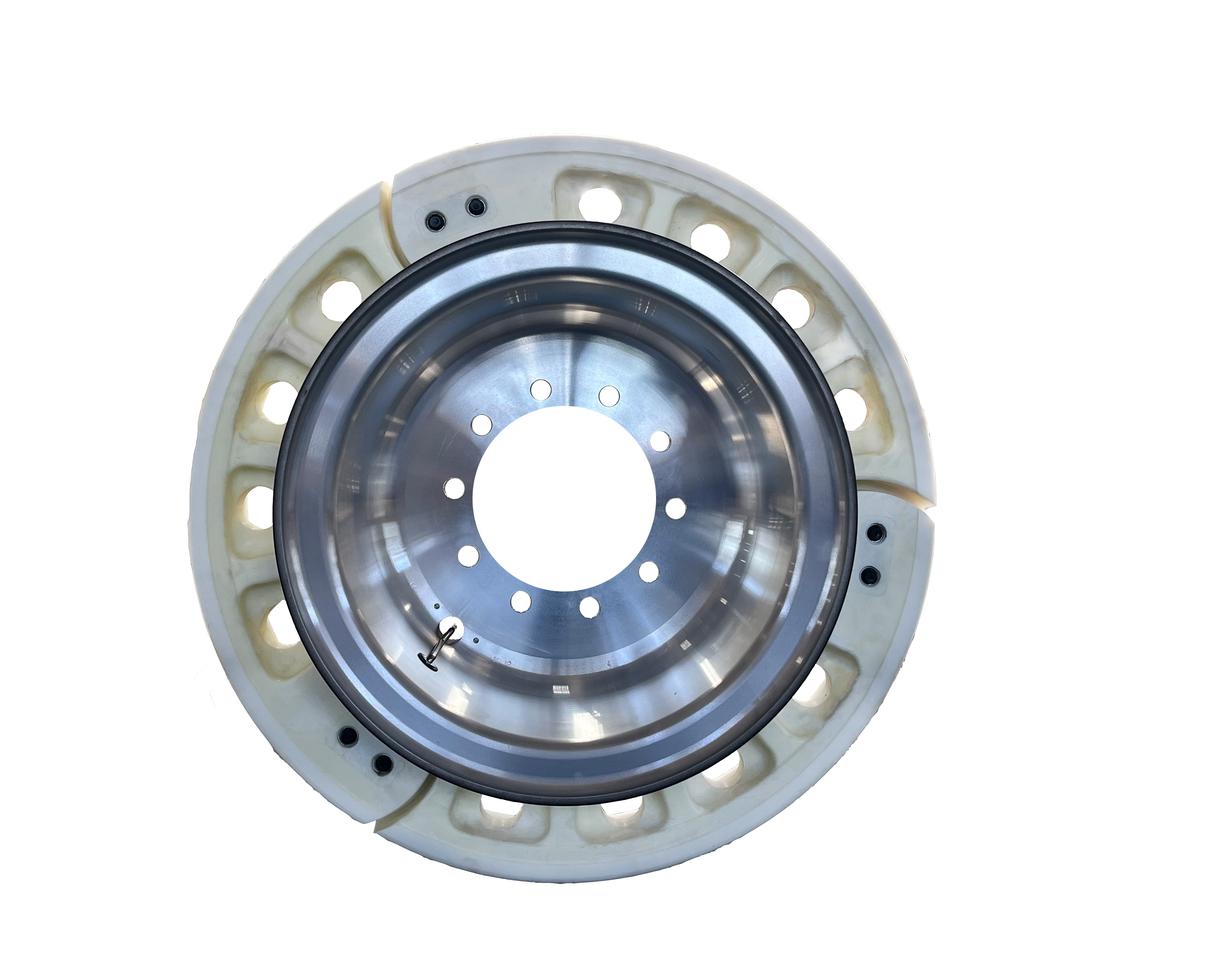
Patlamaz özellik kazandırmak için izlenen alternatif — ve giderek daha önemli hâle gelen — bir mühendislik yaklaşımı, iç destek halkasıdır; bazen destek gövdesi veya takma sistem olarak da adlandırılır. Bu tasarım, yük taşıma işlevini tamamen dış yan duvara bırakmak yerine, içine katı veya yarı-katı bir halka yerleştirir. tekerlek lastik patladığında jantı fiziksel olarak tutan montaj. Bu run-flat lastikler destek gövdesi kavramı, özellikle balistik ve delinme koşullarında güvenilirliğin mutlak olması gereken askerî, emniyet güçleri ve yüksek güvenlikli araç uygulamalarında yaygındır.
Destek halkası genellikle yüksek mukavemetli polimer kompozitlerden veya hafif alüminyum alaşımlarından üretilir ve lastiğin iç boşluğuna tam olarak uyacak şekilde boyutlandırılır. Lastik patladığında jant, yola değil destek halkasının üzerine iner ve halka, aracın ağırlığını çökmüş yan duvarın sağlayabileceğinden çok daha geniş bir temas alanına dağıtır. Bu mimari, kendini destekleyen yan duvar yaklaşımından yapısal olarak ayrılır ve sıfır basınçta sürüş mesafesi açısından ve delinmeden geçen yol enkazına karşı ikincil hasarlara direnç açısından benzersiz avantajlar sunar.
Destek halkasının kendisinin malzeme bilimi, karmaşık bir disiplindir. Polimer ya da alaşım, jant üzerinde ısı aktarımına bağlı hasarlara engel olmak için düşük termal iletkenliğe sahip olmalı, statik ve dinamik yükleri işletme hızlarında taşıyabilecek yeterli basınç dayanımına sahip olmalı ve düzgün sürüş (run-flat) işlemi sırasında iç lastik yüzeyine karşı aşınmayı en aza indirecek bir yüzey geometrisine sahip olmalıdır. Mühendisler ayrıca destek halkasının akustik davranışını da göz önünde bulundurmak zorundadır; çünkü doğrudan jantla temas halindeki metal veya sert polimer takviyeler, araç kullanımını etkileyebilecek önemli düzeyde gürültü ve titreşim üretebilir.
Yol tutuşlu lastiklerde kullanılan kauçuk bileşimi, standart lastiklerde kullanılan kauçuk bileşiminden temelde farklıdır ve bu fark özellikle yan duvar bölgesinde en belirgindir. Sıfır basınçta çalışma sırasında bir yol tutuşlu lastiğin yan duvarı sürekli bükülme işlemine maruz kalır — her tekerlek devri, yan duvarı sıkıştırır ve kısmen uzatır. Bu döngüsel şekil değişimi, mekanik enerjinin kauçuk matrisi içinde termal enerjiye dönüştüğü bir süreç olan histerezis aracılığıyla iç ısı üretir. Bu ısı birikimi uygun şekilde yönetilmezse, kauçuk bileşimi bozulur, katmanlar ayrılır ya da sonunda felaketle sonuçlanan bir şekilde başarısız olur.
Bununla başa çıkmak için, yola dayanıklı lastiklerde kullanılan kauçuk formülleri, histerezis kaybını azaltmak ve termal iletkenliği artırmak amacıyla özel katkı maddeleri içerir. Silika bazlı bileşenler, düşük yuvarlanma direnci, yüksek ıslak zemin tutuşu ve geleneksel karbon siyahı bileşenlerine kıyasla daha az ısı üretimi arasında daha iyi bir denge sunmaları nedeniyle giderek daha yaygın hâle gelmiştir. Kauçuğun polimer iskeleti — genellikle stiren-bütadien kauçuğu ya da doğal kauçuk içeren bir karışım — aynı zamanda yüksek sıcaklıklarda viskoelastik davranışını optimize etmek üzere ayarlanmıştır.
Bileşimin termal yönetim yeteneği, bir araçta sönmüş bir run-flat lastiğin üzerinde aracın ne kadar uzağa ve ne kadar hızlı gidebileceğini doğrudan belirler. Çoğu kendini destekleyen run-flat lastik, sıfır basınç koşullarında saatte 80 kilometreyi geçmeyen hızlarda yaklaşık 80 kilometre sürüş için tasarlanmıştır; ancak bu değer, tasarıma ve uygulamaya göre değişiklik gösterebilir. Bu performans kriterini tutarlı şekilde karşılamak, hassas formülasyon kontrolü, tutarlı üretim kalitesi ve simüle edilmiş sönmüş lastik koşullarında titiz doğrulama testleri gerektiren bir malzeme mühendisliği zorluğudur.
Lastik bileşimiyle sınırlı kalmadan, yola dayanıklı lastiklerin (run-flat) içteki kordon ve kuşak yapısı, taşıma biliminde kritik bir rol oynar. Standart lastikler, tread sertliğini, viraj alma kararlılığını ve delinme direncini yönetmek için genellikle çelikten oluşan birden fazla kuşak katmanı kullanır. Yola dayanıklı lastiklerde ise bu kuşak katmanları, sıfır basınç koşullarında genel yapısal bütünlüğe de katkıda bulunacak şekilde tasarlanmıştır; bunun için tread şeklini korur ve lastiğin tepe kısmının yük altında içe doğru katlanmasını önler.
Lastik gövdesinin telleri — yan duvardan kenara kadar uzanan yapısal iskelet — run-flat lastik mimarisinde özellikle önemli bir unsurdur. Yan duvar sertliğini artırmak ve yük altında uzamayı azaltmak amacıyla, geleneksel poliesterin yanı sıra aramid (Kevlar sınıfı) teller veya yüksek dayanımlı naylon gibi yüksek modüllü malzemeler de bazen kullanılır. Bu tellerin yerleştirildiği açı da sıfır basınç yükü altında yan duvarın nasıl deform olacağını etkiler ve bu tel açısı, lastik üretimi sırasında tam olarak kontrol edilir.
Lastik kenar bölgesi takviyesi, yürüyen-lastik (run-flat) lastikleri geleneksel tasarımlardan ayıran başka bir mühendislik detayıdır. Kenar, lastiğin tekerlek jantına kilitlendiği kısımdır ve sıfır basınçlı çalışma sırasında kenar ile bu kenara bitişik olan alt yan duvar bölgesi, aşırı artmış gerilme yoğunluklarına maruz kalır. Bu anormal gerilme koşulları altında kenarın sökülmesini veya yırtılmasını önlemek için yürüyen-lastik (run-flat) lastiklere ek apekt dolguları ve kenar takviye katmanları ilave edilir; aksi takdirde lastik-tekerlek bütünlüğü anında kaybolur.
Koşu-yassı lastik biliminin en sezgiye aykırı yönlerinden biri, sıfır basınç altında temas alanı — yani lastiğin yol ile temas ettiği alan — ortadan kalkmaz. Bunun yerine, temas alanı şekli ve basınç dağılımı değişir; bu değişimler, lastik mühendisleri tarafından kapsamlı şekilde incelenmiş ve modellenmiştir. Uygun şekilde tasarlanmış bir koşu-yassı lastikte, sönmüş durumdaki temas alanı, sürücünün temel araç kontrolünü sürdürmesini ve güvenli bir şekilde servis noktasına ulaşmasını sağlayan sınırlar içinde traksiyon, frenleme ve yanal kuvvetleri iletecek kadar işlevsel kalır.
Sıfır basınçta çalışırken yük dağılımı, takviyeli yan duvarın veya destek halkasının rijitliği tarafından büyük ölçüde etkilenir. Daha rijit bir destek sistemi, şişirilmiş bir lastiğe benzer, daha düz ve daha homojen bir temas alanı oluşturur; bu da viraj alma ve frenleme kararlılığı açısından daha iyidir. Ancak aşırı rijitlik, temas alanının kenarlarında yüksek basınç yoğunluklarına neden olur ve bu da tread aşınmasını hızlandırabilir ile ekstra ısı üretilebilir. Lastik mühendisleri, bu uzlaşma noktasını optimize etmek ve fiziksel prototipler inşa edilmeden önce yeni koşmaya dayanıklı lastik tasarımlarının temas mekaniğini doğrulamak amacıyla tasarım sürecinde sonlu eleman analizini yoğun şekilde kullanırlar.
Lastiklerin basınçsız hâlde çalışırken gösterdiği dinamik davranış, şişirilmiş durumdaykenki davranışlarından önemli ölçüde farklılık gösterir. Lastiğin sönümleme özellikleri değişir ve lastik-tekerlek sisteminin doğal frekansı, araç süspansiyonu ile gövde yapısında titreşim modlarını tetikleyebilecek şekilde kayar. Basınçsız sürüşe uyumlu olarak tasarlanan modern araçlar genellikle bu değişimleri telafi etmek amacıyla değiştirilmiş süspansiyon ayarlarına sahiptir; bu araç-lastik sistemi mühendisliği, basınçsız sürüş sırasında kabul edilebilir sürüş kalitesi ve direksiyon tutuşu sağlama açısından run-flat lastiklerin temel bir parçasıdır.
Yol tutuşlu lastiklerin bilimi, üzerinde monte edildikleri jantların mühendisliğiyle ayrılamaz. Yol tutuşlu lastikler, normal şişirilmiş standart lastiklerinkinden temelde farklı olan yük yollarını janta uygular. Normal şekilde şişirilmiş bir lastikte jant, lastiğin hava kolonu içinde esasen askıda durur — sıkıştırma yükü, hava basıncı aracılığıyla lastiğin tam çevresine dağılır. Sıfır basınçta yol tutuşlu çalışma sırasında yük, jant ile destek gövdesi veya yan duvar arasındaki yerel temas aracılığıyla doğrudan aktarılır ve bu durum jant kenarı ile lastik oturma yüzeyi bölgelerinde yoğunlaşmış gerilmelere neden olur.
Bu nedenle, yola devam edebilen lastiklerle birlikte kullanılması amaçlanan jantlar — özellikle destek halkası sistemleri — jant yuvası ve kenar bölgelerinde artırılmış malzeme dayanımı ve değiştirilmiş geometri ile tasarlanmalıdır. Destek halkasının iç çapı ile jant çapı arasındaki uyum, deflasyon sırasında halkanın doğru şekilde kilitlenmesini sağlamak ve yan yönde kaymamasını sağlamak için çok hassas olmalıdır; aksi takdirde, sıfır basınçta uzun süreli sürüş sırasında jantı veya iç lastik yüzeyini hasara uğratabilir.
Bu dar mühendislik bağımlılığı, yani patlamaya dayanıklı lastikler ile bunların jantları arasındaki ilişki, patlamaya dayanıklı lastikleri standart jantlara takmak ya da standart lastikleri patlamaya dayanıklı destek halkası sistemleri için tasarlanmış jantlara monte etmek gibi uygulamaların mühendislik incelemesi yapılmadan yapılması önerilmez olmasının bir nedenidir. Yük yolları ve gerilme yoğunlukları, uyumsuz kombinasyonların tekerlekte hızlandırılmış yorulmaya veya lastikte erken hasara yol açacak kadar önemli ölçüde farklılık gösterir; bu durum, patlamaya dayanıklı teknolojinin sağlaması amaçlanan güvenlik avantajlarını zayıflatır.
Run-flat lastiklerle ilişkilendirilen dayanıklılık iddiaları, Avrupa Lastik ve Jant Teknik Organizasyonu ile Lastik ve Jant Birliği gibi uluslararası kuruluşlar tarafından geliştirilen katı standart test protokolleriyle doğrulanmaktadır. Bu protokoller, bir run-flat lastiğin yapısal başarısızlık göstermeden sıfır basınçta dayanıklılığını göstermesi gereken belirli test koşullarını — yük, hız, süre ve yol yüzeyini — tanımlar. Bu testlerin sonuçları, run-flat lastik teknik özelliklerinde yer alan sıfır basınç mesafe ve hız derecelendirmelerinin temelini oluşturur.
Fiziksel testler, belirlenmiş yükler ve hızlarda sıfır basınçta sürüşü simüle eden özel olarak tasarlanmış test tezgâhlarına monte edilen patlamaz lastikleri içerir; bu testler genellikle koşulların tam olarak kontrol edilebildiği ve tekrarlanabildiği dairesel test parkurlarında gerçekleştirilir. Test başlangıcında lastikler genellikle sıfır basınca kadar söndürülür ve ya belirtilen mesafe tamamlanana kadar ya da lastik, deri ayrılmaları, yan duvar delaminasyonu veya felaket düzeyinde yapısal çökme gibi tanımlanmış başarısızlık kriterlerini gösterene kadar sürekli sürülür. Test sırasında lastiğin ısı yönetimi davranışını değerlendirmek amacıyla termal görüntüleme ve iç sıcaklık izlemesi kullanılır.
Standart dayanıklılık testlerinin ötesinde, askerî veya balistik dirençli uygulamalar için tasarlanan patlamaya dayanıklı lastikler, simüle edilmiş silah ateşi delinmesi, IED patlamasının yakınlık etkileri ve sıfır basınç koşullarında aşırı off-road arazi geçişi gibi özel testlere tabi tutulur. Bu daha zorlayıcı doğrulama protokolleri, patlamaya dayanıklı lastiklerin bilimini aşırı sınırlara taşır ve aynı anda havacılık malzemelerinden, askerî araç tasarımından ve ileri düzey polimer biliminden yararlanan mühendislik çözümleri gerektirir. Bu uygulamalarda kullanılan destek halkası sistemleri, tam lastik-tekerlek montajına entegre edilmeden önce sıkıştırma dayanımı, darbe direnci ve termal performans açısından sıklıkla bağımsız olarak test edilir.
Yolcu taşıma amaçlı lastikler için laboratuvar ve pist test sonuçları, bilimsel bulguların güvenilir işletme sonuçlarına dönüştüğünden emin olmak amacıyla gerçek dünya performansıyla ilişkilendirilmelidir. Arazi doğrulama programları — araç üreticileri, filo operatörleri ve savunma kurumları tarafından yürütülür — yolcu taşıma amaçlı lastikleri, değişken yol yüzeyleri, çevre sıcaklığı dalgalanmaları, birleşik düşey ve yanal yükler ile lastik basınç uyarı sistemi uyarılarına her zaman en uygun şekilde tepki vermeyebilecek gerçek operatörlerin özel sürüş davranışları da dahil olmak üzere gerçek işletme koşullarının tam karmaşıklığına maruz bırakır.
Alan verileri, basınç kaybı olayı sonrasında sürücü davranışının yola devam edebilen lastiklerin performans sonuçlarını önemli ölçüde etkilediğini tutarlı bir şekilde göstermektedir. Bir delinme uyarısı sonrasında hızını hemen azaltan ve agresif manevralardan kaçınan sürücüler, ikincil lastik hasarı oluşmadan servis noktasına ulaşma olasılığı çok daha yüksektir. Bu insan faktörü, yola devam edebilen lastiklerle donatılmış araçlarda lastik basınç izleme sistemlerinin genellikle standart ekipman olarak zorunlu kılınmasının nedenidir — lastiğin bilimsel özellikleri, sürücünün basınç kaybı olayı hakkında doğru ve zamanında bilgiye sahip olması durumunda ancak tam olarak ortaya çıkabilir.
Laboratuvar test verileri ile saha performansı arasındaki korelasyon, yolda patlamadan sürme lastiklerinin mühendisliğinde de sürekli iyileşmeyi sağlamıştır. Saha dönüşlerinde tespit edilen termal arıza modelleri, yan duvar bileşimlerinin yeniden formüle edilmesini sağlamıştır. Filo operasyonlarında gözlenen jant hasarı desenleri, tekerlek spesifikasyonu gereksinimlerinin güncellenmesine yol açmıştır. Gerçek dünya uygulamaları ile malzeme bilimi gelişimi arasındaki bu geri bildirim döngüsü, modern yolda patlamadan sürme lastiklerinin, onlarca yıl önce tanıtılan ilk nesil tasarımlara kıyasla önemli ölçüde daha olgun ve güvenilir bir teknoloji temsil etmesinin temel nedenlerinden biridir.
Kendinden destekli lastikler, öncelikle güçlendirilmiş yan duvar yapıları veya iç destek halkası sistemleri nedeniyle basınç kaybı koşullarında daha dayanıklıdır. Bu mühendislik özellikleri, lastiğin taşıtın yükünü hava basıncına dayanmak yerine doğrudan lastik yapısı üzerinden aktarmasını sağlar. Sıfır basınçta belirli bir mesafe ve hızda yük taşıma özelliğini sağlamak amacıyla özel kauçuk bileşimleri, tel malzemeleri ve yan duvar veya destek gövdesinin geometrik tasarımı optimize edilmiştir; bu da kendinden destekli lastikleri, yük taşıma biliminde geleneksel lastiklerden temelde farklı kılar.
Çoğu yolcu aracı için kullanılan patlamaya dayanıklı lastikler, sıfır basınç koşullarında saatte 80 kilometre hızla yaklaşık 80 kilometre mesafe kat edebilme özelliğine sahiptir. Ancak bu mesafe, belirli lastik tasarımına, araç yüküne, yol koşullarına ve ortam sıcaklığına bağlı olarak değişebilir. Gelişmiş destek halkası sistemleri kullanan askerî ve yüksek güvenlik gerektiren araçlar için üretilen patlamaya dayanıklı lastikler, teknik özellik gereksinimlerine bağlı olarak sıfır basınçta önemli ölçüde daha uzun menziller sunabilir. Her zaman lastiğin teknik veri sayfasına başvurun ve özel uygulamanız için araç üreticisinin talimatlarına uyun.
Delinmeden sonra yola devam edebilen lastiklerin tamir edilebilirliği, lastiğin sıfır basınçta sürülüp sürülmediğine ve bu durumun ne kadar süre devam ettiğine bağlıdır. Basınç kaybı hemen tespit edilmişse ve lastik şişkinlik kaybı durumunda sürülmemişse, tread (lastik tabanı) alanında oluşan küçük delinmeler, standart sektör kılavuzlarına göre tamir edilebilir olabilir. Ancak lastik, sıfır basınçta bile kısa bir mesafe sürülürse, güçlendirilmiş yan duvar yapısında meydana gelen iç hasar dışarıdan görünmeyebilir; ancak bu hasar, gelecekteki sıfır basınç performansı için gerekli yapısal bütünlüğü tehlikeye atabilir. Bu tür durumlarda genellikle lastiğin değiştirilmesi önerilir.
Hayır. Çalışma basıncı olmadan sürüş için tasarlanmış lastikler — özellikle iç destek halkası sistemleri kullananlar — bunlarla birlikte çalışacak şekilde özel olarak tasarlanmış jantlara ihtiyaç duyar. Jant geometrisi, kenarlık tasarımı ve malzeme dayanımı, sıfır basınçta çalışma sırasında oluşan yük yolları ve gerilme yoğunluklarıyla uyumlu olmalıdır. Çalışma basıncı olmadan sürüş için tasarlanmış lastikleri, bu amaçla onaylanmamış standart jantlara takmak, basınç kaybı durumlarında jant hasarı veya lastik arızasına neden olabilir. Montajdan önce her zaman jant uyumluluğunu çalıştırma basıncı olmadan sürüş için tasarlanmış lastik spesifikasyonuyla doğrulayın ve hem lastik hem de jant için üreticinin eşleştirme gereksinimlerine uyun.
 Son Haberler
 EN
EN
 AR
AR
 BG
BG
 FR
FR
 DE
DE
 HI
HI
 IT
IT
 JA
JA
 KO
KO
 PL
PL
 PT
PT
 RU
RU
 ES
ES
 SV
SV
 TL
TL
 ID
ID
 LV
LV
 LT
LT
 SR
SR
 UK
UK
 VI
VI
 TH
TH
 TR
TR
 FA
FA
 AF
AF
 HY
HY
 AZ
AZ
 KA
KA
 BN
BN
 LA
LA
 MN
MN
 SO
SO
 MY
MY
 KK
KK
 UZ
UZ
 KU
KU
 KY
KY