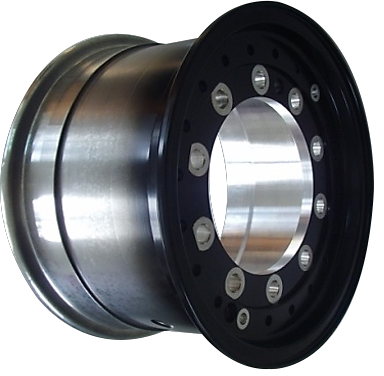
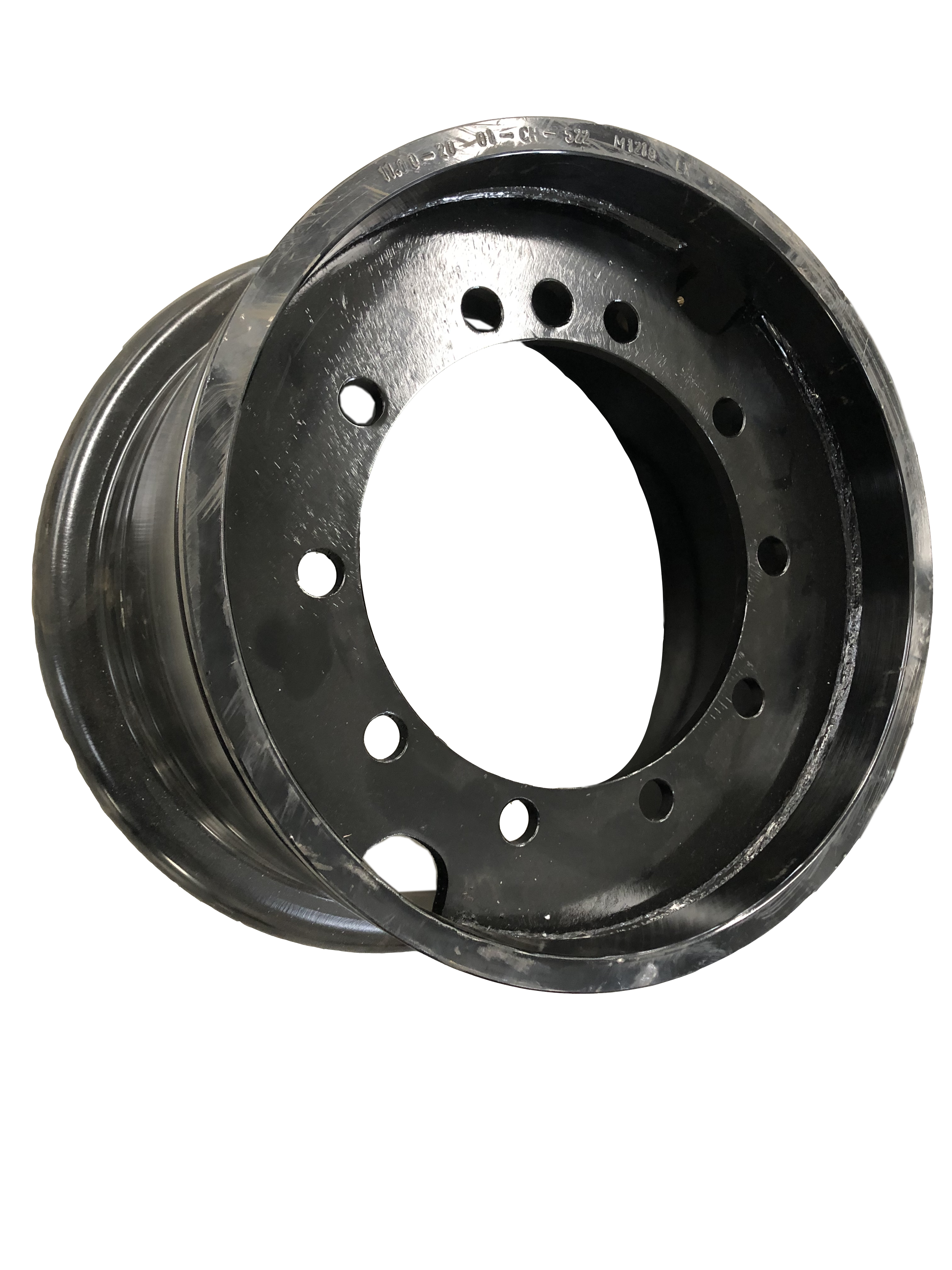
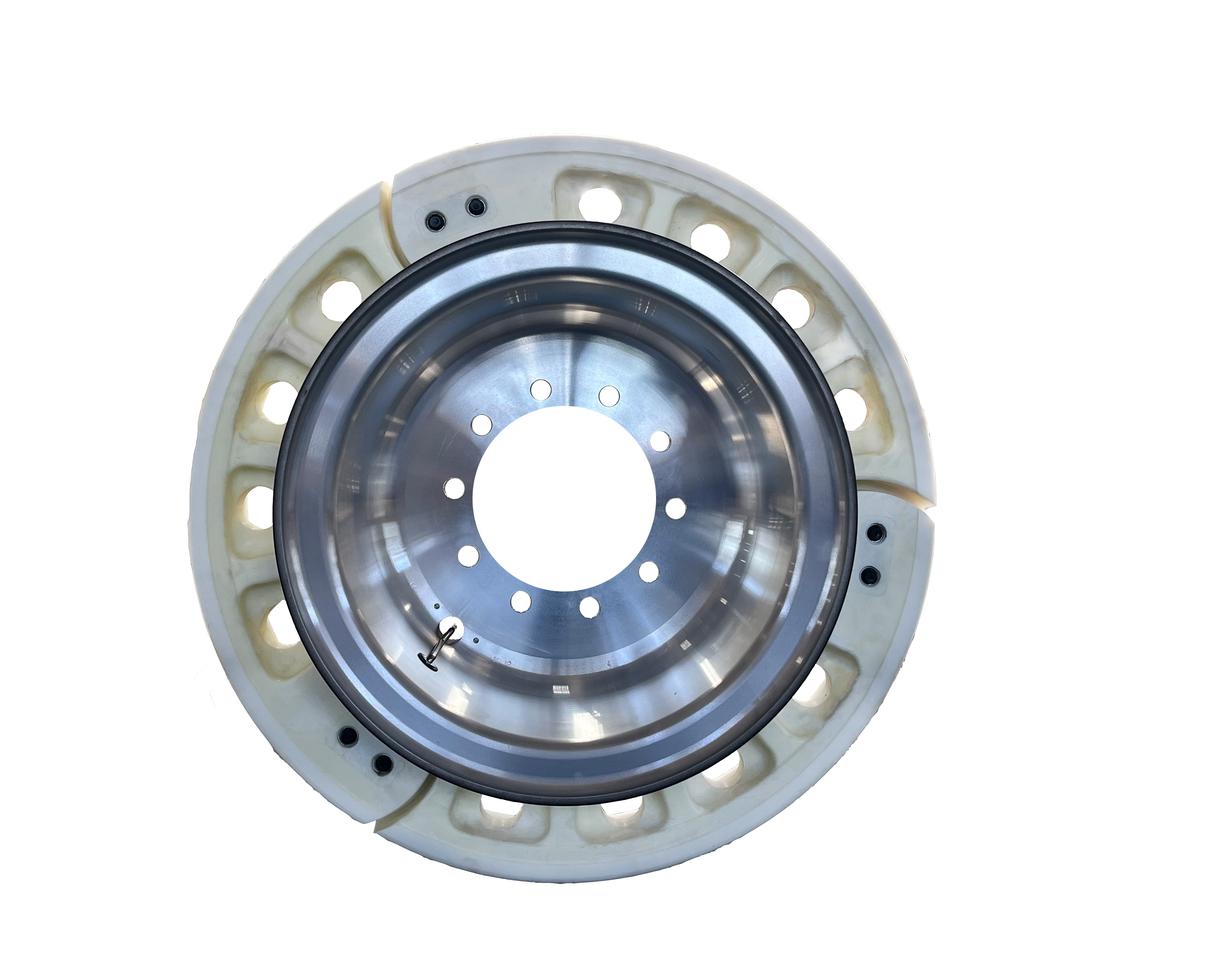
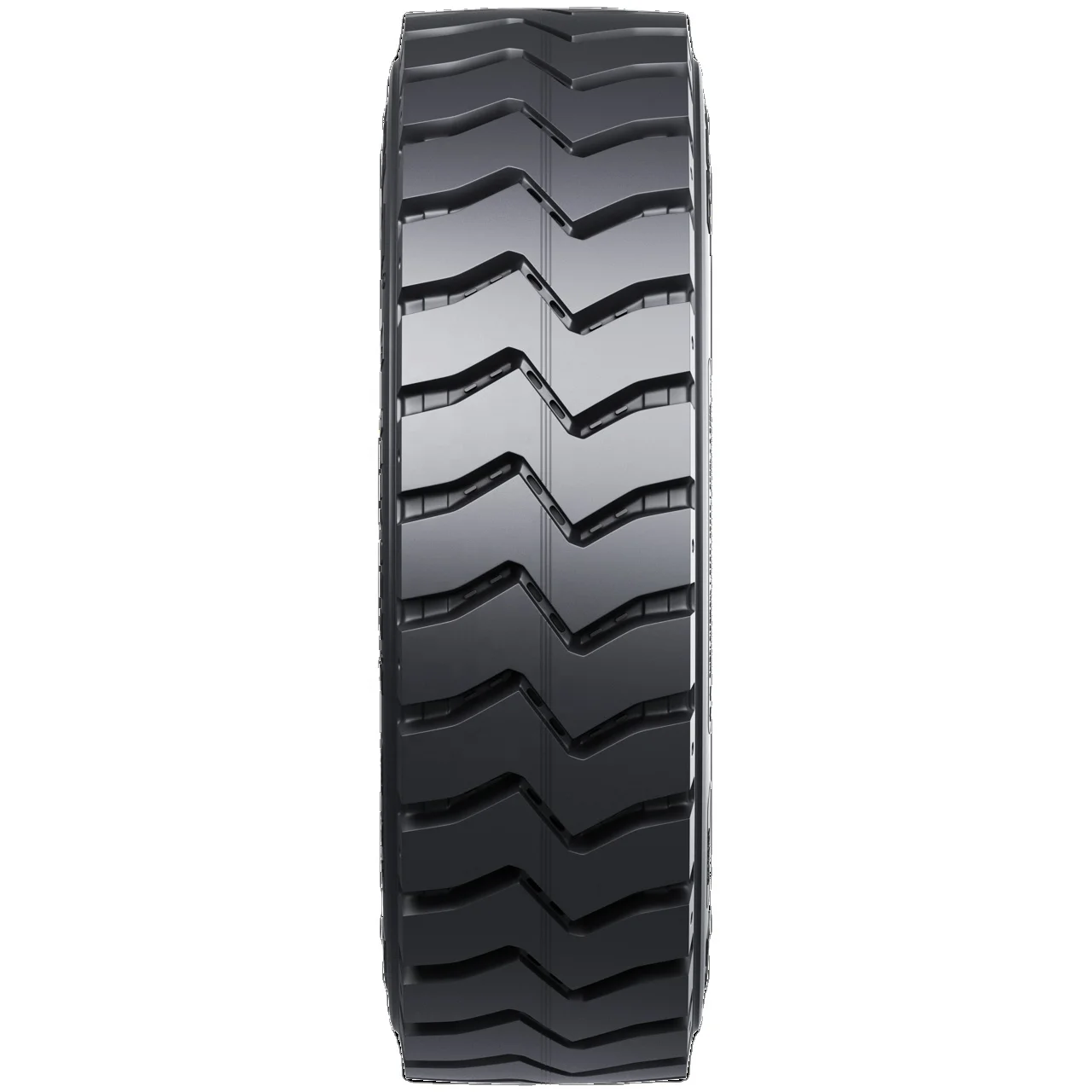
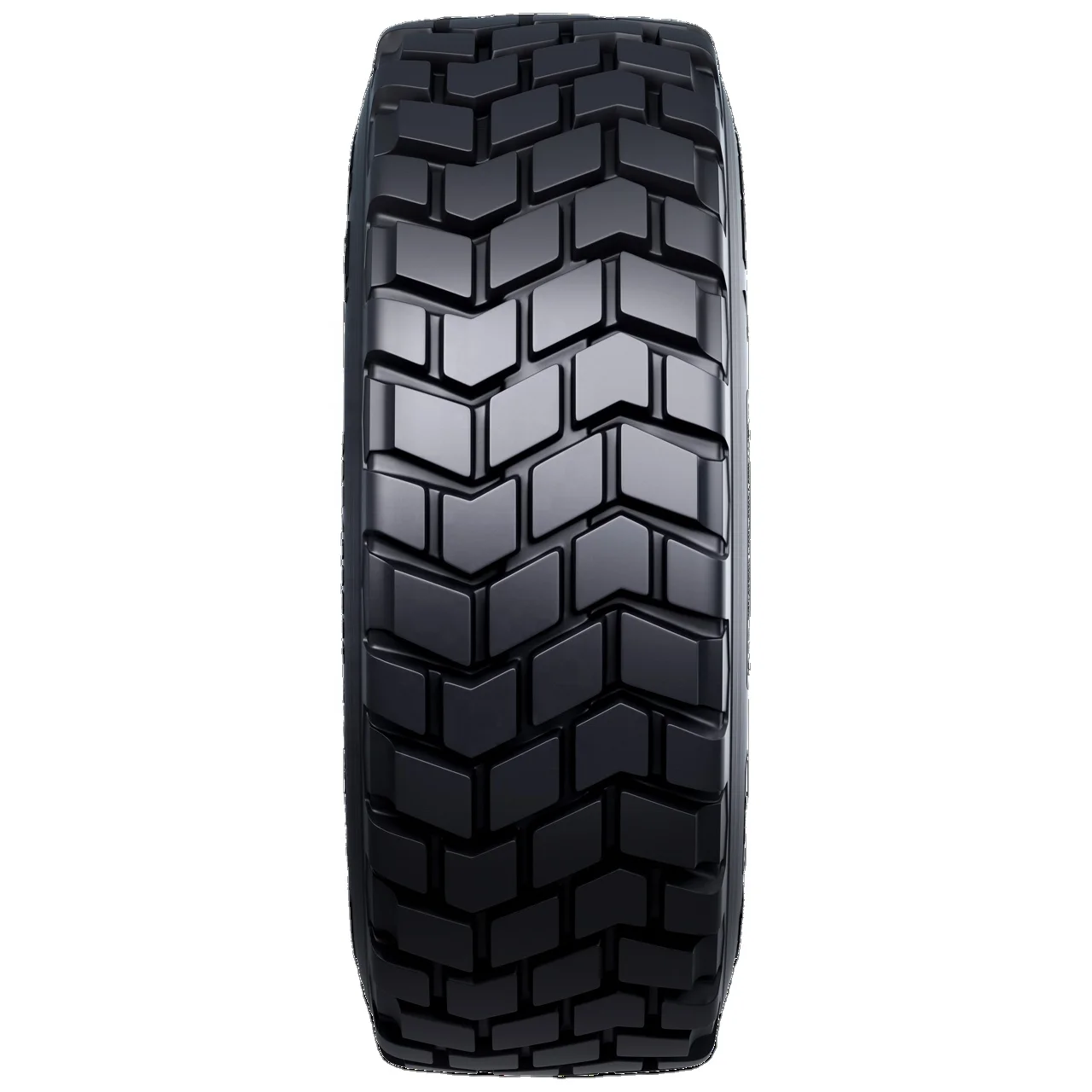
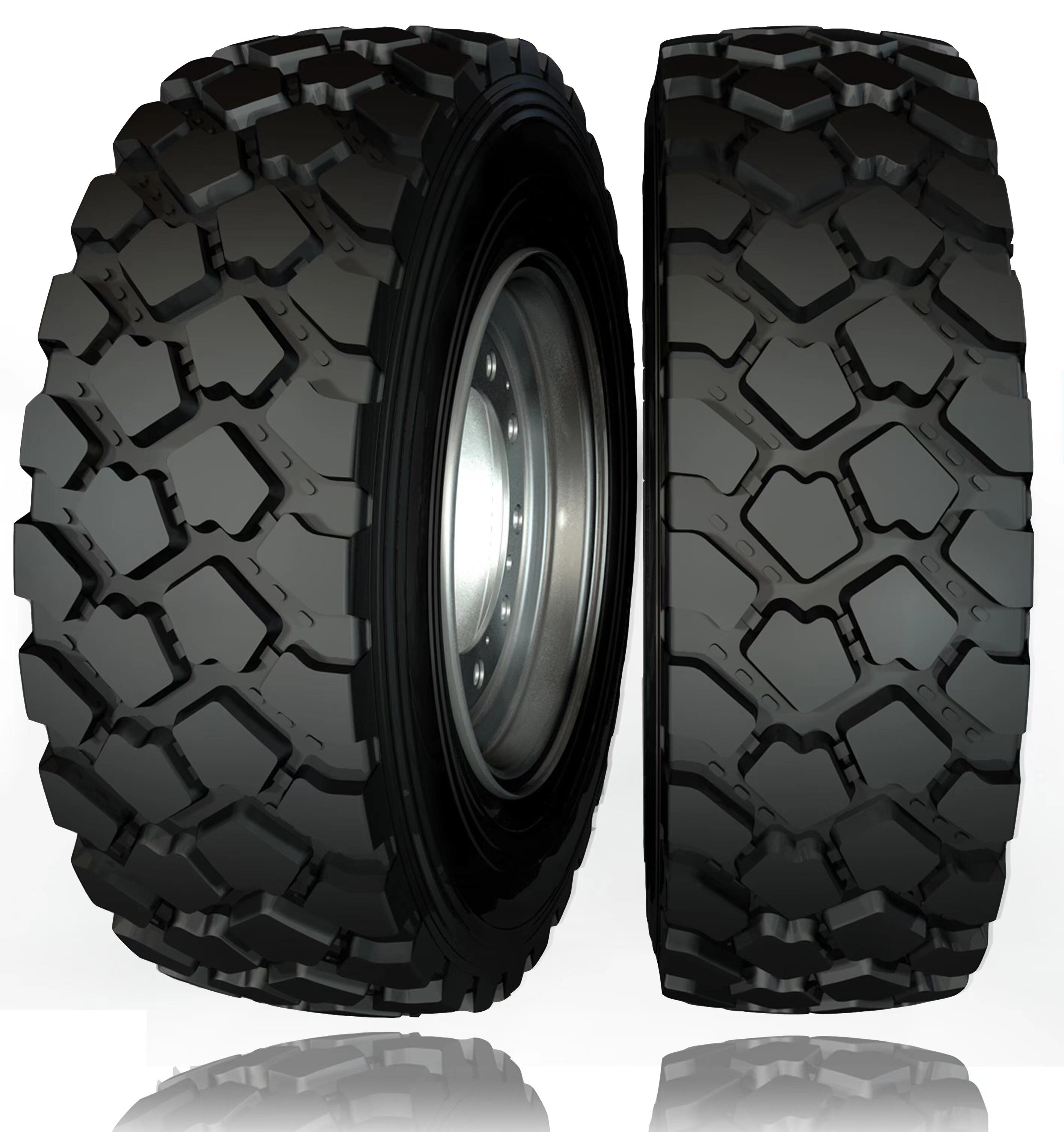
When we talk about durability testing, we're basically looking at how well products hold up against all sorts of stress factors like vibrations, heat exposure, and physical forces during their expected lifespan. Labs can fast forward through years worth of normal wear and tear by creating controlled environments where they push materials and designs to their limits. This is super important stuff when it comes to things like military grade RunFlat tires that need to keep going even after getting punctured. The actual testing process checks for things like how cracks spread, how much something bends before breaking, and whether the whole structure stays intact under pressure. All these assessments help make products tougher overall. Most industries have set guidelines in place so everyone follows similar procedures regardless if they're making cars or building parts for defense equipment.
Repeated stress accelerates three primary degradation mechanisms:
Studies using ASTM D746 thermal resistance standards show combined thermal-mechanical stresses degrade materials 40% faster than single-factor exposure.
Modern durability testing equipment applies force from multiple directions at once while keeping track of more than 120 different performance indicators as they happen. All this information goes into predictive models that link laboratory findings to how products actually perform in the real world. According to recent research from the Defense Logistics Agency in 2023, this approach has cut down warranty claims for certain types of wheels used in combat situations by around one third. When it comes to tires designed to withstand explosions, special accelerated testing over just six weeks can forecast their reliability on the battlefield for about five years ahead with nearly 93 percent accuracy. These kinds of tests are becoming increasingly important for manufacturers looking to improve product longevity under extreme conditions.
Durability testing simulates decades of wear in weeks, validating lifespan under realistic conditions. A 2023 industry analysis found vibration and thermal cycling reduce automotive warranty claims by 34%. For military RunFlat tires, this means replicating desert heat, Arctic cold, and rugged terrain to ensure operational readiness beyond 10,000 miles.
Fatigue testing enables direct comparison of materials such as silica-reinforced rubber versus polymer blends. Multi-axis simulations have improved puncture resistance by 41% in ballistic wheels while reducing weight (Life Cycle Testing Insights). This precision avoids over-engineering, balancing durability with fuel efficiency in armored vehicles.
Controlled failure testing identifies weak points in explosion-proof tire prototypes before deployment. Thermal shock chambers revealed that 82% of flawed tire liners ruptured within 200 cycles—defects invisible during standard quality checks. These protocols prevent catastrophic blowouts in IED-prone environments.
Proactive testing cuts military fleet maintenance costs by 29% (DoD procurement data, 2023). Salt spray testing exposed corrosion risks in 68% of untreated aluminum wheel hubs, prompting protective coatings that extended service intervals fourfold. Every $1 invested in pre-production testing avoids $12.70 in recall-related expenses.
Testing machines designed for durability put materials through their paces by applying carefully measured stress levels to see how well they hold up over time. When it comes to fatigue testing, components typically endure around 10,000 load cycles as reported by Ponemon in 2023, which helps identify those tiny cracks that start forming in metal parts or composite materials under repeated strain. For vibration analysis, systems run tests at frequencies reaching up to 2,000 Hz, mimicking the kinds of shakes and rattles equipment experiences during transportation. Shock testing goes even further, checking if gear can withstand sudden impacts that hit over 100G forces. Wear testing focuses on measuring exactly how much material disappears from moving parts like gears and bearings after extended use. Putting all these different testing approaches together makes a real difference in practice, cutting down unexpected breakdowns in heavy machinery by roughly 40%, something manufacturers across industries have found incredibly valuable when trying to maintain reliable operations.
To test how products handle temperature extremes ranging from minus 70 degrees Celsius all the way up to plus 300, manufacturers subject them to various thermal stress tests looking at things like expansion rates, electrical conductivity changes, and long term material degradation. Thermal shock chambers work by cycling between hot and cold temperatures very quickly, which tends to expose problems in areas where components connect such as seals and those delicate solder joints we rely on so much. When it comes to accelerated aging tests, putting items through 85 degree heat combined with 85 percent humidity for over a thousand hours actually mimics what would happen after ten years of normal usage according to standards set by ASTM D638-24. Military grade tire liners made from certain polymers show about thirty percent more wear under these intense conditions, something engineers take into account when choosing materials for equipment destined for really tough operating environments.
Testing equipment plays a crucial role in material evaluation. Salt spray chambers recreate the kind of corrosion seen near coastlines, UV testing devices can subject materials to what would normally take five years of sun exposure but do it all in just 500 hours according to ISO 4892-3 standards. Meanwhile, humidity chambers switch back and forth between 10% and 95% relative humidity levels to see how well adhesives hold up in weapons systems. When looking at metal coatings specifically, zinc coated steel stands up to saltwater environments about three times better than regular steel as noted in NACE SP2147-2023 guidelines. And for those rubber components exposed to harsh desert climates, adding UV stabilizers makes them keep their flexibility for roughly half again as long as standard rubbers would last.
When we talk about integrated systems, what we're really looking at is equipment that handles all sorts of stress at once mechanical forces, heat changes, and environmental factors too. According to some recent research published under SAE J3169 back in 2024, cars built with these combined systems saw their warranty issues drop by almost half. The military has taken notice of this technology as well. They run tests on tires using those fancy multi-axis hydraulic machines that can mimic everything from roadside bomb explosions to rough mountain paths. What makes this so valuable? Well, according to various validation studies, these testing setups manage to pack what would normally take a decade of real world driving into just six months worth of lab time. Makes sense when considering things like RunFlat tires where failure isn't just inconvenient it could be life threatening.
The military grade runflat tires get put through their paces with ballistic impact testing that mimics actual battlefield scenarios involving bullets and explosions. According to NATO standards (STANAGs), these tires need to keep working after taking hits from 12.7mm armor piercing rounds. They should still be able to carry vehicles for around 50 kilometers at speeds up to 50 km/h even when damaged. For this testing, engineers use sophisticated gear such as multi axis hydraulic pulsators which simulate the kind of damage seen in combat zones. These machines also check how well the tire walls hold up and whether air stays inside the tire despite the trauma it experiences during testing.
Durability machines apply 6.5-ton cyclic loads at 40 Hz to mimic convoy operations over IED-laden terrain. Pneumatic actuators generate 360° compression forces equivalent to 8g impacts—three times higher than civilian truck standards. Real-time strain gauges map stress across bead seats and tread shoulders, identifying vulnerabilities in composite rubber-steel mesh constructions.
2023 desert assessments showed tires meeting MIL-STD-1309C reduced mission delays due to breakdowns from 23% to 3.4%. This leap stems from optimized nylon cord angles (55°–65° bias ply) and proprietary silica-reinforced treads that show 62% lower heat buildup in thermal imaging.
Design Parameter |
Traditional Tires |
Military Runflat Tires |
Sidewall Thickness |
12mm |
8mm (with Kevlar® mesh) |
Tread Depth |
16mm |
22mm (self-sealing) |
Weight per Tire |
45kg |
38kg (-15%) |
This optimization is achieved through computer-aided topology analysis, which reduces material density in low-stress zones without compromising protection. Recent thermal testing confirms these lightweight designs perform reliably across -40°C to 65°C ranges.
The latest generation of test chambers now comes equipped with IoT sensors paired up with machine learning algorithms, allowing them to recreate harsh environments with amazing accuracy. These systems handle what's called multi-axis stress testing, basically throwing everything at materials at once: shaking them, heating and cooling rapidly, changing pressures dramatically. All this happens while collecting an impressive stream of information, grabbing around 500 different measurements every single second. According to research published last year, when companies switched to these smart chambers, they saw their testing time drop by almost half, plus got better at spotting potential failures early on. The 32% improvement in detection rates means fewer surprises down the road when products actually hit the market.
Feature |
Traditional Chambers |
Smart Chambers |
Data Collection |
Manual Sampling |
Real-Time IoT Sensor Arrays |
Environmental Control |
Single-Parameter Limits |
Dynamic Multi-Stress Syncing |
Failure Prediction |
Post-Test Analysis |
AI-Driven Early Warning |
Manufacturers now deploy neural networks trained on decades of fatigue data to anticipate failures 72 hours faster than human analysts. These models excel in military tire simulations, predicting sidewall rupture under ballistic impact with 89% correlation to actual field outcomes.
Demand for NATO-aligned testing equipment has surged 210% since 2021. Manufacturers seek systems that validate both ballistic wheel integrity and post-puncture mobility over 50km—a vital capability for maintaining armored vehicle operational readiness.
Durability testing assesses how well products withstand various stress factors like vibrations and heat exposure over their intended lifespan. This helps improve product resilience and reliability.
Mechanical stress from repeated strain can accelerate degradation mechanisms such as fatigue failure, polymer breakdown, and resonance damage, leading to faster material deterioration.
Thermal testing evaluates how materials respond to extreme temperature changes, expansion rates, and long-term degradation, simulating years of natural wear in a controlled environment.
Smart test chambers use IoT sensors and machine learning to simulate harsh environments more accurately and gather data efficiently, significantly improving failure detection rates.
 Hot News
 EN
EN
 AR
AR
 BG
BG
 FR
FR
 DE
DE
 HI
HI
 IT
IT
 JA
JA
 KO
KO
 PL
PL
 PT
PT
 RU
RU
 ES
ES
 SV
SV
 TL
TL
 ID
ID
 LV
LV
 LT
LT
 SR
SR
 UK
UK
 VI
VI
 TH
TH
 TR
TR
 FA
FA
 AF
AF
 HY
HY
 AZ
AZ
 KA
KA
 BN
BN
 LA
LA
 MN
MN
 SO
SO
 MY
MY
 KK
KK
 UZ
UZ
 KU
KU
 KY
KY