
 EN
EN
 AR
AR
 BG
BG
 FR
FR
 DE
DE
 HI
HI
 IT
IT
 JA
JA
 KO
KO
 PL
PL
 PT
PT
 RU
RU
 ES
ES
 SV
SV
 TL
TL
 ID
ID
 LV
LV
 LT
LT
 SR
SR
 UK
UK
 VI
VI
 TH
TH
 TR
TR
 FA
FA
 AF
AF
 HY
HY
 AZ
AZ
 KA
KA
 BN
BN
 LA
LA
 MN
MN
 SO
SO
 MY
MY
 KK
KK
 UZ
UZ
 KU
KU
 KY
KY
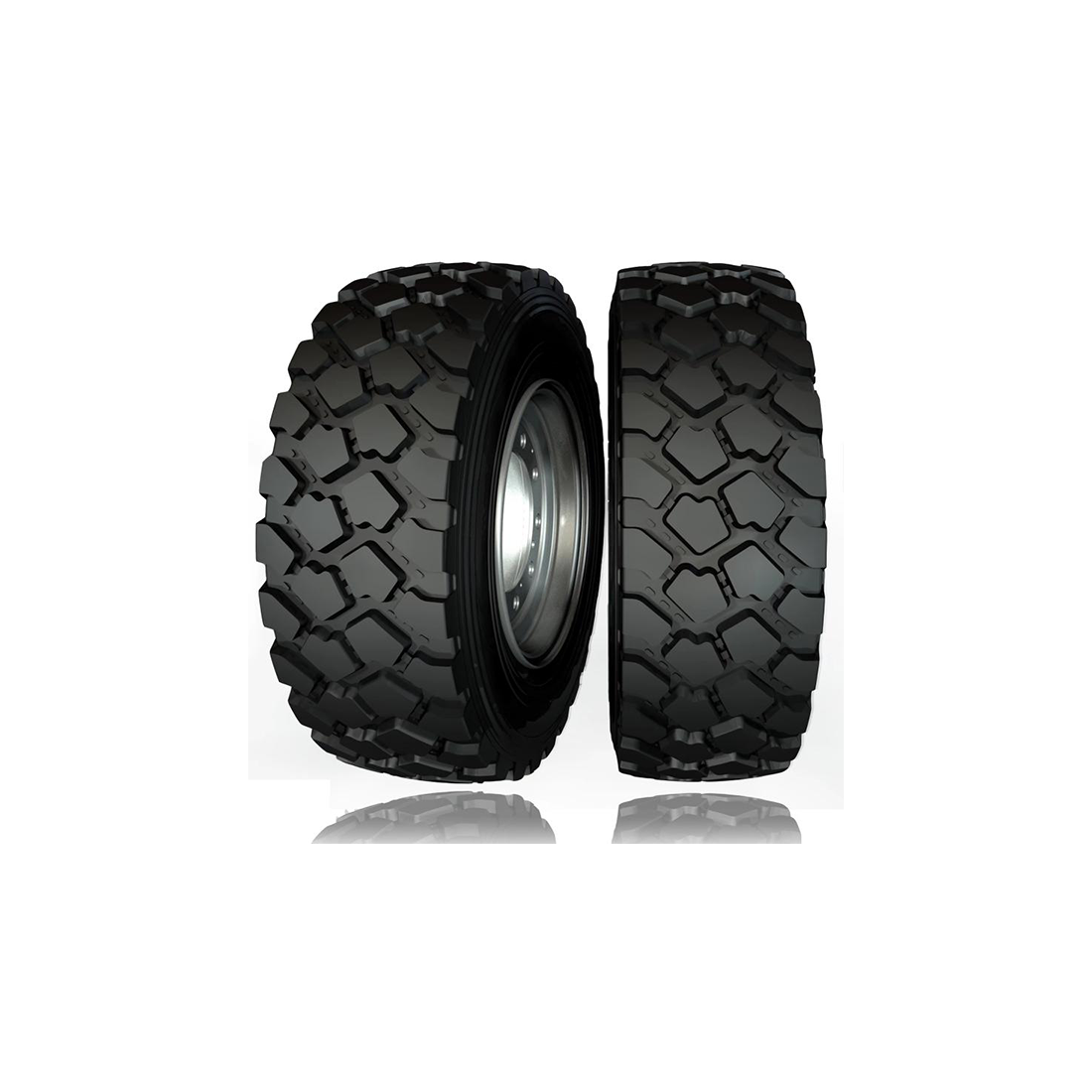
High-speed travel presents unique challenges for vehicle safety, particularly when tire failures occur at critical moments. Run-flat tires have emerged as a revolutionary solution that significantly reduces risks associated with sudden tire pressure loss during highway driving. These specialized tires enable vehicles to continue operating safely even after experiencing punctures or pressure loss, providing drivers with essential time and distance to reach safe stopping locations. Understanding how run-flat tires function and their safety benefits during high-speed scenarios is crucial for fleet operators, military personnel, and safety-conscious drivers who frequently travel on highways and challenging terrain.
Understanding Run-Flat Tire Technology and Construction
Reinforced Sidewall Design Principles
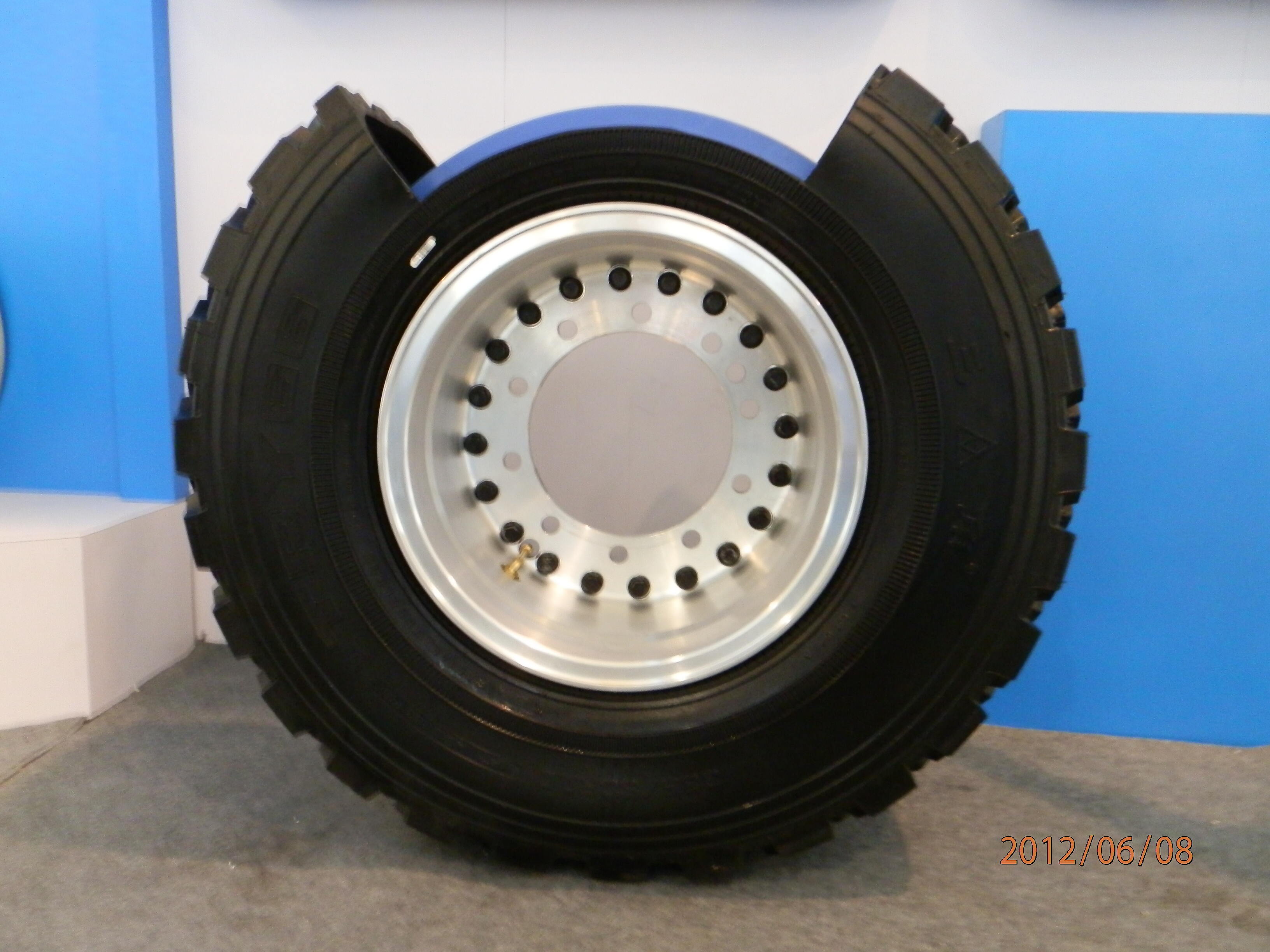
The foundation of run-flat tires lies in their reinforced sidewall construction, which differs dramatically from conventional tire designs. These tires feature strengthened sidewall compounds and internal support structures that maintain structural integrity even when air pressure drops to zero. The reinforced sidewalls are typically 50% thicker than standard tires and incorporate specialized rubber compounds that resist heat buildup during deflated operation. This enhanced construction allows run-flat tires to support vehicle weight without relying solely on air pressure, creating a temporary but effective support system during emergencies.
Advanced manufacturing techniques integrate multiple layers of high-strength materials within the sidewall structure. These materials include aramid fibers, steel belts, and specialized polymer compounds that work together to distribute load forces evenly across the tire surface. The result is a tire that can maintain its shape and provide adequate traction even when operating at zero pressure, ensuring continued vehicle control during high-speed scenarios.
Load-Bearing Capacity During Pressure Loss
Run-flat tires are engineered to carry substantial loads even after complete pressure loss, typically supporting the full vehicle weight for distances up to 50 miles at speeds up to 50 mph. This load-bearing capacity is achieved through the integration of internal support rings and reinforced bead areas that create multiple load paths within the tire structure. The design ensures that weight distribution remains balanced across all four contact points, preventing dangerous handling characteristics that could lead to loss of vehicle control.
The load capacity calculations for run-flat tires consider various factors including vehicle weight, speed limitations, and environmental conditions. Engineers design these tires to handle emergency situations while maintaining acceptable performance levels that allow drivers to navigate safely to repair facilities or secure locations. This capability is particularly valuable during high-speed travel when immediate tire changes are dangerous or impossible.
Safety Advantages During High-Speed Emergency Situations
Maintaining Vehicle Stability and Control
One of the most critical safety benefits of run-flat tires during high-speed travel is their ability to maintain vehicle stability when tire pressure is lost. Conventional tires experience immediate deflation that can cause sudden steering wheel jerking, vehicle pulling, and potential loss of control at highway speeds. Run-flat tires eliminate these dangerous reactions by maintaining their structural shape and continuing to provide predictable handling characteristics even after punctures occur.
The stability provided by run-flat tires allows drivers to maintain their lane position and execute controlled braking maneuvers without the dramatic vehicle dynamics changes associated with conventional tire failures. This stability is particularly crucial on highways where sudden vehicle movements can trigger multi-vehicle accidents or cause drivers to lose control while attempting emergency lane changes.
Extended Safe Driving Distance Capabilities
The extended driving capability of run-flat tires provides essential safety margins during high-speed travel scenarios. Unlike conventional tires that require immediate stopping when punctured, run-flat tires allow drivers to continue traveling at reduced speeds for predetermined distances. This capability is invaluable on highways where safe stopping locations may be miles away or in situations where stopping immediately would create additional safety hazards.
During high-speed travel, the ability to drive 50 miles on a deflated run-flat tire means drivers can reach the next service station, exit ramp, or safe parking area without risking roadside tire changes in dangerous traffic conditions. This extended capability significantly reduces exposure to secondary accidents that often occur when vehicles are disabled on busy highways or in adverse weather conditions.
Performance Characteristics Under Various Speed Conditions
Heat Management and Thermal Stability
Run-flat tires incorporate advanced heat management systems to handle the increased thermal loads generated during deflated operation at various speeds. The specialized rubber compounds used in run-flat tires are formulated to resist heat buildup and maintain their structural properties even under the extreme conditions created by operating without air pressure. These compounds include heat-resistant polymers and cooling additives that help dissipate thermal energy more effectively than conventional tire materials.
Thermal stability becomes increasingly important during high-speed scenarios where run-flat tires must manage the additional heat generated by increased rolling resistance and flexing action. The tire's ability to maintain structural integrity while managing thermal loads ensures that performance remains predictable and safe throughout the emergency driving period, preventing catastrophic failures that could occur with inadequately designed alternatives.
Traction and Braking Performance Maintenance
Despite operating without air pressure, run-flat tires maintain acceptable levels of traction and braking performance that enable safe vehicle operation during emergency situations. The reinforced sidewall design ensures that the tire's contact patch remains relatively consistent, providing adequate friction for steering inputs and braking forces. This maintained performance is crucial during high-speed scenarios where drivers need reliable vehicle response to navigate safely through traffic or execute emergency maneuvers.
Advanced tread compounds in run-flat tires are specifically formulated to maintain grip characteristics across various operating conditions, including deflated states. These compounds provide consistent traction on both dry and wet surfaces, ensuring that drivers retain the ability to control their vehicles effectively even when operating on compromised tires during high-speed travel situations.
Integration with Modern Vehicle Safety Systems
Tire Pressure Monitoring System Compatibility
Modern run-flat tires work seamlessly with advanced tire pressure monitoring systems (TPMS) to provide real-time information about tire condition during high-speed travel. These integrated systems immediately alert drivers when pressure loss occurs, allowing them to adjust their driving behavior accordingly while taking advantage of the run-flat tire's extended capability. The TPMS integration ensures that drivers are aware of tire conditions and can make informed decisions about speed reduction and destination planning.
The compatibility between run-flat tires and vehicle safety systems extends beyond basic pressure monitoring to include integration with stability control, anti-lock braking, and traction management systems. This comprehensive integration ensures that all vehicle safety systems continue to function effectively even when operating on deflated run-flat tires, maintaining the full spectrum of available safety technologies during emergency scenarios.
Electronic Stability Control Enhancement
Run-flat tires enhance the effectiveness of electronic stability control systems by providing predictable handling characteristics even during tire pressure loss events. The consistent performance of run-flat tires allows stability control systems to function as designed, applying appropriate braking forces and engine management inputs to maintain vehicle control. This synergy between tire technology and electronic systems creates a comprehensive safety network that significantly reduces the risks associated with high-speed tire failures.
The predictable nature of run-flat tires enables electronic stability systems to provide more precise interventions when needed. Since the tire's handling characteristics remain relatively stable even when deflated, the vehicle's computer systems can calculate and apply appropriate corrections more accurately, resulting in improved overall safety performance during challenging driving situations.
Applications in Military and Commercial Fleet Operations
Military Vehicle Requirements and Benefits
Military applications place extreme demands on tire performance, particularly during high-speed tactical operations where tire failures could compromise mission success or personnel safety. Run-flat tires provide military vehicles with the ability to continue operations even after sustaining tire damage from hostile fire, debris, or challenging terrain conditions. The extended mobility provided by run-flat tires can be the difference between successful mission completion and dangerous exposure in hostile environments.
Military run-flat tires are specifically designed to handle the unique requirements of armored vehicles, tactical trucks, and emergency response vehicles that must maintain operational capability under extreme conditions. These specialized tires incorporate additional protection features and enhanced load-bearing capabilities that exceed civilian requirements, ensuring reliable performance in the most demanding operational scenarios.
Commercial Fleet Safety Improvements
Commercial fleet operations benefit significantly from run-flat tires through reduced roadside assistance calls, improved driver safety, and enhanced operational reliability. Fleet managers report substantial improvements in safety metrics when run-flat tires are implemented across their vehicle populations, particularly for vehicles that frequently operate on highways or in remote areas where immediate assistance may not be available.
The safety improvements extend beyond individual vehicle performance to include reduced risks for maintenance personnel and other drivers who would otherwise be exposed to dangers associated with roadside tire changes. Run-flat tires enable commercial drivers to reach safe service locations rather than attempting repairs in hazardous roadside conditions, significantly reducing the incidence of secondary accidents and personnel injuries.
Cost-Benefit Analysis and Long-Term Safety Value
Emergency Response and Maintenance Cost Reduction
While run-flat tires typically require higher initial investment compared to conventional tires, the safety benefits and reduced emergency response costs often justify the additional expense. Fleet operators report significant reductions in roadside assistance calls, emergency towing charges, and vehicle downtime associated with tire-related incidents. The ability of run-flat tires to provide extended mobility reduces the need for immediate emergency response in many situations, allowing for planned maintenance rather than costly emergency interventions.
The long-term cost benefits include reduced insurance claims related to tire failure incidents, lower liability exposure from roadside accidents, and improved operational efficiency through reduced vehicle downtime. These financial advantages, combined with the enhanced safety benefits, create a compelling business case for run-flat tire adoption in safety-critical applications and high-mileage fleet operations.
Risk Mitigation and Insurance Considerations
Insurance providers increasingly recognize the safety benefits of run-flat tires and may offer premium reductions or enhanced coverage terms for vehicles equipped with these advanced tire systems. The reduced risk profile associated with run-flat tires translates to lower probability of claims related to tire failure incidents, creating potential insurance savings that help offset the higher initial tire costs.
Risk mitigation extends beyond direct tire-related incidents to include reduced liability exposure from accidents caused by sudden tire failures during high-speed travel. The predictable performance of run-flat tires during emergency situations helps prevent the cascading effects that can result from conventional tire failures, including multi-vehicle accidents and secondary incidents involving emergency responders or good Samaritan assistance.
FAQ
How fast can I drive on run-flat tires after pressure loss?
Most run-flat tires are designed to operate safely at speeds up to 50 mph after complete pressure loss. This speed limitation is established to manage heat buildup and ensure structural integrity throughout the extended driving period. Exceeding this speed can cause premature tire failure and compromise safety, so it's essential to reduce speed immediately upon detecting pressure loss and maintain the manufacturer's recommended speed limits until reaching a safe service location.
What distance can I travel on deflated run-flat tires?
Standard run-flat tires typically provide extended mobility for approximately 50 miles after complete pressure loss when driven at appropriate speeds. However, this distance can vary based on factors including vehicle weight, driving conditions, ambient temperature, and road surface conditions. It's important to plan your route to reach the nearest service facility within this distance limitation and avoid unnecessary driving that could compromise the tire's structural integrity.
Do run-flat tires require special wheel rims or vehicle modifications?
Run-flat tires are typically designed to work with standard wheel rims, though some applications may benefit from specialized rim designs that provide additional support during deflated operation. Most passenger vehicles can accommodate run-flat tires without modifications, but it's essential to ensure proper fitment and compatibility with your vehicle's tire pressure monitoring system. Commercial and military applications may require specific rim configurations to maximize the performance benefits of run-flat tire technology.
Can run-flat tires be repaired after operating while deflated?
Run-flat tires that have been operated in a deflated condition generally cannot be repaired and must be replaced due to potential internal structural damage that may not be visible during external inspection. The heat and stress generated during deflated operation can compromise the tire's internal components, making repair unsafe even if the original puncture appears minor. It's recommended to replace any run-flat tire that has been driven while deflated, regardless of the apparent condition or distance traveled.
Table of Contents
- Understanding Run-Flat Tire Technology and Construction
- Safety Advantages During High-Speed Emergency Situations
- Performance Characteristics Under Various Speed Conditions
- Integration with Modern Vehicle Safety Systems
- Applications in Military and Commercial Fleet Operations
- Cost-Benefit Analysis and Long-Term Safety Value
- FAQ