
 EN
EN
 AR
AR
 BG
BG
 FR
FR
 DE
DE
 HI
HI
 IT
IT
 JA
JA
 KO
KO
 PL
PL
 PT
PT
 RU
RU
 ES
ES
 SV
SV
 TL
TL
 ID
ID
 LV
LV
 LT
LT
 SR
SR
 UK
UK
 VI
VI
 TH
TH
 TR
TR
 FA
FA
 AF
AF
 HY
HY
 AZ
AZ
 KA
KA
 BN
BN
 LA
LA
 MN
MN
 SO
SO
 MY
MY
 KK
KK
 UZ
UZ
 KU
KU
 KY
KY
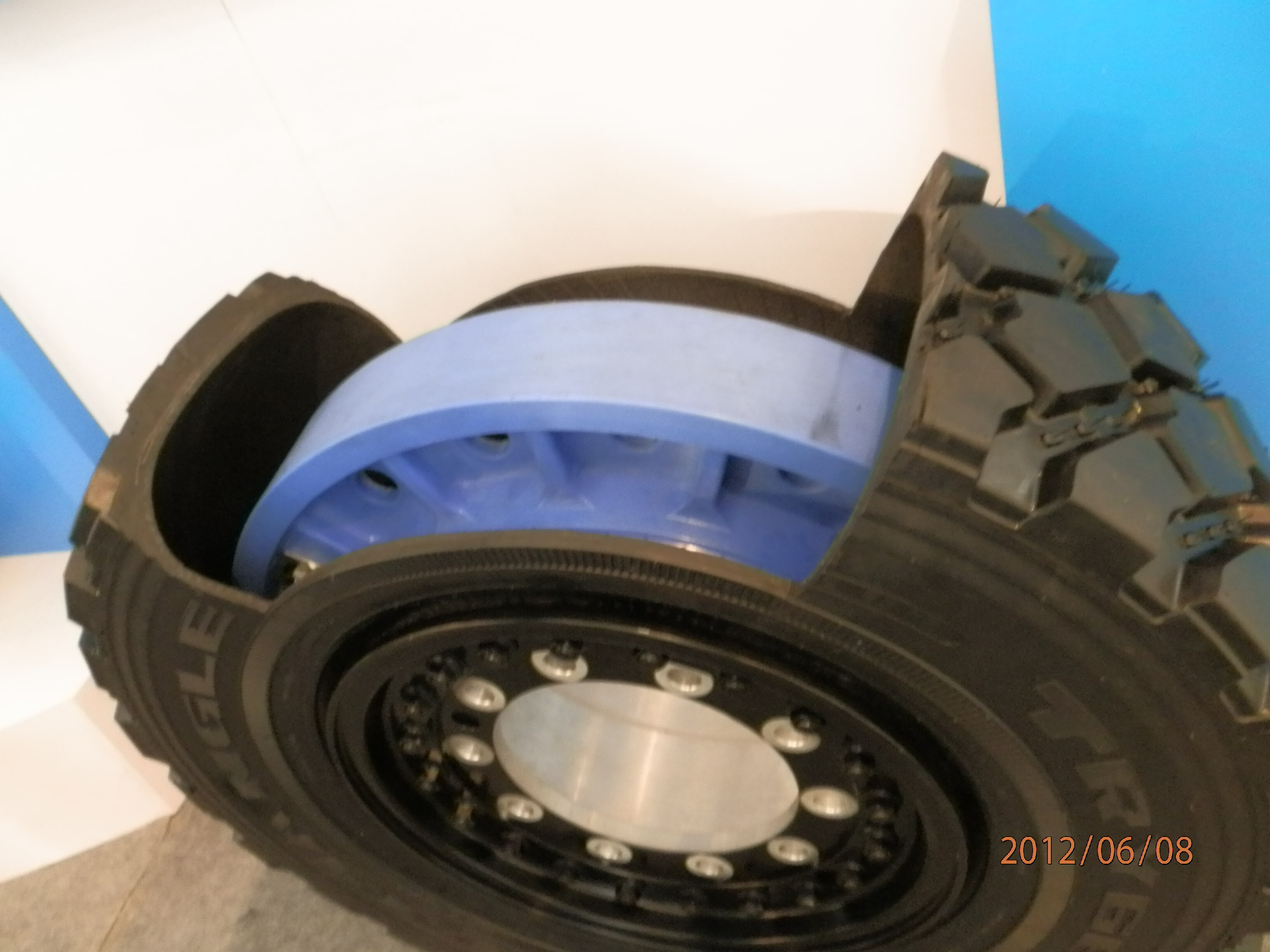
Military operations demand exceptional performance from every component, and military tire systems represent one of the most critical aspects of vehicle mobility and mission success. The rigorous environments faced by military vehicles require specialized tire construction that can withstand extreme conditions, heavy loads, and potential combat damage. Understanding the materials and manufacturing processes behind these robust tire systems provides insight into how modern military forces maintain operational readiness in challenging terrain and hostile environments.
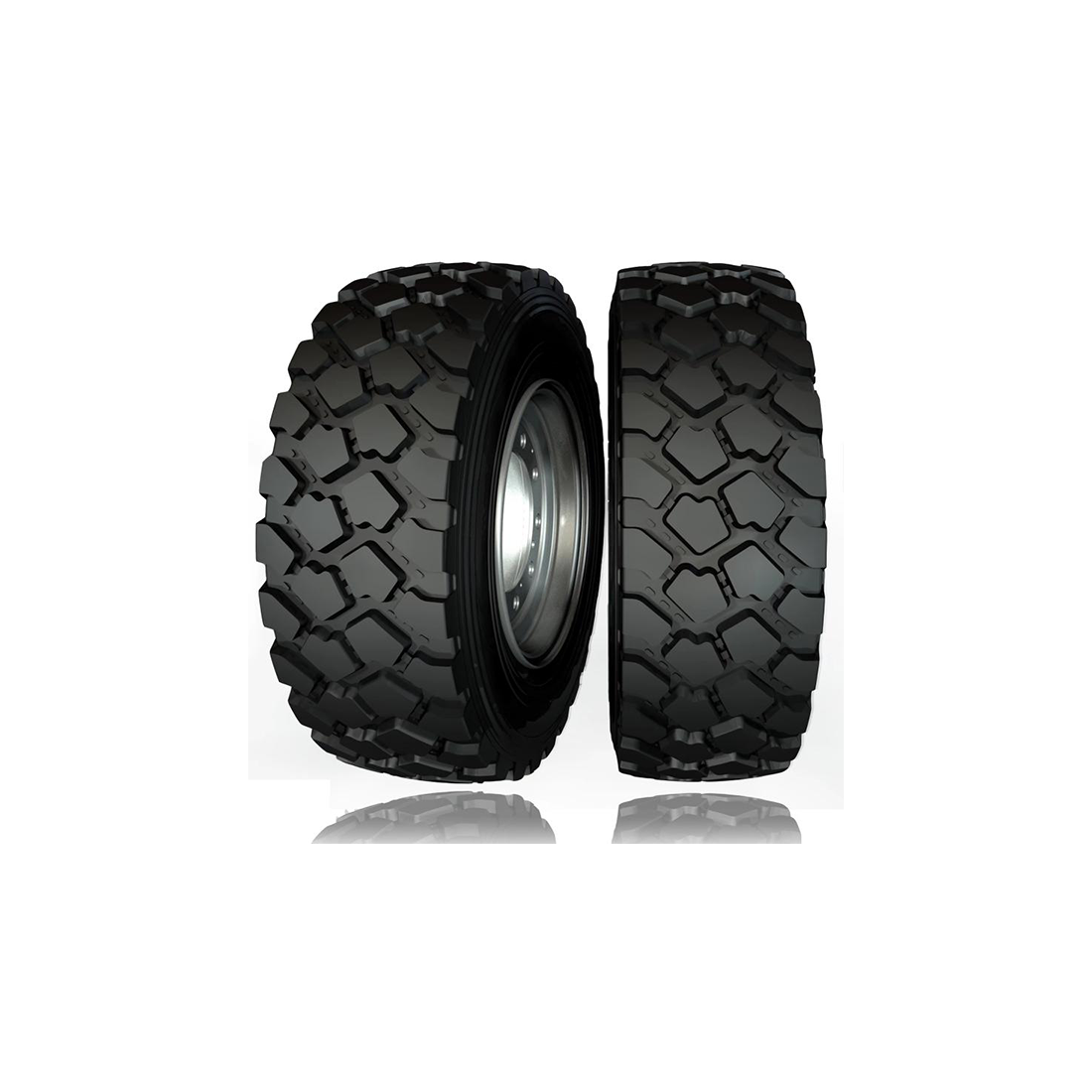
Advanced Rubber Compounds in Military Applications
Synthetic Rubber Technologies
Modern military tire manufacturing relies heavily on advanced synthetic rubber compounds that provide superior performance characteristics compared to natural rubber alternatives. These specialized compounds incorporate styrene-butadiene rubber (SBR) and polybutadiene rubber (BR) to create a foundation that delivers exceptional durability and temperature resistance. The synthetic nature of these materials allows manufacturers to precisely control molecular structure and chemical properties, resulting in military tire products that maintain flexibility in extreme cold while resisting degradation in intense heat.
The formulation process involves carefully balanced ratios of different synthetic polymers to achieve optimal performance metrics. Military tire engineers utilize computer-aided design and molecular modeling to predict how these rubber compounds will behave under various stress conditions. This scientific approach ensures that each military tire meets stringent military specifications for load capacity, speed ratings, and environmental resistance while maintaining the reliability required for mission-critical applications.
Specialized Chemical Additives
Chemical additives play a crucial role in enhancing the performance characteristics of military tire rubber compounds. Carbon black serves as the primary reinforcing agent, providing structural integrity and improving wear resistance through its interaction with rubber polymers. The particle size and surface area of carbon black directly influence the final properties of the military tire, with smaller particles offering better reinforcement but potentially affecting processing characteristics.
Antioxidants and anti-ozonants are essential components that protect military tire materials from environmental degradation. These chemical compounds prevent the breakdown of rubber chains when exposed to oxygen, ozone, and ultraviolet radiation during extended deployments. Military operations often involve prolonged exposure to harsh environmental conditions, making these protective additives critical for maintaining tire performance throughout the service life of military vehicles.
Steel Reinforcement Systems and Construction
High-Strength Steel Belt Technology
The steel belt system in military tire construction utilizes high-tensile steel cords that provide exceptional strength and dimensional stability under heavy loads. These steel belts are manufactured from specially alloyed steel wire with tensile strengths exceeding 2800 MPa, significantly higher than civilian tire applications. The steel cords undergo precise heat treatment processes to achieve optimal balance between strength and flexibility, ensuring the military tire can handle sudden impacts and irregular terrain without compromising structural integrity.
Multiple steel belt layers are strategically positioned within the tire carcass to distribute loads evenly and prevent belt separation under extreme conditions. The angle and direction of steel cord placement follow computer-optimized patterns that maximize the military tire's ability to resist punctures while maintaining uniform contact with various surface types. This sophisticated belt construction enables military vehicles to operate effectively across diverse terrain conditions while carrying substantial payload weights.
Specialized Steel Alloy Composition
Military tire steel reinforcement employs specialized alloy compositions that incorporate elements such as manganese, chromium, and vanadium to enhance performance characteristics. These alloying elements improve the steel's resistance to fatigue and corrosion while maintaining the flexibility required for dynamic loading conditions. The precise metallurgical composition is tailored to military specifications that account for extreme temperature variations and potential exposure to corrosive substances during field operations.
The manufacturing process for military tire steel components includes controlled cooling rates and stress relief treatments that eliminate internal tensions within the metal structure. This careful processing ensures that the steel reinforcement maintains consistent performance throughout the operational life of the military tire, even when subjected to repeated stress cycles and temperature fluctuations that would cause failure in conventional steel applications.
Textile Reinforcement Materials and Technologies
High-Performance Fabric Systems
Textile reinforcement in military tire construction utilizes advanced synthetic fibers including polyester, nylon, and aramid materials that provide exceptional strength-to-weight ratios. These high-performance fabrics form the carcass structure that supports the tire's shape and distributes forces throughout the military tire assembly. Polyester cords offer excellent dimensional stability and low stretch characteristics, while nylon provides superior impact resistance and fatigue performance under dynamic loading conditions.
The weaving patterns and cord density of textile reinforcements are precisely engineered to optimize military tire performance across multiple operational parameters. Advanced textile processing techniques create fabric layers with controlled porosity and adhesion characteristics that promote strong bonding with rubber compounds. This integration between textile and rubber components ensures that the military tire maintains structural integrity even when subjected to severe deformation or partial damage during combat operations.
Aramid Fiber Integration
Aramid fibers represent the pinnacle of textile reinforcement technology in military tire applications, offering exceptional cut and puncture resistance while maintaining flexibility. These synthetic polymers exhibit tensile strengths comparable to steel while providing significantly reduced weight and improved fatigue resistance. Military tire manufacturers integrate aramid fibers in critical areas where puncture resistance is paramount, creating zones of enhanced protection without compromising overall tire flexibility.
The incorporation of aramid reinforcement requires specialized adhesion systems that create molecular-level bonding between the synthetic fibers and rubber matrix. This advanced bonding technology ensures that the aramid reinforcement functions as an integral part of the military tire structure rather than simply embedded foreign material. The result is a tire system that can withstand ballistic impacts and sharp object penetration while maintaining operational capability for emergency evacuation or mission completion.
Run-Flat Technology and Materials Innovation
Insert Technology and Materials
Run-flat military tire systems incorporate specialized insert materials that maintain vehicle mobility even after complete air pressure loss. These inserts utilize advanced polymer compounds that combine load-bearing capability with heat dissipation properties, enabling continued operation at reduced speeds for extended distances. The insert material must balance sufficient hardness to support vehicle weight while maintaining enough flexibility to prevent damage to the wheel rim during run-flat operation.
Modern run-flat insert designs feature complex geometries with integrated cooling channels that manage heat buildup during extended run-flat operations. The polymer materials used in these inserts undergo extensive testing to validate performance under various load conditions and environmental temperatures. Military tire run-flat systems must provide reliable mobility for tactical withdrawal or mission completion when conventional tire repair is not possible due to combat conditions or remote deployment locations.
Heat Management Systems
Heat management represents a critical challenge in run-flat military tire design, as operation without air pressure generates significant thermal energy that can degrade tire materials. Advanced heat dissipation systems incorporate specially formulated rubber compounds with enhanced thermal conductivity and temperature resistance. These materials maintain their structural properties at elevated temperatures while facilitating heat transfer away from critical tire components.
Thermal management also involves strategic placement of heat-resistant materials in high-stress areas of the military tire structure. Computer thermal modeling guides the selection and positioning of these specialized compounds to optimize heat distribution and prevent localized hot spots that could lead to tire failure. This comprehensive approach to thermal management ensures that run-flat military tire systems can operate effectively even under the extreme conditions encountered during emergency mobility situations.
Environmental Resistance and Durability Features
Chemical Resistance Properties
Military tire materials must resist degradation from exposure to various chemicals including fuels, lubricants, cleaning solvents, and potential chemical warfare agents. Specialized rubber formulations incorporate chemical resistance additives that create molecular barriers preventing harmful substances from penetrating the tire structure. These protective compounds maintain their effectiveness throughout the service life of the military tire while preserving the mechanical properties required for normal operation.
The development of chemical-resistant military tire compounds involves extensive laboratory testing with standardized chemical exposure protocols that simulate field conditions. Materials scientists evaluate polymer chain stability and cross-link density changes when exposed to various chemical agents over extended periods. This rigorous testing ensures that military tire performance remains consistent even in contaminated environments where chemical exposure is unavoidable during mission execution.
UV and Ozone Protection Systems
Ultraviolet radiation and ozone exposure pose significant threats to rubber-based military tire components, particularly during extended outdoor storage or deployment in high-altitude environments. Advanced stabilizer systems incorporate UV absorbers and ozone-resistant compounds that prevent polymer chain scission and surface cracking. These protective additives function at the molecular level to neutralize harmful radiation effects while maintaining the flexibility and strength characteristics of the military tire.
Long-term environmental exposure testing validates the effectiveness of UV and ozone protection systems under accelerated aging conditions that simulate years of field service. Military tire manufacturers conduct extensive weathering studies to ensure that protective additives remain effective throughout the expected service life while maintaining compatibility with other tire components. This comprehensive protection system enables military vehicles to maintain operational readiness even after prolonged deployment in challenging environmental conditions.
Quality Control and Testing Protocols
Material Verification Procedures
Quality control in military tire manufacturing begins with rigorous incoming material inspection procedures that verify chemical composition, mechanical properties, and consistency of all raw materials. Each batch of rubber compounds, steel reinforcement, and textile components undergoes comprehensive testing to ensure compliance with military specifications. Advanced analytical techniques including spectroscopy and chromatography provide detailed material characterization that validates supplier compliance and identifies potential quality issues before production.
Statistical process control methods monitor material properties throughout the manufacturing process to maintain consistency and identify trends that could affect military tire performance. Real-time quality monitoring systems track critical parameters including compound viscosity, cure characteristics, and dimensional tolerances to ensure that each tire meets stringent military requirements. This comprehensive approach to quality control minimizes the risk of field failures and maintains the reliability standards essential for military operations.
Performance Validation Testing
Military tire performance validation involves extensive testing protocols that simulate actual operating conditions including high-speed endurance, load capacity, impact resistance, and environmental exposure. These tests utilize specialized equipment that can replicate the severe conditions encountered during military operations while providing precise measurement of tire performance parameters. Testing protocols follow established military standards that define minimum performance requirements for various vehicle applications and mission profiles.
Field testing represents the final validation phase where military tire prototypes undergo evaluation on actual military vehicles under operational conditions. This real-world testing provides essential feedback regarding tire performance, durability, and reliability that cannot be fully replicated in laboratory environments. The integration of field test data with laboratory results ensures that military tire designs meet the demanding requirements of modern military operations while providing the safety margins necessary for mission success.
FAQ
What makes military tire materials different from civilian tire compounds?
Military tire materials incorporate specialized synthetic rubber compounds, high-strength steel reinforcement, and chemical additives specifically designed to withstand extreme conditions, heavy loads, and potential combat damage. These materials undergo more rigorous testing and quality control procedures compared to civilian tire applications, ensuring superior durability and reliability in demanding military environments.
How do run-flat military tire systems maintain mobility without air pressure?
Run-flat military tire systems utilize specialized polymer inserts and reinforced sidewall construction that can support vehicle weight even after complete air pressure loss. These systems incorporate heat management technologies and load-bearing materials that enable continued operation at reduced speeds for extended distances, providing critical mobility during emergency situations or combat operations.
What environmental factors do military tire materials need to resist?
Military tire materials must resist UV radiation, ozone exposure, extreme temperatures, chemical contamination, and various corrosive substances encountered during field operations. Advanced stabilizer systems and protective additives prevent material degradation while maintaining performance characteristics throughout extended deployment periods in challenging environmental conditions.
How long do military tire materials maintain their performance characteristics?
Military tire materials are designed to maintain performance characteristics for extended periods through the use of advanced polymer stabilizers, antioxidants, and protective compounds. Service life depends on operating conditions, load factors, and environmental exposure, but military specifications typically require materials to retain critical properties for several years of active service or extended storage periods.
Table of Contents
- Advanced Rubber Compounds in Military Applications
- Steel Reinforcement Systems and Construction
- Textile Reinforcement Materials and Technologies
- Run-Flat Technology and Materials Innovation
- Environmental Resistance and Durability Features
- Quality Control and Testing Protocols
-
FAQ
- What makes military tire materials different from civilian tire compounds?
- How do run-flat military tire systems maintain mobility without air pressure?
- What environmental factors do military tire materials need to resist?
- How long do military tire materials maintain their performance characteristics?