
 EN
EN
 AR
AR
 BG
BG
 FR
FR
 DE
DE
 HI
HI
 IT
IT
 JA
JA
 KO
KO
 PL
PL
 PT
PT
 RU
RU
 ES
ES
 SV
SV
 TL
TL
 ID
ID
 LV
LV
 LT
LT
 SR
SR
 UK
UK
 VI
VI
 TH
TH
 TR
TR
 FA
FA
 AF
AF
 HY
HY
 AZ
AZ
 KA
KA
 BN
BN
 LA
LA
 MN
MN
 SO
SO
 MY
MY
 KK
KK
 UZ
UZ
 KU
KU
 KY
KY
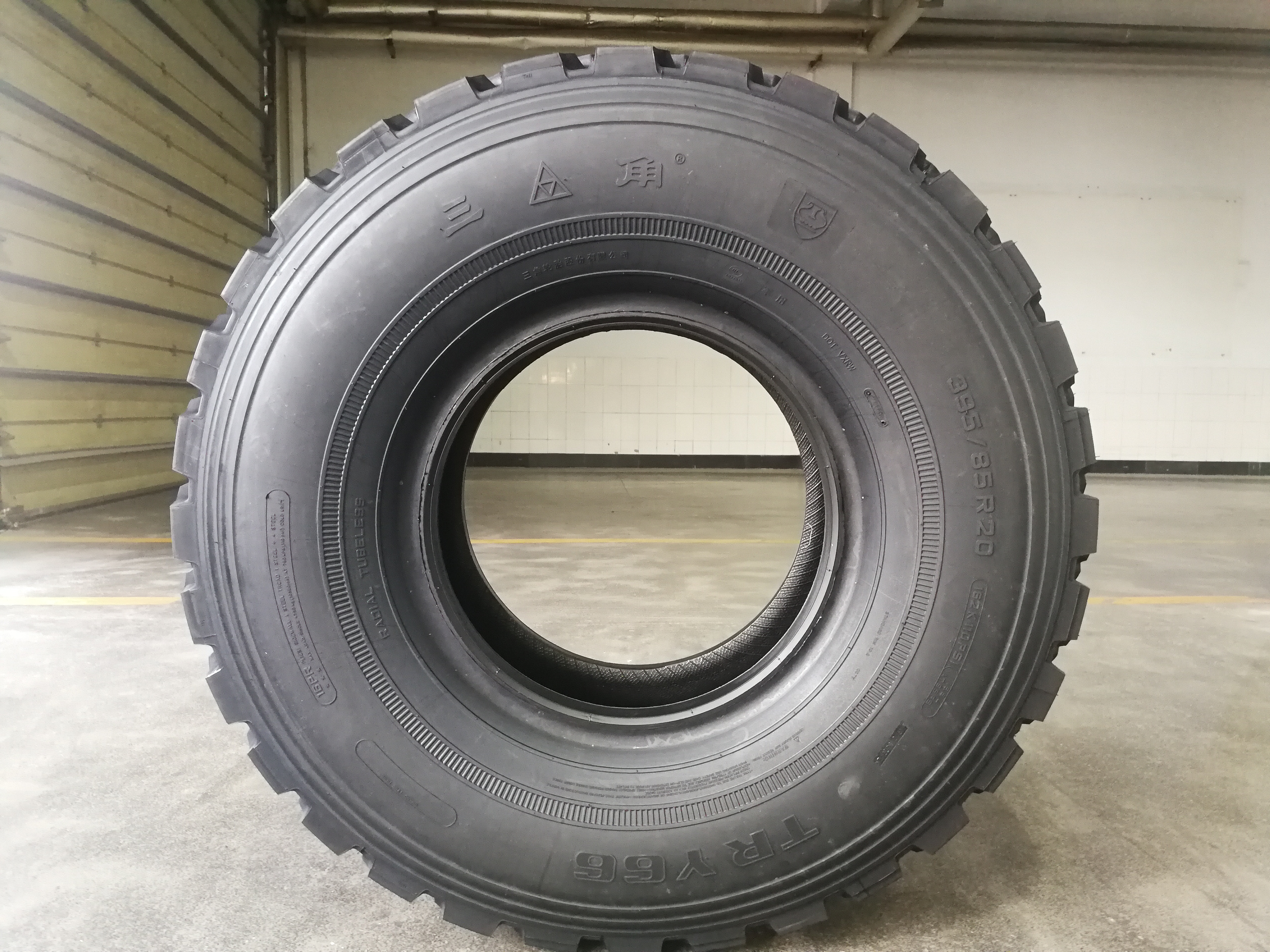
When selecting wheels for your vehicle, the choice between steel wheels and alloy wheels represents one of the most fundamental decisions affecting performance, aesthetics, and overall driving experience. Both wheel types serve the essential function of supporting your vehicle's weight and providing a mounting surface for tires, yet they differ significantly in construction materials, manufacturing processes, and practical applications. Understanding these differences enables drivers to make informed decisions based on their specific needs, budget constraints, and performance requirements.
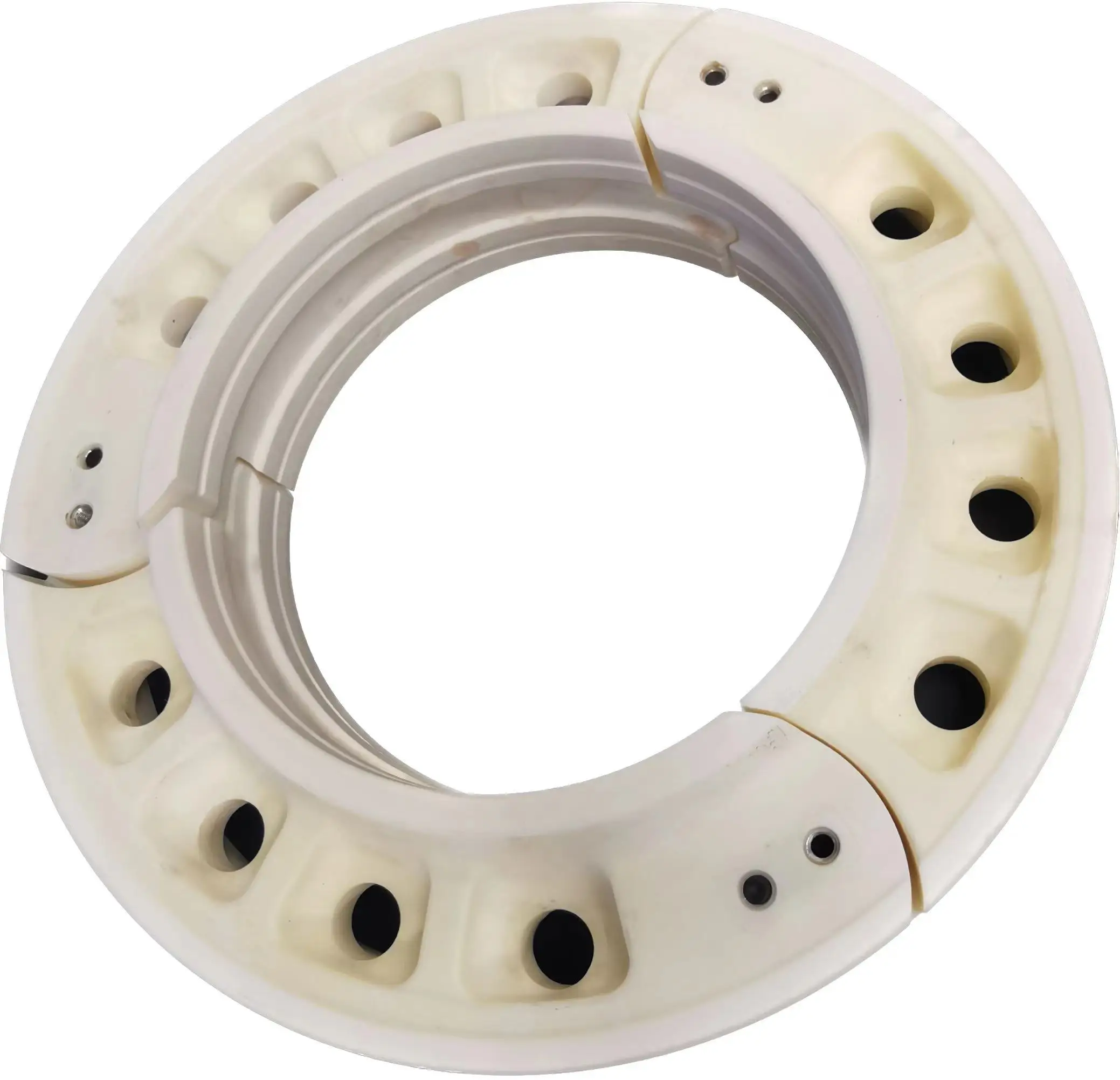
The automotive industry has witnessed significant evolution in wheel technology over the past several decades. While steel wheels dominated the market for many years due to their cost-effectiveness and durability, alloy wheels have gained substantial market share thanks to advances in metallurgy and manufacturing techniques. Modern vehicles increasingly feature alloy wheels as standard equipment, though steel wheels remain popular for specific applications including winter driving, commercial vehicles, and budget-conscious consumers.
Material Composition and Manufacturing Processes
Steel Wheel Construction
Steel wheels utilize carbon steel as their primary construction material, typically featuring a pressed steel design that combines the rim and center disc through welding processes. The manufacturing involves stamping individual components from steel sheets, then joining them using specialized welding techniques to create a robust, one-piece structure. This construction method results in wheels that exhibit exceptional strength and resistance to impact damage, making steel wheels particularly suitable for demanding driving conditions.
The steel composition typically includes various alloying elements designed to enhance specific properties such as corrosion resistance and tensile strength. Manufacturers often apply protective coatings including primer, paint, and sometimes powder coating to prevent rust formation and extend service life. The welding process creates permanent joints that distribute stress effectively throughout the wheel structure, contributing to the legendary durability associated with steel wheels.
Alloy Wheel Manufacturing
Alloy wheels employ aluminum as their base material, often combined with other metals including magnesium, nickel, and titanium to achieve desired mechanical properties. The manufacturing process typically involves casting or forging techniques, with casting being more common for mass production applications. During casting, molten aluminum alloy is poured into precision molds that define the wheel's final shape, including intricate spoke patterns and design elements.
Forged alloy wheels represent the premium segment of wheel manufacturing, utilizing intense pressure and heat to compress aluminum billets into wheel shapes. This process creates denser material structures with superior strength-to-weight ratios compared to cast alternatives. The manufacturing complexity allows for virtually unlimited design possibilities, enabling manufacturers to create wheels with complex geometries, multiple spoke configurations, and sophisticated aesthetic details.
Weight Characteristics and Performance Impact
Mass Distribution Effects
The weight differential between steel wheels and alloy alternatives significantly impacts vehicle performance across multiple parameters. Steel wheels typically weigh 40-60% more than comparable alloy wheels, with this additional mass concentrated at the vehicle's corners where it has maximum impact on suspension dynamics. The increased unsprung weight associated with steel wheels affects acceleration, braking performance, and suspension responsiveness, particularly noticeable during dynamic driving scenarios.
Rotational inertia represents another critical consideration when evaluating wheel weight. Heavier steel wheels require more energy to accelerate and decelerate, directly impacting fuel efficiency and performance metrics. This rotational mass effect becomes particularly pronounced during frequent stop-and-go driving conditions common in urban environments, where the engine must work harder to overcome the additional inertia.
Handling and Suspension Dynamics
Lighter alloy wheels enable suspension systems to respond more quickly to road surface irregularities, improving ride quality and handling precision. The reduced unsprung weight allows shock absorbers and springs to control wheel movement more effectively, resulting in better tire contact with the road surface. This improved suspension performance translates to enhanced traction, stability, and overall driving confidence, particularly important for performance-oriented vehicles.
Steel wheels, while heavier, provide certain advantages in specific applications. Their additional mass can contribute to improved straight-line stability at highway speeds, and the robust construction proves beneficial when encountering potholes, curbs, or other road hazards. Many commercial vehicle operators prefer steel wheels specifically because they can withstand abuse that might damage lighter alloy alternatives.
Durability and Maintenance Requirements
Impact Resistance and Repair Considerations
Steel wheels demonstrate superior resistance to impact damage compared to their alloy counterparts. When steel wheels encounter severe impacts, they typically bend rather than crack, often allowing for successful repair through specialized straightening equipment. This characteristic makes steel wheels particularly valuable for off-road applications, construction vehicles, and other demanding environments where wheel damage represents a constant risk.
The repair process for damaged steel wheels often proves more straightforward and cost-effective than alloy wheel repairs. Most tire shops possess the equipment necessary to straighten bent steel wheels, while alloy wheel repairs frequently require specialized facilities and expertise. Additionally, replacement steel wheels typically cost significantly less than alloy alternatives, making them attractive for fleet operators and budget-conscious consumers.
Corrosion Resistance and Longevity
Corrosion represents the primary weakness of steel wheels, particularly in environments with high salt exposure such as coastal regions or areas where road salt is used for winter de-icing. Despite protective coatings, steel wheels inevitably develop rust over time, especially around weld seams and areas where the coating has been damaged by road debris or minor impacts.
Alloy wheels demonstrate superior corrosion resistance due to aluminum's natural oxide layer formation, which provides protection against further oxidation. However, alloy wheels can suffer from galvanic corrosion when dissimilar metals are present, and they may develop white corrosion or pitting in severe environments. Regular cleaning and maintenance help preserve both wheel types, though steel wheels require more attention to prevent rust formation.
Cost Analysis and Value Proposition
Initial Purchase Considerations
The price differential between steel wheels and alloy wheels represents one of the most significant factors in consumer decision-making. Steel wheels typically cost 50-70% less than comparable alloy wheels, making them attractive for budget-conscious buyers, fleet operators, and applications where aesthetics take secondary importance to functionality. This cost advantage becomes particularly pronounced when purchasing complete wheel sets or replacement wheels following damage.
Manufacturing economies of scale favor steel wheels due to their simpler production processes and lower material costs. The ability to produce steel wheels using established stamping and welding techniques keeps production costs relatively low, while alloy wheel manufacturing requires more sophisticated equipment and higher-grade materials that drive up production expenses.
Long-term Ownership Costs
While steel wheels offer lower initial costs, the total cost of ownership equation becomes more complex when considering factors such as fuel consumption, maintenance requirements, and replacement frequency. The additional weight of steel wheels can negatively impact fuel economy, particularly in city driving conditions where frequent acceleration and deceleration cycles emphasize the rotational mass penalty.
Maintenance costs for steel wheels may be higher over time due to corrosion issues requiring periodic refinishing or replacement. However, their superior repairability often offsets these concerns, particularly in applications where wheel damage occurs frequently. Insurance considerations may also favor steel wheels, as their lower replacement costs can reduce comprehensive coverage premiums.
Aesthetic and Design Flexibility
Visual Appeal and Customization Options
Alloy wheels provide virtually unlimited design possibilities, enabling manufacturers to create intricate spoke patterns, multiple finish options, and sophisticated styling details that enhance vehicle aesthetics. The casting and forging processes used in alloy wheel production allow for complex three-dimensional shapes and precise detail work that would be impossible or prohibitively expensive using steel wheel manufacturing techniques.
Steel wheels traditionally featured simple, utilitarian designs focused on functionality rather than aesthetics. However, modern steel wheels increasingly incorporate styling elements including painted finishes, chrome plating, and decorative covers that improve their visual appeal while maintaining cost advantages. Some manufacturers offer steel wheels with sophisticated designs that challenge the perception of steel wheels as purely functional components.
Finishing Options and Personalization
The finish options available for alloy wheels far exceed those typically offered for steel wheels. Alloy wheels can feature polished surfaces, painted finishes in virtually any color, machined accents, and specialized coatings including chrome, powder coating, and anodizing. These finishing options allow vehicle owners to personalize their wheels to match specific aesthetic preferences or complement vehicle color schemes.
Steel wheels generally offer more limited finishing options, though recent advances have expanded the available choices. Modern steel wheels may feature multi-stage paint processes, textured finishes, and even chrome plating, though these options typically add significant cost that erodes the traditional price advantage of steel wheels over basic alloy alternatives.
Application-Specific Considerations
Winter Driving and Seasonal Use
Many automotive experts recommend steel wheels for winter tire applications due to their superior resistance to salt corrosion and impact damage from road hazards concealed by snow and ice. The lower cost of steel wheels makes them practical for seasonal tire changes, allowing vehicle owners to preserve expensive alloy wheels while using dedicated winter tire and wheel combinations.
The robust construction of steel wheels proves particularly valuable during winter months when potholes and road damage become more prevalent. Their ability to withstand impacts that might crack or severely damage alloy wheels makes steel wheels the preferred choice for many drivers in harsh winter climates, despite any aesthetic compromises.
Commercial and Fleet Applications
Fleet operators frequently specify steel wheels for commercial vehicles due to their durability, repairability, and cost-effectiveness. The demanding nature of commercial vehicle operations, including frequent loading and unloading, varied road conditions, and high annual mileage, favors the practical advantages of steel wheels over the aesthetic benefits of alloy alternatives.
Emergency service vehicles, delivery trucks, and utility vehicles commonly employ steel wheels because their operational requirements prioritize reliability and cost-effectiveness over appearance. The ability to quickly and inexpensively repair or replace damaged steel wheels proves crucial for maintaining fleet availability and controlling operational costs.
Performance Vehicle Applications
Racing and High-Performance Use
High-performance and racing applications almost exclusively utilize alloy wheels due to their weight advantages and superior heat dissipation properties. The reduced unsprung weight of alloy wheels improves suspension performance, enhances braking system effectiveness, and contributes to better overall vehicle dynamics crucial for competitive motorsports applications.
Professional racing series often mandate specific wheel construction standards that favor advanced alloy materials and manufacturing techniques. The ability to incorporate complex cooling vanes, lightweight spoke designs, and specialized mounting hardware makes alloy wheels the clear choice for serious performance applications where every gram of weight reduction provides competitive advantages.
Brake System Compatibility
Modern high-performance brake systems generate significant heat that must be effectively dissipated to maintain optimal performance and component longevity. Alloy wheels typically feature designs that promote airflow through and around brake components, while their superior thermal conductivity compared to steel helps transfer heat away from critical brake system components.
Large brake caliper and rotor combinations common on performance vehicles often require specific wheel designs with adequate clearance and proper offset specifications. The design flexibility of alloy wheels enables manufacturers to accommodate these requirements while maintaining optimal fitment and performance characteristics that would be difficult or impossible to achieve with traditional steel wheel designs.
FAQ
How much weight difference exists between steel wheels and alloy wheels of the same size
The weight difference between steel wheels and alloy wheels typically ranges from 5-15 pounds per wheel, depending on the specific size and design. A standard 16-inch steel wheel might weigh 25-30 pounds, while a comparable alloy wheel could weigh 18-22 pounds. This 30-40% weight reduction per wheel translates to 20-60 pounds of total weight savings for a complete set, significantly impacting vehicle performance and fuel efficiency.
Can steel wheels be safely repaired after impact damage
Steel wheels can often be successfully repaired after minor to moderate impact damage through professional wheel straightening services. The malleable nature of steel allows skilled technicians to reshape bent wheels using hydraulic presses and specialized equipment. However, severely damaged wheels with cracks, deep gouges, or structural compromise should be replaced rather than repaired to ensure safety and proper performance.
Which wheel type provides better value for winter driving conditions
Steel wheels generally provide better value for winter driving due to their lower cost, superior impact resistance, and reduced susceptibility to salt corrosion damage. The harsh conditions of winter driving, including hidden potholes, road debris, and corrosive de-icing chemicals, favor the practical advantages of steel wheels. Many drivers purchase inexpensive steel wheels specifically for winter tire mounting, preserving expensive alloy wheels during the harshest driving months.
Do alloy wheels require special maintenance procedures compared to steel wheels
Alloy wheels benefit from more frequent cleaning using specialized wheel cleaners designed for aluminum alloys, avoiding harsh chemicals that can damage protective coatings or cause discoloration. While alloy wheels resist corrosion better than steel wheels, they require gentle handling during tire mounting and dismounting to prevent scratching or gouging. Steel wheels tolerate more aggressive cleaning methods and handling but require regular inspection and touch-up painting to prevent rust formation, particularly around weld seams and damaged areas.