Szybkie rozprzestrzenianie się bezpilotowych statków powietrznych stwarza bezprecedensowe wyzwania bezpieczeństwa w sektorach wojskowym, komercyjnym i cywilnym. W miarę jak technologia dronów staje się coraz bardziej dostępna i zaawansowana, tradycyjne mechanizmy obrony często okazują się niewystarczające przeciwko tym zwinnym zagrożeniom lotniczym. System laserowy system przeciwdronowy reprezentuje nowoczesne rozwiązanie, które oferuje precyzję, skuteczność i opłacalność w neutralizowaniu nieupoważnionych dronów. Te zaawansowane platformy obronne wykorzystują technologię energii skierowanej do wyłączania lub niszczenia wrogich bezpilotowych statków powietrznych z zadziwiającą dokładnością i minimalnym ryzykiem uszkodzeń ubocznych.
Nowoczesne działania wojenne i operacje bezpieczeństwa wymagają innowacyjnych podejść do zwalczania pojawiających się zagrożeń. Ewolucja wojny dronami fundamentalnie zmieniła charakter pola walki, wymuszając rozwój systemów obronnych potrafiących natychmiastowo reagować na szybko poruszające się cele o małym przekroju. Laserowe środki przeciwdziałania stały się przełomową technologią, oferując siłom wojskowym i służbom bezpieczeństwa bezprecedensowe możliwości w zakresie przechwytywania dronów i ochrony przestrzeni powietrznej.
Główną zaletą laserowych systemów anty-dronów jest ich wyjątkowa dokładność w celowaniu. W przeciwieństwie do konwencjonalnych broni opartych na pociskach lub środków wybuchowych, systemy laserowe mogą skupiać energię z precyzją na określonych komponentach drona. Takie chirurgiczne podejście pozwala operatorom na wyłączanie krytycznych systemów, takich jak silniki napędu, czujniki nawigacyjne czy moduły komunikacyjne, bez powodowania powszechnego zniszczenia ani narażania personelu i infrastruktury w pobliżu.
Średnica wiązki zaawansowanych systemów laserowych może być kontrolowana i dostosowywana w zależności od specyfikacji celu i wymagań operacyjnych. Ta elastyczność umożliwia operatorom stosowanie dokładnie takiej ilości energii, która jest potrzebna do unieszkodliwienia zagrożenia, minimalizując przy tym niepotrzebne uszkodzenia otoczenia. Czynnik dokładności staje się szczególnie ważny w środowiskach miejskich lub na terenach obiektów wrażliwych, gdzie szkody uboczne muszą być unikane niemal całkowicie.
Zaawansowane platformy laserowe do zwalczania dronów wykorzystują zaawansowane algorytmy identyfikacji i klasyfikacji celów, umożliwiające protokoły selektywnego angażowania. Systemy te potrafią odróżnić autoryzowane od nieautoryzowanych statków powietrznych, zapewniając, że legalne drony czy statki powietrzne z załogą nie zostaną przypadkowo zaatakowane. Możliwość podejmowania błyskawicznych decyzji na podstawie parametrów oceny zagrożenia znacząco zmniejsza ryzyko incydentów polegających na ostrzale przyjaznym lub przypadkowym zaangażowaniu cywilnych statków powietrznych.
Możliwość selektywnego angażowania obejmuje również scenariusze wieloceLOWe, w których operatorzy mogą priorytetować zagrożenia według bliskości, toru lotu lub potencjalnej oceny szkód. Takie inteligentne podejście do wyboru celów zapewnia optymalne wykorzystanie zasobów i maksymalizuje skuteczność operacji obronnych przeciw atakom rojowym lub koordynowanym najazdom dronów.
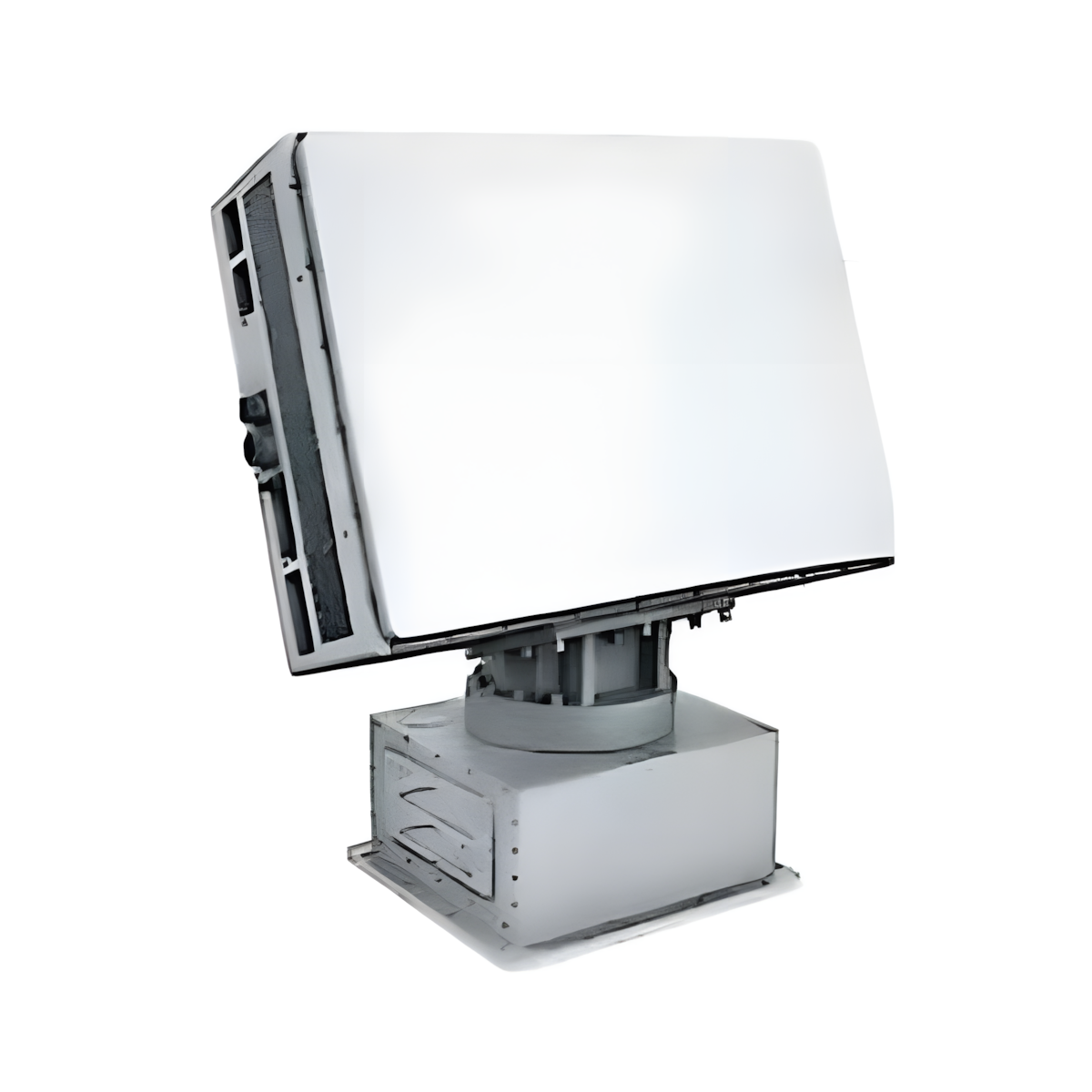
Tradycyjne kinetyczne systemy przeciwlotnicze polegają na drogich pociskach lub amunicji, których koszt pojedynczego starcia może wynosić tysiące dolarów. W porównaniu do nich system laserowy przeciw dronom działania wymagają jedynie energii elektrycznej, co znacząco obniża koszt pojedynczego strzału. Ta przewaga ekonomiczna staje się szczególnie istotna podczas długotrwałych operacji lub gdy jednocześnie występuje wiele zagrożeń ze stroną dronów.
Wyeliminowanie logistyki amunicji oraz zależności od łańcucha dostaw dodatkowo zwiększa efektywność operacyjną pod względem kosztów. Jednostki wojskowe i organizacje bezpieczeństwa mogą utrzymywać ciągłe możliwości obronne, nie martwiąc się o uzupełnianie zapasów amunicji, wymaganiach składowania czy zarządzaniu zapasami. Ten samowystarczalny model operacyjny zmniejsza obciążenia logistyczne i umożliwia długotrwałe działania obronne w trudno dostępnych lub spornych obszarach.
Systemy laserowe oferują praktycznie nieograniczoną pojemność rażenia, ograniczoną jedynie dostępnością zasilania i wymaganiami chłodzenia. W przeciwieństwie do systemów opartych na pociskach, które posiadają ograniczoną ilość amunicji, platformy laserowe mogą rażać wiele celów w szybkim tempie bez opóźnień związanych z przeładowywaniem. Ta zdolność okazuje się nieoceniona w przypadku ataków rojowych lub trwającej działalności dronów szpiegowskich, które wymagają ciągłych odpowiedzi obronnych.
Szybki cykl rażenia systemów laserowych pozwala operatorom reagować na wiele zagrożeń w ciągu kilku sekund, znacząco poprawiając ogólną skuteczność obrony. Możliwość natychmiastowego przełączania się między celami daje przewagę taktyczną w dynamicznych środowiskach zagrożeń, gdzie wzorce działania dronów i kierunki ataków mogą szybko ulec zmianie.
Jedną z najważniejszych zalet taktycznych laserowych systemów przeciwdronowych jest ich praktycznie całkowita cicha praca. W przeciwieństwie do tradycyjnego uzbrojenia, które generuje charakterystyczne dźwięki wystrzału, systemy laserowe działają przy minimalnym poziomie hałasu. Ta cecha skutkuje utrudnieniem wykrycia lokalizacji pozycji obronnych przez wroga na podstawie dźwięku oddanego strzału, co zapewnia bezpieczeństwo operacyjne oraz ukrycie pozycji.
Możliwość cichej pracy staje się szczególnie wartościowa podczas operacji niejawnych, misji sił specjalnych lub w sytuacjach, w których zachowanie niskiego profilu jest kluczowe dla powodzenia misji. Jednostki wojskowe mogą eliminować zagrożenia dronowe, nie ujawniając swojej obecności ani nie ostrzegając pobliskich sił wroga o swoich możliwościami obronnymi i lokalizacji.
Tradycyjne systemy oparte na pociskach tworzą trajektorie balistyczne, które mogą być śledzone i analizowane przez wrogi system obserwacji. Promienie laserowe, działające z prędkością światła, zapewniają natychmiastowe zwalczanie celów bez tworzenia wykrywalnych torów lotu. Ta cecha czyni niemal niemożliwym dla przeciwnika wyśledzenie źródła ognia obronnego lub zastosowanie środków przeciwko systemom laserowym.
Zmniejszone ryzyko wykrycia dotyczy również sygnatur radarowych i podczerwonych, ponieważ systemy laserowe zazwyczaj generują minimalne emisje elektromagnetyczne w porównaniu do konwencjonalnych platform uzbrojenia. Ten niskowykrywalny profil zwiększa przeżywalność i zmniejsza prawdopodobieństwo uderzeń odwetowych w pozycje obronne.
Mechanizm dostarczania o światłowej szybkości, który jest nieodłącznym elementem technologii laserowej, zapewnia bezprecedensowe możliwości szybkości działania. Od chwili wykrycia celu do jego unieszkodliwienia systemy laserowe do zwalczania dronów potrafią zakończyć cykl zaangażowania w ułamkach sekundy. Taki krótki czas reakcji ma kluczowe znaczenie podczas walki z szybkimi dronami lub niespodziewanymi atakami, które pozostawiają minimalny czas na reakcję sił obronnych.
Natychmiastowy charakter zaangażowania laserowego eliminuje konieczność obliczeń wyprzedzenia i przewidywania toru lotu, wymaganych przy użyciu tradycyjnej broni. Operatorzy mogą bezpośrednio atakować cele wzdłuż linii widzenia, bez konieczności kompensowania czasu lotu pocisku czy wpływu czynników środowiskowych wpływających na dokładność broni balistycznej.
Zaawansowane systemy laserowe mogą szybko przełączać się między wieloma celami, atakując kilka dronów w odstępie kilku sekund. Ta zdolność do działania na wielu celach naraz rozwiązuje jeden z najtrudniejszych aspektów współczesnej wojny dronowej: koordynowane ataki stadem mające na celu przeciążenie tradycyjnych systemów obrony punktowej. Możliwość szybkiego zaangażowania wielu celów znacząco poprawia ogólną skuteczność obrony przeciwko złożonym schematom ataków.
Możliwość szybkiego przełączania się między celami pozwala również systemom laserowym na ponowne zaangażowanie celów, które mogły przetrwać pierwsze uderzenia lub wymagają dodatkowego nasycenia energią w celu pełnego unieszkodliwienia. Ta trwałość działania zapewnia wyższe prawdopodobieństwo unieszkodliwienia i zmniejsza szansę, że kluczne dla misji drony osiągną swoje cele.
W przeciwieństwie do wielu systemów elektronicznych środków przeciwdziałania, które mogą być wpływowane przez warunki atmosferyczne, nowoczesne laserowe systemy antydrone'owe wykorzystują optykę adaptacyjną oraz technologie kompensacji warunków atmosferycznych, zapewniające skuteczność działania w różnych warunkach pogodowych. Systemy te mogą skutecznie działać przy lekkim deszczu, mgły czy pyłach, które mogłyby pogorszyć działanie innych technologii obronnych.
Niepodległość od warunków pogodowych gwarantuje spójne możliwości obronne niezależnie od sytuacji środowiskowej, dostarczając dowódcom wojskowym wiarygodnych środków ochrony, które skutecznie funkcjonują w zróżnicowanych obszarach operacyjnych i strefach klimatycznych. Ta niezawodność staje się szczególnie ważna w przypadku stałych instalacji i ochrony infrastruktury krytycznej, gdzie ciągła ochrona jest niezbędna.
Systemy laserowe do zwalczania dronów zazwyczaj wymagają mniejszego nakładu na konserwację w porównaniu z systemami uzbrojenia mechanicznego, posiadającymi ruchome części, mechanizmy obsługi amunicji oraz skomplikowane sekwencje wystrzału. Stała, bezruchoma natura wielu komponentów laserowych przekłada się na dłuższy czas użytkowania i mniejsze przestoje związane z konserwacją. Ten czynnik wiarygodności oznacza większą gotowość systemu oraz niższe koszty cyklu życia w długim okresie wdrożenia.
Uproszczony profil konserwacji zmniejsza również zapotrzebowanie na wyspecjalizowaną wiedzę techniczną podczas serwisowania w terenie, umożliwiając jednostkom wojskowym utrzymanie pełnej gotowości bojowej bez konieczności angażowania specjalistów czy posiadanania rozbudowanych zapasów części zamiennych. Ta prostota operacyjna ma dużą wartość w trudnych warunkach czy podczas długotrwałych wdrożeń, gdzie wsparcie techniczne może być ograniczone.
Nowoczesne systemy laserowe do zwalczania dronów są projektowane z możliwościami integracji sieciowej, umożliwiając płynne włączenie do szerszych sieci obrony powietrznej i struktur dowodzenia. Ta łączność pozwala na koordynowane działania obronne, w których wiele platform laserowych może w czasie rzeczywistym dzielić się informacjami celowania, ocenami zagrożeń oraz danymi koordynacji interwencji.
Możliwość integracji sieciowej obejmuje również współpracę z istniejącymi systemami radarowymi, platformami walki elektronicznej oraz infrastrukturą dowodzenia i kontroli. Ta interoperacyjność maksymalizuje skuteczność istniejących inwestycji obronnych, jednocześnie wzbogacając ogólną architekturę obronną o nowoczesne możliwości laserowe.
Systemy laserowe oferują skalowalne opcje wdrożenia, od przenośnych urządzeń przenoszonych przez człowieka po duże platformy instalacyjne. Ta skalowalność pozwala planistom wojskowym dostosować możliwości obronne do konkretnych poziomów zagrożeń i wymagań operacyjnych. Małe jednostki mogą wdrażać przenośne systemy laserowe do ochrony lokalnej, podczas gdy duże obiekty mogą wykorzystywać wysokomocne platformy zdolne do zwalczania celów na dużych odległościach.
Modułowa natura wielu laserowych systemów przeciwko dronom umożliwia rozbudowę poprzez dodatkowe moduły zasilania, ulepszoną optykę lub zaawansowane systemy celownicze. Taka ścieżka modernizacji zapewnia, że inwestycje w obronę pozostają aktualne i skuteczne w miarę ewolucji zagrożeń oraz zmieniających się wymagań.
Systemy laserowe do zwalczania dronów wykazują różną skuteczność w zależności od rozmiaru drona, materiałów konstrukcyjnych i cech lotu. Małe drony cywilne z elementami plastиковymi są zazwyczaj szybko neutralizowane ze względu na lekką konstrukcję i wrażliwe elektroniki. Większe drony wojskowe z odpornymi komponentami mogą wymagać dłuższego czasu działania lub wyższych mocy, jednak pozostają podatne na uszkodzenia krytycznych systemów sterowania i czujników spowodowane promieniowaniem laserowym. Skuteczność zależy również od zasięgu, warunków atmosferycznych oraz konkretnej mocy wyjściowej systemu obronnego.
Wymagania dotyczące mocy dla laserowych systemów przeciwdronowych różnią się znacznie w zależności od rozmiaru systemu, mocy wyjściowej oraz czasu działania. Przenośne systemy zazwyczaj wymagają 5-10 kilowatów mocy elektrycznej, podczas gdy większe stacjonarne platformy mogą potrzebować 50-100 kilowatów lub więcej. Większość systemów wyposażona jest w efektywne zarządzanie energią i systemy chłodzenia w celu optymalizacji zużycia energii. Wiele platform może działać przy użyciu standardowych wojskowych źródeł zasilania, zestawów prądotwórczych lub dedykowanych systemów zasilania zaprojektowanych do zastosowań o wysokim poborze mocy.
Chociaż systemy laserowe mogą działać w wielu warunkach pogodowych, intensywne opady, gęsta mgła lub silne zakłócenia atmosferyczne mogą wpływać na ich wydajność poprzez rozpraszanie lub pochłanianie energii laserowej. Nowoczesne systemy wykorzystują adaptywne optyki oraz technologie kompensacji warunków atmosferycznych, aby zachować skuteczność w umiarkowanych warunkach pogodowych. Optymalna wydajność jest osiągana przy przejrzystych warunkach atmosferycznych, podczas gdy lekkie deszcze lub mgła mogą zmniejszyć zasięg działania, ale zazwyczaj nie uniemożliwiają skutecznego zwalczania celów w bliskim zasięgu.
Systemy laserowe do zwalczania dronów wymagają kompleksowych protokołów bezpieczeństwa, aby zapobiec przypadkowemu narażeniu personelu lub statków powietrznych na szkodliwe działanie energii laserowej. Te systemy zazwyczaj obejmują wiele blokad bezpieczeństwa, strefy zakazanej strzelania oraz mechanizmy automatycznego wyłączania, aby zapobiec niebezpiecznym narażeniom. Operatorzy wymagają specjalistycznego szkolenia w zakresie procedur bezpieczeństwa laserowego, a obszary wdrożenia muszą być starannie kontrolowane, aby upewnić się, że żaden nieupoważniony personel ani statek powietrzny nie wejdzie w potencjalną ścieżkę wiązki podczas działania. Większość wojskowych systemów zawiera zaawansowaną identyfikację celu, aby zapobiec atakowi na przyjazne statki powietrzne lub personel.
 Gorące wiadomości
 EN
EN
 AR
AR
 BG
BG
 FR
FR
 DE
DE
 HI
HI
 IT
IT
 JA
JA
 KO
KO
 PL
PL
 PT
PT
 RU
RU
 ES
ES
 SV
SV
 TL
TL
 ID
ID
 LV
LV
 LT
LT
 SR
SR
 UK
UK
 VI
VI
 TH
TH
 TR
TR
 FA
FA
 AF
AF
 HY
HY
 AZ
AZ
 KA
KA
 BN
BN
 LA
LA
 MN
MN
 SO
SO
 MY
MY
 KK
KK
 UZ
UZ
 KU
KU
 KY
KY