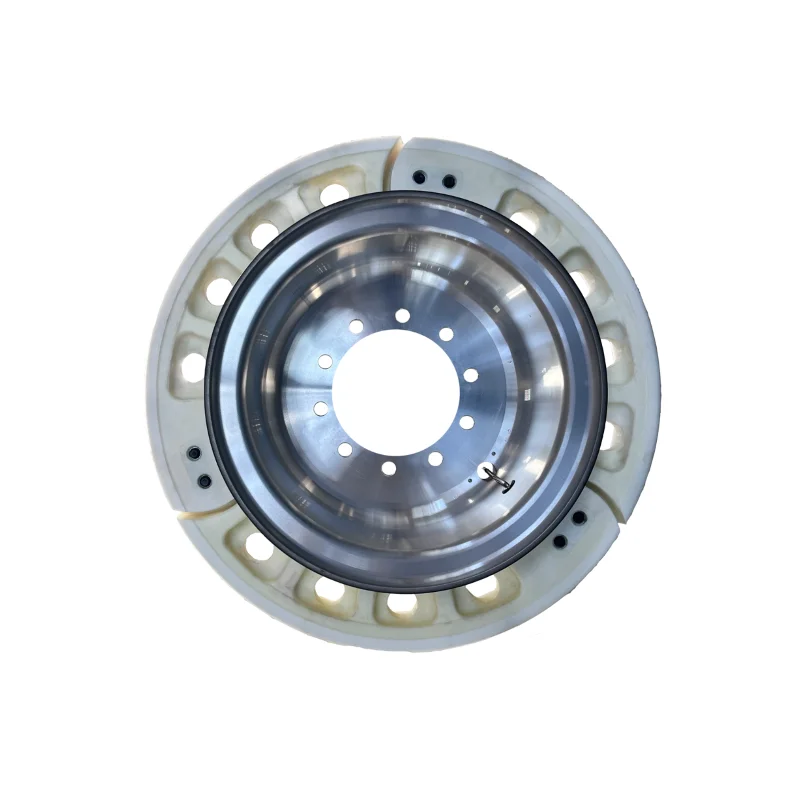
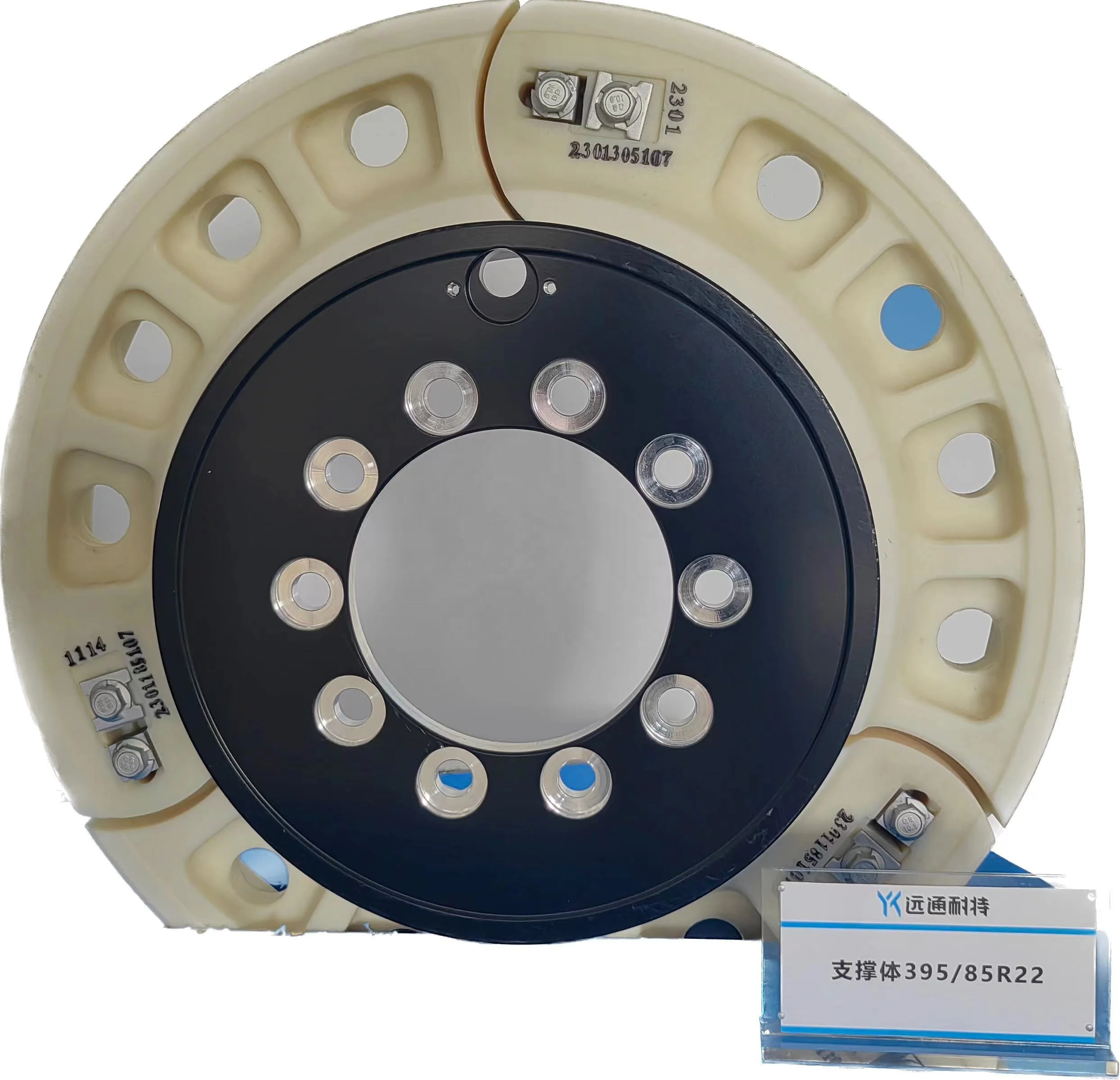
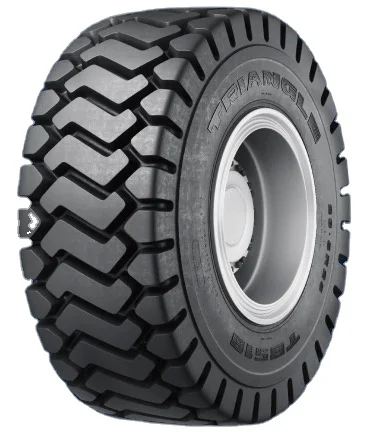
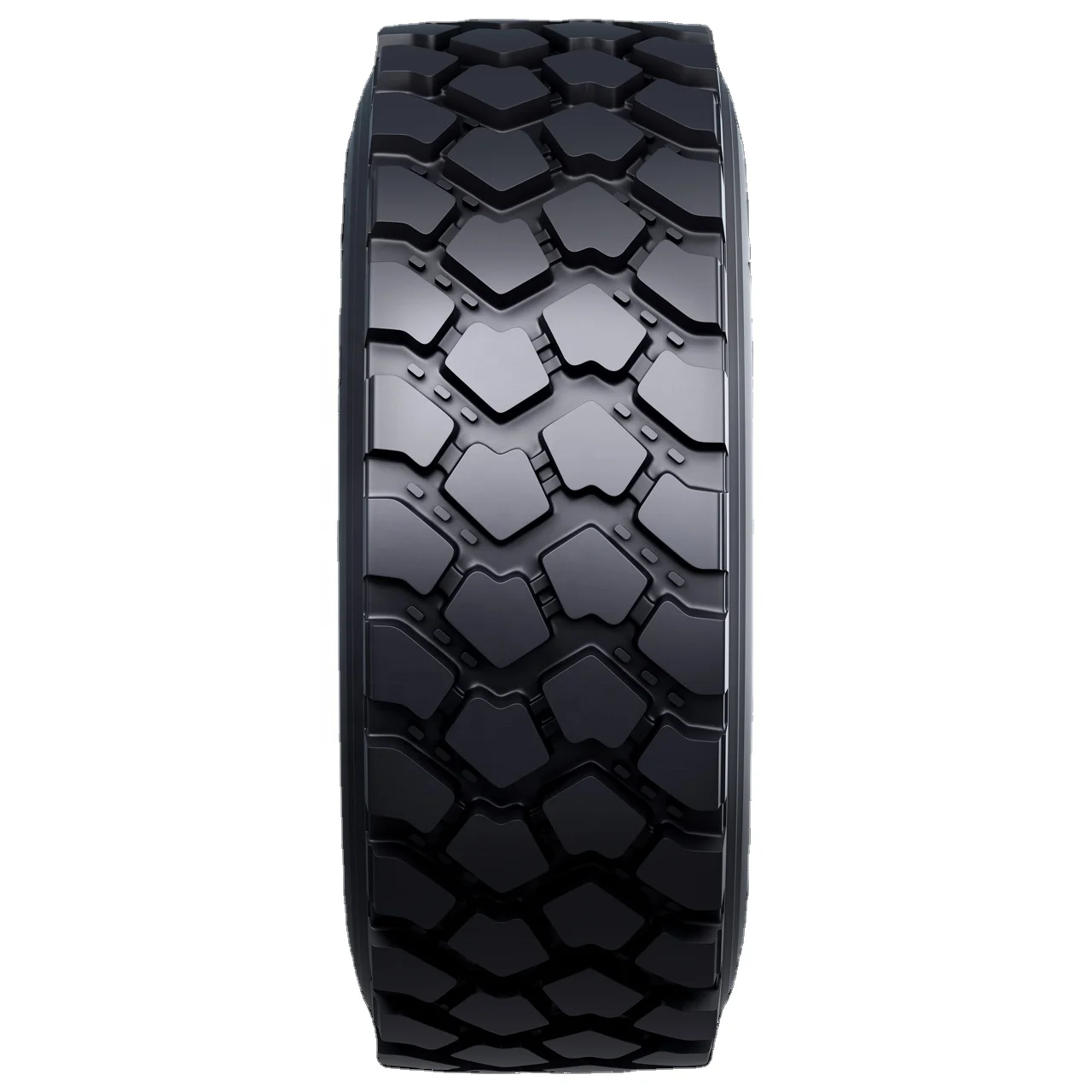
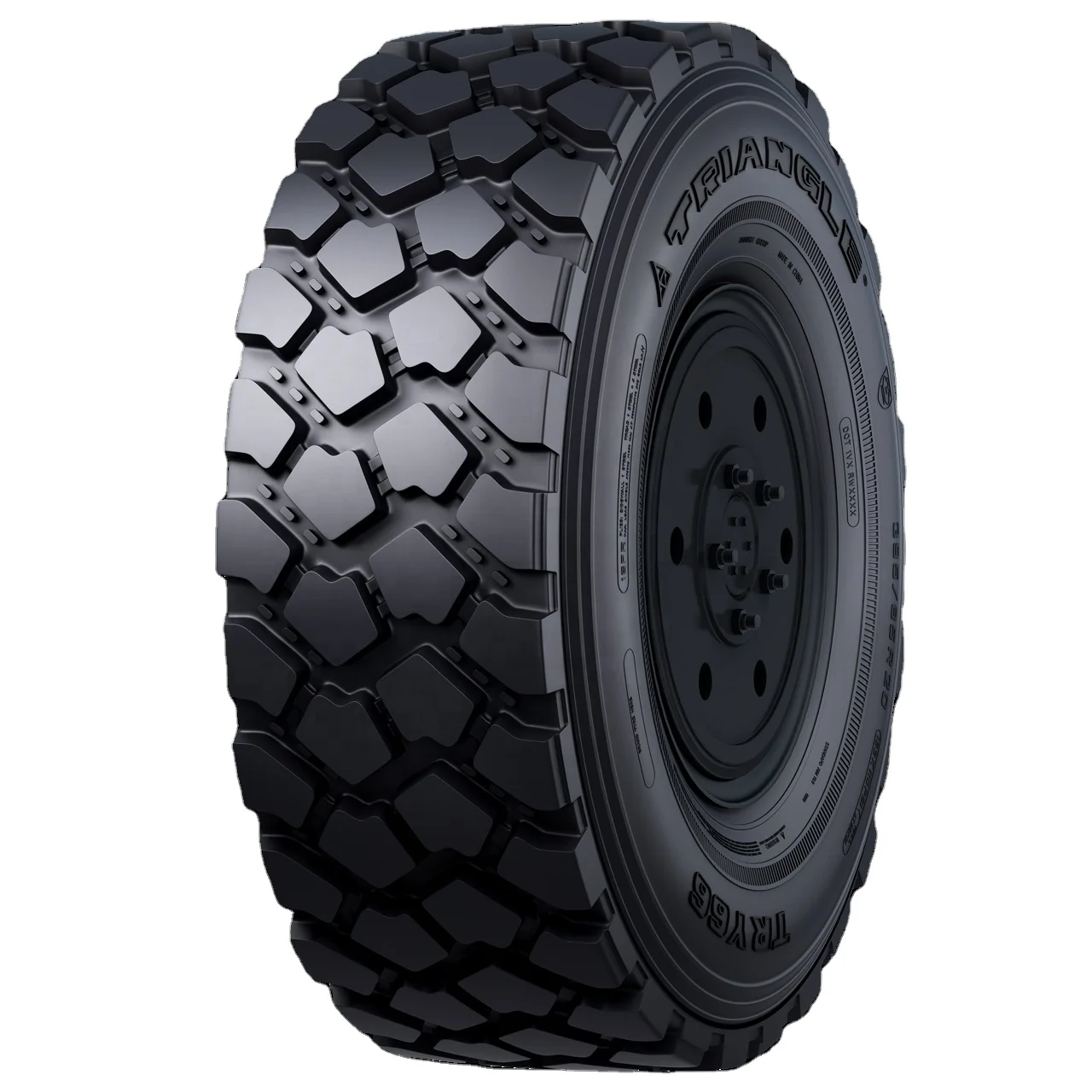
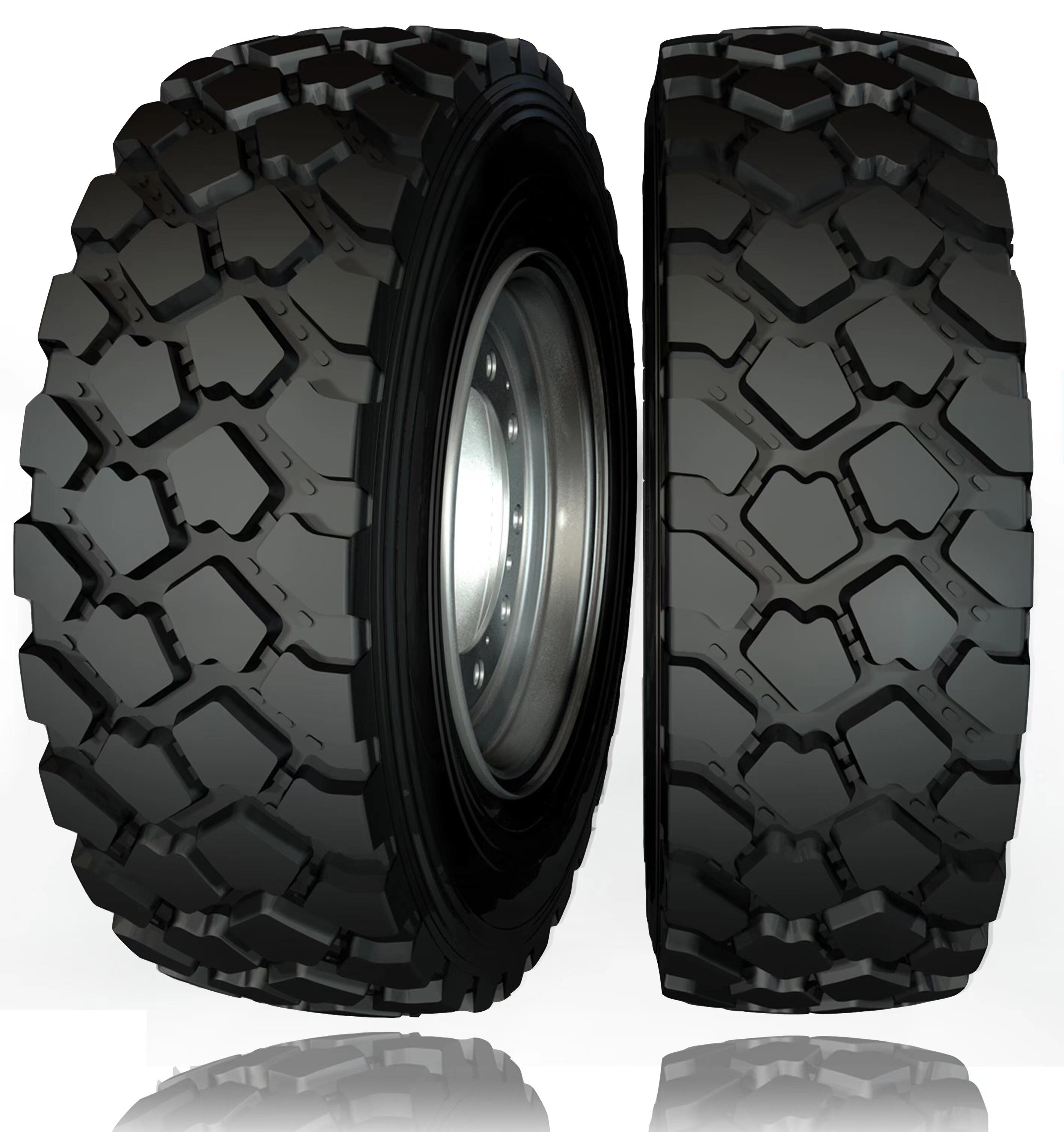
စစ်ရေးအသုံးပြု ကုန်တင်ကားဘီယာများနှင့် စီးပွားရေးလုပ်ငန်းအသုံးပြု အထူးခံနိုင်ရည်ရှိသော ဘီယာများအကြား အငြင်းပွားမှုများသည် စက်မှုလုပ်ငန်းများက စိန်ခေါ်မှုများပါဝင်သည့် ပတ်ဝန်းကျင်များအတွက် ပိုမိုခံနိုင်ရည်ရှိသော ဖြေရှင်းနည်းများကို လိုအပ်လာသည်နှင့်အမျှ ပိုမိုကြီးမားလာခဲ့သည်။ စစ်ရေးအသုံးပြု ဘီယာများကို အလွန်ပိုမိုဆိုးရောင်းသည့် အခြေအနေများ၊ တိုက်ပွဲဖြစ်ပွားမှုများနှင့် ပုံမှန်မဟုတ်သည့် လုပ်ဆောင်မှုများအတွက် ပျက်စီးမှုမရှိစေရန် အထူးဒီဇိုင်းထုတ်ထားပါသည်။ ဤအထူးသော ဘီယာစနစ်များတွင် ခေတ်မီပစ္စည်းများ၊ အားကောင်းသည့် ဘီယာဘေးဘက်အမျက်များနှင့် run-flat အသုံးပြုမှုအရ အရေးကြီးသည့် ယုံကြည်စိတ်ချရမှုကို အာမခံရန်အတွက် နည်းပညာများ ပါဝင်ပါသည်။ စစ်ရေးအသုံးပြု ဘီယာများနှင့် ၎င်းတို့၏ စီးပွားရေးလုပ်ငန်းအသုံးပြု ဘီယာများအကြား အခြေခံကွဲလွဲမှုများကို နားလည်ရန်အတွက် ဘီယာများ၏ အဆောက်အအိုအ်များ၊ စွမ်းဆောင်ရည်စံနှုန်းများနှင့် လက်တွေ့အသုံးပြုမှုများကို အသုံးပြုသည့် လုပ်ငန်းအများအပြားတွင် စုံစမ်းစစ်ဆေးရန် လိုအပ်ပါသည်။
စစ်ရေးအသုံးပြုသည့် လေထုဖိအားမှုကြောင့် ဖောင်းပေါက်နိုင်သည့် ဘောလုံးများ၏ တည်ဆောက်မှု ဒဿနံသည် စီးပွားရေးလုပ်ငန်းများတွင် အသုံးပြုသည့် ဘောလုံးများ၏ ထုတ်လုပ်မှုနှင့် အလွန်ကွဲပြားပါသည်။ စီးပွားရေးလုပ်ငန်းများတွင် အသုံးပြုသည့် အလေးချိန်များသည် စုစုပေါင်းစုံလင်မှုနှင့် စံသတ်မှတ်ချက်များအတိုင်း စွမ်းဆောင်ရည်ကို အဓိကထားပါသည်။ သို့သော် စစ်ရေးအသုံးပြုသည့် ဘောလုံးများ၏ ဒီဇိုင်းသည် အလွန်ပိုမိုကြီးမားသည့် ဖိအားအောက်တွင် အသက်ရှင်နေနိုင်မှုနှင့် လုပ်ဆောင်မှုများ ဆက်လက်ဖော်ထုတ်နိုင်မှုကို အဓိကထားပါသည်။ ဒီဇိုင်းပေးထားသည့် ဦးစားပေးမှုများတွင် အခြေခံကွဲပြားမှုများရှိခြင်းကြောင့် ဘောလုံးအများအပြားတွင် ကွဲပြားသည့် အားသာချက်များနှင့် အားနည်းချက်များ ရှိပါသည်။ စစ်ရေးအသုံးပြုသည့် အသိအမှတ်ပြုမှုများတွင် ဘောလုံးများသည် ပျက်စီးမှုများကို ခံနိုင်ရည်ရှိပြီး လုပ်ဆောင်နေနိုင်ရန် လိုအပ်ပါသည်။ ထို့ကြောင့် ဘောလုံးများ ပျက်စီးမှုကြောင့် အလွန်ကြီးမားသည့် အကျိုးဆက်များ ဖြစ်ပေါ်လာနိုင်သည့် အရေးကြီးသည့် အသုံးပြုမှုများတွင် အလွန်အသုံးဝင်ပါသည်။
စစ်ရေးအသုံးပြုသည့် ဘောင်ကြေးများတွင် ဓာတုပစ္စည်းများနှင့် ထိတွေ့မှု၊ အပူချိန်အလွန်များခြင်းနှင့် UV အလင်းရောင်များကြောင့် ပျက်စီးမှုကို ခံနိုင်ရည်ရှိသည့် အထူးပြုထားသည့် ရောင်းဘာပစ္စည်းများကို အသုံးပြုပါသည်။ ဤရောင်းဘာပစ္စည်းများတွင် စံနှုန်းအတိုင်း အသုံးပြုသည့် ကုန်ပစ္စည်းများထက် ပိုမိုခံနိုင်ရည်ရှိစေရန် စင်သေတ်တစ်ပစ္စည်းများနှင့် အပိုစွမ်းရည်များကို ထည့်သွင်းထားပါသည်။ စစ်ရေးအသုံးပြုသည့် ဘောင်ကြေးများတွင် အသုံးပြုသည့် ရောင်းဘာဓာတုဗေဒတွင် အပေါက်ဖောက်မှုကို ခံနိုင်ရည်ရှိသည့် အလွှာများနှင့် ကိုယ်တိုင်ပိုမိုပေးပို့နိုင်သည့် ဂုဏ်သတ္တိများကို ပါဝင်စေပါသည်။ ဤအဆင့်မြင့် ပစ္စည်းအင်ဂျင်နီယာပညာသည် စစ်ရေးအသုံးပြုသည့် ဘောင်ကြေးများသည် ဓာတုပစ္စည်းများနှင့် ပြင်ပေးသည့် အလွန်ပိုမိုဆိုးရောင်းသည့် ရာသီဥတုအခြေအနေများတွင် လည်းကောင်းစွာ အသုံးပြုနိုင်ရန် ဖွဲ့စည်းပုံအား ထိန်းသိမ်းပေးနိုင်ပါသည်။
စစ်ရေးအသုံးပြု ကုန်းလျှော့ချမှု ပစ္စည်းများ ထုတ်လုပ်ရေးလုပ်ငန်းစဉ်တွင် စီးပွားရေးလုပ်ငန်းများ၏ စံနှုန်းများထက် ပိုမိုတင်းကျပ်သော အရည်အသွေးထိန်းချုပ်မှုနှင့် စမ်းသပ်မှုများ ပါဝင်ပါသည်။ ရောဘာပစ္စည်းအုပ်စုတိုင်းသည် ဓာတုပိုင်းဆိုင်ရာ ခံနိုင်ရည်၊ ပုံစံထိန်းသိမ်းနိုင်မှုနှင့် အသက်ကြီးမှု ဂုဏ်သတ္တိများကို အတည်ပြုရန် စမ်းသပ်ခန်းအတွင်း အသေးစိတ် စုံစမ်းစမ်းသပ်မှုများ ပြုလုပ်ရပါသည်။ ပစ္စည်းရွေးချယ်မှုနှင့် အသုံးပြုမှုတွင် ဤသိမ်မွေ့သော ချဉ်းကပ်မှုသည် စံနှုန်းမှီ အလေးချန်သုံး ကုန်းလျှော့ချမှုများနှင့် နှိုင်းယှဉ်ပါက စစ်ရေးအသုံးပြု ကုန်းလျှော့ချမှုများ၏ အထူးသဖြင့် ခံနိုင်ရည်များကို အထောက်အကူပုံဖော်ပေးပါသည်။
စစ်ရေးအသုံးပြုသည့် ဘီယာများ၏ ဘေးဘက်အမျက်ပုံစံသည် စီးပွားရေးအသုံးပြုသည့် ဒီဇိုင်းများမှ အရေးကြီးသည့် ကွဲပြားမှုတစ်ခုဖြစ်သည်။ အထူးချင်းသော အထုပ်များ၊ သံမှုန်အလွှာများနှင့် ပေါ်လီမာအားဖော်များမှ ဖွဲ့စည်းထားသည့် အလွန်ခိုင်မာသည့် အလွှာများသည် ထိခိုက်မှုများနှင့် အပေါက်များမှ ကာကွယ်ပေးသည့် အာရုံခံနိုင်သည့် အတားအဆီးတစ်ခုဖြစ်သည်။ ဤအားဖော်ထားသည့် ဘေးဘက်အမျက်နည်းပညာသည် ဘီယာများ လုံးဝအသက်မဲ့သောအခါတွင်ပါ ယာဉ်၏ အလေးချိန်ကို ထောက်ပံ့ပေးနိုင်စေပြီး ဤစွမ်းရည်ကို Run-flat operation (အသက်မဲ့သောအခါတွင် အသုံးပြုနိုင်သည့် စွမ်းရည်) ဟု ခေါ်သည်။ စီးပွားရေးအသုံးပြုသည့် အလေးချိန်များသည် စုံစမ်းမှုနှင့် စံသတ်မှတ်ချက်များအရ စုံစမ်းမှုနှင့် စံသတ်မှတ်ချက်များအရ ဤအမျက်အားဖော်မှုအဆင့်ကို မပါဝင်ပါ။
ခေတ်မှီစစ်ရေးအသုံးပြု ကားဘီးများ၏ ဘေးဖက်များတွင် အာရမိုက်ဒ်အမျှင်များ၊ သံကြေးနုတ်ထားသော ကြိုးများဖြင့် အားဖော်ပေးထားခြင်းများနှင့် ဘီးဖွဲ့စည်းပုံတစ်ခုလုံးပေါ်တွင် ဝန်အားများကို ဖြန့်ဖေးပေးရန်အတွက် အထူးပြုထားသော ပေါ်လီမာအထည်များ ပါဝင်ပါသည်။ ဤပစ္စည်းများသည် အတုံးကြီးပျက်စီးမှုကို ကာကွယ်ပေးရန်နှင့် အရေးပေါ်အခြေအနေများအတွင်း ယာဉ်၏ လှုပ်ရှားနိုင်မှုကို ထိန်းသိမ်းပေးရန်အတွက် တစ်ပါတည်း အလုပ်လုပ်ကြပါသည်။ အလွှာများစုပုံထားသော ဤဖွဲ့စည်းမှုသည် ဘီး၏ စွမ်းဆောင်ရည်ကို ရှည်လျားစွာကြာမှုအတွင်း ထိခိုက်စေနိုင်သည့် ဓာတုပစ္စည်းများဖြင့် တိုက်ခိုက်မှုနှင့် သဘောတော်မှီပတ်ဝန်းကျင်အခြေအနေများကြောင့် ပျက်စီးမှုများကို ပိုမိုကောင်းမော်စေရန် အထောက်အကူပေးပါသည်။
စစ်ရေးအသုံးပြုသည့် ကုန်းလုပ်မှု ဘိုင်ကီလေးများသည် ကမ္ဘာတစ်ဝှမ်းရှိ ကာကွယ်ရေးအဖွဲ့အစည်းများက သတ်မှတ်ထားသည့် အလွန်မှ တင်းကြပ်သည့် စွမ်းဆောင်ရည်အချက်များကို ဖ уд်နေရမည်။ ဤအချက်များတွင် ဝန်ပိုင်းခံနိုင်ရည်၊ အမြန်နှုန်းအဆင့်သတ်မှတ်ချက်များ၊ အပူခါးမှုဒဏ်ခံနိုင်ရည်နှင့် ဓာတုပစ္စည်းများနှင့် ကိုက်ညီမှု စသည့် အချက်များပါဝင်ပြီး ဤအချက်များသည် ကုန်းပိုင်းအသုံးပြုသည့် ဘိုင်ကီလေးများ၏ လိုအပ်ချက်များထက် သ significantly ပိုများပါသည်။ စမ်းသပ်မှုများအတွက် စံနှုန်းများ စစ်တပ်အင်္ကျီများ အပူခံနိုင်ရည်အလွန်မှ ကွဲပြားသည့် အပူခံနိုင်ရည်စမ်းသပ်မှုများ၊ အမြန်နှုန်းများဖြင့် အခြေခံစမ်းသပ်မှုများနှင့် စံနှုန်းထားသည့် ပစ်လွှတ်မှုများနှင့် ထက်မှုန်းသည့် အရာများကို အသုံးပြု၍ ဘီးများ၏ ထိခိုက်မှုခံနိုင်ရည်ကို စမ်းသပ်သည့် စမ်းသပ်မှုများ ပါဝင်ပါသည်။
စစ်ရေးဆိုင်ရာ ဘီယာများအတွက် လက်မှတ်ရရှိရေး လုပ်ငန်းစဉ်တွင် လွတ်လပ်သော စမ်းသပ်ခန်းများဖြင့် စမ်းသပ်ခြင်း၊ လုပ်ငန်းခွင်တွင် စမ်းသပ်ခြင်းနှင့် ရှည်လျားသော ကြာမှုအထိ ခံနိုင်ရည်ရှိမှု အကဲဖြတ်မှုများ ပါဝင်ပါသည်။ ဤစုံလင်သော အကဲဖြတ်မှုများသည် လက်မှတ်ရရှိပြီးသော စစ်ရေးဆိုင်ရာ ဘီယာများသည် စံနှုန်းမီ ကုန်ပစ္စည်းဘီယာများကို နာရီများ သို့မဟုတ် ရက်များအတွင်း ပျက်စီးစေနိုင်သည့် လုပ်ငန်းဆောင်တာများကို ခံနိုင်ရည်ရှိကြောင်း အာမခံပေးပါသည်။ အလွန်ကြီးမားသော စမ်းသပ်မှုစံနှုန်းများသည် ထုတ်လုပ်မှုစုစုပေါင်း စရိတ်များကို မြင့်တက်စေသော်လည်း အရေးကြီးသော အသုံးပုံအတွက် ထူးခြားသော စွမ်းဆောင်ရည် ယုံကြည်စိတ်ချရမှုကို အာမခံပေးပါသည်။
နှိုင်းယှဉ်သော ခံနိုင်ရည်ရှိမှု စမ်းသပ်မှုများသည် စစ်ရေးဆိုင်ရာ ဘီယာများသည် မှုန်းမှုအများအပြားတွင် သိသိသာသာ ကောင်းမွန်သော စွမ်းဆောင်ရည် အကျိုးကျေးဇူးများ ရရှိကြောင်း ဖော်ပြပါသည်။ စမ်းသပ်ခန်းအလုပ်ရုံများတွင် စစ်ရေးဆိုင်ရာ ဘီယာများသည် စံနှုန်းမီ အလေးချိန်များအတွက် ဘီယာများနှင့် နှိုင်းယှဉ်ပါက သုံးမှ ငါးမှုန်းအထိ ပိုမိုကောင်းမွန်သော သို့မဟုတ် ထိခိုက်မှုကို ခံနိုင်ရည်ရှိမှုကို ပြသပါသည်။ အပူချိန် ပြောင်းလဲမှု စမ်းသပ်မှုများတွင် စစ်ရေးဆိုင်ရာ ဘီယာများသည် အပူချိန်အတွင်း ပိုမိုက wide သော အပူချိန်အတွင်း ဖွဲ့စည်းပုံ တည်ငြိမ်မှုကို ထိန်းသိမ်းနိုင်ပါသည်။ ထို့အတွက် စံနှုန်းမီ ဘီယာများသည် အလားတူ အခြေအနေများတွင် ကြေ cracks များ ဖြစ်ပေါ်ခြင်း သို့မဟုတ် ပစ္စည်းအများအပြား ပျက်စီးခြင်းများ ဖြစ်ပေါ်စေနိုင်ပါသည်။
မိုင်းဖောက်ခြင်းနှင့် စမ်းသပ်မှုများအရ စစ်ရေးအသုံးပြုသည့် ဘောလုံးများသည် အလားတူအသုံးပြုမှုများတွင် ကုန်သွယ်ရေးအသုံးပြုသည့် ဘောလုံးများထက် ၂၀၀-၃၀၀ ရှိသည့် အလုပ်လုပ်နိုင်သည့် သက်တမ်းကို ရရှိပါသည်။ ဤသက်တမ်းရှည်မှုသည် ပိုမိုကောင်းမွန်သည့် ပစ္စည်းအရည်အသွေး၊ ပိုမိုကောင်းမွန်သည့် တည်ဆောက်မှုနည်းလမ်းများနှင့် စုံလင်မှုကို အဓိကထားသည့် ဒီဇိုင်းများမှ ရရှိပါသည်။ စစ်ရေးအသုံးပြုသည့် ဘောလုံးများအတွက် အစပိုင်းတွင် ပိုမိုမြင့်မားသည့် ရင်းနှီးမှုကို အကောင်းမွန်ဆုံး အကြောင်းပြချက်များအဖြစ် အမြဲတမ်း အားကောင်းသည့် စုံလင်မှု ဂုဏ်သတ္တိများကို နှိုင်းယှဉ်စမ်းသပ်မှုများက ပြသပါသည်။
စစ်ရေးအသုံးပြုသည့် ဘီယာများ၏ ခံနိုင်ရည်ရှိမှုအက advantage များကို ကုန်သွယ်ရေးနှင့် စီးပွားရေးလုပ်ငန်းများအများအပြားက အသိအမှတ်ပြုလေ့ရှိပြီး ၎င်းတို့ကို အထူးသဖြင့် အသုံးပြုရေးလုပ်ငန်းများတွင် စတင်အသုံးပြုလာကြသည်။ သတ္ထုတွေ့ရှိရေးလုပ်ငန်းများ၊ အရေးပေါ်ဝန်ဆောင်မှုများနှင့် အလေးချိန်များသော တည်ဆောက်ရေးလုပ်ငန်းများတွင် အလွန်ပိုမိုဆိုးရောင်းသော အခြေအနေများတွင် အလုပ်လုပ်သည့် စက်ပစ္စည်းများအတွက် စစ်ရေးအသုံးပြုသည့် ဘီယာများကို တိုးမြင့်၍ သတ်မှတ်လေ့ရှိပါသည်။ စစ်ရေးအသုံးပြုသည့် ဘီယာများ၏ ပိုမိုကောင်းမွန်သော ခံနိုင်ရည်ရှိမှုကြောင့် စက်ပစ္စည်းများ အလုပ်မလုပ်နေသည့် အချိန်များ လျော့နည်းလာပြီး ဘီယာအသစ်များ အစားထိုးရေးစရိတ်များ အနည်းငယ်သာ ကုန်ကျပါသည်။ ထို့အပြင် ဘီယာပျက်စီးမှုကြောင့် အန္တရာယ်များ အလွန်များပြားသည့် အခက်အခဲများရှိသည့် အခြေအနေများတွင် လုပ်ငန်းဆောင်တာများ၏ ဘေးကင်းရေးကို ပိုမိုကောင်းမွန်စေပါသည်။
စစ်ရေးအသုံးပြုသည့် ဘီယာများကို ကုန်သွယ်ရေးနှင့် စီးပွားရေးလုပ်ငန်းများတွင် အသုံးပြုခြင်းသည် ၎င်းတို့၏ စစ်ရေးအသုံးပြုမှုအပေါ်တွင် အကျုံးဝင်သည့် အကျေးဇူးများကို ပြသပေးပါသည်။ အဝေးရှိ နေရာများတွင် လုပ်ကိုင်သည့် ကုမ္ပဏီများ၊ ပိုမိုဆိုးရောင်းသော ရာသီဥတုများတွင် လုပ်ကိုင်သည့် ကုမ္ပဏီများနှင့် အန္တရာယ်များသော ပတ်ဝန်းကျင်များတွင် လုပ်ကိုင်သည့် ကုမ္ပဏီများသည် စစ်ရေးအသုံးပြုသည့် ဘီယာများမှ ရရှိသည့် ပိုမိုကောင်းမွန်သော ယုံကြည်စိတ်ချရမှုနှင့် အသက်တာကြာရှည်မှုများမှ အကျေးဇူးပါသည်။ ဤကုန်သွယ်ရေးနှင့် စီးပွားရေးလုပ်ငန်းများအကြား အသုံးပြုမှုသည် စစ်ရေးအသုံးပြုသည့် ဘီယာများ၏ ပိုမိုကောင်းမွန်သော ခံနိုင်ရည်ရှိမှု အားသာချက်များနှင့် အခက်အခဲများရှိသည့် အသုံးပြုမှုများအတွက် အကျေးဇူးများကို အတည်ပြုပေးပါသည်။
စစ်ရေးအသုံးပြု ဘီယာများသည် ကုန်ပစ္စည်းအသုံးပြုမှုအတွက် ထုတ်လုပ်ထားသော ဘီယာများနှင့် နှိုင်းယှဉ်လျှင် စျေးနောက်ကြေးများ ပိုမိုမြင့်မားသော်လည်း ၎င်းတို့၏ ပိုမိုကောင်းမွန်သော ခံနိုင်ရည်ရှိမှုကြောင့် စုစုပေါင်း ပိုင်ဆိုင်မှုစုစုပေါင်းစုစုပေါင်းကုန်ကျစားရိတ်သည် နိမ့်ပါးလေ့ရှိပါသည်။ အသုံးပြုနေသည့် ကာလအရှည်ကြီး၊ ပြောင်းလဲရန် လိုအပ်သည့် အကြိမ်ရေအနည်းငယ်နှင့် စက်ပစ္စည်းမှု အလုပ်မလုပ်နိုင်မှုကြောင့် ဖြစ်ပေါ်လာသည့် ကုန်ကျစားရိတ်များ လျော့နည်းခြင်းတို့သည် အစပိုင်းတွင် ပိုမိုမြင့်မားသည့် ဝယ်ယူစုစုပေါင်းကုန်ကျစားရိတ်ကို ဖြည့်ဆည်းပေးပါသည်။ အသေးစိတ်ကုန်ကျစားရိတ် အကဲဖြတ်မှုများအရ စစ်ရေးအသုံးပြု ဘီယာများသည် အလွန်ပြင်းထန်သည့် အသုံးပြုမှုများတွင် မိုင်တစ်မိုင်လျှင် လုပ်ဆောင်မှုကုန်ကျစားရိတ်ကို ၄၀-၆၀% အထိ လျော့နည်းစေနိုင်ပါသည်။
ဘီယာများ ပျက်စဲသည့်အခါ အခြားသော အကုန်ကျစားရိတ်များ အလွန်များပြားလာသည့် အသုံးပြုမှုများတွင် စစ်ရေးအသုံးပြု ဘီယာများ၏ စီးပွားရေးအကျိုးကျေးနှုံးများသည် ပိုမိုထင်ရှားလာပါသည်။ အရေးပေါ်တုံ့ပြန်မှု ယာဉ်များ၊ အရေးကြီးသည့် အခြေခံအဆောက်အအုပ်များ ထိန်းသိမ်းရေး စက်ပစ္စည်းများနှင့် ဝေးလံသည့်နေရာများတွင် အသုံးပြုသည့် ယာဉ်များသည် စစ်ရေးအသုံးပြု ဘီယာများမှ ရရှိသည့် ယုံကြည်စိတ်ချရမှုအကျိုးကျေးနှုံးများကြောင့် အထူးသော အကျိုးကျေးနှုံးများကို ရရှိပါသည်။ ဤအကျိုးကျေးနှုံးများသည် လုပ်ငန်းဆောင်ရွက်မှု အဆက်မပြတ်ဖြစ်ရေးနှင့် လုံခြုံရေးကို အလွန်အရေးထားသည့် ကုန်သုံးပိုင်းလုပ်ငန်းများအတွက် စစ်ရေးအသုံးပြု ဘီယာနည်းပညာတွင် ပိုမိုမြင့်မားသည့် ရင်းနှီးမှုကို အကောင်းမွန်စွာ အကျေးနှုံးပေးနိုင်ပါသည်။
ခေတ်မှီစစ်ရေးဆိုင်ရာ ဘောလုံးများတွင် လေဖိအား ပြည့်ဝစွာ ဆုံးရှုံးပါကပဲ ဆက်လက်အသုံးပြုနိုင်ရန် အဆင့်မြင့် ရန်ဖလက် (run-flat) နည်းပညာများ ထည့်သွင်းအသုံးပြုထားပါသည်။ ဤစွမ်းရည်သည် ဘောလုံး၏ ဘေးဘက်နေရာတွင် အားကောင်းသော အစိတ်အပိုင်းများ ထည့်သွင်းခြင်း၊ အထူးပြုထားသော ဘီဒ် (bead) ဒီဇိုင်းများနှင့် အတွင်းပိုင်း အထောက်အပံ့ဖွဲ့စည်းမှုများပေါ်တွင် အခြေခံပါသည်။ ထိုအစိတ်အပိုင်းများသည် လေဖိအား မရှိသည့်အခါတွင်ပါ ယာဉ်၏ အလေးချိန်ကို ဖြန့်ဖြူးပေးနိုင်ပါသည်။ ကုန်ပစ္စည်းသယ်ယူရေးအတွက် အသုံးပြုသည့် အလေးချိန်များသော ဘောလုံးများတွင် ထိုကဲ့သို့သော ရန်ဖလက် (run-flat) စနစ်များကို အများအားဖြင့် မပါဝင်ပါ။ အကြောင်းမှာ ကုန်ပစ္စည်းသယ်ယူရေး ဘောလုံးများ ထုတ်လုပ်ရာတွင် ရှုပ်ထွေးမှုနှင့် စုစုပေါင်းစုစုပေါင်း ကုန်ကျစားရိတ်များ ပါဝင်သောကြောင့် ဖြစ်ပါသည်။
စစ်ရေးဆိုင်ရာ ဘောလုံးများ၏ ရန်ဖလက် (run-flat) စွမ်းရည်သည် ဘောလုံးပြုပြင်မှုကို လုပ်ဆောင်ရန် မဖြစ်နိုင်သည့် သို့မဟုတ် အန္တရာယ်များသော ပြဿနာများရှိသည့် မိုက်ခြင်းနေရာများတွင် အရေးကြီးသော လုပ်ဆောင်မှုအကျိုးကျေးဇူးများကို ပေးစွမ်းနိုင်ပါသည်။ ဤနည်းပညာသည် ပစ်ခွဲမှုများ၊ အမှုန်အမှုန်များ သို့မဟုတ် သဘောတော်ပါသည့် အန္တရာယ်များကြောင့် ဘောလုံးပျက်စီးသည့်အခါတွင်ပါ ယာဉ်များသည် လုပ်ဖော်ကိုင်ဖက်များကို ဆက်လက်လုပ်ဆောင်နိုင်ခြင်း သို့မဟုတ် လုံခြုံသည့်နေရာများသို့ ရောက်ရှိနိုင်ခြင်းကို ဖြစ်စေပါသည်။ ရန်ဖလက် (run-flat) နည်းပညာကို ပေါင်းစပ်အသုံးပြုခြင်းသည် ယာဉ်၏ ခံနိုင်ရည်ရှိမှုကို အခြေခံသည့် အားသာချက်တစ်ရပ်ဖြစ်ပြီး ယာဉ်၏ အသက်ရှင်နေရှိမှုနှင့် လုပ်ဖော်ကိုင်ဖက်များ အောင်မြင်မှုနှုန်းကို သိသိသာသာ မြင့်တင်ပေးနိုင်ပါသည်။
စစ်ရေးအသုံးပြုမှုအတွက် အထူးထုတ်လုပ်ထားသော ဘောင်းဘီများသည် အချိန်နှင့်တစ်ပါတ်တွင် ဘောင်းဘီ၏ အခြေအနေ၊ ဖိအားနှင့် စွမ်းဆောင်ရည်ဆိုင်ရာ အချက်အလက်များကို စောင်းကြည့်နေသည့် အထူးသဖြင့် ပိုမိုတိက်မှုရှိသော စောင်းကြည့်စနစ်များကို ပိုမိုမှုန်းသော်လေးစွဲစွဲ ထည့်သွင်းလေ့ရှိပါသည်။ ဤစနစ်များသည် အတွင်းပိုင်းတွင် ထည့်သွင်းထားသော စောင်းကြည့်ကိရိယာများ၊ အလေးအမေးမှုများကို အသုံးပြုသည့် အချက်အလက်များ ပိုမိုမှန်ကန်စေရန် အသုံးပြုသည့် ကွန်ရက်ဆက်သွယ်ရေး ပရိုတိုကောလ်များနှင့် အနာဂတ်တွင် ဖြစ်ပေါ်လောက်မည့် အချက်အလက်များကို ခန့်မှန်းပေးသည့် ခန့်မှန်းခြင်း နည်းပညာများကို အသုံးပြုပါသည်။ ဤအထူးသဖြင့် ပိုမိုတိက်မှုရှိသော နည်းပညာများကို စုပ်ယူခြင်းဖြင့် စစ်ရေးအသုံးပြုမှုအတွက် ဘောင်းဘီများ၏ ခံနိုင်ရည်များကို ပိုမိုကောင်းမွန်စေပါသည်။ ထို့အပါတ်တွင် ကြိုတင်ကာကွယ်ရေး ထိန်းသိမ်းရေးနည်းလမ်းများနှင့် စွမ်းဆောင်ရည်များကို ပိုမိုကောင်းမွန်စေရန် အစီအမံများကို အသုံးပြုနိုင်ပါသည်။
ခေတ်မှီစစ်ရေးအသုံးပြုမှုအတွက် ဘောင်းဘီများတွင် ထည့်သွင်းထားသည့် စောင်းကြည့်နေမှုစနစ်များသည် ယာဉ်အုပ်စုများကို စီမံခန့်ခွဲရေးနှင့် ထိန်းသိမ်းရေးအတွက် အရေးကြီးသည့် အချက်အလက်များကို ပေးစေပါသည်။ ဘောင်းဘီ၏ အချိန်နှင့်တစ်ပါတ်တွင် အခြေအနေအက်ဒ်များကို သိရှိခြင်းဖြင့် လုပ်သောသူများသည် ဘောင်းဘီများ၏ အသုံးပြုနိုင်သည့် အချိန်ကို အများဆုံးအထိ ရှိစေရန်၊ အစားထိုးရန် အချိန်ဇယားများကို ပိုမိုကောင်းမွန်စေရန်နှင့် မျှော်လင့်မထားသည့် ပျက်စီးမှုများကို ကာကွယ်ရန် အထောက်အကူဖြစ်ပါသည်။ ဤနည်းပညာများကို စုပ်ယူခြင်းဖြင့် စစ်ရေးအသုံးပြုမှုအတွက် ဘောင်းဘီများသည် ကုန်ပစ္စည်းအသုံးပြုမှုအတွက် ဘောင်းဘီများထက် ပိုမိုထူးခြားမှုရှိကြောင်း ပိုမိုထင်ရှားစေပါသည်။ ထို့အပါတ်တွင် အလွန်အသုံးဝင်သည့် အသုံးပြုမှုများအတွက် စစ်ရေးအသုံးပြုမှုအတွက် ဘောင်းဘီများ၏ စုစုပေါင်းတန်ဖိုးကို ပိုမိုကောင်းမွန်စေပါသည်။
စစ်တပ်ဘီးတွေဟာ စစ်တပ်နဲ့ စက်မှုပတ်ဝန်းကျင်တွေမှာ တွေ့နေကျ ဓာတုပစ္စည်း ညစ်ညမ်းမှု၊ လောင်စာဖြုန်းတာ၊ အပျက်သဘောပစ္စည်းတွေကို ပိုမိုခံနိုင်စွမ်းရှိတာကို ပြသပါတယ်။ စစ်တပ်ဘီးထုတ်လုပ်ရာတွင် အသုံးပြုသော အထူးဂွမ်းပေါင်းစပ်ပစ္စည်းများနှင့် ကာကွယ်ရေးကုသမှုများသည် ဓာတုပစ္စည်းများ ထိတွေ့မှုမှ ဖြစ်ပေါ်လာသော ဆွေးမြေ့မှုအား ပိုမိုကောင်းမွန်စွာ ခံနိုင်ရည်ရှိစေသည်။ ကုန်သွယ်ရေးသုံး ဝန်ထုပ်ဝန်ပိုးကြီး ဘီးတွေမှာ ဒီအဆင့်ရှိတဲ့ ဓာတု ကာကွယ်မှု မရှိတော့ ညစ်ညမ်းတဲ့ ပတ်ဝန်းကျင်မှာ စောပြီး ပျက်စီးဖို့ ထိခိုက်လွယ်ပါတယ်။
စစ်ဘက်သုံး ဘီးများ၏ ဓာတုပစ္စည်းများအား ခံနိုင်ရည်ရှိသည့် ဂုဏ်သတ္တိများကြောင့် စီးပွားရေးသုံး ဘီးများ လျင်မြန်စွာ ပျက်စီးသွားသည့် ပတ်ဝန်းကျင်များတွင် ၎င်းတို့၏ သက်တမ်းကို တိုးချဲ့ပေးနိုင်သည်။ ဓာတုပစ္စည်းများ ထုတ်လုပ်ခြင်း၊ အမှိုက်စီမံခန့်ခွဲခြင်းနှင့် ရေနံလုပ်ငန်းများကဲ့သို့သော လုပ်ငန်းများတွင် ဤတိုးတက်သော ခံနိုင်ရည်လက္ခဏာများမှ အကျိုးခံစားနိုင်သည်။ စစ်ဘက်သုံး ဘီးများ၏ ဓာတုပစ္စည်းအရ ပိုမိုခံနိုင်ရည်ရှိသည်မှာ ဓာတုပစ္စည်းများ ထိတွေ့မှု ရှောင်လွှဲရန်မလွယ်သည့် သို့မဟုတ် မကြာခဏဖြစ်ပေါ်သည့် အသုံးများမှုတွင် သိသာသော လုပ်ငန်းဆောင်ရွက်မှုအကျိုးကျေးဇူးများကို ပေးသည်။
စစ်ရေးအသုံးပြုသည့် ဘီယာများကို စီးပွားရေးအသုံးပြုသည့် ဘီယာများ၏ လုပ်ဆောင်ချက်ကို ထိခိုက်စေနိုင်သည့် အလွန်အမင်း အပူခါးနှင့် အအေးခါးအတွင်းတွင် လုပ်ဆောင်နိုင်ရန် အထူးဒီဇိုင်းထုတ်ထားပါသည်။ စစ်ရေးအသုံးပြုသည့် ဘီယာများကို ထုတ်လုပ်ရာတွင် အသုံးပြုသည့် အထူးဓာတုပစ္စည်းများနှင့် အဆောက်အအိမ်ဆိုင်ရာ နည်းပညာများသည် အောက်တိုက်တွင် အအေးခါးများမှ သဲကုန်းဒေသများတွင် အပူခါးများအထိ လုပ်ဆောင်နိုင်ရန် ဖန်တီးထားပါသည်။ ဤကျယ်ပေါင်းသည့် အပူခါးခံနိုင်မှုသည် စစ်ရေးအသုံးပြုသည့် ဘီယာများကို ကမ္ဘာတစ်ဝှမ်းလုံးတွင် လုပ်ဆောင်နိုင်ရန်နှင့် စီးပွားရေးအသုံးပြုသည့် ဘီယာများသည် မှုန်းမှုန်းပါသည့် အလွန်အမင်း ရှုပ်ထွေးသည့် ရာသီဥတုအခြေအနေများတွင် အသုံးပြုရန် သင့်တော်စေပါသည်။
စစ်ရေးအသုံးပြုသည့် ဘီယာများ၏ အပူခါးတည်ငြိမ်မှုသည် စီးပွားရေးအသုံးပြုသည့် ဘီယာများထက် စုံလင်သည့် ပစ္စည်းသိပ္ပံနှင့် အင်ဂျင်နီယာအဆင့်မြင့် အင်ဂျင်နီယာအသုံးပြုမှုများမှ ရရှိသည့် အကောင်းဆုံး လုပ်ဆောင်ချက်များကို အလေးပေးခြင်းမှ ရရှိပါသည်။ စမ်းသပ်မှုများအရ စစ်ရေးအသုံးပြုသည့် ဘီယာများသည် စီးပွားရေးအသုံးပြုသည့် ဘီယာများကို အပူခါးအလွန်အမင်း မှုန်းမှုန်းစေခြင်း (သို့) အလွန်အမင်း ပျော့ပေါ့ဖြစ်စေခြင်းမှ အပူခါးအတွင်းတွင် ဖွဲ့စည်းပုံအား ထိန်းသိမ်းနိုင်ပါသည်။ ဤအပူခါးခံနိုင်မှုသည် စစ်ရေးအသုံးပြုသည့် ဘီယာများ၏ စုစုပေါင်း ခံနိုင်ရည်မှုကို အထူးသဖြင့် မြင့်တင်ပေးပါသည်။
စစ်ရေးဆိုင်ရာ ဘီယာများ၏ နည်းပညာနှင့်ပတ်သက်သည့် လက်ရှိ သုတေသနလုပ်ငန်းများတွင် ပိုမိုခံနိုင်ရည်ရှိသည့် ပစ္စည်းများနှင့် အဆောက်အအုပ်နည်းလမ်းများကို ဖန်တီးရေးအတွက် အာရုံစိုက်နေပါသည်။ အဆင့်မြင့် နနိုတက်နည်းပညာ အသုံးချမှုများ၊ ဇီဝအနုပညာ ဒီဇိုင်းများနှင့် ဉာဏ်ရည်ထက်မြက်သည့် ပစ္စည်းများသည် စစ်ရေးဘီယာများ၏ ခံနိုင်ရည်ကောင်းမှုကို ပိုမိုမြင့်တင်ပေးရန် ကြိုးပမ်းနေပါသည်။ ဤဖွံ့ဖြိုးမှုများသည် ကိုယ်တိုင်ပြုပြင်နိုင်သည့် ဘီယာပေါင်းစပ်မှုများ၊ လိုက်လျောညီထွေရှိသည့် စွမ်းဆောင်ရည်များနှင့် အသစ်ပေါ်ပေါက်လာသည့် ခြိမ်းခြောက်မှုများနှင့် လုပ်ဆောင်ရေးဆိုင်ရာ စိန်ခေါ်မှုများကို ပိုမိုခံနိုင်ရည်ရှိစေရန် ရည်ရွယ်ပါသည်။
စစ်ရေးဘီယာများ၏ အနာဂတ် ဖွံ့ဖြိုးမှုသည် အတုအယောင် ဉာဏ်ရည်မြင့်မှု (AI)၊ အဆင့်မြင့် ပေါင်းစပ်ပစ္စည်းများနှင့် တော်လေးသော ထုတ်လုပ်ရေးနည်းလမ်းများကို ထည့်သွင်းလေ့ရှိပါသည်။ ထိုနည်းပညာများသည် စစ်ရေးဘီယာများကို ကုန်သုံးဘီယာများမှ ပိုမိုထင်ရှားစေရန် ရည်ရွယ်ပါသည်။ ဤနည်းပညာများ၏ တိုးတက်မှုများသည် စစ်ရေးနှင့် ကုန်သုံးဘီယာနည်းပညာများအကြား ခံနိုင်ရည်ကွာဟခြားမှုကို ပိုမိုကျယ်ပေါင်းစေမည်ဖြစ်ပြီး ထုတ်လုပ်မှုစုန်းကုန်များကို ထိရောက်မှုနှင့် အလိုအလျောက်လုပ်ဆောင်မှုများ မြင့်တင်ခြင်းဖြင့် လျှော့ချပေးနိုင်မည်ဖြစ်ပါသည်။
စစ်ရေးအသုံးပြုမှုအတွက် ထုတ်လုပ်သည့် ဘောင်ချာများ၏ အထူးခြားနေသည့် ခံနိုင်ရည်ရှိမှု ဂုဏ်သတ္တိများသည် စီးပွားရေးလုပ်ငန်းများတွင် အသုံးပြုသည့် ဘောင်ချာများ ဖွံ့ဖြိုးတိုးတက်ရေးကို အကောင်းမွန်စေရန် စီးပွားရေးလုပ်ငန်းများအနေဖဲ့ စွမ်းဆောင်ရည်မြှင့်တင်ရေးအတွက် ဈေးကွက်လိုအပ်ချက်များကို ဖမ်းစားရန် ကြိုးပမ်းနေခြင်းကြောင့် အကျေးဇူးပုံဖော်ပေးနေပါသည်။ စစ်ရေးအသုံးပြုမှုများမှ စီးပွားရေးလုပ်ငန်းများသို့ နည်းပညာများ လွှဲပေးခြင်းသည် အထူးသဖြင့် အသုံးများသည့် ဘောင်ချာများတွင် ခံနိုင်ရည်ကို မြှင့်တင်ပေးရန် အခွင့်အလမ်းများကို ဖန်တီးပေးပါသည်။ သို့သော် စစ်ရေးနှင့် စီးပွားရေးလုပ်ငန်းများအကြား အခြေခံဒီဇိုင်း ဒဿန်များတွင် ကွဲပြားမှုများရှိသည့်အတွက် စစ်ရေးအသုံးပြုမှုအတွက် အထူးပြုထုတ်လုပ်ထားသည့် ဘောင်ချာစနစ်များသည် အထူးသဖြင့် အကောင်းမွန်သည့် အားသာချက်များကို ဆက်လက်ထိန်းသိမ်းထားနိုင်မည်ဖြစ်ပါသည်။
စီးပွားရေးလုပ်ငန်းများသည် စစ်ရေးဘောင်ချာနည်းပညာ၏ တန်ဖိုးကို ပိုမိုမှန်ကန်စွာ သိရှိလာသည်နှင့်အမျှ အထူးသဖြင့် ခံနိုင်ရည်မြင့်မားသည့် ဘောင်ချာများအတွက် လိုအပ်ချက်များသည် ဆက်လက်တိုးတက်လာနေပါသည်။ ဤဈေးကွက်အပြောင်းအလဲသည် စစ်ရေးနှင့် စီးပွားရေးဘောင်ချာများ နှစ်ဖက်စလုံးတွင် ဆန်းသစ်မှုများကို မြှင့်တင်ပေးပါသည်။ ထို့အပြင် ခံနိုင်ရည်နှင့် စုစုပေါင်းစုံစမ်းမှုစရိတ် နှစ်ခုကို ဟန်ချက်ညီစေရန် အသုံးပြုသည့် ပေါင်းစပ်ဒီဇိုင်းများအတွက် အသစ်သော အခွင့်အလမ်းများကိုလည်း ဖန်တီးပေးပါသည်။ စစ်ရေးဘောင်ချာနည်းပညာ၏ ဆက်လက်ဖွံ့ဖြိုးတိုးတက်မှုသည် စီးပွားရေးဘောင်ချာများ၏ ဖွံ့ဖြိုးတိုးတက်မှုနှင့် စွမ်းဆောင်ရည်အဆင်သော စံနှုန်းများကို ဆက်လက်အကျေးဇူးပုံဖော်ပေးနေမည်ဖြစ်ပါသည်။
စစ်ရေးအသုံးပြုသည့် ဘီယာများသည် ပိုမိုကောင်းမွန်သော ပစ္စည်းများ၊ တည်ဆောက်မှုနည်းလမ်းများနှင့် ကြီးမားသော စမ်းသပ်မှုစံနှုန်းများကြောင့် အသုံးပြုမှုအမျိုးအစား အတူတူဖြစ်သည့် ကုန်သုံး အထူးခြောင်းမှု ဘီယာများထက် ၂၀၀-၃၀၀% အထိ ပိုများသော အသက်တာကို ပေးစေပါသည်။ ဘီယာများ၏ အသက်တာ အကျိုးသက်ရောက်မှု အတိအကျမှုသည် အသုံးပြုမှုအခြေအနေများပေါ်တွင် မှီခိုပါသည်။ သို့သော် စစ်ရေးအသုံးပြုသည့် ဘီယာများသည် ခုခံနိုင်စွမ်း (puncture resistance)၊ အပူခါးခါး ပြောင်းလဲမှု (temperature cycling) နှင့် ဓာတုပစ္စည်းများနှင့် ထိတွေ့မှု ခံနိုင်ရည် (chemical exposure tolerance) စသည့် စွမ်းဆောင်ရည် အမျိုးမျိုးတွင် အသက်တာ ပိုများကြောင်း အမြဲတမ်း သက်သေပြနေပါသည်။
ဟုတ်ကဲ့၊ စစ်တပ် ဘီးတွေကို ကုန်သွယ်ရေးယာဉ်တွေနဲ့ ပစ္စည်းကိရိယာတွေမှာ အသုံးပြုနိုင်ပါတယ်၊ လိုအပ်တဲ့ အရွယ်အစား သတ်မှတ်ချက်တွေနဲ့ ဝန်ထုပ်နှုန်းတွေကို ဖြည့်ဆည်းပေးထားရင်ပေါ့။ ကျောက်စိမ်း၊ ဆောက်လုပ်ရေးနဲ့ အရေးပေါ် ဝန်ဆောင်မှုတွေမှာ စီးပွားရေးလုပ်ငန်းရှင် အများအပြားဟာ ပိုမိုခံနိုင်ရည်ရှိပြီး ပိုမိုယုံကြည်မှုရှိစေဖို့ စစ်ဘက် ဘီးတွေကို အောင်မြင်စွာ အသုံးပြုခဲ့ကြပါတယ်။ သို့သော် စီးပွားရေးသုံးချောအတွက် စစ်ဘက်သုံး ဘီးများကို အကဲဖြတ်ရာတွင် ပိုမြင့်သော အစပိုင်း ကုန်ကျစရိတ်နှင့် အထူးတပ်ဆင်မှု လိုအပ်ချက်များကို ထည့်သွင်းစဉ်းစားသင့်သည်။
စစ်ရေးအသုံးပြုသည့် လေဖိအားမှုန်းခေါက်မှုများတွင် အားကောင်းသော ဘေးဘက်အမျက်နှင့် ခေတ်မီသော ရောင်းရေးပစ္စည်းများ၊ လေဖိအားမှုန်းခေါက်မှုများ ပျောက်ကွယ်သောအခါတွင် ဆက်လက်မောင်းနေနိုင်သည့် စနစ် (run-flat capability) နှင့် အလွန်မြင့်မားသော အလွှာများဖြင့် ဖန်တီးထားသည့် ကာကွယ်ရေးစနစ်များ ပါဝင်ပါသည်။ ဤဒီဇိုင်းအစိတ်အပိုင်းများသည် စျေးနှုန်းအား အများဆုံးအောင်မှုန်းခေါက်မှုများထက် အသက်ရှင်နေနိုင်မှုနှင့် အလွန်ပိုမိုဆိုးရောင်းသည့် အခြေအနေများတွင် ဆက်လက်အလုပ်လုပ်နိုင်မှုကို အဓိကထားပါသည်။ ဤအဆောက်အအိမ်များ၏ ကွဲပြားမှုများသည် စျေးကောင်းသည့် လေဖိအားမှုန်းခေါက်မှုများနှင့် နှိုင်းယှဉ်ပါက အလွန်မြင့်မားသော အထိခိုက်မှုခံနိုင်ရည်၊ ဓာတုပစ္စည်းများနှင့် သဟဇာတဖြစ်မှုနှင့် လုပ်ဆောင်မှုအား အလွန်မြင့်မားစေပါသည်။
စစ်တပ်ဘီးများသည် သက်တမ်းရှည်၊ အချိန်ရပ်နားမှုလျော့နည်းပြီး လုံခြုံမှုတိုးတက်မှုကြောင့် အစပိုင်း ကုန်ကျစရိတ်မြင့်မားသော်လည်း ဝန်ထုပ်ဝန်ထုပ်ဝန်ထုပ်ဝန်ထုပ်ဝန်ထုပ်များတွင် မြင့်မားသော တန်ဖိုးကို မကြာခဏပေးသည်။ ပိုင်ဆိုင်မှုကုန်ကျစရိတ်စုစုပေါင်း ဆန်းစစ်မှုက ဘီးပျက်စီးမှုကြောင့် လုပ်ငန်းပျက်စီးမှု သို့မဟုတ် လုံခြုံရေး အန္တရာယ်များများ ဖြစ်ပေါ်စေသော ခက်ခဲသော အလုပ်များတွင် စစ်ဘက်ဘီးများကို မကြာခဏ ထောက်ခံသည်။ ကုန်ကျစရိတ် အကျိုးကျေးဇူး ညီမျှခြင်းသည် အလွန်အကျွံ လုပ်ဆောင်မှု အခြေအနေများ၊ ဝေးလံသော နေရာများ သို့မဟုတ် အရေးပါတဲ့ လုပ်ဆောင်မှု လိုအပ်ချက်များရှိသည့် အသုံးများတွင် ပိုမိုကောင်းမွန်လာသည်။
 အရေးကြီးသော သတင်းများ
 EN
EN
 AR
AR
 BG
BG
 FR
FR
 DE
DE
 HI
HI
 IT
IT
 JA
JA
 KO
KO
 PL
PL
 PT
PT
 RU
RU
 ES
ES
 SV
SV
 TL
TL
 ID
ID
 LV
LV
 LT
LT
 SR
SR
 UK
UK
 VI
VI
 TH
TH
 TR
TR
 FA
FA
 AF
AF
 HY
HY
 AZ
AZ
 KA
KA
 BN
BN
 LA
LA
 MN
MN
 SO
SO
 MY
MY
 KK
KK
 UZ
UZ
 KU
KU
 KY
KY