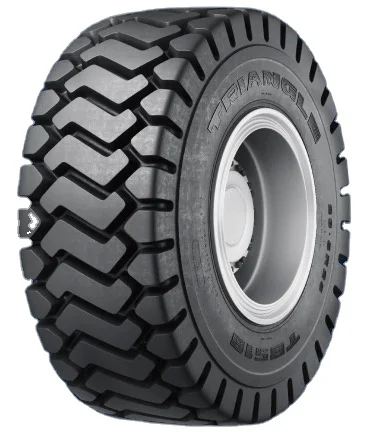
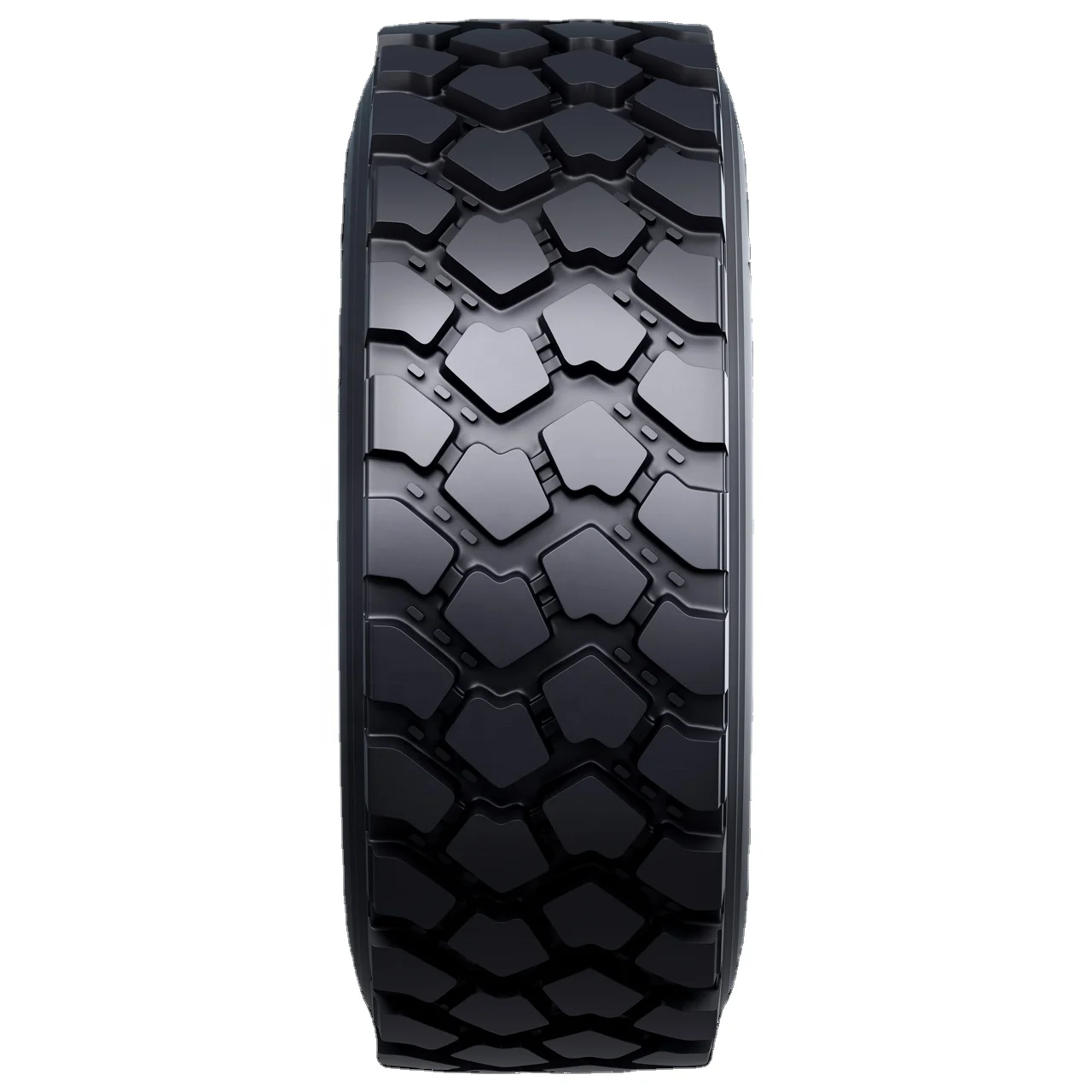
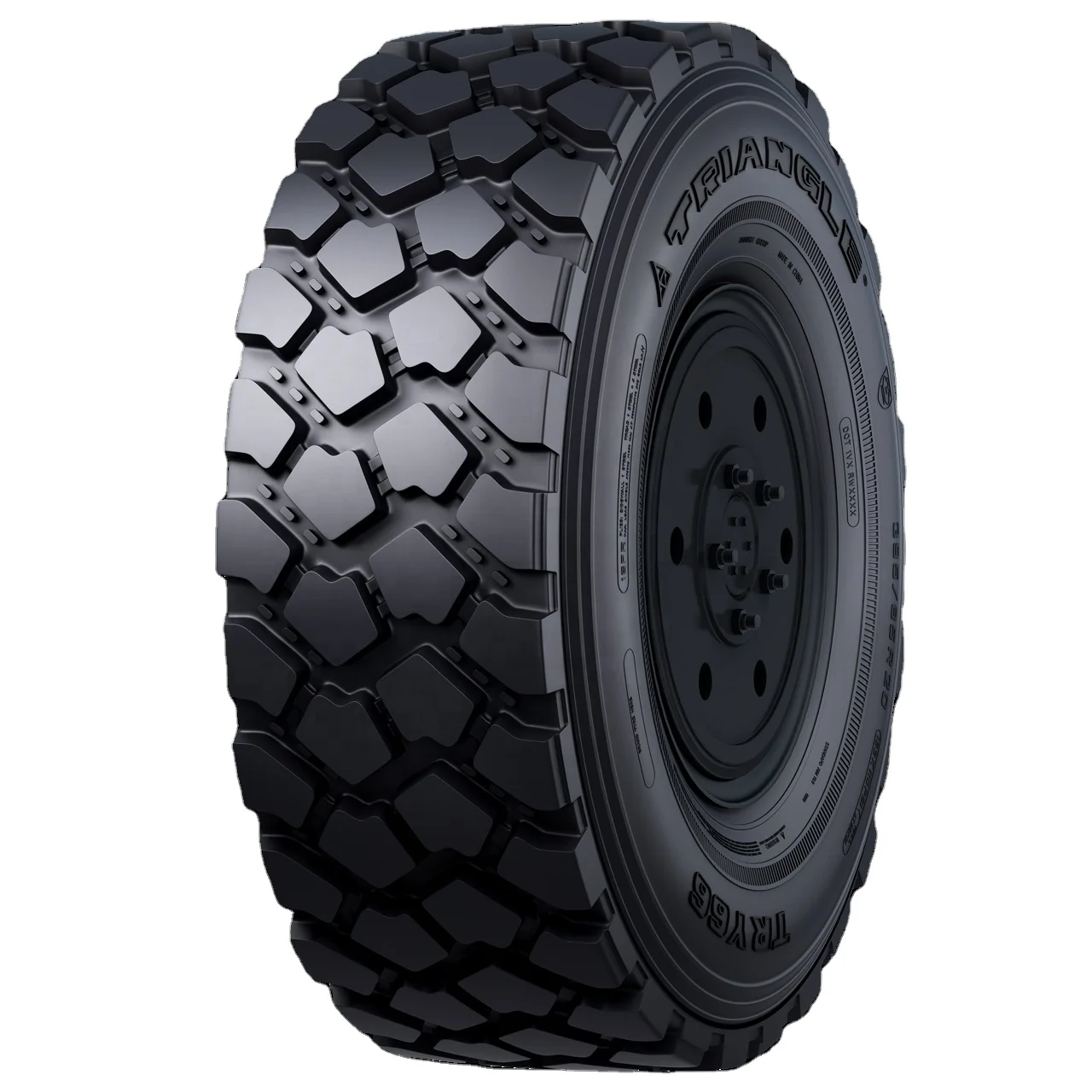
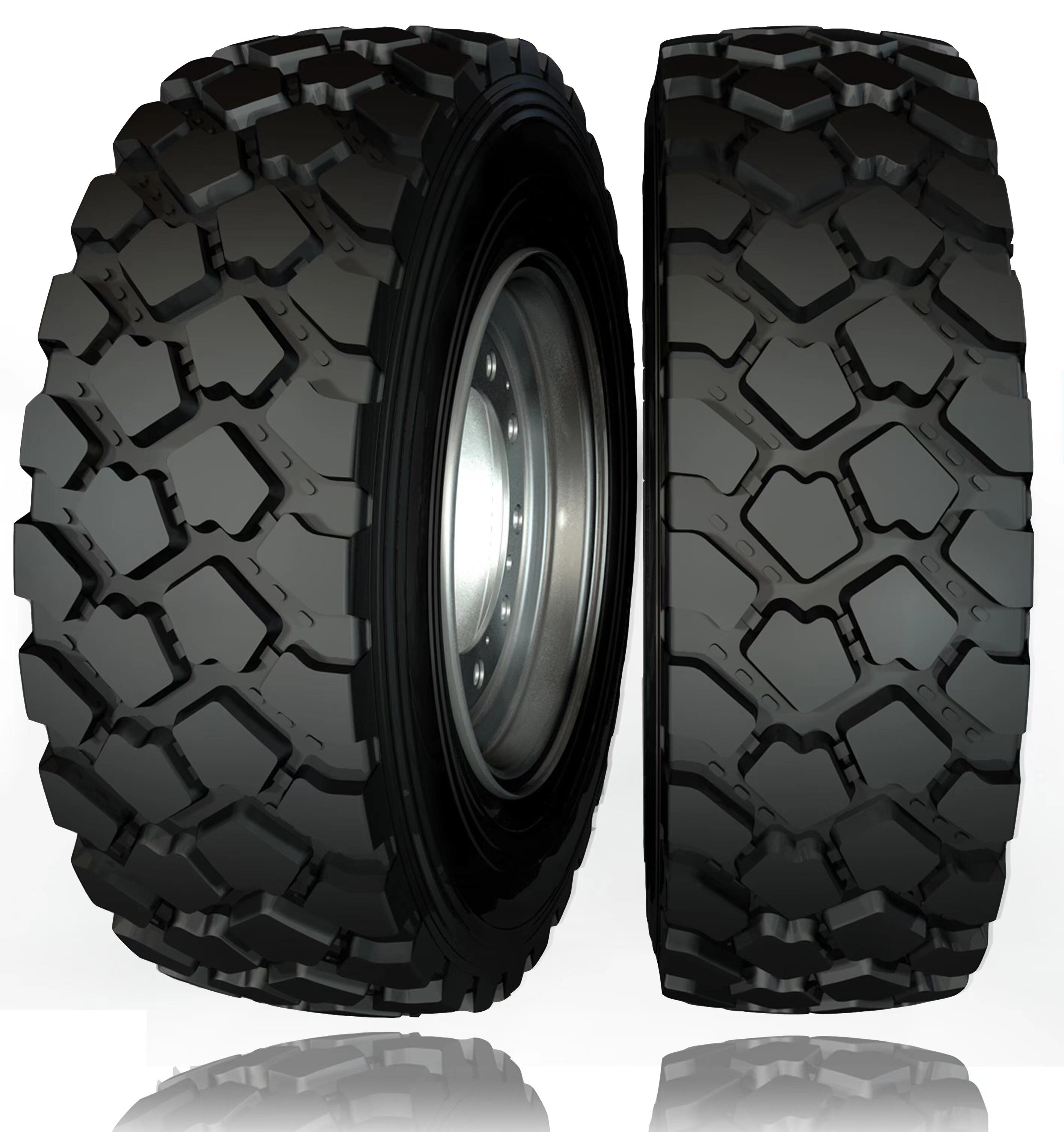
The debate between military tires and commercial heavy-duty tires has intensified as industries demand increasingly robust solutions for challenging environments. Military tires are specifically engineered to withstand extreme conditions, combat scenarios, and prolonged operations without failure. These specialized tire systems incorporate advanced materials, reinforced sidewalls, and run-flat technology to ensure mission-critical reliability. Understanding the fundamental differences between military tires and their commercial counterparts requires examining construction methods, performance standards, and real-world applications across various sectors.
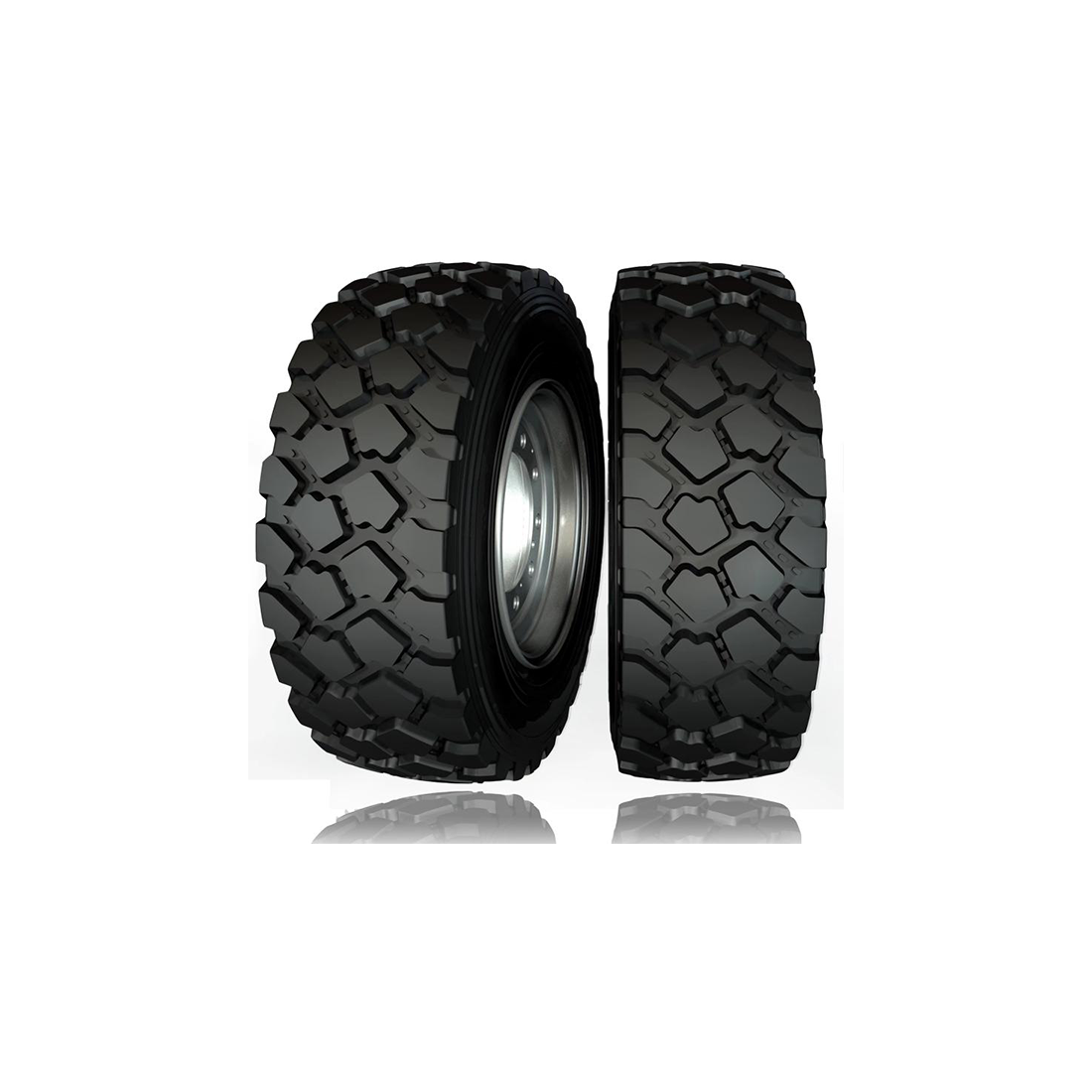
The construction philosophy behind military tires differs significantly from commercial tire manufacturing. While commercial heavy-duty tires prioritize cost-effectiveness and standard performance metrics, military tire design focuses on survivability and operational continuity under extreme stress. This fundamental difference in design priorities creates distinct advantages and limitations for each tire category. Military specifications often require tires to maintain functionality even after sustaining damage, making them invaluable for critical applications where tire failure could have catastrophic consequences.
Military tires utilize specialized rubber compounds that resist degradation from chemical exposure, extreme temperatures, and UV radiation. These compounds incorporate synthetic materials and additives that enhance durability beyond what standard commercial formulations can achieve. The rubber chemistry in military tires often includes puncture-resistant layers and self-sealing properties that automatically close small penetrations. This advanced material engineering ensures that military tires maintain structural integrity even when operating in harsh chemical environments or extreme weather conditions.
The manufacturing process for military tire compounds involves rigorous quality control and testing protocols that exceed commercial standards. Each batch of rubber compound undergoes extensive laboratory analysis to verify chemical resistance, flexibility retention, and aging characteristics. This meticulous approach to material selection and processing contributes significantly to the superior durability of military tires compared to conventional heavy-duty alternatives.
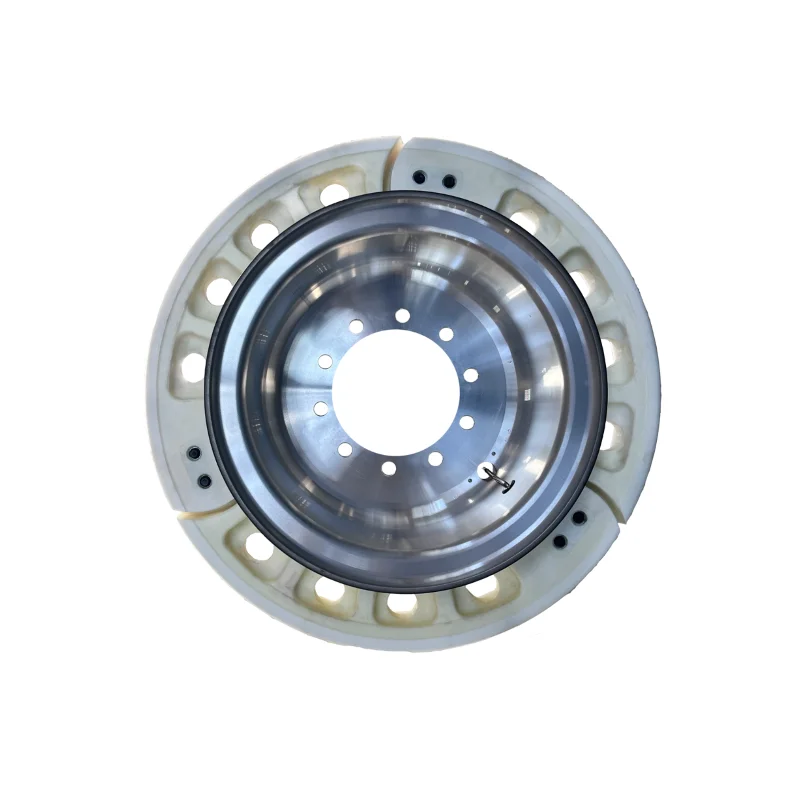
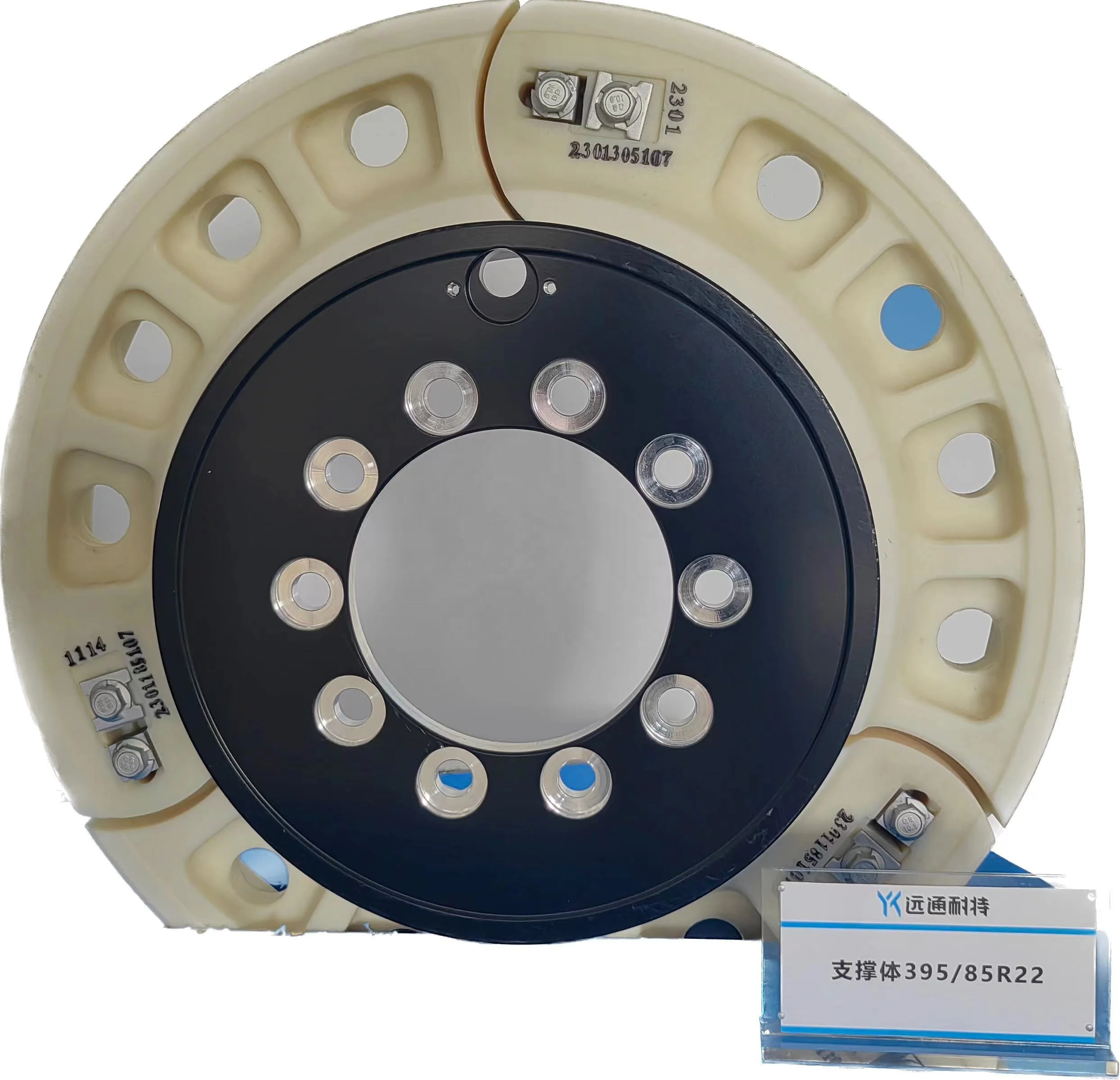
The sidewall construction of military tires represents a critical differentiator from commercial designs. Multiple layers of high-strength fabric, steel belts, and polymer reinforcements create a robust barrier against punctures and impacts. This reinforced sidewall technology enables military tires to support vehicle weight even when completely deflated, a capability known as run-flat operation. Commercial heavy-duty tires typically lack this level of sidewall reinforcement due to cost considerations and standard operating requirements.
Modern military tire sidewalls incorporate aramid fibers, steel cord reinforcements, and specialized polymer inserts that distribute load forces across the tire structure. These materials work together to prevent catastrophic failure and maintain vehicle mobility during emergency situations. The multi-layer construction also provides enhanced resistance to chemical attack and environmental degradation that could compromise tire performance over extended periods.
Military tires must meet stringent performance standards established by defense organizations worldwide. These specifications cover aspects such as load capacity, speed ratings, temperature resistance, and chemical compatibility that far exceed commercial tire requirements. Testing protocols for military tires include extreme temperature cycling, high-speed endurance tests, and puncture resistance evaluations using standardized projectiles and sharp objects.
The certification process for military tires involves independent laboratory testing, field trials, and long-term durability assessments. These comprehensive evaluations ensure that approved military tires can withstand operational demands that would destroy conventional commercial tires within hours or days. The rigorous testing standards contribute to higher manufacturing costs but guarantee exceptional performance reliability in critical applications.
Comparative durability testing reveals significant performance advantages for military tires across multiple metrics. Laboratory studies demonstrate that military tires typically exhibit three to five times greater puncture resistance than commercial heavy-duty alternatives. Temperature cycling tests show that military tires maintain structural integrity across wider temperature ranges while commercial tires may develop cracking or compound degradation under similar conditions.
Field testing data indicates that military tires achieve operational lifespans that exceed commercial tire performance by 200-300% in equivalent applications. This extended service life results from superior material quality, enhanced construction techniques, and design optimizations that prioritize durability over cost considerations. The benchmark comparisons consistently demonstrate the superior durability characteristics that justify the higher initial investment in military tire technology.
Various commercial industries have recognized the durability advantages of military tires and begun incorporating them into specialized applications. Mining operations, emergency services, and heavy construction projects increasingly specify military tires for equipment operating in extreme conditions. The enhanced durability of military tires reduces downtime, minimizes replacement costs, and improves operational safety in demanding environments where tire failure poses significant risks.
The adoption of military tires in commercial applications demonstrates their practical advantages beyond military use. Companies operating in remote locations, harsh climates, or hazardous environments benefit from the superior reliability and extended service life that military tires provide. This cross-industry adoption validates the superior durability characteristics of military tire technology and its value proposition for challenging applications.
While military tires command premium pricing compared to commercial alternatives, their superior durability often results in lower total cost of ownership. The extended service life, reduced replacement frequency, and decreased downtime expenses offset the higher initial purchase price. Detailed cost analysis reveals that military tires can deliver 40-60% lower operational costs per mile in severe-duty applications despite their premium pricing structure.
The economic benefits of military tires become more pronounced in applications where tire failure creates significant secondary costs. Emergency response vehicles, critical infrastructure maintenance equipment, and remote operation vehicles benefit substantially from the reliability advantages that military tires provide. These benefits often justify the premium investment in military tire technology for commercial operators prioritizing operational continuity and safety.
Modern military tires incorporate advanced run-flat technology that enables continued operation even after complete air pressure loss. This capability relies on reinforced sidewall inserts, specialized bead designs, and internal support structures that distribute vehicle weight without traditional air pressure support. Commercial heavy-duty tires generally lack these sophisticated run-flat systems due to complexity and cost constraints inherent in commercial tire manufacturing.
The run-flat capability of military tires provides critical operational advantages in hostile environments where tire repair may be impossible or dangerous. This technology allows vehicles to continue missions or reach safe locations despite tire damage from projectiles, debris, or environmental hazards. The integration of run-flat technology represents a fundamental durability advantage that significantly enhances vehicle survivability and mission success rates.
Advanced military tires increasingly incorporate intelligent monitoring systems that track tire condition, pressure, and performance parameters in real-time. These systems utilize embedded sensors, wireless communication protocols, and predictive analytics to optimize tire performance and prevent failures. The integration of smart technology enhances the durability advantages of military tires by enabling proactive maintenance and performance optimization strategies.
The monitoring capabilities built into modern military tires provide valuable data for fleet management and maintenance planning. Real-time tire condition information helps operators maximize service life, optimize replacement schedules, and prevent unexpected failures. This technological integration further distinguishes military tires from commercial alternatives and enhances their overall value proposition for demanding applications.
Military tires demonstrate superior resistance to chemical contamination, fuel spills, and corrosive substances commonly encountered in military and industrial environments. The specialized rubber compounds and protective treatments used in military tire manufacturing provide enhanced resistance to degradation from chemical exposure. Commercial heavy-duty tires typically lack this level of chemical protection, making them vulnerable to premature failure in contaminated environments.
The chemical resistance properties of military tires extend their operational lifespan in environments where commercial tires would experience rapid degradation. Industries such as chemical processing, waste management, and petroleum operations benefit from these enhanced resistance characteristics. The superior chemical durability of military tires provides significant operational advantages in applications where chemical exposure is unavoidable or frequent.
Military tires are engineered to maintain performance across extreme temperature ranges that would compromise commercial tire functionality. The specialized compounds and construction techniques used in military tire manufacturing enable operation from arctic conditions to desert heat without significant performance degradation. This wide temperature tolerance makes military tires suitable for global operations and extreme climate applications where commercial alternatives would fail.
The temperature stability of military tires results from advanced material science and engineering optimization that prioritizes performance over cost considerations. Field testing demonstrates that military tires maintain structural integrity and performance characteristics across temperature ranges that cause commercial tires to become brittle or excessively soft. This temperature resilience contributes significantly to the overall durability advantage of military tire technology.
Ongoing research in military tire technology focuses on developing even more durable materials and construction methods. Advanced nanotechnology applications, biomimetic designs, and smart materials promise to further enhance the durability advantages of military tires. These developments aim to create self-healing tire compounds, adaptive performance characteristics, and enhanced resistance to emerging threats and operational challenges.
The future evolution of military tires will likely incorporate artificial intelligence, advanced composites, and revolutionary manufacturing techniques that further distinguish them from commercial alternatives. These technological advances will continue to widen the durability gap between military and commercial tire technologies while potentially reducing manufacturing costs through improved efficiency and automation.
The superior durability characteristics of military tires are influencing commercial tire development as manufacturers seek to capture market demand for enhanced performance. Technology transfer from military applications to commercial products creates opportunities for improved durability in mainstream tire offerings. However, the fundamental design philosophy differences between military and commercial applications will likely maintain distinct advantages for purpose-built military tire systems.
As commercial industries increasingly recognize the value of military tire technology, demand for specialized high-durability tires continues to grow. This market evolution drives innovation in both military and commercial tire sectors while creating new opportunities for hybrid designs that balance durability with cost-effectiveness. The ongoing development of military tire technology will continue to influence commercial tire advancement and performance standards.
Military tires typically last 200-300% longer than commercial heavy-duty tires in equivalent applications due to superior materials, construction methods, and rigorous testing standards. The exact lifespan advantage depends on operating conditions, but military tires consistently demonstrate extended service life across various performance metrics including puncture resistance, temperature cycling, and chemical exposure tolerance.
Yes, military tires can be used on commercial vehicles and equipment, provided they meet the required size specifications and load ratings. Many commercial operators in mining, construction, and emergency services have successfully adopted military tires for enhanced durability and reliability. However, the higher initial cost and specialized mounting requirements should be considered when evaluating military tires for commercial applications.
Military tire construction incorporates reinforced sidewalls, advanced rubber compounds, run-flat capability, and multi-layer protection systems that exceed commercial tire specifications. These design elements prioritize survivability and continued operation under extreme conditions rather than cost optimization. The construction differences result in significantly enhanced puncture resistance, chemical tolerance, and operational reliability compared to commercial alternatives.
Military tires often provide superior value in heavy-duty applications despite higher initial costs due to extended service life, reduced downtime, and enhanced safety characteristics. Total cost of ownership analysis frequently favors military tires in severe-duty applications where tire failure creates significant operational disruption or safety risks. The cost-benefit equation improves in applications with extreme operating conditions, remote locations, or critical operational requirements.
 Hot News
 EN
EN
 AR
AR
 BG
BG
 FR
FR
 DE
DE
 HI
HI
 IT
IT
 JA
JA
 KO
KO
 PL
PL
 PT
PT
 RU
RU
 ES
ES
 SV
SV
 TL
TL
 ID
ID
 LV
LV
 LT
LT
 SR
SR
 UK
UK
 VI
VI
 TH
TH
 TR
TR
 FA
FA
 AF
AF
 HY
HY
 AZ
AZ
 KA
KA
 BN
BN
 LA
LA
 MN
MN
 SO
SO
 MY
MY
 KK
KK
 UZ
UZ
 KU
KU
 KY
KY