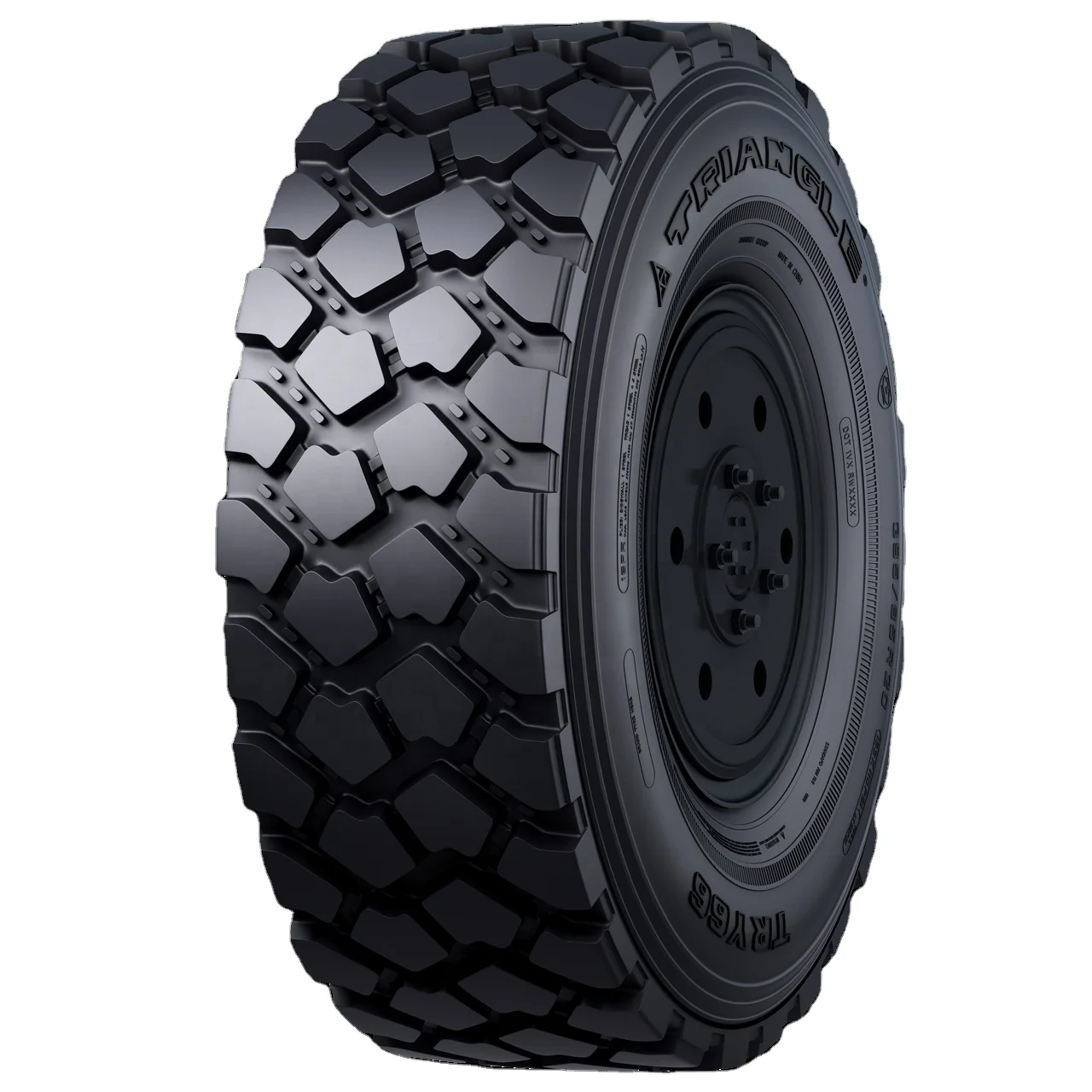
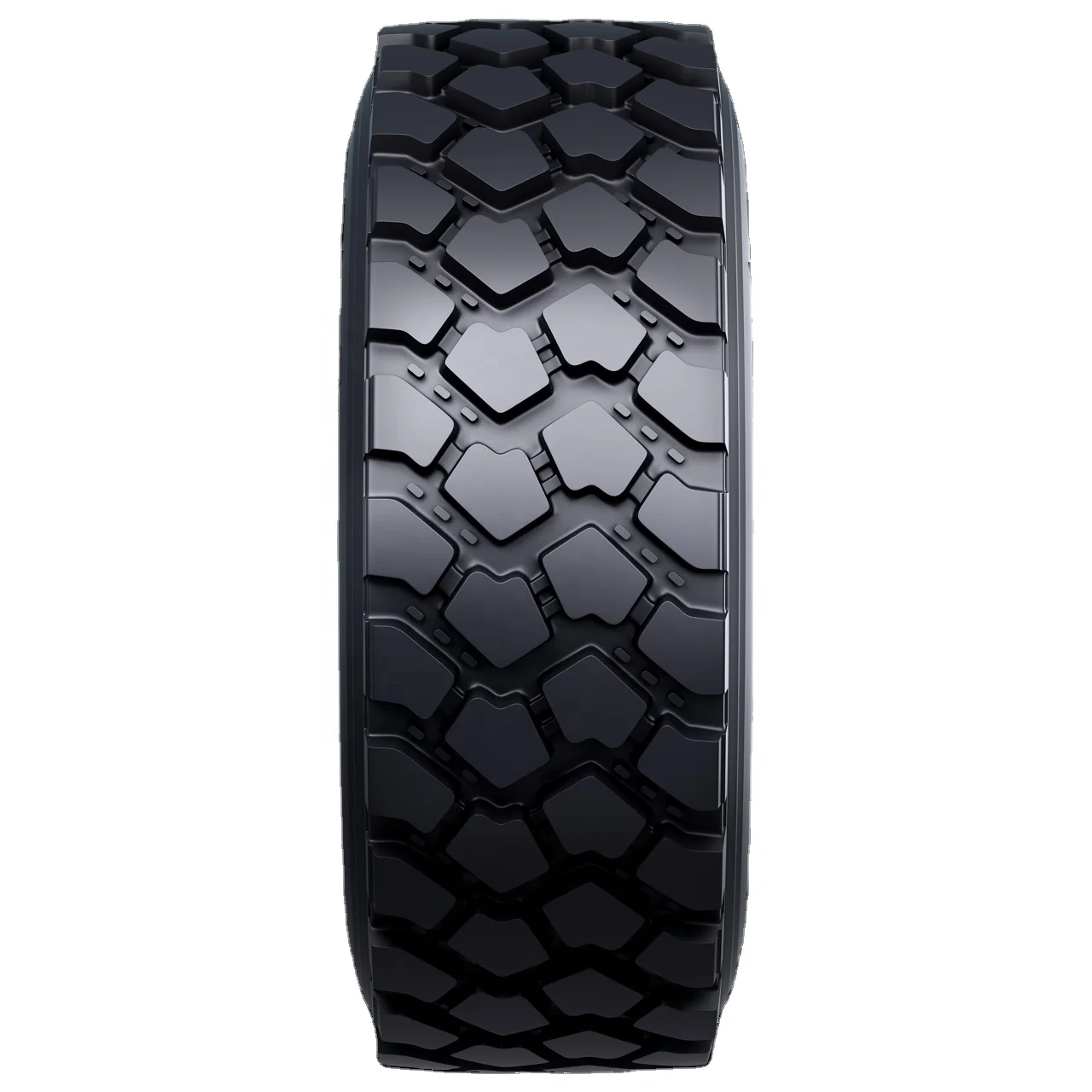
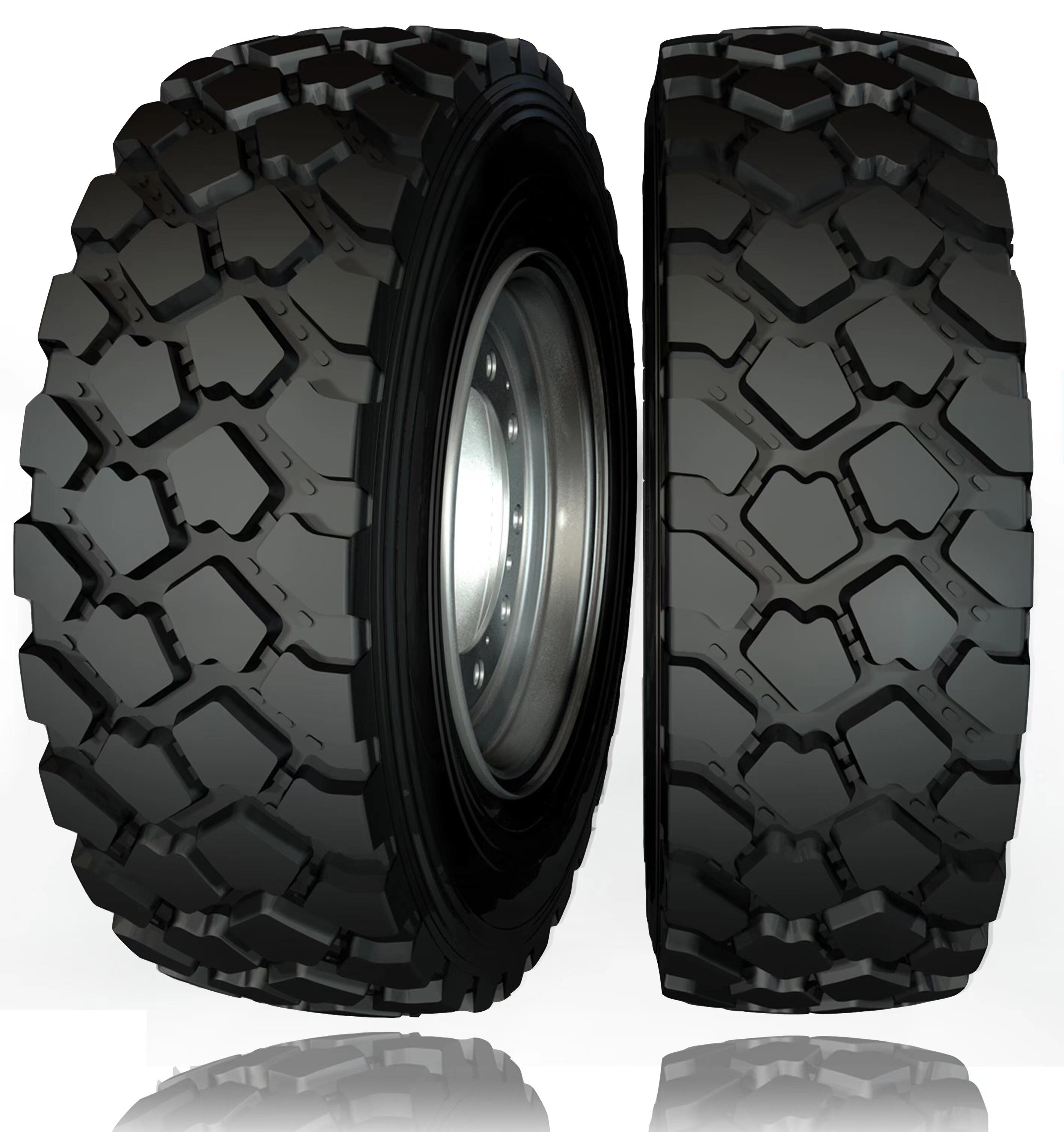
عملیات وسایل نقلیه نظامی نیازمند استانداردهای بینظیری در زمینه قابلیت اطمینان و ایمنی است، بهویژه زمانی که این وسایل نقلیه باید در شرایط دشمنگونه نیز بهصورت مداوم فعالیت کنند. هنگامی که لاستیکهای معمولی در اثر آسیب گلولهای، سوراخشدن یا خطرات ناشی از زمینهای بسیار نامساعد دچار خرابی میشوند، پیامدهای آن میتواند برای موفقیت مأموریت و ایمنی پرسنل فاجعهبار باشد. این آسیبپذیری حیاتی، نیروهای نظامی سراسر جهان را وادار کرده است تا از فناوریهای پیشرفته لاستیک استفاده کنند که حتی در صورت آسیبدیدگی نیز توانایی حفظ تحرک را دارند.
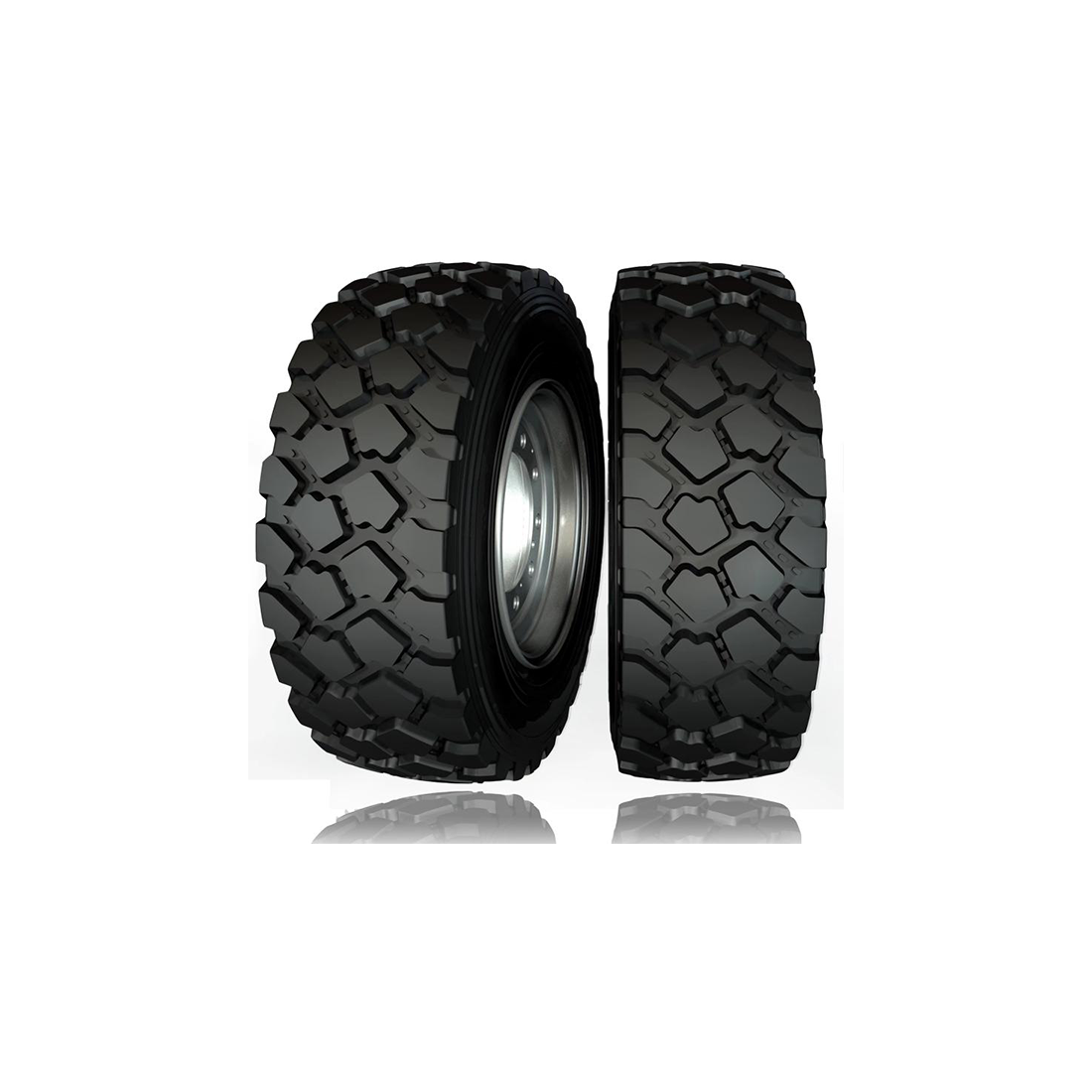
لاستیکهای رانفلت نمایندهی پیشرفتی انقلابی در زمینه ایمنی خودروهای نظامی هستند و بهطور بنیادی نحوهی رویکرد نیروهای مسلّح به تحرک تاکتیکی و ادامهی مأموریتها را تغییر دادهاند. این سیستمهای تخصصی لاستیک، امکان حفظ قابلیت عملیاتی خودروها حتی پس از از دست دادن کامل فشار هوا را فراهم میکنند و مزایای تاکتیکیای را در اختیار فرماندهان قرار میدهند که لاستیکهای معمولی هرگز نمیتوانند ارائه دهند. درک مکانیزمهای خاصی که از طریق آنها لاستیکهای رانفلت ایمنی خودروهای نظامی را ارتقا میدهند، دلیل اصلی ضروری شدن این تجهیزات برای عملیاتهای دفاعی مدرن را آشکار میسازد.
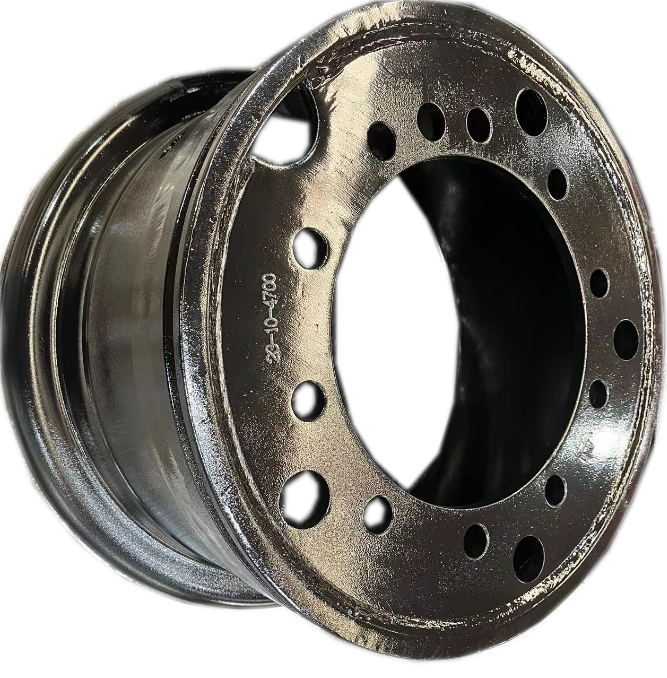
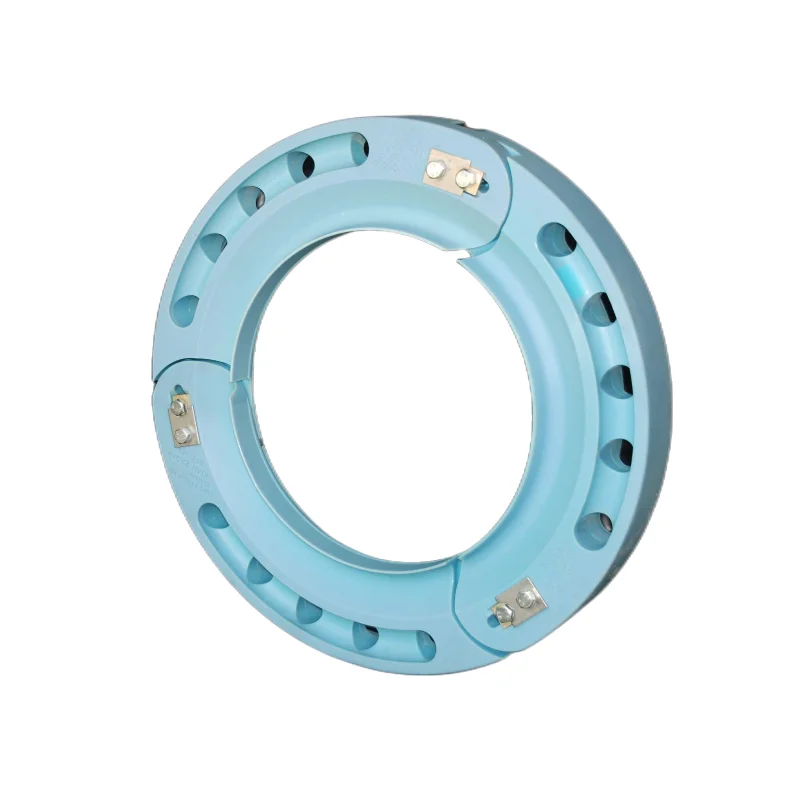
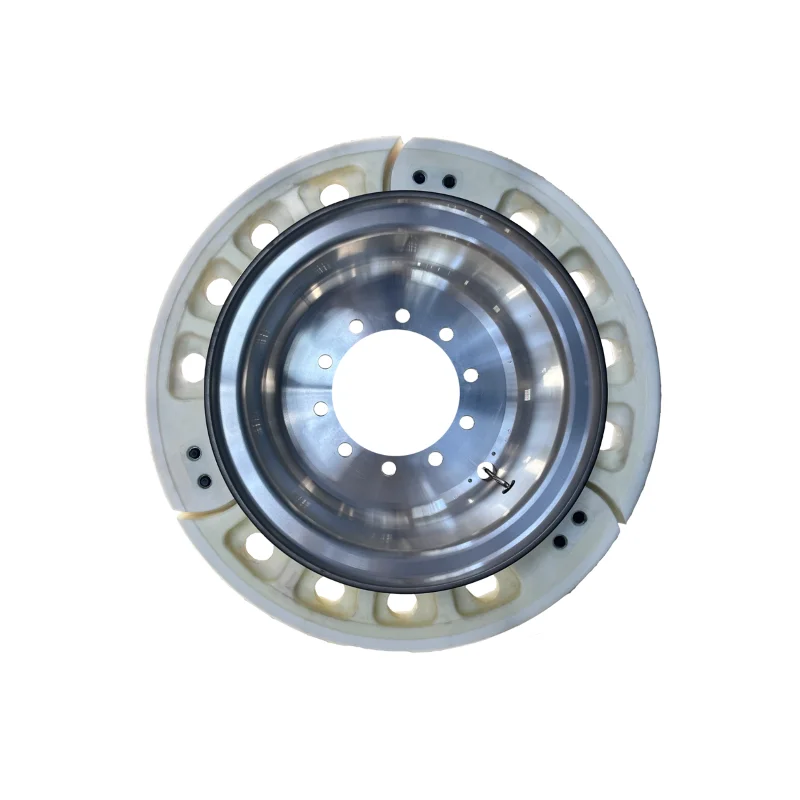
افزایش اصلی ایمنی ناشی از لاستیکهای رانفلت، ناشی از ساختار پشتیبان داخلی آنهاست که ثبات خودرو را در صورت از دست دادن فشار هوا حفظ میکند. برخلاف لاستیکهای معمولی که بلافاصله پس از سوراخ شدن فرو میریزند، لاستیکهای رانفلت دارای ساختار دیوارههای تقویتشده و سیستمهای پشتیبان داخلی هستند که ظرفیت تحمل بار لاستیک را حفظ میکنند. این استحکام ساختاری از از دست دادن ناگهانی کنترل خودرو جلوگیری میکند که معمولاً هنگام خرابی لاستیکهای استاندارد در عملیات با سرعت بالا یا حرکات تاکتیکی رخ میدهد.
لاستیکهای ضدپنچر با استاندارد نظامی از ترکیبات پلیمری پیشرفته و سیستمهای تقویتکننده فولادی بهره میبرند که قادرند حتی در غیاب فشار هوای داخلی، وزن کامل خودروهای زرهپوش را تحمل کنند. ساختار دیواره تقویتشده این لاستیکها وزن خودرو را بر روی سطح تماس گستردهتری توزیع میکند و چسبندگی و ویژگیهای پاسخدهی فرمان را حفظ مینماید که برای اجرای مراحل فرار و دوری از خطر بسیار حیاتی هستند. این قابلیت تضمین میکند که نیروهای نظامی بتوانند حتی تحت آتش مستقیم یا در مناطق دشمن—جایی که تعمیر فوری لاستیک امکانپذیر نیست—کنترل جهتگیری خودرو را حفظ کرده و حرکات حیاتی برای انجام مأموریت را ادامه دهند.
لاستیکهای رانفلت امنیت افزایشیافتهای در برابر تهدیدات گلولهای فراهم میکنند که اغلب سیستمهای تحرک خودروها را در مناطق نبرد هدف قرار میدهند. ساختار تقویتشده این لاستیکها قادر به تحمل شلیک سلاحهای سبک، آسیب ناشی از ترکش و حملات عمدی به لاستیکها است، در حالی که قابلیت عملیاتی خودرو حفظ میشود. ساختار پشتیبان داخلی حتی در صورت آسیب نفوذی به دیواره یا سطح رویه لاستیک نیز ادامهدهنده عملکرد خود است و امکان خروج خودرو از مناطق خطرناک یا انجام اهداف مأموریتی را فراهم میکند.
ساختار چندلایه معمول در لاستیکهای نظامی runflat tires شامل مواد مقاوم در برابر سوراخشدن و ترکیبات خودمحکمکننده است که میتوانند نفوذهای جزئی را بهطور خودکار درزبندی کنند. این قابلیت خودترمیمشوندگی فراوانی شکستهای کامل لاستیک را کاهش داده و عمر عملیاتی لاستیک را در شرایط دشمنپذیر افزایش میدهد. ترکیب مقاومت بالستیکی و فناوری خودمحکمکننده، پنجره آسیبپذیری را که دشمنان اغلب با هدف قرار دادن سیستمهای تحرک خودروها از آن بهره میبرند، بهطور قابل توجهی کاهش میدهد.
عملیات نظامی نیازمند وسایل نقلیهای هستند که بتوانند پس از آسیبدیدن، بهمدت طولانیتری بهصورت عملیاتی ادامه دهند؛ و لاستیکهای رانندگی بدون فشار (Runflat) این قابلیت را از طریق مشخصات برد عملیاتی گسترشیافتهشان فراهم میکنند. این لاستیکها معمولاً پس از از دست دادن کامل فشار، برای مسافتی بین ۵۰ تا ۱۰۰ کیلومتر قابلیت عملیاتی خود را حفظ میکنند که این مقدار بستگی به وزن وسیله نقلیه، شرایط زمین و سرعت عملیاتی دارد. این برد گسترشیافته فاصله کافی را برای اینکه وسایل نقلیه به مناطق امن برسند، رویههای تخلیه را بهپایان برسانند یا به مراکز پایگاهی بازگردند تا لاستیکها بهدرستی تعویض شوند، فراهم میکند.
توانایی گسترشیافتهٔ عملیاتی لاستیکهای رانفلت، این ضعف تاکتیکی را از بین میبرد که هنگامی ایجاد میشود که وسایل نقلیه مجبور به توقف برای تعویض اضطراری لاستیک در مواضع آشکار و بدون پوشش میشوند. قافلههای نظامی میتوانند یکپارچگی تشکیلات خود را حفظ کرده و حتی در صورت آسیب دیدن لاستیک وسایل نقلیهٔ جداگانه، حرکت خود را ادامه دهند؛ که این امر باعث کاهش آسیبپذیری کلی واحد میشود. این قابلیت بهویژه در عملیاتهای نظامی حیاتی است، زیرا توقف برای تعویض لاستیک، افراد را در معرض آتش دشمن قرار میدهد و زمانبندی مأموریت را بهخطر میاندازد.
لاستیکهای ضدپنچر بهطور قابلتوجهی فراوانی و مدتزمان رویههای نگهداری در کنار جاده را کاهش میدهند که این امر باعث ایجاد آسیبپذیریهای امنیتی برای واحدهای نظامی میشود. خرابیهای سنتی لاستیکها نیازمند توجه فوری هستند و پرسنل نگهداری را در حین انجام کار در موقعیتهای بیرونی و بدون پوشش، در معرض آتش دشمن قرار میدهند. توانایی لاستیکهای ضدپنچر در ادامهٔ عملیات پس از آسیب، بسیاری از این سناریوهای نگهداری پرخطر را حذف میکند و امکان انجام تعمیرات را در مکانهای امنتر، بهجای محیط میدانی، فراهم میسازد.
نیازهای کاهشیافته برای نگهداری، همچنین آمادگی کلی نیروها را با حداقلکردن زمان توقف وسایل نقلیه و کاهش بار لجستیکی حمل لاستیکهای اضافی و تجهیزات نگهداری بهبود میبخشد. واحدهای نظامی میتوانند با اندازه کوچکتری از زیرساختهای نگهداری فعالیت کنند، در حالی که نرخ در دسترسبودن بالاتری برای وسایل نقلیه حفظ میشود؛ این امر بهطور مستقیم به اثربخشی مأموریت و ایمنی عملیاتی کمک میکند. الگوهای پیشبینیپذیر کاهش عملکرد لاستیکهای ضدپنچر نیز امکان برنامهریزی دقیقتر نگهداری و تخصیص منابع را نسبت به حالتهای نامشخص خرابی لاستیکهای معمولی فراهم میسازد.
عملیات نظامی اغلب در شرایط محیطی بسیار سختی رخ میدهند که در آن لاستیکهای معمولی بهطور فاجعهباری از کار میافتند؛ اما لاستیکهای بدون هوایی (runflat) ویژگیهای ایمنیبخش خود را در طیف گستردهتری از شرایط کاری حفظ میکنند. ترکیبات و روشهای ساخت تخصصی بهکاررفته در لاستیکهای بدون هوایی نظامی، عملکردی پایدار را در محدوده دمایی گستردهای از سرمای قطبی تا گرمای بیابانی فراهم میکنند و اطمینان حاصل میشود که مزایای ایمنی در هر محلی که نیروها مستقر شوند، در دسترس باقی میماند.
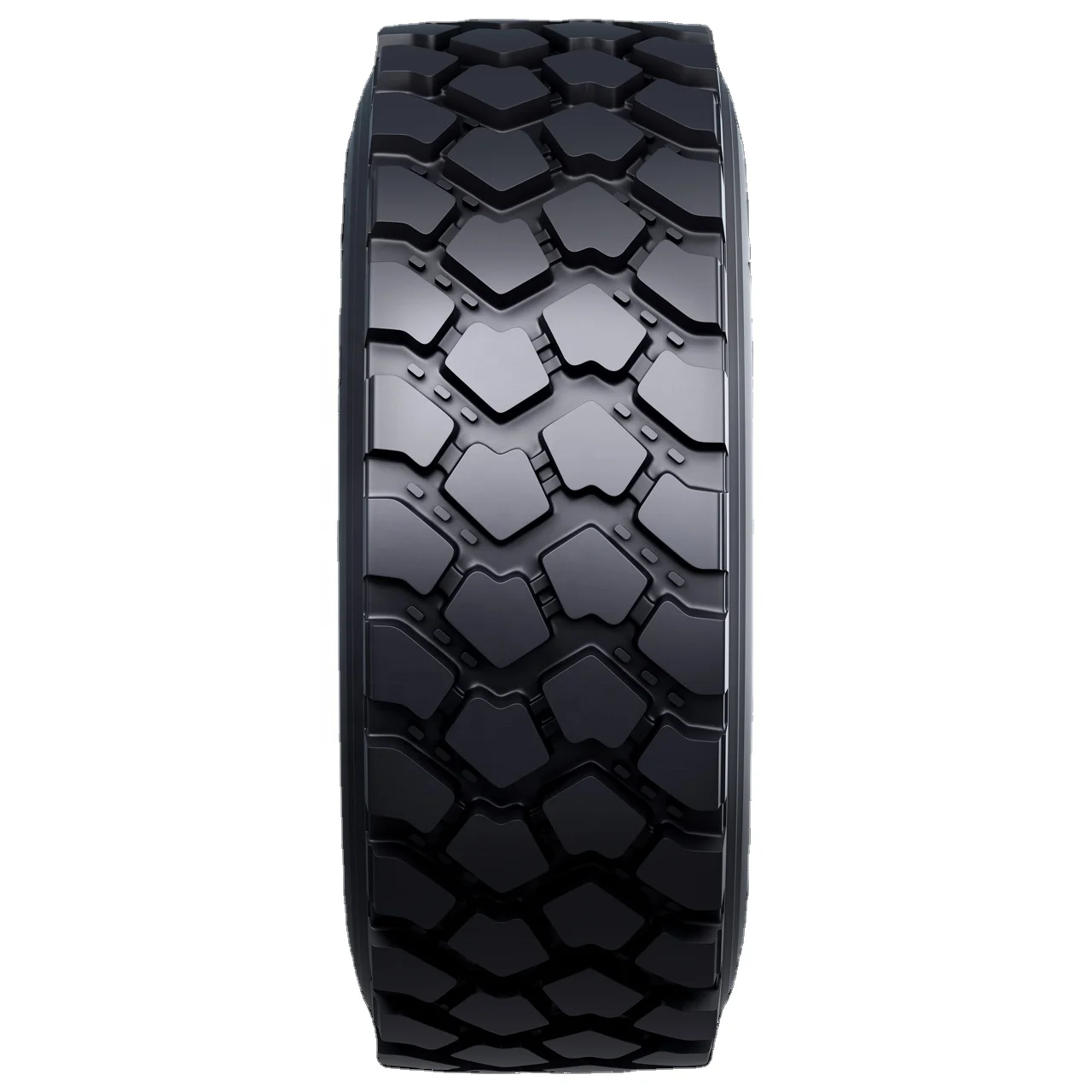
ساختار دیوارهی تقویتشدهی لاستیکهای رانفلات مقاومت بهتری در برابر برشها، پارگیها و سوراخشدنها ناشی از عوامل تیز زمینشناسی که معمولاً در عملیات نظامی با آنها مواجه میشویم، فراهم میکند. زمینهای سنگلاخ، میدانهای آشغال و موانع جادهای ساختهشدهی غیررسمی که میتوانند بلافاصلهی لاستیکهای معمولی را از کار بیندازند، با فناوری رانفلات بهصورت ایمن طی میشوند. این انطباق با زمینها تضمین میکند که وسایل نقلیهی نظامی بتوانند در محیطهای دشمنپذیر، جایی که انتخاب مسیر ممکن است بر اساس ملاحظات تاکتیکی و نه کیفیت جاده محدود شده باشد، قابلیت حرکت خود را حفظ کنند.
تأمین ایمنی وسایل نقلیه نظامی به قابلیت انجام مانورهای فرار با سرعت بالا در شرایط تهدید، حیاتی است؛ و لاستیکهای رانفلت این قابلیت را حتی پس از آسیبدیدن نیز حفظ میکنند. ساختار پشتیبان داخلی شکل لاستیک و هندسه ناحیه تماس آن را حفظ مینماید، بهگونهای که اجازه میدهد وسایل نقلیه با سرعتهای بالاتر و قابلیت مانورهای تهاجمیتری نسبت به وسایل نقلیهای که با لاستیکهای معمولی آسیبدیده در حال حرکت هستند، عمل کنند. این دامنه عملکردی حفظشده میتواند تفاوت بین نتیجهای موفق در فرار و برخوردی فاجعهبار را رقم بزند.
ویژگیهای پایداری لاستیکهای رانفلت در عملیات با سرعت بالا، امکان انتخاب گزینههای تاکتیکی بیشتری را برای فرماندهان فراهم میکند، زیرا در صورت آسیب دیدن لاستیکها در حین درگیریهای فعال، وسایل نقلیه مجبور نیستند بلافاصله از میدان خارج شوند و نیاز به بازیابی داشته باشند. بلکه وسایل نقلیه آسیبدیده میتوانند در حرکات تاکتیکی ادامه دهند، آتش پوششی ارائه کنند یا مسیرهای فرار مستقل را اجرا نمایند. این انعطافپذیری تاکتیکی حفظشده، بقای کلی واحد را افزایش داده و نرخ موفقیت مأموریتها را بهبود میبخشد.
وسایل نقلیه نظامی مدرن، لاستیکهای ضدپنچر را با سیستمهای زرهبندی و حفاظت پیشرفته ادغام میکنند تا بستههای دفاعی جامعی ایجاد شود. ویژگیهای عملکردی ثابت لاستیکهای ضدپنچر به طراحان زره این امکان را میدهد که سیستمهای حفاظتی را بر اساس پارامترهای قابل پیشبینی حرکت بهینهسازی کنند و اطمینان حاصل کنند که حفاظت وسیله نقلیه حتی در صورت آسیب دیدن لاستیکها در جریان نبرد نیز مؤثر باقی میماند. این رویکرد ادغامی، ارزش حفاظتی فناوری لاستیک و سیستمهای زره وسیله نقلیه را به حداکثر میرساند.
ویژگیهای توزیع وزن لاستیکهای ضدپنچر با طراحی وسایل نقلیه زرهدار سازگان دارد و حتی پس از از دست دادن فشار، توزیع بار مناسب را حفظ میکند. این سازگان از آسیبدیدن سیستم تعلیق و مشکلات ناشی از ناپایداری جلوگیری میکند که ممکن است هنگام بهکارگیری وسایل نقلیه سنگینزرهدار روی لاستیکهای معمولی خرابشده رخ دهد. حفظ توزیع بار همچنین اثربخشی طراحیهای بدنه مقاوم در برابر مین و سیستمهای منحرفکننده انفجار را که به هندسه مناسب وسیله نقلیه برای حصول حداکثر حفاظت وابستهاند، حفظ میکند.
لاستیکهای پیشرفتهٔ رانندگی بدون فشار (runflat) با سیستمهای الکترونیکی خودرو ادغام میشوند تا نظارت بلادرنگ بر وضعیت لاستیکها و ظرفیت عملیاتی باقیمانده را فراهم کنند. این سیستمهای نظارتی طی ایجاد آسیب به لاستیکها، خدمه را مطلع میسازند و دستورالعملهایی دربارهٔ محدودیتهای سرعت و برد عملیاتی باقیمانده ارائه میدهند؛ بدین ترتیب تصمیمگیریهای تاکتیکی با آگاهی کامل از شرایط انجام میشود. ادغام نظارت بر لاستیکها با سیستمهای ارتباطی خودرو همچنین امکان ردیابی وضعیت تحرک هر خودرویی را توسط فرماندهان واحد در ساختارهای تحت فرمان آنها فراهم میکند.
قابلیتهای پیشبینیکنندهی سیستمهای نظارت مدرن بر لاستیک، امکان زمانبندی پیشگیرانهی نگهداری و برنامهریزی تاکتیکی بر اساس وضعیت لاستیک را فراهم میکند. به جای مواجهه با خرابیهای غیرمنتظرهی تحرک، واحدهای نظامی میتوانند نیاز به تعویض لاستیک را پیشبینی کرده و عملیات خود را متناسب با آن برنامهریزی کنند. این قابلیت پیشبینی، ایمنی عملیاتی را بهطور قابلتوجهی افزایش میدهد، زیرا عامل شگفتی که اغلب منجر به ناهمخوانیهای تاکتیکی و قرار گرفتن افراد در معرض خطر در طول رویههای نگهداری اضطراری میشود، را از بین میبرد.
لاستیکهای رانفلت نظامی معمولاً پس از از دست دادن کامل فشار، ظرفیت عملیاتی خود را برای مسافتی بین ۵۰ تا ۱۰۰ کیلومتر حفظ میکنند؛ این مقدار بستگی به وزن خودرو، شرایط زمین و سرعت عملیاتی دارد. خودروهای زرهی سنگین ممکن است محدودهی عملیاتی کوتاهتری داشته باشند، در حالی که خودروهای شناسایی سبکتر میتوانند بیشترین مسافت را طی کنند. سرعت عملیاتی باید کاهش یابد تا مسافت طیشده افزایش یافته و از آسیب بیشتر لاستیک در دورهی تخلیه جلوگیری شود.
بهطور کلی، تایرهای رانفلت وزن وسیله نقلیه و مقاومت غلتشی آن را در مقایسه با تایرهای معمولی افزایش میدهند و این امر منجر به افزایش جزئی مصرف سوخت در شرایط عادی عملیات میشود. با این حال، مزایای ایمنی و کاهش نیاز به نگهداری معمولاً این افزایش مصرف را جبران میکنند. در عملیات نظامی، موفقیت مأموریت و ایمنی پرسنل از بهینهسازی مصرف سوخت اولویت بالاتری دارد؛ بنابراین این تعادل در کاربردهای حیاتی قابل قبول است.
پنچرههای جزئی در تایرهای رانفلت اغلب میتوانند با رویههای استاندارد تعمیر تایر ترمیم شوند، اما آسیبهای جدی در دیواره یا نفوذهای متعدد معمولاً نیازمند تعویض کامل تایر هستند. ساختار پشتیبانی داخلی ممکن است در اثر آسیبهای شدید دچار خرابی شود و حتی پس از تعمیرات ظاهری، قابلیت رانفلت تایر کاهش یابد. پروتکلهای نگهداری نظامی عموماً برای تایرهای رانفلت آسیبدیده در جریان نبرد، تعویض را به جای تعمیرات میدانی توصیه میکنند تا عملکرد ایمنی مداوم تضمین شود.
تایرهای رانفلت را میتوان برای اکثر کاربردهای وسایل نقلیه نظامی — از وسایل نقلیه شناسایی سبک تا حملکنندههای سنگین پرسنل زرهپوش — طراحی کرد. با این حال، سیستم رانفلت خاص باید با وزن وسیله نقلیه، الزامات عملیاتی و مشخصات عملکردی آن تطبیق داده شود. ادغام مناسب نیازمند در نظر گرفتن سیستمهای تعلیق وسیله نقلیه است، چرخ مشخصات و نیازمندیهای سرعت عملیاتی برای اطمینان از بهبود ایمنی و ویژگیهای عملکردی در بهترین حالت.
 اخبار داغ
 EN
EN
 AR
AR
 BG
BG
 FR
FR
 DE
DE
 HI
HI
 IT
IT
 JA
JA
 KO
KO
 PL
PL
 PT
PT
 RU
RU
 ES
ES
 SV
SV
 TL
TL
 ID
ID
 LV
LV
 LT
LT
 SR
SR
 UK
UK
 VI
VI
 TH
TH
 TR
TR
 FA
FA
 AF
AF
 HY
HY
 AZ
AZ
 KA
KA
 BN
BN
 LA
LA
 MN
MN
 SO
SO
 MY
MY
 KK
KK
 UZ
UZ
 KU
KU
 KY
KY