Разпространението на дроновата технология е трансформирало съвременната военна тактика и сигурността, създавайки безпрецедентни предизвикателства за военните и цивилните системи за отбрана. Сред най-съвършените заплахи, които се появяват днес, са рояците дронове, които действат в координирани групи, за да изчерпат традиционните контрамерки. Микровълновите системи за подавяне на дронове представляват иновативно решение за тази динамично развиваща се заплаха и използват високочестотна електромагнитна енергия, за да нарушат работата на дроновете едновременно по множество цели. Тези напреднали системи използват технологията за насочена енергия, за да неутрализират заплахите, без да нанасят странични щети на околната инфраструктура.
Атаките с рояк дронове предлагат уникални тактически предимства за противниците, включително излишък, разпределени възможности за целене и способността да претоварят системите за отбрана чрез голям брой едновременни цели. Традиционните решения за борба с дронове често се провалят срещу тези координирани заплахи, тъй като обикновено се фокусират върху отделни цели, а не върху множество едновременни ангажименти. За да се разбере как системите за борба с дронове, базирани на микровълново заглушаване, решават тези предизвикателства, е необходимо да се проучат техните оперативни принципи, технически възможности и стратегически предимства в съвременните отбранителни сценарии.
Системите за радиочестотно засичане на дронове чрез микровълново излъчване работят в определени честотни диапазони на електромагнитния спектър, обикновено между 1 GHz и 300 GHz. Тези системи генерират концентрирана електромагнитна енергия, която пречи на радиочестотните комуникации, необходими за функционирането на дроновете. Технологията използва фундаменталната зависимост на безпилотните летателни апарати от непрекъснати комуникационни връзки с техните командни центрове, навигационни спътници и бордови сензори.
Съвременните дронове разчитат значително на GPS сигнали, Wi-Fi връзки и собствени радиочестотни канали за командване и управление. Като насочват атаката си към тези критични комуникационни канали, системите за засичане чрез микровълново излъчване могат ефективно да нарушат операциите на дроновете, без да се изискват физически проектили или експлозивни материали. Точността при целенасочване по честота позволява на операторите да избирателно пречат на враждебни дронове, като минимизират въздействието върху приятелските комуникационни системи.
Изходната мощност и възможностите за фокусиране на лъча на тези системи определят техния ефективен обсег и способностите им за разграничаване на цели. Напредналите микровълнови системи за помрачаване срещу дронове включват фазирани антенни решетки и технологии за насочване на лъча, за да насочват енергията точно към конкретни цели или зони от въздушното пространство. Тази технологична сложност позволява едновременно реагиране на множество заплахи по различни вектори и на различни височини.
Ефективността на микровълновото помрачаване зависи от претоварването на приемните вериги на целевия дрон с интерферентни сигнали. При правилна калибрация тези системи могат да предизвикат незабавна загуба на връзката за управление, отказ на GPS или пълен отказ на електронната система на засегнатите летателни апарати. Процесът на помрачаване обикновено започва с откриване и класифициране на сигнала, последван от генериране на насочена интерференция, съответстваща на комуникационните протоколи на конкретната заплаха.
Могат да се прилагат различни видове техники за заглушаване в зависимост от тактическата ситуация и характеристиките на целта. Заглушаването с шум наводнява приемниците на целта със случайни смущения, докато измамното заглушаване предоставя фалшиви данни, за да обърка системите за навигация и управление. Микровълновите антидронови системи за заглушаване често включват множество режими на заглушаване, за да се адаптират към различни типове заплахи и оперативни среди.
Мигновеният характер на електромагнитните смущения осигурява значителни предимства пред кинетичните антидронови решения. Веднъж активирани, ефектите от заглушаването възникват със скоростта на светлината, което позволява бързо реагиране на възникващи заплахи и незабавна защита на критични активи. Тази бързина на реакция се оказва особено ценна при отбрана срещу времево чувствителни цели или инсталации с висока стойност.
Рояците дронове функционират чрез сложни алгоритми, които осигуряват автономна координация между множество единици, като едновременно с това се поддържат резервни комуникационни канали. Тези системи обикновено използват протоколи за мрежова връзка от тип „мрежа“ (mesh networking), които позволяват на отделните дронове да предават информация и команди из целия рояк, създавайки устойчива комуникационна архитектура. Разбирането на тези механизми за координация е съществено за разработването на ефективни контрамерки чрез микровълнови системи за заглушаване на дронове.
Тактическите предимства на операциите с рояци включват възможността за едновременно приближаване към целите от множество посоки, претоварване на системите за точкова отбрана чрез атаки с насищане и запазване на оперативната ефективност дори когато отделни единици бъдат неутрализирани. Алгоритмите за интелигентно поведение на рояците осигуряват динамично разпределяне на ролите, което позволява останалите единици да адаптират своите мисии, когато други дронове бъдат извадени от строя или унищожени.
Съвременните роячни дронове могат да изпълняват сложни маневри, включително летене във формация, синхронизирани атаки и координирани разузнавателни шаблони. Тези възможности ги правят особено предизвикателни за традиционните зенитни системи, проектирани за поразяване на отделни, високостойностни цели. Разпределеният характер на заплахите от рояци изисква отбранителни системи, способни на едновременно поразяване на множество цели в обширни райони.
Въпреки своята сложност роячните дронове запазват няколко вродени уязвимости, които могат да бъдат използвани от правилно конфигурирани микровълнови системи за заглушаване. Зависимостта от радиочестотни комуникации за координация създава възможности за широко разпространено нарушаване чрез насочено електромагнитно въздействие. Когато комуникационните връзки бъдат прекъснати, отделните дронове често преминават към предварително зададени автономни режими на поведение или операции в безопасен режим.
Споделените честотни зависимости в рояците дронове предлагат възможности за едновременно неутрализиране на множество цели. Много комерсиални и военни дронове работят в подобни честотни диапазони за GPS навигация, командни връзки и комуникация между превозните средства. Микровълнови системи за помехи срещу дронове могат да използват тези общи характеристики, за да постигнат ефекти в широк спектър срещу цели формирования.
Специалистите по електронна борба са установили, че протоколите за координация на рояците често включват резервни механизми, които могат да бъдат активирани чрез специфични модели на интерференция. Като разберат тези поведенчески реакции, системите за помехи потенциално могат да принудят рояците да се разпръснат, да се върнат в базата си или да влязат в режим на задържане, вместо да продължат мисиите си за атака.
Напредналите системи за микровълново заглушаване срещу дронове включват фазирани антени с електронно управление на посоката, способни едновременно да поразяват множество цели по различни азимути и ъгли на височина. Тази технология позволява на операторите да създават припокриващи се зони от електромагнитни смущения, които могат да засегнат цели рояци, а не отделни летателни апарати. Възможността за бързо пренасочване на заглушаващите лъчи осигурява адаптация в реално време към променящи се заплашителни модели и движения на рояците.
Приложенията за отказ на достъп до територия използват заглушаващи шаблони с широк лъч, за да създадат защитни електромагнитни бариери около критична инфраструктура или персонал. Тези защитни зони могат да се поддържат непрекъснато или да се активират по искане при откриване на заплахи. Масштабируемостта на обхвачените територии позволява на тактическите командири да определят приоритетите за защита въз основа на оценка на заплахите и стойността на активите.
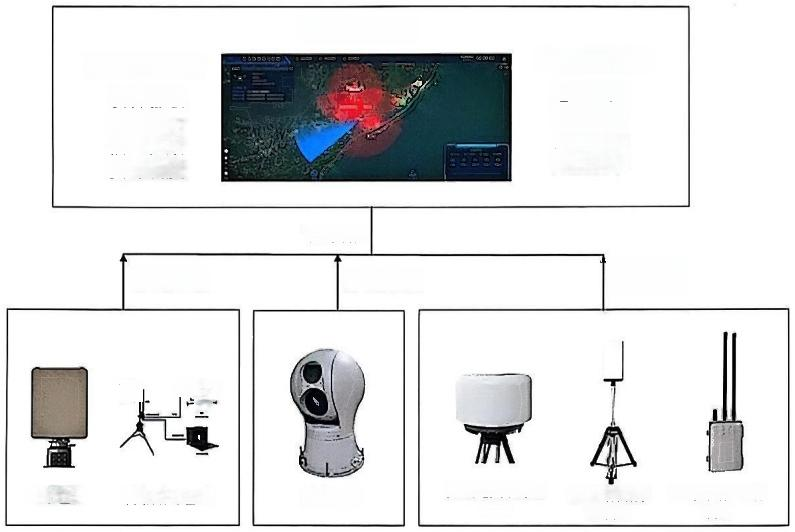
Съвременните системи интегрират радари за проследяване с предаватели за засичане, за да осигурят автоматично проследяване и ангажиране на целите. Таза интеграция гарантира, че енергията за засичане остава насочена към законните заплахи, като се минимизира интерференцията с операциите на съюзниците. Комбинацията от възможности за откриване и неутрализация осигурява комплексна защита както срещу отделни дронове, така и срещу координирани атаки с рояци.
Ефективните контрамерки срещу атаки с рояци дронове изискват внимателно управление на мощността, за да се осигури едновременно засичане на множество цели, без да се претоварват възможностите на системата. Микровълновите системи за засичане срещу дронове използват сложни алгоритми за разпределение на мощността, които разпределят наличната енергия въз основа на приоритета на заплахата, разстоянието до нея и необходимото ниво на засичане. Това интелигентно управление на ресурсите гарантира максимална ефективност срещу най-критичните цели.
Техниките за импулсна модулация позволяват на системите за засичане да атакуват множество цели бързо един след друг, създавайки впечатление за едновременно намесване, докато управляват ефективно потреблението на енергия. Тези методи удължават оперативната продължителност и намаляват топлинното напрежение върху предавателните компоненти. Напредналите системи за охлаждане и оборудването за кондициониране на енергия допълнително повишават надеждността на системата по време на продължителни операции.
Разработката на твърдотелни микровълнови генератори значително подобри надеждността и ефективността на системите за засичане в сравнение с традиционните конструкции, базирани на магнетрони. Тези по-нови технологии осигуряват по-добра контролираност на честотата, намалени изисквания за поддръжка и по-висока издръжливост в сурови оперативни среди. Подобрената ефективност се отразява в по-дълги оперативни периоди и намалени изисквания към логистичната поддръжка.
Ефективната защита срещу атаки с рояк дронове изисква интегриране на системи за микровълново заглушаване срещу дронове в по-широки многослойни архитектури за отбрана. Тези комплексни подходи обикновено комбинират сензори за откриване, системи за електронна борба и кинетични перехващачи, за да се справят с заплахите на множество далечини на взаимодействие. Компонентът за електромагнитно заглушаване осигурява възможности за ранно намесване, докато кинетичните системи служат като резервно решение за всички заплахи, които проникнат в заглушаващата зона.
Стратегическото разполагане на заглушаващите системи създава зони с припокриваща се обхvatност, които елиминират празнини в защитата и осигуряват резервност при отказ на системите или при насочени атаки. Принципите на мрежова центрирана война позволяват координация между множество заглушаващи обекти, за да се създадат непрекъснати защитни бариери над обширни територии. Този разпределен подход попречва на противника да идентифицира и атакува критични възли в отбранителната мрежа.
Мобилните платформи за разгъване разширяват тактическата гъвкавост на системите за микровълново заглушаване, като позволяват бързо преместване за справяне с възникващи заплахи или защита на движещи се колони.
Интеграцията със съществуващите мрежи за противовъздушна отбрана повишава общата ефективност на системите за микровълново заглушаване срещу дронове, като осигурява комплексно покритие на заплахите във всички височинни диапазони и по всички типове заплахи. Традиционните зенитно-ракетни и зенитно-артилерийски системи продължават да бъдат ефективни срещу по-големи, конвенционални летателни апарати, докато системите за заглушаване са специализирани за борба с малки безпилотни летателни апарати. Този допълващ подход максимизира използването на ресурсите и осигурява резервни възможности за защита.
Интеграцията за командване и контрол позволява на операторите на системи за заглушаване да получават данни за заплахи от радарни мрежи, системи за разузнаване и наблюдатели от предовата линия в реално време. Това споделяне на информация осигурява възможност за предварително активиране на заглушаването и оптимално позициониране на лъча, преди заплахите да влязат в критичните зони за ангажиране. Намаляването на времето за реакция значително подобрява вероятността за перехващане и ефективността на защитата на активите.
Координацията в областта на електронната война предотвратява инциденти с приятели и гарантира оптимално разпределение на честотите между множество системи, които работят в близост една до друга. Протоколите за избягване на конфликти и автоматизираното управление на честотите намаляват натоварването върху операторите, като в същото време запазват максималната ефективност на заглушаването срещу вражески цели. Тези координационни механизми са особено важни при съвместни операции с участието на множество рода въоръжени сили или съюзнически сили.
Современните микровълнови системи за заглушаване срещу дронове включват честотно-адаптивни предаватели, способни бързо да превключват между различни режими на интерференция и спектрални диапазони, за да противодействат на адаптивните технологии на дроновете. Докато безпилотните системи стават все по-съвършени в своите възможности за противодействие на заглушаване, системите за контрамерки трябва да еволюират, за да запазят ефективността си чрез непредсказуеми интерферентни модели и мултиспектрални подходи.
Принципите на когнитивното радио позволяват на системите за заглушаване автоматично да анализират електромагнитната среда и да избират оптимални честоти за максимална ефективност на интерференцията. Тези интелигентни системи могат да идентифицират неизползвани спектрални сегменти, да избягват интерференция с приятелските комуникации и да се адаптират към променящите се условия на разпространение. Алгоритмите за машинно обучение непрекъснато подобряват избора на честоти въз основа на исторически данни за ефективност и обратна връзка в реално време.
Внедряването на архитектури с радиосвързка, дефинирана чрез софтуер, позволява актуализации на блокиращите вълнови форми и протоколи на място, без да се изискват промени в хардуера. Тази гъвкавост се оказва от решаващо значение за поддържане на ефективността срещу новите технологии за дронове и променящите се тактики на заплахата. Редовните софтуерни актуализации могат да включват уроците, научени от оперативното използване, както и разузнавателните оценки на възможностите на противника.
Атмосферните условия оказват значително влияние върху характеристиките на разпространение и ефективността на микровълновите системи за блокиране на дронове, което изисква адаптивен контрол на мощността и формиране на лъча, за да се осигури постоянна производителност при различни метеорологични условия. Валежите, влажността и атмосферното канализиране могат да променят загубата по сигнален път и шаблоните на интерференция, което засяга обхвата и зоните на покритие на системата.
Напредналите системи включват метеорологични сензори и софтуер за атмосферно моделиране, за да прогнозират условията на разпространение и автоматично да коригират съответно параметрите на предавателя. Това екологично съзнание осигурява последователна ефективност на заглушаването независимо от метеорологичните условия, като в същото време предотвратява ненужната консумация на мощност по време на благоприятни периоди на разпространение. Възможностите за реално време оценка на атмосферните условия се оказват особено ценни за системи, разположени в сурови или променливи климатични зони.
Системите за управление на температурата защитават чувствителните електронни компоненти от термични повреди по време на продължителна експлоатация в екстремни среди. Издръжливите системи за охлаждане, екологичното уплътняване и мониторингът на температурата гарантират надеждна работа в рамките на военните температурни спецификации. Тези подобрения на надеждността са критически важни за системи, разположени в предови оперативни зони с ограничена поддръжка.
Интегрирането на алгоритми за изкуствен интелект в системите за микровълново помрачаване срещу дронове обещава значителни подобрения в идентифицирането на заплахи, определянето на приоритетите при ангажиментите и адаптивния подбор на контрамерки. Моделите за машинно обучение могат да анализират моделите на поведение на дроновете, за да предвидят тактиката на рояци и да конфигурират превентивно параметрите на помрачаването за максимална ефективност. Тези интелигентни системи намаляват натоварването върху операторите, като в същото време подобряват времето за реакция срещу бързо развиващи се заплахи.
Архитектурите на невронните мрежи осигуряват възможности за разпознаване на модели, които могат да различават между различните типове дронове, да идентифицират координирани роячни поведения и автоматично да класифицират нивата на заплаха. Тази автоматизирана оценка на заплахите позволява на системите за помрачаване да разпределят ресурсите си ефективно и да ангажират най-критичните цели първи. Непрекъснатите възможности за учене на системите с изкуствен интелект гарантират, че ефективността на контрамерките се подобрява с течение на времето чрез оперативен опит.
Възможностите за предиктивна аналитика позволяват на системите за заглушаване да предвиждат бъдещото движение на заплахите и съответно да позиционират предварително лъчите за заглушаване. Чрез анализ на летателните модели, комуникационните сигнатури и тактическите индикатори системите за антидроново заглушаване с микровълново излъчване, подобрени с изкуствен интелект, могат да постигнат по-високи нива на перехващане и по-ефективно използване на ресурсите. Тези предиктивни възможности се оказват особено ценни срещу сложни тактики на рояци, които целят да претоварят отбранителните системи чрез координирани маневри.
Бъдещите разработки в областта на технологиите за борба с дронове вероятно ще комбинират възможности за микровълново заглушаване с системи за високоенергийни лазери, за да осигурят както „меки“, така и „твърди“ методи за унищожаване в рамките на интегрирани платформи. Този хибриден подход позволява на операторите да избират най-подходящата контрамярка в зависимост от характеристиките на заплахата, правилата за водене на бойни действия и съображенията относно колатералните щети. Гъвкавостта на многорежимните системи предоставя на тактическите командири адаптивни отговори на разнообразни сценарии на заплаха.
Миниатюризацията на компонентите за насочена енергия позволява разполагането на комбинирани заглушаващи и лазерни системи върху по-малки мобилни платформи, като по този начин се разширяват възможностите за защита на предварително разположените подразделения и временни обекти. Тези компактни системи запазват своята ефективност, докато намаляват логистичния им обем и сложността на разгъването им. Подобренията в портативността правят напредналите технологии за контрамярки достъпни за по-малки военни подразделения и цивилни сигурностни организации.
Проучванията върху метаматериалните антени и напредналите техники за формиране на лъч обещават значителни подобрения в ефективността на системите за засичане и способностите им за разграничаване на цели. Тези технологични постижения ще позволят по-точно насочване към отделни дронове в рояци, като едновременно с това намаляват интерференцията с приятелските системи. Повишена точност на бъдещите микровълнови системи за засичане срещу дронове ще се окаже от решаващо значение за операции в електромагнитно натоварени среди.
Системите за подавяне на микровълнови сигнали срещу дронове демонстрират висока ефективност срещу автономни дронови рояци, като целят критичните им комуникационни и навигационни системи. Дори напълно автономните дронове обикновено разчитат на GPS сигнали за навигация и могат да използват комуникация помежду си за координация. Когато тези връзки бъдат нарушени, рояците често губят способността си за координирана работа, а отделните единици може да преминат в режими за безопасност, като кацане или връщане към точката на стартиране. Възможността на съвременните системи за подавяне да ангажират едновременно множество цели ги прави особено подходящи за противодействие на атаки с рояци.
Изискванията за мощност за ангажиране на рояци дронове варираха в зависимост от фактори като размера на рояка, далечината на ангажиране и необходимите нива на интерференция. Съвременните системи за борба с дронове чрез микровълново засичане обикновено работят в диапазона 1–100 киловата, като по-високите нива на мощност осигуряват по-големи далечини и по-ефективна интерференция срещу устойчиви цели. Напредналите алгоритми за управление на енергията оптимизират разпределението на енергията между множество цели, което позволява ефективно ангажиране на големи рояци, без да се претоварва капацитетът на системата. Технологиите за импулсна модулация и насочване на лъча допълнително повишават ефективността, като концентрират мощността само когато и където е необходимо.
Въпреки че напредналите роячни дронове могат да включват функции за защита срещу заглушаване, като прескачане на честотите, комуникации с разширен спектър и резервни системи за автономна навигация, правилно конфигурираните микровълнови заглушаващи системи все още могат ефективно да противодействат на тези адаптации. Съвременните заглушаващи системи използват технологии за когнитивно радио и интерференция в широк спектър, за да преодолеят основните мерки за защита срещу заглушаване. Ключовият фактор е сложността на системата и способността ѝ бързо да адаптира техниките за заглушаване по-бързо, отколкото контрамерките на дроновете могат да реагират. Непрекъснатото технологично развитие както в настъпателните, така и в отбранителните възможности води до постоянна еволюция на методите в електронната война.
Съображенията за безопасност при операциите по заглушаване с микровълни включват защита на персонала от излагане на електромагнитно излъчване, предотвратяване на намеса в критичната инфраструктура и системите за комуникация на съюзниците, както и надлежна координация с авиационните власти в контролираното въздушно пространство. Операторите трябва да поддържат безопасни разстояния от предавателните антени и да спазват установените граници за плътност на мощността при човешко излагане. Системите обикновено включват сигурносни блокировки и автоматизирани процедури за изключване, за да се предотврати случайно излагане. Освен това протоколите за координация на честотите гарантират, че операциите по заглушаване няма да попречат на основни услуги като аварийни комуникации, навигационни помощни средства или цивилни авиационни системи.
 Горчиви новини
 EN
EN
 AR
AR
 BG
BG
 FR
FR
 DE
DE
 HI
HI
 IT
IT
 JA
JA
 KO
KO
 PL
PL
 PT
PT
 RU
RU
 ES
ES
 SV
SV
 TL
TL
 ID
ID
 LV
LV
 LT
LT
 SR
SR
 UK
UK
 VI
VI
 TH
TH
 TR
TR
 FA
FA
 AF
AF
 HY
HY
 AZ
AZ
 KA
KA
 BN
BN
 LA
LA
 MN
MN
 SO
SO
 MY
MY
 KK
KK
 UZ
UZ
 KU
KU
 KY
KY