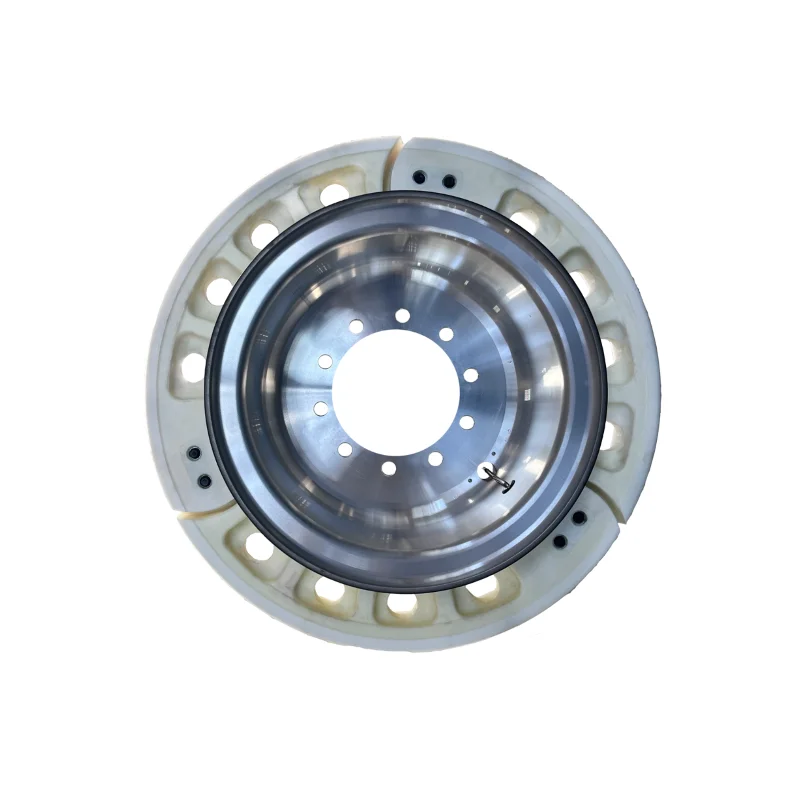
Ang kaligtasan ng militar na sasakyan ay nakasalalay sa kumplikadong interaksyon ng mga elemento ng disenyo, inhinyeriyang pangmateryales, at pagganap sa operasyon sa ilalim ng matitinding kondisyon. Sa bilang ng mga mahahalagang bahagi na direktang nakaaapekto sa tactical mobility at proteksyon ng tauhan, mga siklotrono ng aluminio ay naging isang mapagbagong teknolohiya sa modernong disenyo ng militar na armada. Ang mga espesyalisadong biyak na sistema na ito ay nagbibigay ng makukukuhang pagpapabuti sa dynamics ng sasakyan, resilience ng istruktura, at katiyakan sa misyon sa iba't ibang kapaligiran ng labanan at pagpapanatili ng kapayapaan. Ang pag-unawa kung paano pinapabuti ng mga gulong na gawa sa aluminum alloy ang kaligtasan ng militar na sasakyan ay nangangailangan ng pagsusuri sa kanilang natatanging katangian bilang materyales, mga pakinabang sa inhinyeriyang aplikado, at mga katangian ng aktwal na pagganap na naghihiwalay sa kanila mula sa tradisyonal na alternatibong bakal sa mga mahihirap na aplikasyon sa militar.
Ang paglipat sa mga gulong na gawa sa aluminum alloy sa mga platform ng militar na sasakyan ay kumakatawan sa higit pa sa isang simpleng pagpapalit ng materyales. Ito ay sumasalamin sa isang estratehikong pagbabago patungo sa pag-optimize ng pamamahagi ng timbang ng sasakyan, pagpapabuti ng pangangasiwa sa init, at pagpapahusay ng mga sukatan ng kaligtasan na direktang nakaaapekto sa mga resulta ng misyon. Ang mga inhinyero at mga eksperto sa pagbili ng militar ay unti-unting kinikilala na ang pagganap ng sistema ng gulong ay nakaaapekto sa lahat mula sa kahusayan ng balistikong proteksyon hanggang sa paglaban sa pagbaligtad, kaya ang pagpili ng materyal ng gulong ay isang pangunahing pagsasaalang-alang sa kaligtasan. Ang mga tiyak na mekanismo kung saan ang mga gulong na gawa sa aluminum alloy ay nag-aambag sa pagpapahusay ng kaligtasan ng militar na sasakyan ay sumasaklaw sa maraming larangan ng inhinyeriya, mula sa mga katangian ng metal hanggang sa pag-absorb ng enerhiya sa impact, kung saan bawat isa ay may natatanging papel sa pagprotekta sa mga tauhan at sa pagpanatili ng operasyonal na kakayahan sa ilalim ng mga hostile na kondisyon.
Ang pangunahing pakinabang sa kaligtasan ng mga gulong na gawa sa aluminyo ay nagmumula sa kanilang napakagandang ratio ng lakas sa timbang, na malinaw na nag-uunlad kumpara sa mga tradisyonal na disenyo ng gulong na gawa sa bakal. Ang mga aluminyong alloy na ginagamit sa militar, na karaniwang may kasamang mga elemento tulad ng magnesium, silicon, at tanso, ay nakakamit ng tensile strength na lampas sa 300 MPa habang pinapanatili ang densidad na humigit-kumulang isang ikatlo lamang ng densidad ng bakal. Ang kahusayan ng materyal na ito ay direktang nagdudulot ng mga pakinabang sa kaligtasan sa pamamagitan ng pagbawas sa 'unsprung mass', na nagpapabuti sa pagtugon ng sistema ng suspension at sa pagkakapareho ng 'tire contact patch' habang gumagawa ng mga maniobra para iwasan ang panganib. Kapag ang mga sasakyang militar ay naglalakbay sa hindi pantay na lupa o nagpapatakbo ng mga biglang pagbabago ng direksyon upang maiwasan ang mga banta, ang mas mababang 'rotational inertia' ng mga gulong na gawa sa aluminyo ay nagpapahintulot sa mas mabilis na reaksyon ng suspension at sa mas mahuhulaang pag-uugali ng sasakyan, na nagpapababa ng panganib ng pagbaligtad at nananatiling kontrolado ang operasyon na tactical.
Ang pagbawas ng timbang na nakamit sa pamamagitan ng mga gulong na gawa sa aluminum alloy ay nagdudulot din ng kahalintulad na epekto sa kaligtasan sa buong sistema ng sasakyan. Sa pamamagitan ng pagbaba ng kabuuang timbang ng sasakyan nang hindi binabawasan ang kakayahang magdala ng karga, ang mga gulong na ito ay nagpapahintulot sa mga militar na plataporma na magdala ng karagdagang proteksyon laban sa balas, kagamitan ng tauhan, o mahahalagang suplay para sa misyon habang nananatili pa rin sa loob ng mga itinakdang limitasyon sa timbang. Ang fleksibilidad na ito ay lalo pang mahalaga para sa mga armored personnel carrier at tactical support vehicle kung saan ang bawat kilogramong timbang na naiparaan ay maaaring i-reallocate para sa mas mataas na ballistic protection o mas mahusay na performance ng powerplant. Ang mga designer ng militar na sasakyan ay kinukwenta na ang pagpapalit ng mga gulong na bakal sa mga alternatibong gulong na gawa sa aluminum alloy ay maaaring bawasan ang kabuuang timbang ng wheel assembly ng 40–50%, na nagpapalaya ng malaking allowance sa timbang para sa mga sistemang kritikal sa kaligtasan nang hindi nababawasan ang performance sa paggalaw.
Ang mga gulong na gawa sa pasador ng aluminum ay nagpapakita ng natatanging mga pakinabang sa pagpapatakbo ng enerhiya ng impact sa panahon ng mga operasyong pandigma at mga misyong militar sa labas ng kalsada. Ang kristalinong istruktura ng mga pasador ng aluminum na angkop na pinainit ay nagpapakita ng kontroladong mga katangian ng dehormasyon sa ilalim ng biglang mga load ng impact, na sumisipsip ng enerhiya ng collision sa pamamagitan ng napapanatiling pag-yield ng materyal imbes na punit na pagsira. Kapag ang mga sasakyang militar ay nakakaranas ng mga hadlang tulad ng mga basurang nasa tabi ng kalsada, mga piraso ng improvised explosive device, o mga tampok ng magaspang na terreno, ang mga gulong na gawa sa pasador ng aluminum ay unti-unting dumedeform upang ma-dissipate ang mga force ng impact, na protektado ang mahahalagang bahagi ng suspension at panatilihin ang mobility ng sasakyan. Ang kakayahan nitong sumipsip ng enerhiya ay binabawasan ang paglipat ng mga shock load sa chassis ng sasakyan at sa kuwarto ng tauhan, na direktang nagpapataas ng kaligtasan ng mga sakay sa panahon ng mga kinetic event.
Ang uri ng pagkabigo ng mga gulong na gawa sa aluminyo na alloy sa ilalim ng mga kondisyong may labis na karga ay nag-aambag din sa kaligtasan ng mga militar na sasakyan sa paraan na hindi kayang tularan ng mga alternatibong gulong na gawa sa bakal. Sa halip na biglang magpunit o maghiwalay mula sa mga hardware na ginagamit sa pagkakabit, ang mga gulong na gawa sa aluminyo na alloy na sumusunod sa mga espesipikasyon ng militar ay karaniwang nagpapakita ng mga pattern ng ductile (nakapapalawak) na pagkabigo na nananatiling bahagyang buo ang istruktura kahit matapos nang makatanggap ng malaking pinsala. Ang katangiang ito ng progresibong pagkabigo ay nagbibigay sa mga opereytor ng militar ng patuloy na limitadong kakayahang gumalaw kahit na nasaktan na ang gulong, na nagpapahintulot sa taktikal na pagretro o pagreposition sa halip na ganap na pagkawala ng paggalaw. Ang mga protokol sa pagsusuri para sa depensa ay nakadokumento ng mga kaso kung saan ang mga nasaktang gulong na gawa sa aluminyo na alloy ay nagbigay-daan sa mga militar na sasakyan na lumipat ng ilang kilometro sa mas mababang bilis matapos makatanggap ng pinsalang dulot ng labanan—na kung saan ay magdudulot ng agarang pagkawala ng paggalaw kung gamitin ang karaniwang sistema ng mga gulong na gawa sa bakal.
Ang superior na thermal conductivity ng mga siklotrono ng aluminio ay nakaa-address sa isang kritikal na pangangalaga sa kaligtasan sa operasyon ng mga militar na sasakyan: ang pamamahala ng init ng sistema ng pagsuspinde habang ginagamit nang paulit-ulit at mataas ang intensidad. Ang mga aluminong alloy ay nagpapadala ng init nang humigit-kumulang tatlong beses na mas epektibo kaysa sa bakal, na nagpapadali ng mabilis na paglipat ng thermal na enerhiya mula sa mga bahagi ng pagsuspinde patungo sa kapaligiran. Sa panahon ng mahabang operasyong pandigma na nangangailangan ng madalas na pagpapahinto o mahabang pagbaba sa mga bundok, ang mas epektibong pagkalat ng init na ito ay nakakaiwas sa brake fade at nananatiling pare-pareho ang lakas ng pagpapahinto. Ang kaligtasan ng militar na sasakyan ay lubos na umaasa sa maaasahang pagganap ng pagsuspinde, at ang mga gulong na gawa sa aluminum alloy ay may makikitang ambag sa pagpapanatili ng kahusayan ng sistema ng pagsuspinde sa ilalim ng tuloy-tuloy na thermal na stress na katangian ng mga operasyong militar.
Ang pamamahala ng init ay naging lalo pang mahalaga sa mga panlaban na militar na sasakyan kung saan ang mga sistema ng pagsuspinde ay kailangang pamahalin ang kinetic energy ng malaki ang timbang na mga sasakyan kumpara sa mga sibil na aplikasyon. Ang thermal efficiency ng mga gulong na gawa sa aluminum alloy ay tumutulong na pigilan ang mapanganib na kondisyon ng pag-evaporate ng brake fluid, na nagdudulot ng ganap na pagkabigo ng sistema ng pagsuspinde at isa sa pinakapeligrosong mekanikal na pagkabigo sa operasyon ng militar na sasakyan. Sa pamamagitan ng pagpapanatili ng mas mababang temperatura habang gumagana ang buong sistema ng pagsuspinde, ang mga gulong na gawa sa aluminum alloy ay nagpapalawig ng kaligtasan bago marating ang kritikal na thermal threshold, na nagbibigay ng mas maaasahang kontrol sa sasakyan para sa mga opereytor ng militar habang nasa tactical movements. Ang pagsusuri sa mga sasakyang pangdepensa ay nakasukat ng 15–20 porsyento na pagbaba sa temperatura ng brake rotor kapag ang mga gulong na gawa sa aluminum alloy ang ginagamit sa halip na mga gulong na gawa sa bakal sa ilalim ng parehong operational profile, na kumakatawan sa makabuluhang pagpapabuti sa thermal safety margins.
Ang nabawasang mass ng unsprung na likas sa mga gulong na gawa sa aluminum alloy ay direktang nagpapabuti sa dynamics ng pagmamaneho ng militar na sasakyan, na nagpapahusay sa kakayahan ng mga operador na maiwasan ang mga collision at panatilihin ang kontrol habang isinasagawa ang mga emergency maneuver. Ang unsprung mass ay tumutukoy sa mga bahagi ng sasakyan na hindi sinusuportahan ng suspension system, kabilang ang mga gulong, goma, at mga brake assembly. Kapag bumababa ang unsprung mass, mas mabilis na tumutugon ang mga suspension system sa mga pagbabago sa ibabaw ng daan, na pinapanatili ang mas pare-parehong kontak ng goma sa lupa at nagbibigay ng mas mahusay na feedback at kontrol sa mga driver. Para sa mga militar na sasakyan na gumagana sa mga combat zone kung saan maaaring kailanganin ang biglaang evasive action upang maiwasan ang hostile fire o mga banta sa kalsada, ang ganitong pinabuting responsiveness sa pagmamaneho ay maaaring magbigay ng pagkakaiba sa pagitan ng matagumpay na pag-iwas sa banta at pagkompromiso sa sasakyan.
Ang pagsusuri sa mga sasakyang pandigma ay nagpakita ng mga pagpapabuti sa paggamit ng mga gulong na gawa sa aluminum alloy gamit ang mga pamantayan sa pagsusuri ng emergency maneuver. Ang mga paghahambing ay nagpapakita na ang mga sasakyan na may mga gulong na gawa sa aluminum alloy ay nakakakuha ng mas maikling distansya ng pagpapahinto, mas maliit na radius ng pagliko, at mas matatag na kontrol sa direksyon habang gumagawa ng mga pagbabago ng lane kumpara sa mga katulad na sasakyan na gumagamit ng mga gulong na bakal. Ang mga pagkakaiba sa pagganap na ito ay lalo pang lumalakas kapag nasa mataas na bilis ang mga tactical movement at kapag ang mga sasakyan ay dala ang pinakamataas na antas ng armor at kagamitan. Ang mas mataas na antas ng paghuhula sa pag-uugali ng sasakyan na dulot ng mga gulong na gawa sa aluminum alloy ay nababawasan ang workload ng operator sa mga sitwasyong may mataas na antas ng stress, na nagbibigay-daan sa mga driver ng militar na i-focus ang kanilang kognitibong resources sa pagtataya ng banta at sa pagsasagawa ng misyon imbes na kompensahin ang mabagal na tugon ng sasakyan.
Ang mga insidente ng pagbaling (rollover) ay kumakatawan sa isa sa pinakamalubhang panganib sa kaligtasan sa operasyon ng mga militar na sasakyan, lalo na para sa mga mataas na profile na tactical vehicle na gumagana sa hindi pantay na lupa o habang nasa mataas na bilis na tactical na paggalaw. Ang mga gulong na yari sa aluminum alloy ay nag-aambag nang malaki sa pag-iwas sa pagbaling sa pamamagitan ng pagbaba sa sentro ng grabidad ng sasakyan sa pamamagitan ng pagbawas ng timbang sa posisyon ng mga gulong. Dahil ang mga gulong ay matatagpuan sa pinakamalayong distansya mula sa sentral na aksis ng sasakyan, ang pagbawas ng timbang sa mga posisyong ito ay may di-proporsyonadong positibong epekto sa katatagan. Ang mas mababang sentro ng grabidad na nakamit gamit ang mga gulong na yari sa aluminum alloy ay nagpapataas ng anggulo ng threshold para sa pagbaling, ibig sabihin, ang sasakyan ay maaaring tumawid sa mas matarik na gilid na slope o maisagawa ang mas agresibong lateral na galaw bago marating ang tipping point.
Ang mga istatistika sa kaligtasan ng mga sasakyang pandigma ay nagpapakita na ang mga insidente ng pagbaliktad ay sumasaklaw ng isang malaking porsyento ng mga biktima na hindi dulot ng labanan sa mga deployed na puwersa, kaya naman ang pag-iwas sa pagbaliktad ay isang prayoridad sa disenyo ng sasakyan at sa pagpili ng mga bahagi. Ang mga pagpapabuti sa katatagan na ibinibigay ng mga gulong na gawa sa aluminum alloy ay lalo pang kapaki-pakinabang sa mga sasakyan na may proteksyon laban sa mina at ambus (MRAP) at sa iba pang mataas na profile na militar na plataporma kung saan ang mataas na posisyon ng tauhan at ang bigat ng armor ay lumilikha ng likas na mga hamon sa katatagan. Ang pagsusuri sa engineering ay nagpapakita na ang pagbaba sa sentro ng gravity na nakamit sa pamamagitan ng paggamit ng mga gulong na gawa sa aluminum alloy ay maaaring dagdagan ang resistensya sa pagbaliktad ng 8–12 porsyento depende sa konpigurasyon ng sasakyan, na kumakatawan sa isang makabuluhang pagpapahusay sa kaligtasan ng tauhan habang nasa operasyong tactical. Ang kalamangan sa katatagan na ito ay umaabot din sa mga sitwasyon kung saan ang mga sasakyan ay kailangang dumaan sa mga lugar na puno ng mga sirang bagay, nasirang imprastraktura, o hindi handang ibabaw kung saan mas mataas ang panganib ng pagbaliktad.
Ang kaligtasan ng mga sasakyang pandigma ay umaabot sa labas ng pag-iwas sa aksidente at kasali rin dito ang pagkakaroon ng kakayahang mabuhay at patuloy na gumalaw kahit matamaan ng pinsala. Ang mga gulong na gawa sa aluminyo na alloy ay nagpapakita ng mas mataas na pagganap sa pagpapanatili ng limitadong kakayahang operasyonal matapos ang pinsalang pandigma o kabiguan sa mekanikal kumpara sa tradisyonal na disenyo ng gulong na gawa sa bakal. Ang mga katangian ng materyal ng aluminyo na alloy na ginagamit sa militar ay nagpapahintulot sa mga gulong na panatilihin ang bahagyang kakayahang magdala ng bigat kahit matamaan ng mga punit, dehormasyon, o mga impact ng mga piraso na kung saan ay lubos na magpapahinto sa paggana ng mga gulong na gawa sa bakal. Ang kakayahang ito na tumanggap ng pinsala ay nagbibigay-daan sa mga sasakyang pandigma na patuloy na gumalaw papunta sa mga ligtas na posisyon o mga puntong pang-ekstraksiyon imbes na maging hindi makagalaw sa mga kapaligirang may hostile na kalagayan kung saan ang kahinaan ng crew ay lumalaki nang malaki.
Ang mga protokol sa pagsusuri para sa depensa ay napatunayan ang mga pakinabang sa paggalaw sa ilalim ng kondisyon ng pinsala ng mga gulong na gawa sa aluminum alloy sa pamamagitan ng kontroladong pagsusuri sa pagkabigo at mga programa sa pagsusuri sa field. Kapag inilagay sa mga simuladong pinsala sa labanan—kabilang ang mga ballistic na impact, epekto ng pagsabog, at matitinding pagbangga sa mga hadlang—ang mga gulong na gawa sa aluminum alloy ay paulit-ulit na nagpakita ng kakayahang suportahan ang timbang ng sasakyan at panatilihin ang paggalaw pasulong sa mahabang distansya kahit may nakikitang pagkasira sa istruktura. Ang katangiang ito ng pagtitiis ay sumasalig sa doktrina ng kaligtasan ng militar na binibigyang-diin ang pagpapanatili ng paggalaw bilang pangunahing salik ng kaluguan. Ang kakayahang alisin ang mga nasirang sasakyan mula sa mga lugar ng labanan gamit ang sariling kapangyarihan nito, kahit sa mas mababang bilis, ay malaki ang nagpapababa sa pagkakalantad ng tauhan sa hostile na aksyon at nagpapabuti sa kabuuang kaligtasan ng misyon sa mga kontrobersyal na operasyonal na kapaligiran.
Ang modernong kaligtasan ng militar na sasakyan ay lumalaking umaasa sa mga pinagsamang sistema na nag-uugnay ng maraming teknolohiya para sa proteksyon, at ang mga gulong na gawa sa aluminum alloy ay nagpapakita ng napakahusay na kakatian sa mga advanced na run-flat sistema ng gulong na mahalaga para sa operasyon ng militar. Ang mga teknolohiya ng run-flat ay nagpapahintulot sa patuloy na paggalaw ng sasakyan kahit matapos na ma-deflate ang gulong dahil sa butas, ballistic na pinsala, o pagkawala ng presyon, na nagpipigil sa pagkakalock ng sasakyan sa mga mapanganib na kapaligiran. Ang mga gulong na gawa sa aluminum alloy ay nagbibigay ng kahalagahan sa presisyong istruktural at pagkakapareho ng sukat na kinakailangan para sa epektibong integrasyon ng sistema ng run-flat, na panatilihin ang mahahalagang toleransya upang matiyak ang tamang pagganap ng mga panloob na suportang istruktura o mga pinalakas na sistema ng gilid ng gulong. Ang magaan na kalikasan ng mga gulong na gawa sa aluminum alloy ay nababawasan din ang karagdagang di-nasusukat na masa (unsprung mass) na kaakibat ng mga pinaandar na gulong ng run-flat, na bahagyang nakakakompensate sa dagdag na bigat na karaniwang inilalagay ng mga sistemang ito para sa kaligtasan.
Ang mga katangiang pang-init ng mga gulong na gawa sa alloy ng aluminum ay naging lalo pang mahalaga kapag isinama sa mga sistema ng run-flat na gulong habang patuloy na ginagamit sa mga kondisyon kung saan ang presyon ng hangin ay nawala. Ang pagmamaneho gamit ang run-flat na gulong ay nagdudulot ng malaking init dahil sa nadagdagang pag-uunat ng gilid ng gulong at sa pakikipag-ugnayan ng gulong sa rim, na lumilikha ng mga hamon sa pamamahala ng init na maaaring magdulot ng kabiguan na lubhang mapanganib kung hindi ito sapat na nasosolusyunan. Ang mahusay na kakayahan ng mga gulong na gawa sa alloy ng aluminum na magpapalabas ng init ay tumutulong sa pagkontrol sa mga mataas na temperatura na ito, na pinipigilan ang pagkakalat ng init na maaaring sumira sa istruktura ng gulong o magsanhi ng pagkasira ng materyales ng gulong. Ipinakita ng mga pagsusuri sa militar na ang mga gulong na gawa sa alloy ng aluminum ay nagpapahintulot ng mas mahabang saklaw ng operasyon sa mode ng run-flat kumpara sa mga katumbas na gulong na gawa sa bakal, kung saan ang ilang konpigurasyon ay nakakapagbigay ng taktikal na mobility sa loob ng 50–100 kilometro kahit na wala nang presyon ng hangin, na lubhang nagpapataas ng kaligtasan ng tauhan at ng posibilidad na matapos ang misyon.
Ang ebolusyon ng kaligtasan ng mga sasakyang pandigma ay sumasali na nang mas aktibo sa mga sistemang pang-monitoring na nagbibigay ng real-time na impormasyon tungkol sa kondisyon at pagganap ng mga bahagi, at ang mga gulong na gawa sa aluminyo na alloy ay nag-aalok ng malaking mga pakinabang para sa integrasyon ng mga sensor kumpara sa tradisyonal na disenyo na gawa sa bakal. Ang mga hindi pambubuod na katangian (non-ferromagnetic properties) ng mga alloy na aluminyo ay nag-aalis ng mga isyu sa magnetic interference na nagkukomplika sa pag-mount ng mga sensor at sa transmisyon ng signal sa mga kapaligiran na may gulong na bakal. Ang katangiang ito ay nagpapahintulot ng mas maaasahang pag-install ng mga sistema ng monitoring ng presyon ng gulong, mga sensor ng temperatura, at mga device na nagmo-monitor ng integridad ng istruktura—na bumubuo ng pundasyon ng predictive maintenance at mga kakayahan sa maagang babala. Ang mga operador ng militar ay nakikinabang mula sa mas tumpak na impormasyong kritikal sa kaligtasan kapag ang mga gulong na aluminyo na alloy ay sumusuporta sa mga advanced na teknolohiya ng sensing nang walang signal distortion at mga hamon sa calibration na likas sa mga materyales ng gulong na ferromagnetic.
Ang mga advanced na platform ng militar na sasakyan ay gumagamit nang mas dumarami ng sentralisadong sistema ng pagsubaybay sa kalusugan ng sasakyan na nagpupunyagi ng datos mula sa maraming sensor upang magbigay ng komprehensibong impormasyon tungkol sa kalagayan ng kaligtasan at mga babala ng prediktibong kabiguan. Ang mga gulong na gawa sa aluminum alloy ay tumutulong sa integrasyong ito sa pamamagitan ng kanilang superior na dimensional stability at nababawasan ang mga katangian ng electromagnetic interference, na nagpapahintulot sa mas tiyak na pagsukat ng bilis ng gulong, pagsubaybay sa kondisyon ng bearing, at pagsubaybay sa pagganap ng sistema ng pampatigil. Ang mga katangian ng materyal ng aluminum alloy ay sumusuporta rin sa mga nakapaloob na teknolohiya ng sensor na kaya nang tukuyin ang structural fatigue o ang pag-akumula ng pinsala bago ang anumang katastropikal na kabiguan. Ang proaktibong paraan ng kaligtasan na ito ay umaayon sa modernong doktrina ng militar na sasakyan na binibigyang-diin ang preventive maintenance at operational readiness, kung saan ang mga sistema ng pagsubaybay sa mga bahagi ay tumutulong sa mga komandante na gumawa ng impormadong desisyon tungkol sa deployment ng sasakyan at pagtataya ng panganib sa misyon batay sa aktwal na kondisyon ng kagamitan imbes na sa conservative na mga iskedyul ng pagpapanatili.
Ang pagtitipid ng timbang na nakamit sa pamamagitan ng mga gulong na gawa sa aluminum alloy ay nagbibigay-daan sa mga disenyador ng militar na sasakyan na i-optimize ang distribusyon at saklaw ng panlaban nang hindi lumalampas sa mga limitasyon ng disenyo ng sasakyan o binabawasan ang kinerya nito sa paggalaw. Ang kaligtasan ng modernong militar na sasakyan ay lubos na umaasa sa mga sistema ng balistikong proteksyon na nagpapangalaga sa mga kompartimento ng tauhan laban sa mga bala, mga sipa, at epekto ng pagsabog. Gayunpaman, ang timbang ng panlaban ay kumakatawan sa pinakamalaking pagsasaalang-alang sa timbang sa disenyo ng militar na sasakyan, na lumilikha ng mahihirap na kompromiso sa pagitan ng antas ng proteksyon at operasyonal na paggalaw. Sa pamamagitan ng pagbawas sa timbang ng sistema ng gulong sa pamamagitan ng paggamit ng aluminum alloy, ang mga disenyador ay nakakakuha ng kakayahang umangkop upang palakasin ang saklaw ng panlaban sa mga mahahalagang lugar o gamitin ang mas advanced na mga sistema ng composite armor na nag-aalok ng mas mataas na proteksyon sa katumbas na timbang kumpara sa tradisyonal na bakal na panlaban.
Ang optimisasyon ng timbang na ito ay umaabot pa sa simpleng pagpapalit ng masa upang magbigay-daan sa mas sopistikadong mga pamamaraan para sa kaligtasan ng militar na sasakyan. Ang pahintulot sa masa na naibigay ng mga gulong na gawa sa aluminyo na alloy ay maaaring suportahan ang mga sistema ng reaktibong armor, mga spall liner, at mga teknolohiya para sa pagbawas ng panganib mula sa pagsabog na tumutugon sa mga tiyak na banta na may kaugnayan sa kasalukuyang operasyon ng militar. May dokumentadong mga kaso sa mga programa ng militar na sasakyan kung saan ang paglipat sa mga gulong na gawa sa aluminyo na alloy ay nagbigay-daan sa mga upgrade sa armor na nagpabuti ng mga rating sa balistikong proteksyon ng isang buong antas ng klasipikasyon nang hindi kailangang baguhin ang powertrain o palakasin ang suspension. Ang kakayahang ito na mapabuti ang proteksyon sa loob ng umiiral na arkitektura ng sasakyan ay kumakatawan sa isang malaking pag-unlad sa kaligtasan, na nagbibigay-daan sa mga pwersang militar na i-adapt ang mga lumang plataporma sa umuunlad na kapaligiran ng banta sa pamamagitan ng mga target na upgrade imbes na sa mahal na mga programa ng pagpapalit ng sasakyan.
Ang mga sasakyang pangmilitar ay gumagana sa ilan sa pinakakorosibong kapaligiran na kinakaharap ng mga kagamitan sa lupaing transportasyon, mula sa mga rehiyong pampandagat na may hangin na puno ng asin hanggang sa mga disyerto na may alkalino at abo at ekstremong pagbabago ng temperatura. Ang mga gulong na gawa sa aluminyo ay nagpapakita ng mas mataas na paglaban sa korosyon kumpara sa mga alternatibong gulong na gawa sa bakal sa mga hamon na ito, na panatilihin ang integridad ng istruktura at ang pagganap ng kaligtasan sa buong mahabang operasyonal na deployment. Ang likas na pagbuo ng aluminyo oksido sa mga nakalantad na ibabaw ay lumilikha ng protektibong barrier na may kakayahang mag-ayos ng sarili, na nanghihinto sa progresibong korosyon na katangian ng pagkasira ng mga gulong na gawa sa bakal. Ang paglaban sa korosyon na ito ay direktang nagpapahusay ng kaligtasan ng mga sasakyang pangmilitar sa pamamagitan ng pagpigil sa gradwal na pagbaba ng lakas at sa hindi inaasahang mga pagkabigo ng istruktura na kaugnay ng pagpasok ng rust sa mga bahagi na gawa sa bakal.
Ang pangmatagalang implikasyon sa kaligtasan ng paglaban sa korosyon ay naging lalo pang kritikal sa logistikang militar at sa pagpaplano para sa kahandaan. Ang mga gulong na gawa sa aluminong alloy ay nananatiling pare-pareho ang kanilang mekanikal na katangian at tiyak na sukat sa buong kanilang panahon ng paggamit, samantalang ang mga gulong na gawa sa bakal ay kailangang inspeksyunin nang mas madalas at palitan nang mas maaga dahil sa pagbaba ng kalidad dulot ng korosyon. Ang ganitong kalamangan sa tibay ay nababawasan ang panganib ng di-inaasahang pagkabigo ng gulong habang nasa misyon at nagbibigay-daan sa mas mahuhulaang pagpaplano ng pagpapanatili batay sa aktwal na pagkasira imbes na sa pag-unlad ng korosyon. Ayon sa mga namamahala ng militar na fleet, ang mga gulong na gawa sa aluminong alloy ay may buhay na serbisyo na 40–60 porsyento nang mas mahaba kaysa sa katumbas na gulong na gawa sa bakal sa mga kapaligirang operasyonal na may mataas na antas ng korosyon—na kumakatawan parehong sa pagpapabuti ng kaligtasan at sa pagpapahusay ng kahusayan sa logistika. Ang mas mababang posibilidad ng korosyon ay nagpapasimple rin sa mga prosedurang pampatlang na pagpapanatili, dahil ang mga teknisyan ay gumugol ng mas kaunti lamang na oras sa pag-aayos ng pinsala dulot ng korosyon at mas maraming oras sa mga gawaing inspeksyon at serbisyo na kritikal sa kaligtasan.
Ang mga katangian ng pagtutol sa pagod ng maayos na idisenyo na mga gulong na gawa sa aluminong alloy ay nag-aambag nang malaki sa kaligtasan ng militar na sasakyan sa mahabang panahon sa pamamagitan ng pag-iwas sa pagsisimula at pagkalat ng mga pukyutan na maaaring magdulot ng pangkalahatang pagkabigo ng estruktura. Ang mga gulong ng militar na sasakyan ay kailangang tumiis sa mga siklikong pagkarga na mas matindi kaysa sa mga sibil na aplikasyon, kung saan ang paulit-ulit na mataas na impluwensya ng impact, mga lateral na puwersa habang humihigpit, at thermal cycling ay lumilikha ng mga kondisyon na nagpapadali sa pagod ng materyal. Ang mga advanced na komposisyon ng aluminong alloy at mga protokol sa heat treatment ay pinapaganda ang lakas ng materyal laban sa pagod, na nagpapahintulot sa mga gulong na sumusunod sa mga espesipikasyon ng militar na tiisin ang milyon-milyong siklo ng stress nang walang pagbuo ng mapanganib na mga pukyutan. Ang tibay na ito ay nagpapatiyak ng pare-parehong pagganap sa kaligtasan sa buong mahabang operasyonal na deployment kung saan ang mga pagkakataon para sa kapalit ng gulong ay maaaring limitado.
Ang pagsusuri sa kwalipikasyon para sa militar ng mga gulong na gawa sa aluminum alloy ay kasama ang mahigpit na mga protokol sa pagsusuri ng pagkapagod na nagpapahayag ng taon-taong stress sa operasyon sa mga pabilis na programa ng pagsusuri. Ang mga pagsusuring ito ay nagpapatunay na ang mga gulong ay nananatiling may integridad na istruktural sa ilalim ng mga kondisyon ng pagkarga na kumakatawan sa pinakamasamang senaryo para sa militar, kabilang ang maximum na timbang ng sasakyan, operasyon sa mataas na bilis sa magaspang na lupa, at pangmatagalang pagkakalantad sa mataas na temperatura. Ang paglaban sa pagkapagod ng mga gulong na gawa sa aluminum alloy ay nagreresulta sa mas mataas na kaligtasan sa operasyon sa pamamagitan ng pagbawas sa posibilidad ng biglang pagkabigo ng gulong habang nasa kritikal na yugto ng misyon. Hindi tulad ng korosyon o nakikitang pinsala na maaaring matukoy sa panregulang inspeksyon, ang mga pukyutan dahil sa pagkapagod ay madalas na umuunlad sa loob at mabilis na lumalawak hanggang sa pagkabigo nang walang babala. Ang superior na katangian laban sa pagkapagod ng mga aluminum alloy na ginagamit sa militar ay nagbibigay ng kaligtasan laban sa mapanganib na uri ng pagkabigo na ito, na nananatiling nagpaprotekta sa tauhan sa buong operasyonal na buhay ng gulong.
Ang mga katangian ng disenyo ng mga gulong na gawa sa aluminong alloy ay nagpapadali ng mas epektibong pagsusuri ng kaligtasan at mga prosedurang pangpanatili kumpara sa mga sistemang gulong na gawa sa bakal, na direktang nag-aambag sa kaligtasan ng mga militar na sasakyan sa pamamagitan ng pagpapabuti ng kakayahang mapanatili. Ang mas magaan na timbang ng mga gulong na gawa sa aluminong alloy ay nababawasan ang pisikal na pagaabala sa mga tauhan na nangangasiwa sa pagpapanatili habang inaalis o inilalagay ang mga gulong, kaya namiminimise ang posibilidad ng maling pag-install o hindi kumpletong pag-apply ng torque na maaaring kompromisahin ang seguridad ng gulong. Ang ganitong ergonomikong kapakinabangan ay lalo pang naging mahalaga sa mga kapaligiran ng field maintenance kung saan ang mga teknisyan ay gumagawa gamit ang limitadong kagamitan at sa ilalim ng presyon ng oras. Ang tamang torque sa mga fastener ng gulong ay isang kritikal na kinakailangan para sa kaligtasan, at ang mas madaling paghawak sa mga gulong na gawa sa aluminong alloy ay sumusuporta sa mas konsehente at pare-parehong pagsunod sa mga espesipikasyon sa pag-install.
Ang mga kakayahan sa pansariling pagsusuri para sa mga gulong na gawa sa aluminum alloy ay lumalampas din sa mga gulong na gawa sa bakal na may pintura, kung saan ang mga panlabas na patong ay maaaring magtago ng mga sumisilang na punit, pinsala dulot ng pagka-ugat, o depekto sa istruktura. Ang maliwanag na metalikong ibabaw ng mga gulong na gawa sa aluminum alloy ay nagpapadali sa mga tauhan sa pagpapanatili na matukoy ang mga punit dulot ng stress, pinsala mula sa impact, o hindi normal na mga pattern ng pagkakaubos habang isinasagawa ang karaniwang pagsusuri sa kaligtasan. Maraming mga gulong na gawa sa aluminum alloy na sumusunod sa mga espesipikasyon ng militar ang may mga tampok para sa pansariling pagsusuri tulad ng mga kontrast na huling pagpapahalaga sa ibabaw o mga naka-integradong tagapagpahiwatig ng pagkakaubos na nagbibigay ng agarang impormasyon tungkol sa kalagayan ng bahagi nang walang kailangang pagbubuhat o espesyal na kagamitan sa pagsusuri. Ang ganitong kadaling ma-access na pagsusuri ay sumusuporta sa proaktibong pamamahala ng kaligtasan, na nagpapahintulot sa mga koponan sa pagpapanatili na matukoy at palitan ang mga gulong na may kapansanan bago pa man ito magdulot ng anumang panganib sa operasyon. Ang doktrina sa pagpapanatili ng militar ay unti-unting binibigyang-diin ang mga pamamaraan ng pagpapanatili batay sa kondisyon—kung saan ang mga desisyon tungkol sa pagpapalit ng bahagi ay nakabase sa aktwal na estado ng pagkakaubos imbes na sa mga itinakdang panahon—at ang mas mataas na antas ng kakayahang suriin ng mga gulong na gawa sa aluminum alloy ay sumusuporta sa pilosopiyang ito ng pagpapanatili na nakatuon sa kaligtasan.
Ang mga gulong na gawa sa aluminyo ay nagpapataas ng kaligtasan ng militar na sasakyan sa pamamagitan ng maraming mekanismo, kabilang ang kanilang mataas na ratio ng lakas sa timbang na nababawasan ang di-nakasusunod na masa (unsprung mass) at nagpapabuti ng pagtugon sa paghawak, mas mahusay na conductivity ng init na nakakaiwas sa pagbaba ng epekto ng pagsasara ng preno (brake fade) habang patuloy ang operasyon, at kontroladong mga katangian ng pag-deform na sumisipsip ng enerhiya mula sa impact habang pinapanatili ang integridad ng istruktura. Ang mga gulong na ito ay bumababa sa sentro ng gravitasyon ng sasakyan upang mabawasan ang panganib ng pagbaligtad, nagpapakita ng progresibong mga mode ng pagkabigo na nananatiling may limitadong kakayahang gumalaw kahit matamaan, at tumutol sa corrosion sa mga mapanganib na kapaligiran upang maiwasan ang hindi inaasahang pagbaba ng istruktura. Ang pagbawas ng timbang ay nagbibigay-daan din sa mas mahusay na proteksyon laban sa bala (armor protection) sa loob ng mga limitasyon sa disenyo ng sasakyan, na direktang nagpapabuti ng kaligtasan ng tauhan.
Ang mga gulong na gawa sa aluminyo na alloy ay nagpapakita ng mas mataas na pagtutol sa pinsala kumpara sa mga alternatibong gulong na gawa sa bakal kapag inilalapat sa mga impact na may kaugnayan sa pakikidigma, kabilang ang mga ballistic strike, explosive fragmentation, at matitinding collision sa mga hadlang. Ang mga katangian ng materyal ng mga aluminyo na alloy na ginagamit sa militar ay nagpapahintulot sa mga gulong na mag-deform nang paunti-unti imbes na mabali nang katas-tas, na panatilihin ang bahagyang kakayahan sa pagbuo ng load kahit matapos makatanggap ng malaking pinsala. Ang katangiang ito ay nagpapahintulot sa mga sasakyang pandigma na magpatuloy sa paggalaw patungo sa mga ligtas na posisyon matapos masira ang gulong, imbes na maging hindi makagalaw sa mga mapanganib na kapaligiran. Ang pagsusuri sa larangan ng depensa ay napatunayan na ang mga gulong na gawa sa aluminyo na alloy na maayos na idisenyo ay kayang suportahan ang taktikal na mobility sa mahabang distansya kahit matapos ang pinsala na lubos na magpapahinto sa mga karaniwang sistema ng gulong na gawa sa bakal.
Oo, ang mga gulong na gawa sa aluminyo na alloy ay malawakang ginagamit sa mga sasakyan na may proteksyon laban sa mina at ambus (mine-resistant ambush-protected vehicles) at katulad na mga platform kung saan sila nakatutulong sa kabuuang pagkabuhay sa pamamagitan ng pagbawas ng timbang at pagpapabuti ng mga katangian ng paggalaw. Ang mas magaan na timbang ng mga gulong na gawa sa aluminyo na alloy ay tumutulong na bawasan ang sentro ng gravitasyon ng sasakyan, na lalo pang kapaki-pakinabang para sa mga disenyo ng sasakyan na may proteksyon laban sa mina na may mataas na profile at nakakaranas ng mas mataas na panganib ng pagbaligtad. Bukod dito, ang pagtitipid sa timbang ay nagbibigay-daan sa mga sasakyang ito na isama ang mas komprehensibong takip na panlaban at mga teknolohiya para sa pagbawas ng epekto ng pagsabog nang hindi lumalampas sa mga kinakailangan sa pagganap ng paggalaw. Ang kontroladong pagkabigo ng mga gulong na gawa sa aluminyo na alloy ay sumasalamin din sa mga pilosopiya sa kaligtasan ng mga sasakyang may proteksyon laban sa mina na binibigyang-prioridad ang pagpapanatili ng kakayahang kumilos kahit matapos makatanggap ng pinsala, na nagpapahintulot sa mabilis na pag-alis mula sa mga mapanganib na kapaligiran.
Ang mga gulong na gawa sa military-grade na aluminum alloy ay nangangailangan ng tiyak na mga protokol sa pagpapanatili na nakatuon sa pagsusuri ng torque ng mga fastener, pansariling inspeksyon para sa mga stress cracks o pinsalang dulot ng impact, at proteksyon sa mga ibabaw ng gulong laban sa galvanic corrosion kapag nakakabit sa mga bahagi na gawa sa magkaibang metal. Hindi tulad ng mga gulong na gawa sa bakal na pangunahing sumisira dahil sa pag-unlad ng rust, ang mga gulong na gawa sa aluminum alloy ay nananatiling kumikilos nang maayos sa istruktura ngunit maaaring magkaroon ng fatigue cracks matapos ang matagal na operasyon sa mataas na stress. Ang mga regular na interval ng inspeksyon ay dapat kasama ang masusing pagsusuri sa mga lugar ng spokes at sa mga ibabaw kung saan nakakabit ang gulong—mga lugar kung saan karaniwang nagkukumpol ang stress. Ang tamang proseso ng pag-install ay napakahalaga, kabilang ang paggamit ng mga fastener na may tiyak na uri, anti-seize compounds sa mga ibabaw kung saan nakakabit ang gulong, at pagsunod sa mga torque specifications na ibinigay ng tagagawa upang maiwasan ang parehong sobrang kahina (na nagdudulot ng paggalaw) at sobrang lakas ng pagpapakapit (na nagdudulot ng pinsala sa materyales ng gulong).
 Balitang Mainit
 EN
EN
 AR
AR
 BG
BG
 FR
FR
 DE
DE
 HI
HI
 IT
IT
 JA
JA
 KO
KO
 PL
PL
 PT
PT
 RU
RU
 ES
ES
 SV
SV
 TL
TL
 ID
ID
 LV
LV
 LT
LT
 SR
SR
 UK
UK
 VI
VI
 TH
TH
 TR
TR
 FA
FA
 AF
AF
 HY
HY
 AZ
AZ
 KA
KA
 BN
BN
 LA
LA
 MN
MN
 SO
SO
 MY
MY
 KK
KK
 UZ
UZ
 KU
KU
 KY
KY