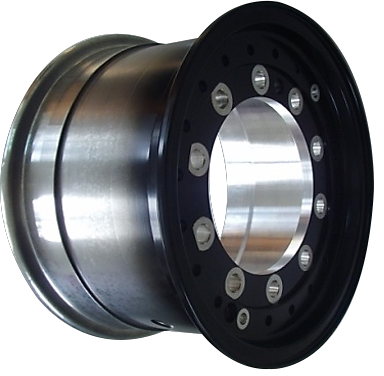
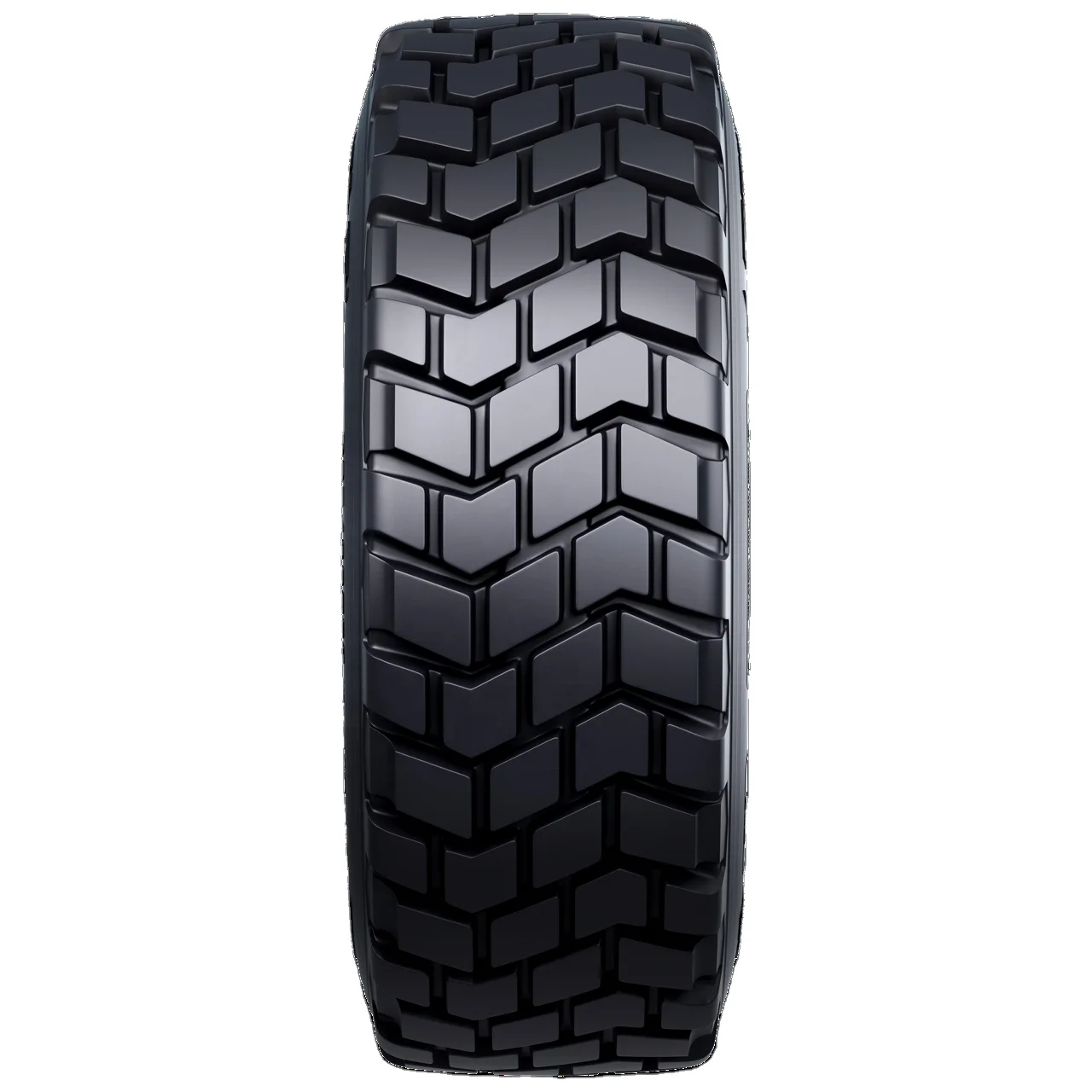
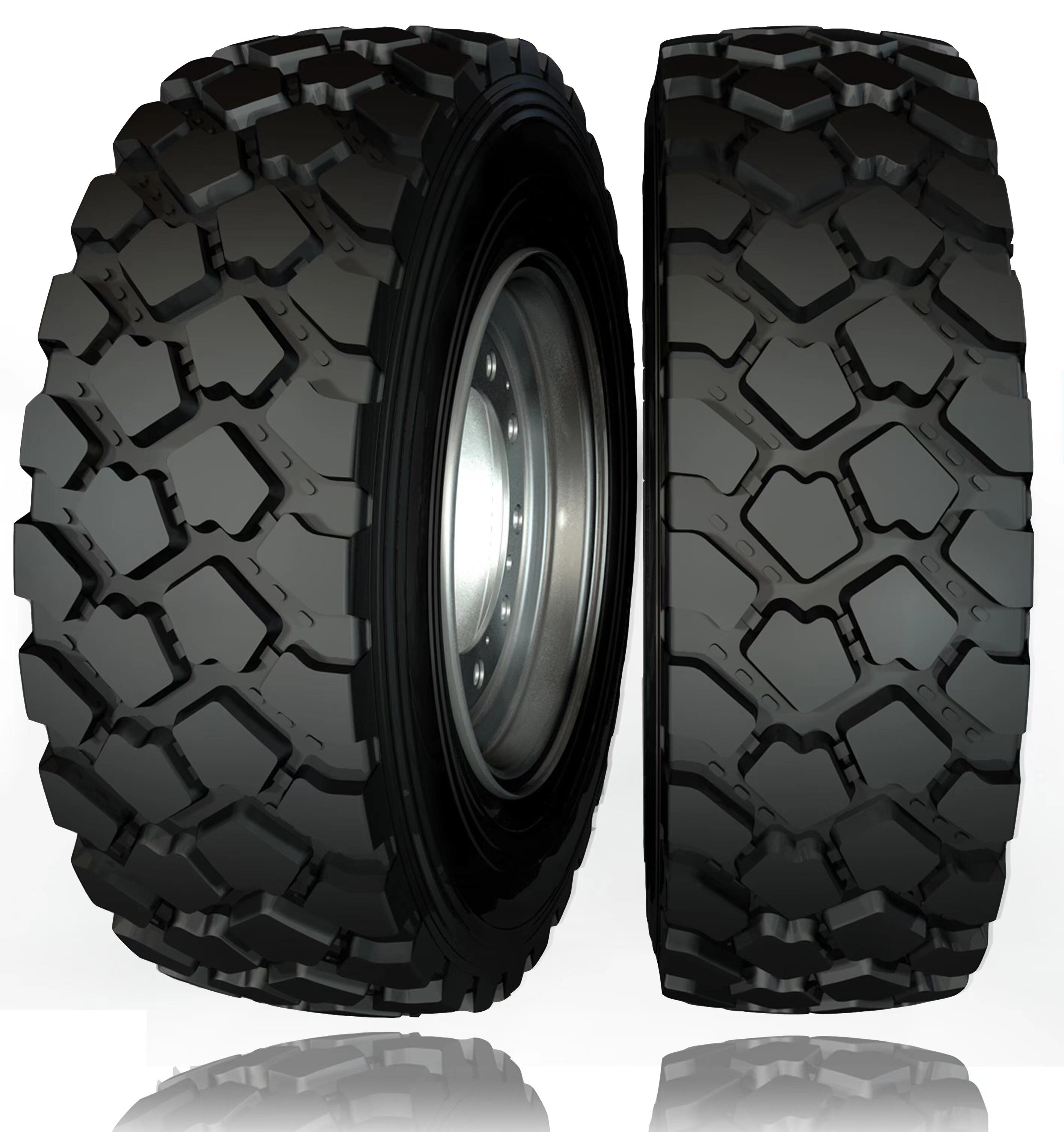
Bilindustrin har genomgått en betydande utveckling vad gäller hjul tillverkning, med aluminiumlegeringshjul som har framträtt som ett premiumval jämfört med traditionella stålhjul. Moderna förare står inför viktiga beslut när de väljer hjul som balanserar prestanda, estetik och kostnadseffektivitet. Att förstå de grundläggande skillnaderna mellan dessa två hjultekniker möjliggör informerade val som direkt påverkar fordonets prestanda, bränsleeffektivitet och den totala körupplevelsen. Denna omfattande analys undersöker de tekniska specifikationerna, prestandaegenskaperna och de praktiska konsekvenserna av att välja mellan aluminiumlegeringshjul och konventionella stålhjulssystem.
Aluminiumlegerade hjul använder sofistikerad metallurgisk teknik för att kombinera aluminium med olika metaller, inklusive magnesium, kisel och koppar. Dessa legeringar skapar lättviktiga strukturer som bibehåller en exceptionell styrka i förhållande till vikten jämfört med traditionella material. Tillverkningsprocessen innefattar precisionsgjutning eller smidningstekniker som möjliggör komplexa spikmönster och aerodynamiska designlösningar som inte kan uppnås med stålkonstruktion. Avancerade värmebehandlingsprocesser förbättrar ytterligare strukturintegriteten och korrosionsbeständigheten hos aluminiumlegerade hjul.
Den molekylära strukturen hos aluminiumlegeringar ger överlägsen värmeledningsförmåga, vilket möjliggör effektiv värmeavledning från bromssystem under intensiva körförhållanden. Denna förmåga att hantera värme minskar bromsförlust avsevärt och förlänger komponenternas livslängd. Moderna aluminiumlegeringsformuleringar innehåller återvunnet material utan att kompromissa med prestandastandarder, vilket stödjer initiativ för miljömässig hållbarhet inom fordonssektorn.
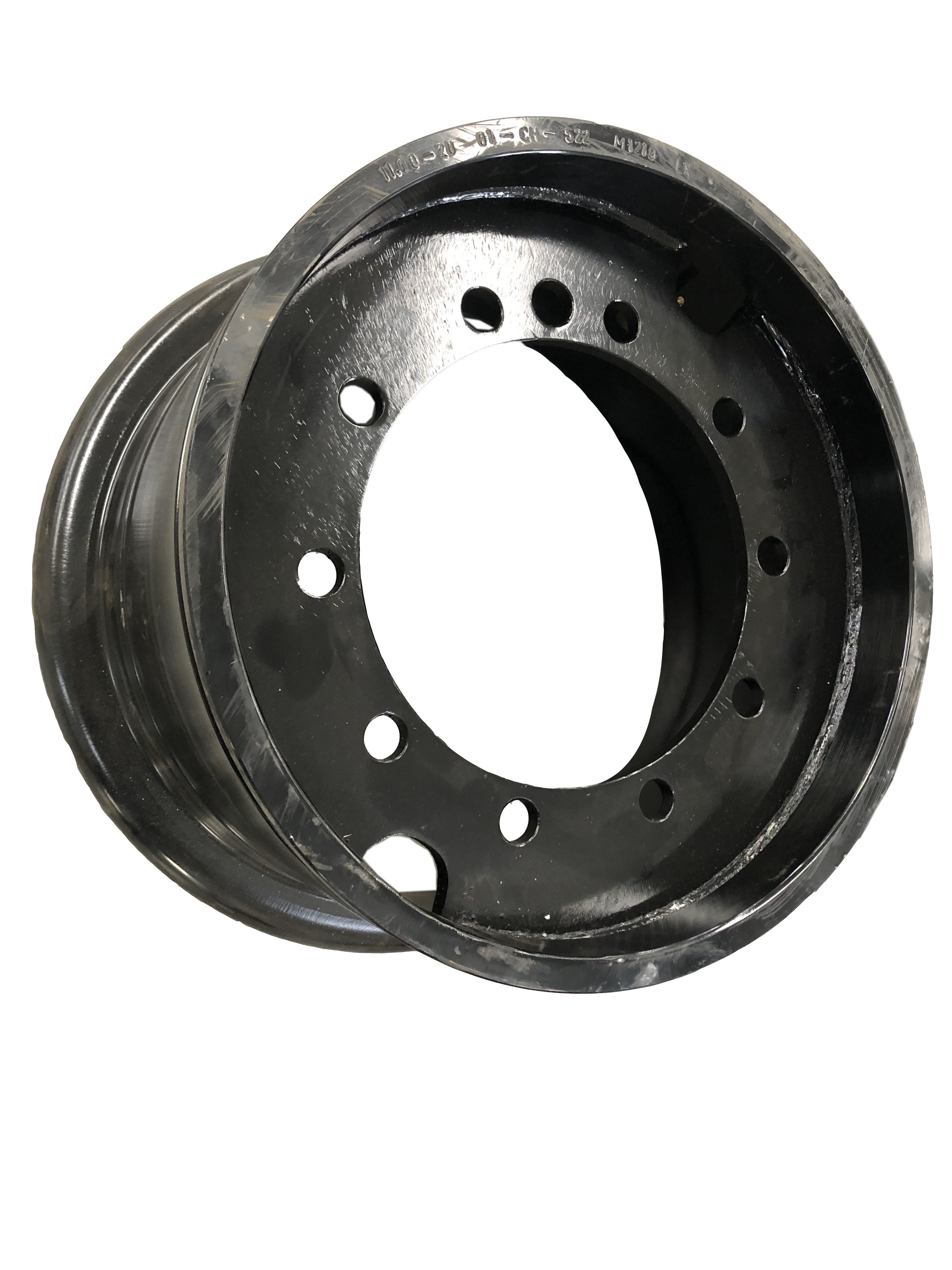
Traditionella stålfälgar använder kolstål som formges genom stansning och svetsning, vilket skapar robusta och kostnadseffektiva fälglösningar. Tillverkningsmetoden fokuserar på hållbarhet och reparerbarhet snarare än viktoptimering eller estetisk utformning. Stålfälgar har vanligtvis enklare design med färre ekrar på grund av tillverkningstekniska begränsningar och materialegenskaper som inte tillåter komplexa geometrier.
Den inneboende styrkan i stålkonstruktionen ger exceptionell slagstyrka, vilket gör dessa fälgar särskilt lämpliga för kommersiella applikationer och krävande körningsmiljöer. Stålfälgar visar överlägsen sprickmotståndskraft jämfört med aluminiumalternativ, även om de offrar vikteffektivitet och termiska prestandaegenskaper.
Den minskade oavvecklade vikten hos aluminiumlegeringshjul förbättrar väsentligt fjäderns respons och det totala fordonsdynamiken. Lägre rotationsmassa minskar energin som krävs för acceleration och inbromsning, vilket resulterar i förbättrad bränsleekonomi och förbättrade prestandaindex. Denna viktminskning leder direkt till minskad belastning på upphängningskomponenter, förlänger livslängden och bibehåller optimal geometrijustering.
Professionella racetillämpningar visar konsekvent prestandafördelarna med lättviktshjulkonstruktion, med mätbara förbättringar av varvtider och fordonshandling. Den minskade gyroskopiska effekten hos lättare hjul förbättrar styrprecisionen och minskar förardagskhet under längre körperioder. Dessa prestandafördelar blir allt tydligare vid intensiv körning och i konkurrensmässiga motorsportstillämpningar.
Den överlägsna värmeledningsförmågan som är inneboende i aluminiumkonstruktion möjliggör effektiv värmeöverföring från bromskomponenter till omgivande luft, vilket förhindrar upphettning som försämrar bromsprestanda. Denna förmåga att hantera värme är särskilt värdefull vid körning i bergs terräng eller på banan, där konsekvent bromsprestanda är avgörande för säkerheten. Förbättrad värmeavgivning minskar bromsvätskans temperatur och förhindrar ånglås, vilket kan kompromettera stoppkraften.
De förbättrade luftflödesegenskaper som är möjliga med aluminiumlegeringshjul möjliggör ytterligare kylning genom aerodynamisk optimering. Komplexa ekrön och ventilationskanaler dirigerar kylande luft över bromsskivor och bromsok, vilket ytterligare förbättrar värmeledningsförmågan utöver vad materialens egenskaper ensamma erbjuder.
Aluminiumlegeringshjul erbjuder närmast obegränsade designmöjligheter tack vare avancerade tillverkningstekniker som tillåter invecklade ekrön, flerdelade konstruktioner och specialfinisher. Materialens egenskaper gör det möjligt att skapa tunna ekrön som maximerar visuell effekt samtidigt som strukturell integritet bevaras. Premiumfinishalternativ såsom polering, pulverlackering och anodisering ger individualiseringsmöjligheter som kompletterar fordonets estetik och personliga preferenser.
De reflekterande egenskaperna hos aluminium förbättrar fordonets utseende genom ljusinteraktion som skapar dynamiska visuella effekter. Ytor med maskinbearbetad finish och kontrasterande färgscheman ger en sofistikerad design som inte är möjlig med målad stål. Dessa estetiska fördelar bidrar avsevärt till fordonets återförsäljningsvärde och ägarzufriedenhet.
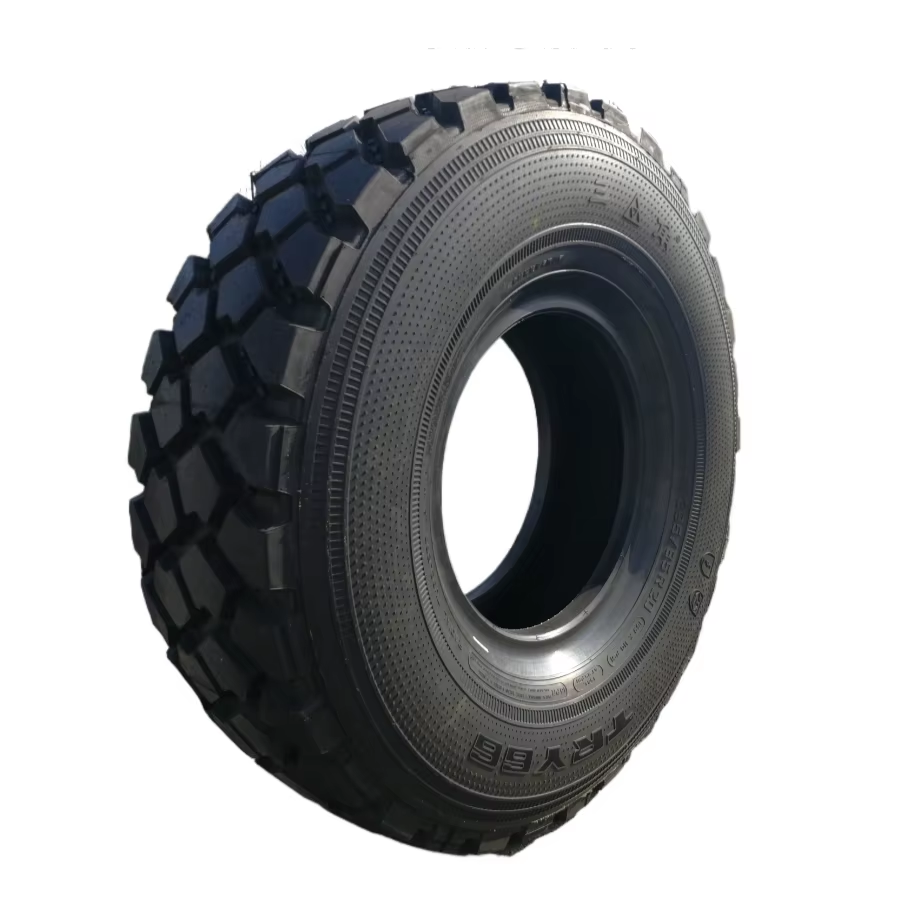
Modern tillverkning av aluminiumlegeringsfälgar möjliggör omfattande anpassning genom varierande offset-konfigurationer, flera storleksalternativ och specialanpassade applikationer inklusive flat däckkompatibilitet. Flexibiliteten i aluminiumkonstruktionen gör att tillverkare kan optimera fälgspecifikationer för specifika fordonstillämpningar samtidigt som det estetiska uttrycket bevaras. Möjligheter till anpassad bearbetning tillåter personliga designlösningar och begränsade produktionsserier för entusiastapplikationer.
Avancerade ytbehandlingar och skyddande beläggningar förlänger livslängden för aluminiumlegeringsfälgar samtidigt som de bevarar deras visuella utseende. Dessa behandlingar motstår korrosion från vägsalt, bromsdammssamling och miljöpåverkan som normalt försämrar fälgens utseende med tiden.
Tillverkningskomplexiteten och materialkostnaderna för aluminiumlegeringsfälgar resulterar i avsevärt högre initiala inköpspriser jämfört med stålalternativ. Dock måste denna investering bedömas utifrån långsiktiga fördelar såsom förbättrad bränsleekonomi, förbättrad fordonprestanda och ökat återförsäljningsvärde. Premiumtillverkare av fälgar erbjuder garantisystem som skyddar mot tillverkningsfel och ger ersättningsförsäkring vid specifika skadehändelser.
Flotttillämpningar och operatörer av kommersiella fordon inser alltmer fördelarna vad gäller totalkostnaden trots högre initiala investeringar. Minskade underhållskrav, förbättrad bränsleeffektivitet och förlängd komponentlivslängd bidrar till positiva ekonomiska resultat under längre användningsperioder.
Hållbarhetskaraktäristiken hos aluminiumlegeringsfälgar, kombinerat med deras motståndskraft mot korrosion och strukturell försämring, ger en förlängd livslängd som kompenserar för de ursprungliga högre kostnaderna. Förbättrad bränsleekonomi som resultat av viktminskning skapar pågående driftbesparingar som ackumuleras under fordonets livstid. Den förbättrade återförsäljningsvärdet som är kopplat till premiumhjuluppgraderingar förbättrar ytterligare den ekonomiska lönsamheten för kvalitetsmedvetna konsumenter.
Professionella fordonsskattare känner regelbundet igen uppgraderingar av aluminiumlegeringsfälgar som värdeförhöjande förändringar som ökar marknadsattraktionen och återförsäljningspriser. Denna uppskattning gör premiumhjul till en kloka investering för fordon som hålls i utmärkt skick under hela sin livslängd.
Medan aluminiumlegeringsfälgar visar utmärkt utmattningsmotstånd under normala driftsförhållanden, visar de olika brottkarakteristika jämfört med stålfälgar vid svåra stötskador. Aluminiumkonstruktion leder vanligtvis till synliga sprickor snarare än permanent deformation, vilket gör skadeutvärdering enklare. Men stötskador kräver ofta fullständig hjulbyte snarare än reparationstjänster som finns tillgängliga för stålfälgar.
Korrosionsmotståndet hos aluminiumlegeringshjul överstiger stålprestanda avsevärt i saltutsatta miljöer som är vanliga i norra klimat. Skyddande oxidskikt bildas naturligt på aluminiumytor, vilket förhindrar progressiv korrosion som påverkar stålhjul. Detta korrosionsmotstånd förlänger hjulens livslängd och bibehåller utseendestandarden under långa användningsperioder.
Aluminiumlegeringshjul kräver specifika rengöringsmedel och tekniker för att bevara ytans integritet och förhindra skador från hårda kemikalier eller slipande rengöringsmetoder. Regelbunden underhåll innebär mild rengöring med pH-neutrala diskmedel och applicering av skyddande vax för att bibehålla ytskimret. Specialiserade fälghjulrengöringsmedel anpassade för aluminiumkonstruktioner rengör effektivt bort bromsdamm och vägkontaminanter utan att skada skyddande ytor.
Professionella återförsäljningstjänster kan återställa skadade aluminiumlegeringsfälgar till originalstandarder genom bearbetning, polering och omkodning. Dessa återställningsmöjligheter förlänger fälgarnas livslängd och bibehåller fordonets estetik även efter mindre skadehändelser som skulle permanent påverka stålfälgens utseende.
Värdepropositionen för aluminiumlegeringsfälgar beror på individuella prioriteringar och användningsmönster. För prestandainriktade förare motiverar hanteringsförbättringarna, viktminskningen och det estetiska utseendet den högre prissättningen. Dagliga pendlingsskördeförare drar nytta av förbättrad bränsleekonomi och förbättrat fordonstillstånd, medan ökad återförsäljningsvärde hjälper till att kompensera de initiala kostnaderna. Budgetmedvetna konsumenter som sätter pris på hållbarhet och reparerbarhet kan däremot finna stålfälgar mer lämpliga för sina behov.
Alulegeringshjul presterar utmärkt i vinterförhållanden tack vare sin överlägsna korrosionsmotståndighet mot vägsalt och avismedel. Materialet rostar inte som stål, vilket bevarar strukturell integritet och utseende även under hårda vinterförhållanden. Aluminiumpåkänningar kan dock vara mer känsliga för stötskador från hål i vägen och skräp som är dolt under snön, vilket kräver försiktig körning i svåra förhållanden. Rätt val av vinterdäck är fortfarande viktigare än hjulmaterial för prestanda i kallt väder.
Reparationsalternativ för fälgar i aluminiumlegering varierar kraftigt beroende på skadans typ och allvarlighetsgrad. Mindre kosmetiska skador, inklusive repor och skrapmärken, kan ofta återförses genom professionella restaureringstjänster. Strukturella skador, såsom sprickor eller betydande deformationer orsakade av stötar, kräver dock vanligtvis fullständig fälgsbyte av säkerhetsskäl. Stålfälgar erbjuder större reparationsflexibilitet eftersom de ofta kan rätas ut och svetsas igen när de är skadade, vilket gör dem mer kostnadseffektiva att reparera vid allvarliga skador.
Aluminiumlegeringshjul kräver försiktig hantering vid montering av däck för att förhindra skador på ytbehandlingen och tätningsytor för fälg. Professionella däckmonterare använder specialutrustning, inklusive plasthjulkilar och skyddsrimsbeslag, för att förhindra repor under monterings- och demonteringsförfaranden. Korrekta momentangivelser och åtdragningssekvenser är avgörande för att förhindra deformation eller skador på hjulet. Regelbunden kontroll av hjul-till-navmonteringsytor säkerställer korrekt tätning och förhindrar korrosion vid kontaktområden.
 Senaste nyheterna
 EN
EN
 AR
AR
 BG
BG
 FR
FR
 DE
DE
 HI
HI
 IT
IT
 JA
JA
 KO
KO
 PL
PL
 PT
PT
 RU
RU
 ES
ES
 SV
SV
 TL
TL
 ID
ID
 LV
LV
 LT
LT
 SR
SR
 UK
UK
 VI
VI
 TH
TH
 TR
TR
 FA
FA
 AF
AF
 HY
HY
 AZ
AZ
 KA
KA
 BN
BN
 LA
LA
 MN
MN
 SO
SO
 MY
MY
 KK
KK
 UZ
UZ
 KU
KU
 KY
KY