Autonominės mobilumo atsiradimas radikaliai pakeitė transportavimą įvairiose pramonės šakose, tačiau vienas reikalaujamiausių bevairininkinių transporto priemonių išbandymų vis dar yra jų gebėjimas judėti sudėtingomis vietovėmis. Nuo uolėtų off-road takų ir stačių pakylų iki purvinų statybos aikštės ir nelygių žemės ūkio plotų – autonominės sistemos turi parodyti tvirtą veikimą ne tik kontroliuojamoje asfaltuotų greitųjų kelių aplinkoje. Suprasti, kaip bevairininkinės transporto priemonės susitvarko su šiomis sunkiomis sąlygomis, reikalauja ištirti pažangių jutiklių, dirbtinio intelekto algoritmų, mechaninės atsparumo ir padangų technologijos integraciją, kuri kartu leidžia saugų ir efektyvų veikimą ten, kur tradicinės autonominės sistemos dažnai susiduria su sunkumais.
Kliūčių įveikimo automobiliams be vairuotojo iššūkis išsiplečia už paprastos kliūčių aptikimo ribų. Šios autonomiškos platformos turi nuolat vertinti žemės stabilumą, prognozuoti sukibimo praradimą, realiuoju laiku pritaikyti pakabos sistemas ir per sekundės dalis priimti sprendimus dėl maršruto pasirinkimo, tuo pat metu užtikrindamos eksploatacinę saugą ir misijos tikslus. Pramonės šakos, kuriose naudojami autonomiški automobiliai kalnakasybos veikloje, karinėje logistikoje, žemės ūkio automatizavime ir skubiosios pagalbos scenarijuose, reikalauja sprendimų, kurie patikimai leistų judėti aplinkoje, kuri būtų sudėtinga net patyrusiems žmogaus operatoriams. Ši išsamioji analizė atskleidžia daugiapakopį technologinį požiūrį, kuris leidžia automobiliams be vairuotojo įveikti reljefo iššūkius, kurie anksčiau atrodė neįveikiami automatizuotoms sistemoms.
Vairuotojo nebuvimo transporto priemonės, skirtos sunkiai įveikiamoms vietovėms, naudoja sudėtingas jutiklių sujungimo architektūras, kurios sujungia kelias suvokimo technologijas, kad būtų sukurti išsamūs aplinkos modeliai. LIDAR sistemos generuoja tikslų trimačių taškų debesį, kuris žemės paviršiaus topologiją atvaizduoja su milimetrinės tikslumo tikslumu, aptikdamos aukščio pokyčius, paviršiaus nelygumus ir kliūčių profilius net visiškai tamsioje aplinkoje. Šie lazeriniai jutikliai veikia įvairiomis bangos ilgio sritymis, kad prasiskvertų pro dulkes, lengvą rūką ir augmeniją, būdingą užkastinėms vietovėms. Papildydami LIDAR, radariniai sistemos suteikia greičio matavimus ir aptikimo galimybes blogomis orų sąlygomis, įskaitant stiprią lietų, sniegą ir tankų rūką, kurie gali užtemdyti optinius jutiklius.
Kamerų masyvai, įrungti pažangiais kompiuterinio matymo algoritmais, analizuoja reljefo tekstūrą, nustato paviršiaus medžiagų savybes ir aptinka subtilius vizualinius požymius, kurie rodo žemės stabilumą. Stereokamerų konfigūracijos leidžia gauti gylį, patvirtinant LIDAR duomenis ir tuo pat metu pateikiant spalvinę informaciją, kuri yra būtina skiriant pravažiuojamus paviršius nuo pavojų, tokių kaip vandens telkiniai ar minkšta molinga dirva. Inercinės matavimo sistemos nuolat stebi transporto priemonės pasvirimą į priekį ir šoną bei pagreitį, šią informaciją perduodamos į prognozuojančius algoritmus, kurie numato reljefo sukeltus sutrikimus dar prieš tai, kai jie paveiktų transporto priemonės stabilumą. Ši jutiklių pertekliškumas užtikrina, kad vairuotojo neturinčios transporto priemonės išlaikytų situacinį suvokimą net tada, kai atskiri jutikliai dėl aplinkos teršalų ar mechaninės įtampos veikia prastai.
Pažangūs reljefo klasifikavimo sistemos leidžia vairuotojo neturinčioms transporto priemonėms klasifikuoti žemės paviršius į atskiras klases pagal jų mechanines savybes ir pravažiavimo charakteristikas. Išplėstiniuose duomenų rinkiniuose treniruoti mašininio mokymosi modeliai atpažįsta šablonus, susijusius su uolomis, smėliu, purvu, žole, sniegu ir kitomis paviršiaus rūšimis, analizuodami jutiklių duomenų požymius. Šios klasifikavimo sistemos vertina ne tik vizualinį išvaizdą, bet taip pat paviršiaus nelygumų rodiklius, gautus iš LIDAR intensyvumo atspindžių ir mikroreljefo analizės. Autonominė sistema tada susiejama su reljefo klasėmis ir transporto priemonės galimybių profiliais, kad nustatytų optimalų greitį, vairavimo kampus ir galios paskirstymo strategijas saugiai navigacijai.
Keliamumo analizės algoritmai prognozuoja transporto priemonės ir reljefo sąveikos rezultatus modeliuodami žemės nešamąją galia, nuolydžio stabilumą ir traukos koeficientus klasifikuotoms paviršių rūšims. Vairuotojo neturinčios transporto priemonės naudoja tikimybinius rėmus, kurie atsižvelgia į neapibrėžtumą vertinant reljefą, taip užtikrindamos saugos atstumus, atitinkančius jų aplinkos modelių patikimumo lygį. Keliamumo žemėlapių realiuoju laiku atnaujinimai vyksta, kai transporto priemonės veikimo metu renka tikrojo reljefo duomenis, o borto sistemos palygina numatytą reljefo elgesį su faktine transporto priemonės reakcija, kad nuolat tobulintų savo modelius. Ši adaptacinio mokymosi galia leidžia vairuotojo neturinčioms transporto priemonėms laikui bėgant gerinti veikimą ir keistis reljefo žiniomis tarp parkų, veikiančių panašiose aplinkose.
Kelių planavimas vairuotojo neturinčioms transporto priemonėms sunkiai įveikiamose vietovėse reikalauja algoritmų, kurie išlaiko pusiausvyrą tarp kelių vienas kitam prieštaraujančių tikslų, įskaitant kelionės laiko minimizavimą, energijos naudojimo efektyvumą, saugos atstumus ir misijos specifinius prioritetus. Skirtingai nuo automagistralių navigacijos, kur nustatytos juostos riboja transporto priemonės judėjimą, off-road autonominės sistemos turi įvertinti begalinį galimų trajektorijų skaičių dvimatėje erdvėje, tuo pačiu atsižvelgdamos į vietovės charakteristikas, kliūčių pasiskirstymą ir transporto priemonės dinamines apribojimus. Hierarchinės planavimo architektūros šią sudėtingą problemą suskaido į strateginį maršruto pasirinkimą misijos lygmenyje, taktinį kelių planavimą tarpinėms orientyrų pozicijoms ir reaktyvų trajektorijos koregavimą nedelsiant išvengiant pavojų.
Pažangūs besivažiuojančios transporto priemonės įdiegti kaštų funkcijos optimizavimą, kuris sveria reljefo sudėtingumą prieš atstumą, leidžiant autonominiams sistemoms pasirinkti ilgesnius maršrutus su palankesnėmis žemės sąlygomis, kai stačios nuolydžio laipsnio ar nestabilių paviršių grėsmės kelia pavojų transporto priemonės galimybėms. Grafų pagrįsti paieškos algoritmai efektyviai tyrinėja sprendimų erdvę, ankstyvai pašalindami neįvykdomus maršrutus ir tuo pačiu išlaikydami skaičiavimo našumą, tinkamą realaus laiko veikimui. Monte Karlo modeliavimo metodai padeda įvertinti maršruto saugą nepastovumo sąlygomis, vykdant tūkstančius virtualių maršrutų pravažiavimų su įvairiais reljefo parametrų prielaidomis, kad būtų nustatyti maršrutai su priimtina rizikos verte tikėtinomis aplinkos sąlygomis.
Suplanuotų trajektorijų vykdymas sudėtingoje vietovėje reikalauja adaptacinės greičio valdymo sistemų, kurios nuolat koreguoja transporto priemonės judėjimo greitį remdamiesi esamomis paviršiaus sąlygomis ir artėjančiais kelio ruožais. Vairuotojo nebuvimo transporto priemonėse naudojami žvilgsnio į priekį valdikliai, kurie iš anksto analizuoja numatyto maršruto vietovės profilius ir proaktyviai sumažina greitį prieš pasiekiant ruožus, kuriems reikalingas didesnis sukibimas ar stabiliųjų ribų padidinimas. Šios sistemos modeliuoja ryšį tarp greičio ir transporto priemonės valdymo galios, atsižvelgdamos į tai, kad pernelyg didelis greitis nelygioje vietovėje sumažina vairavimo įvesties veiksmingumą ir padidina stabdymo kelius virš saugių ribų.
Trajektorijų stebėjimo valdikliai bevairiuose transporto priemonėse subalansuoja priešingus reikalavimus – tiksliai sekti suplanuotas trajektorijas ir tuo pat metu išlaikyti transporto priemonės stabilumą nelygiame paviršiuje. Grynasis sekimo (pure pursuit) ir modelio numatymo valdymo (MPC) algoritmai apskaičiuoja vairo valdymo komandas, kurios sumažina šoninį nuokrypį nuo etaloninių trajektorijų, vienu metu laikydami dinaminių apribojimų, kuriuos nustato esamos vietovės sąlygos. Kai vietovės sąlygų sukelti sutrikimai viršija valdiklių kompensavimo galimybes, protingos sistemos inicijuoja perplanavimo sekas, kurios sukuria alternatyvias trajektorijas, geriau pritaikytas faktinėms žemės sąlygoms. Šis uždarosios kilpos požiūris užtikrina, kad bevairės transporto priemonės išlaikytų saugų veikimą net tada, kai aplinkos realybė labai smarkiai skiriasi nuo pradinio planavimo metu pagal jutiklių duomenis padarytų prognozių.
Vairuotojo nebuvimo transporto priemonės, kurios yra sukurtos sunkiai įveikiamoms vietovėms, dažnai įtraukia aktyvią pakabą, kuri pritaiko važiavimo aukštį, slopinimo rodiklius ir ratas sujungimų judėjimą atsižvelgdama į kelio sąlygas, kurias nustato suvokimo sistemos. Elektromechaniniai arba hidrauliniai varikliai leidžia realiuoju laiku keisti pakabos geometriją: padidinti žemės nuotolį artėjant prie kliūčių arba sumažinti transporto priemonės masės centrą, kad būtų pasiektas didesnis stabilumas šoninėse nuolydžiuose. Atskirų ratų aukščio reguliavimas išlaiko kėbulo lygumą labai nelygioje vietovėje, neleisdama per dideliam kėbulo svyravimui, kuris gali sutrikdyti jutiklių padėtį arba aktyvuoti stabilumo valdymo sistemas.
Traction valdymo sistemos autonomiškoms off-road platformoms išplėčia įprastą stabilumo valdymą, taikydamos prognozuojamas strategijas, paremtas reljefo klasifikavimo duomenimis. Sukos jėgos nukreipimo (torque vectoring) galimybės paskirsto galią asimetriškai tarp ratų, kad būtų maksimaliai padidinta tiesioginė varomoji jėga ir sumažintas ratų slydimas paviršiuose su nevienalyčiomis trinties savybėmis. Vairuotojo nebuvimo transporto priemonės realiuoju laiku stebi sukibimo sąlygas naudodamos ratų sukimosi greičio jutiklius ir akcelerometro duomenis, aptikdamos pradinius slydimo požymius ir reguliuodamos galios padavimą dar prieš visiškai prarandant sukibimą. Diferencialo užrakinimo strategijos įjungia mechanines arba elektronines užrakinimo sistemas, kai jutikliai prognozuoja artėjantį ratų sukimosi greitinimą, užtikrindamos, kad sukamasis momentas būtų perduodamas ratams su geresniu sukibimu, o ne laisvai sukasi ant mažos trinties paviršių.
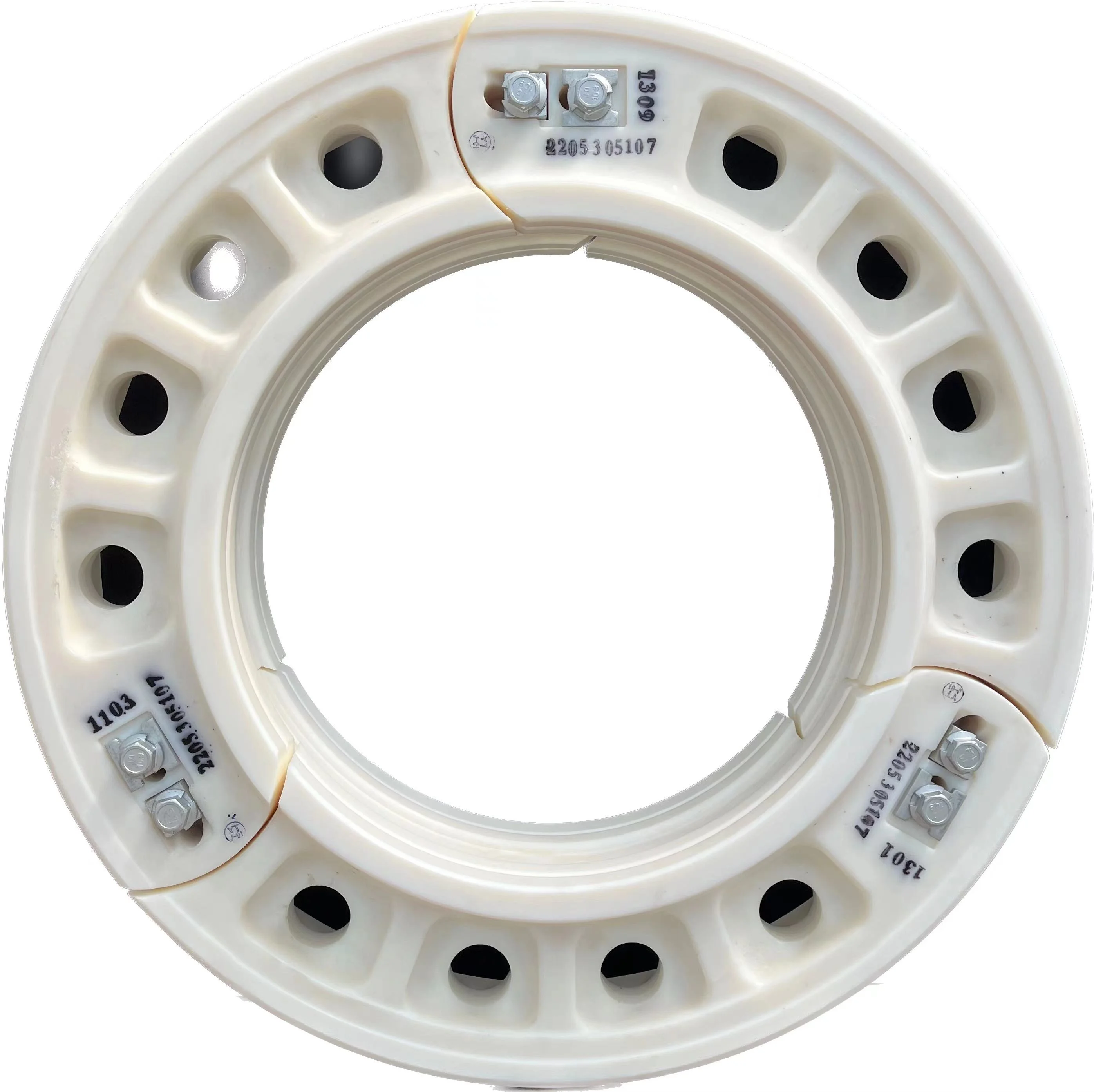
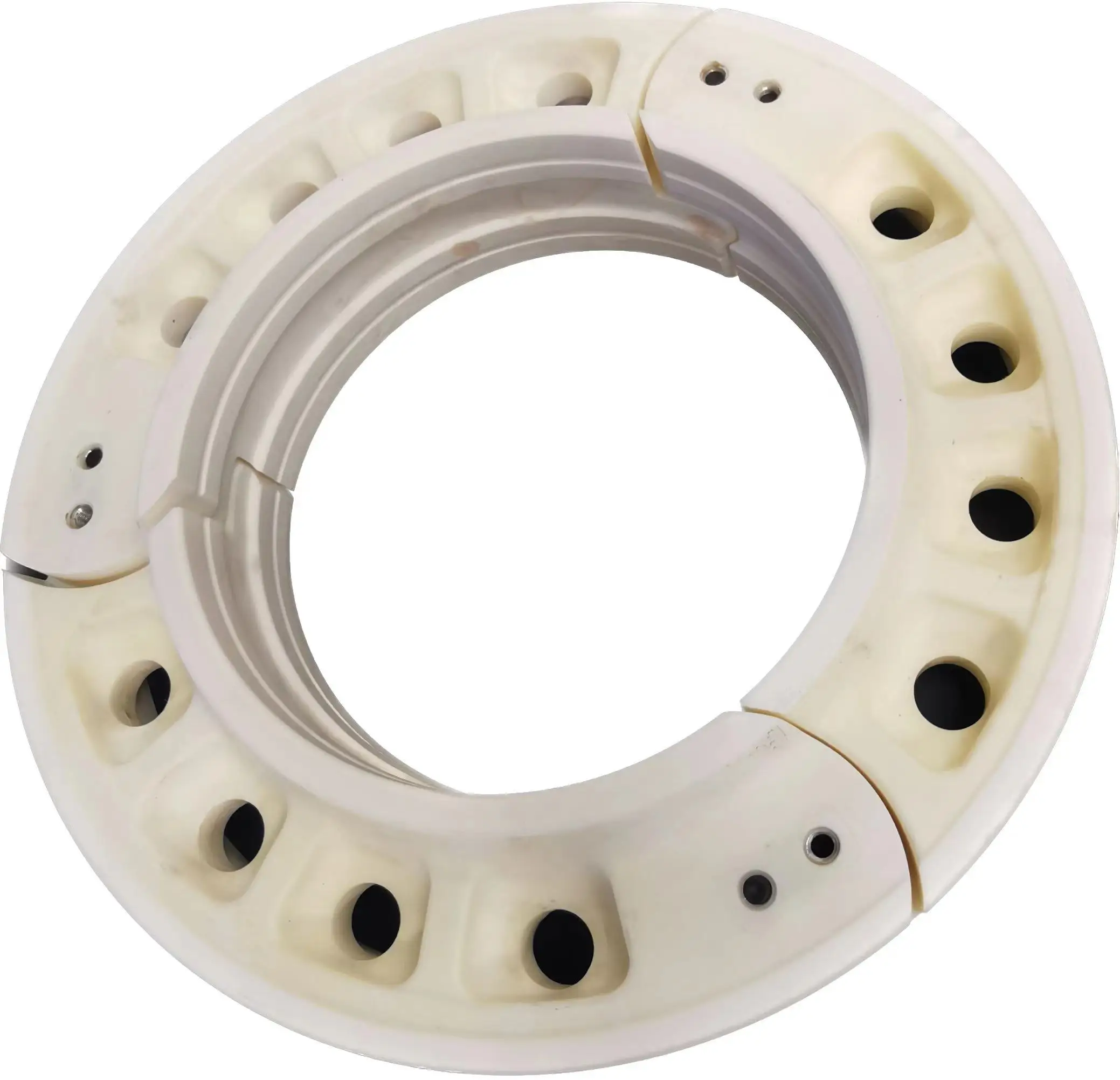
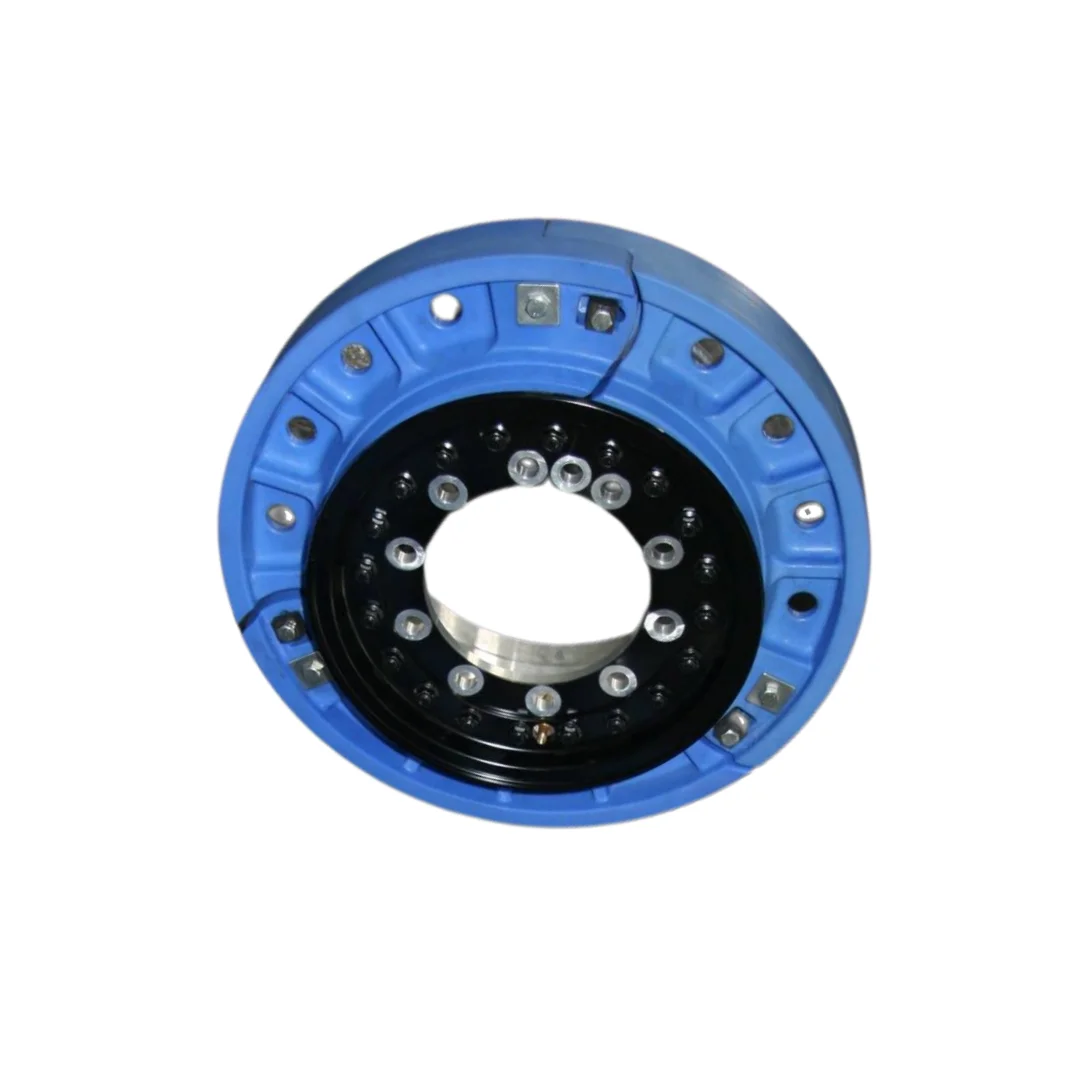
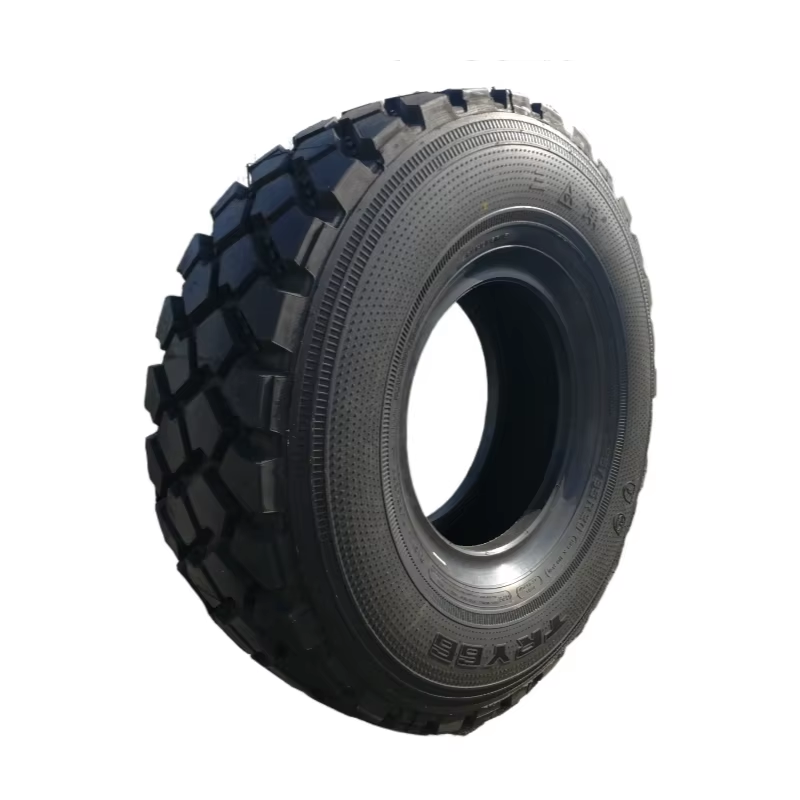
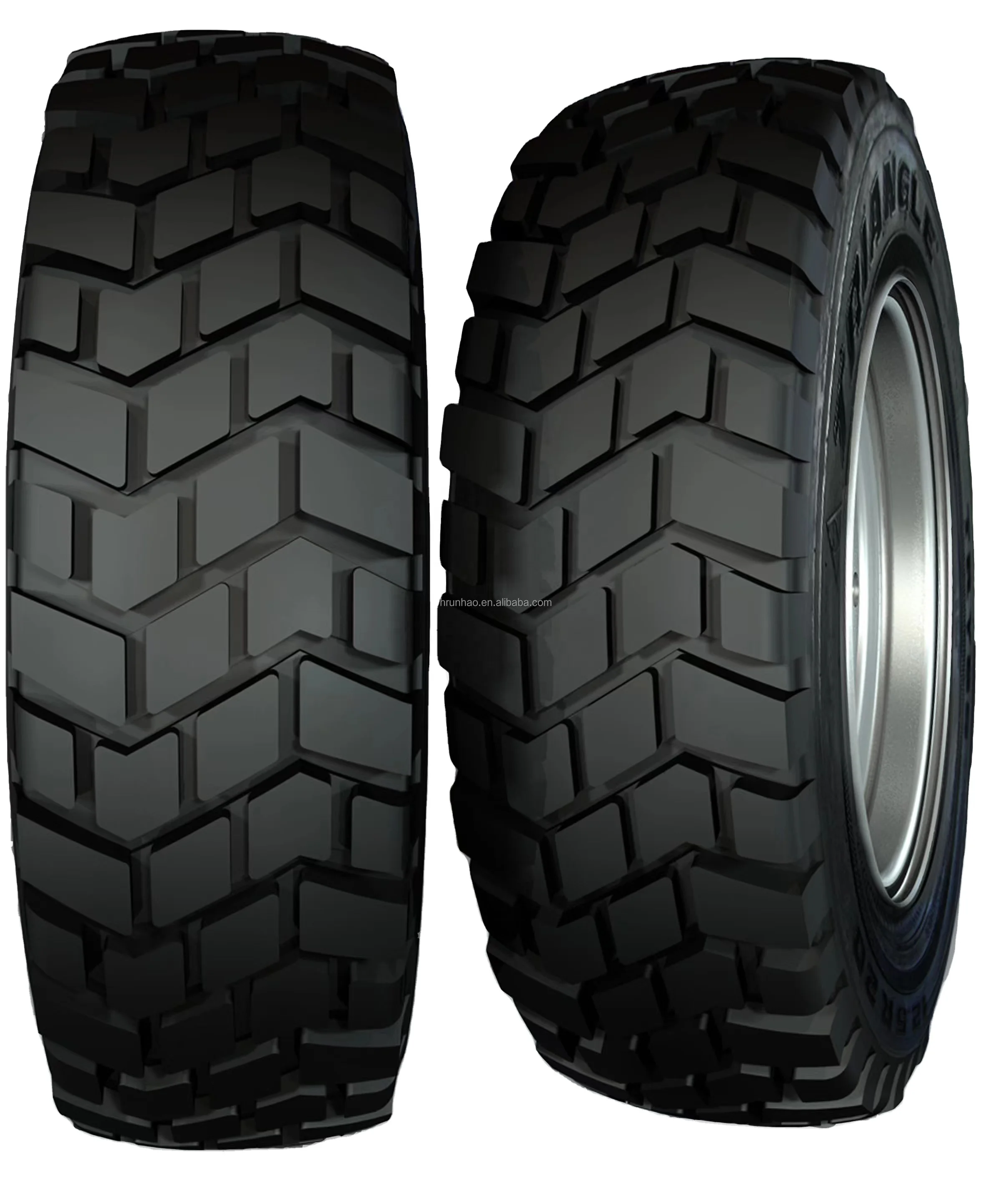
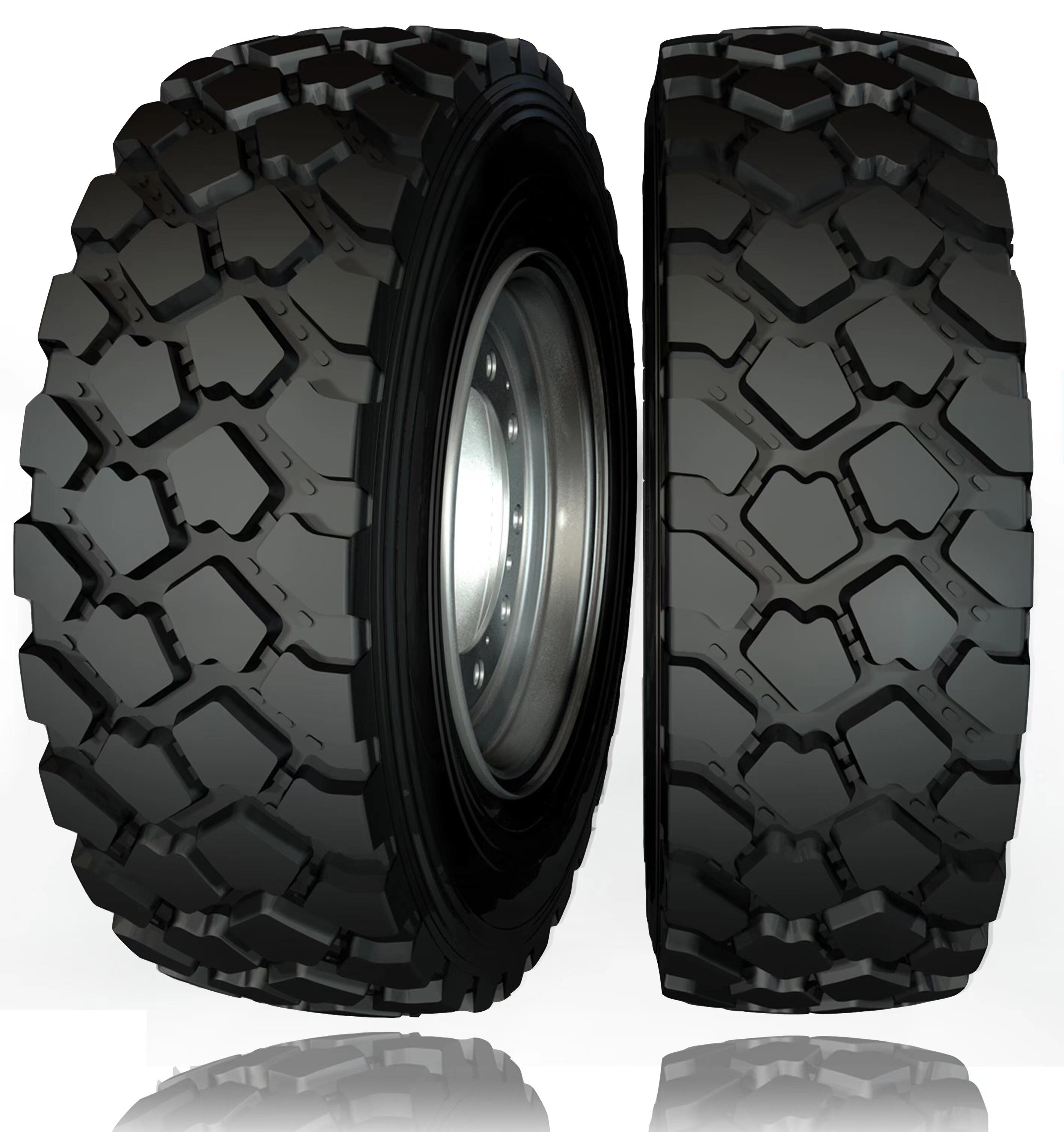
Padangų pasirinkimas ir technologija yra lemiami veiksniai, nulemiantys, kaip veiksmingai vairuotojo neturintys transporto priemonės įveikia reikalaujančias užkastines sąlygas. Autonomiškos platformos, veikiančios nuošaliuose ar pavojinguose regionuose, negali sau leisti misiją nutraukiančių padangų gedimų, todėl vis labiau plinta neklystamos padangų sistemos, kurios išlaiko veikimo gebėjimą po pradurimo ar slėgio praradimo. Šiuolaikinės padangų konstrukcijos įtraukia vidines atramos struktūras, kurios laiko transporto priemonės svorį net pilnai praradus oro slėgį, leisdamos vairuotojo neturinčioms transporto priemonėms toliau veikti ir grįžti į techninės priežiūros įstaigas vietoj to, kad būtų paliktos sunkiai pasiekiamose vietose.
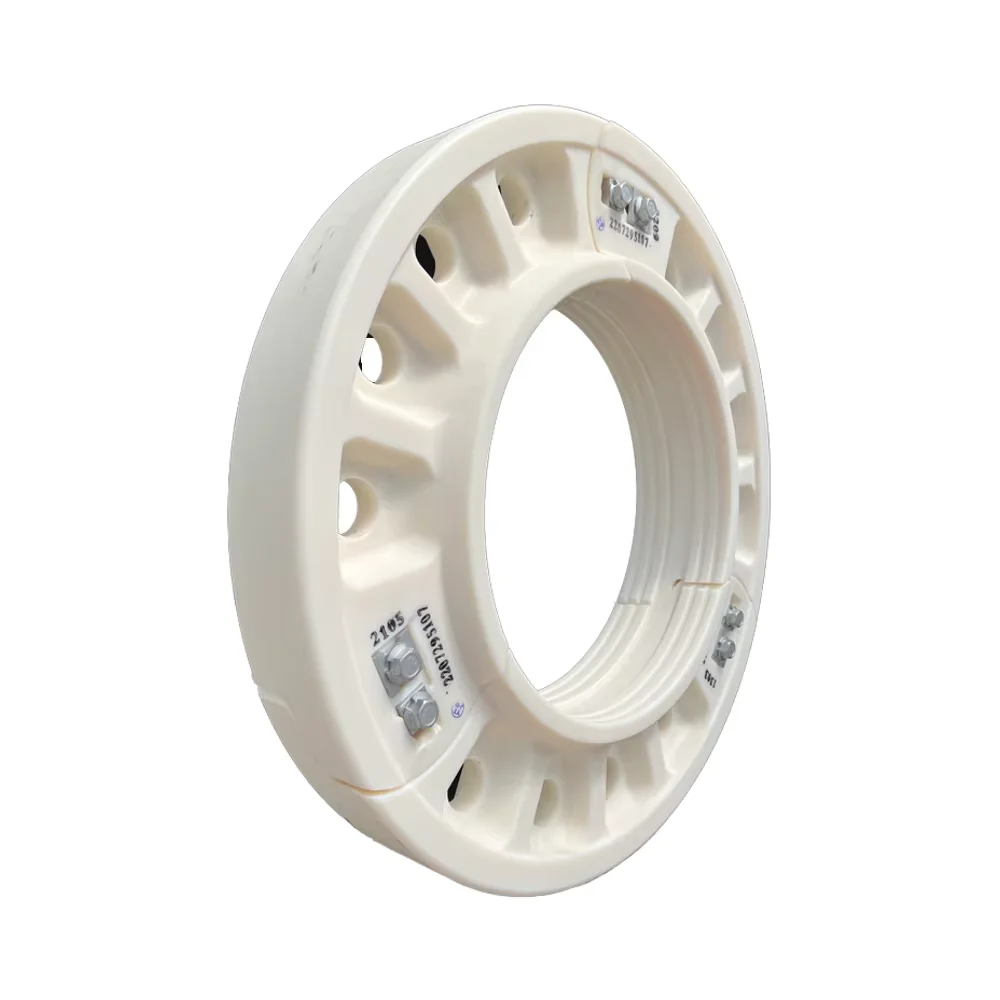
Bėgimo be oro padangų įdėklai, specialiai sukurti autonomiškoms off-road aplikacijoms, užtikrina apkrovos nešamąją galios dėka sustiprintų vidinių konstrukcijų, kurios neleidžia padangoms susmukti esant nusileidimo situacijoms. Šie sistemos išlaiko pakankamą padangų formą ir kontaktinės paviršiaus zonos geometriją, kad būtų išsaugotas vairavimo valdymas ir sukibimas net ir esant rimtoms pažeidimų sąlygoms. Vairuotojo neturinčioms transporto priemonėms ši galimybė yra ypač vertinga, nes autonominės sistemos neturi žmogiškosios nuovokos įvertinti padangų būklės ir priimti subtilius sprendimus dėl to, ar tęsti eksploataciją, ar sustoti remontui. Patikima padangų technologija kartu su nuolatine slėgio kontrolė leidžia autonominėms platformoms ankstyvai aptikti padangų problemas ir atitinkamai pritaikyti veiksmus, tuo pat metu išlaikant misijos vykdymo gebėjimą.
Šiuolaikiniai vairuotojo neturintys transporto priemonės naudoja gilųjį mokymąsi paremtas architektūras, kurios mokomos didžiuliais reljefo vaizdų ir transporto priemonės reakcijos duomenų rinkiniais, kad su beprecedentiniu tikslumu prognozuotų žemės paviršiaus charakteristikas ir jo įveikiamumą. Konvoliucinės neuroninės tinklai analizuoja kamerų vaizdus, kad nustatytų subtilius vizualinius požymius, atskleidžiančius reljefo savybes, kurios koreliuoja su transporto priemonės veikimu, pavyzdžiui, augalijos raštus, kurie rodo dirvožemio drėgmės kiekį, ar uolų paviršiaus eroziją, kuri leidžia spręsti apie jų struktūrinį vientisumą. Šie išmokti modeliai užfiksuoja sudėtingas ryšių tarp vizualinio vaizdo ir mechaninio elgesio priklausomybes, kurias neįmanoma aiškiai suformuluoti matematinėmis priemonėmis, todėl galima tiksliau įvertinti reljefą nei tradicinėse taisyklėmis grindžiamose sistemose.
Stiprinimo mokymosi metodai leidžia vairuotojų nebuvimo transporto priemonėms atrasti optimalius navigavimo būdus bandymų ir klaidų būdu sąveikaujant su sudėtingomis aplinkomis. Simuliuotos mokymo aplinkos autonominius agentus veikia milijonais virtualių reljefo scenarijų, apdovanojant sėkmingus maršrutus ir baudžiant pavojingus manevrus arba misijos nesėkmes. Gautosios strategijos įkoduoja sudėtingas sprendimų priėmimo taktikas, kurios subalansuoja galimų efektyvių maršrutų tyrinėjimą ir žinomų saugių kelių panaudojimą. Perdavimo mokymosi metodai pritaiko šiuos simuliacijoje išmoktus modelius realiam veikimui, tikslindami elgesį remiantis faktine transporto priemonės patirtimi, tačiau išlaikydami bendras strategines galimybes, įgytas virtualiose aplinkose.
Saugumui kritiškos bevairio automobilių taikymo sritys sudėtingose vietovėse reikalauja patikimų rizikos vertinimo sistemų, kurios aiškiai kiekybiškai įvertintų neapibrėžtį ir įdiegtų atsargų atsarginius veiksmus, kai pasitikėjimas aplinkos suvokimu arba transporto priemonės būsenos įvertinimu sumažėja žemiau leistinų ribų. Bajeso išvados metodai perduoda matavimų neapibrėžtį per suvokimo ir planavimo grandines, pateikdami tikimybinius vietovės savybių ir trajektorijos saugumo įvertinimus vietoj deterministinių prognozių. Šios neapibrėžtį atsižvelgiančios sistemos pripažįsta jutiklių duomenų inherentines ribotumas sudėtingose aplinkose ir atitinkamai pritaiko sprendimų priėmimą.
Kai rizikos rodikliai viršija iš anksto nustatytas saugos ribas, vairuotojo neturintys transporto priemonės aktyvuoja atsarginius veiksmus – nuo sumažinto greičio režimo iki visiško sustojimo ir prašymo dėl nuotolinio operatoriaus pagalbos. Graduoti reagavimo būdai pritaiko atsarginių veiksmų griežtumą aptiktiems rizikos lygiams, taip išvengiant nereikalingų misijos pertraukimų, bet tuo pat metu užtikrinant, kad transporto priemonės niekada neveiktų už saugių ribų. Šie sistemos taip pat įdiegia savidiagnostikos galimybes, kurios stebi jutiklių būklę, skaičiavimo sistemos našumą ir mechaninių posistemės būseną, o kai vidinės gedimų sąlygos gali pakenkti saugiam veikimui – inicijuoja atitinkamus veiksmus. Rezultatas – autonomiškas elgesys, kuris rodo tiek gebėjimą veikti sudėtingomis sąlygomis, tiek išmintį, leidžiančią atpažinti situacijas, kurioms reikia žmogaus įsikišimo ar misijos koregavimo.
Sudėtingi suvokimo, planavimo ir valdymo algoritmai, leidžiantys vairuotojo neturintiems transporto priemonėms įveikti sudėtingus reljefus, kelia didelius skaičiavimo reikalavimus, kuriuos būtina tenkinti griežtose realaus laiko sąlygose. Šiuolaikinėse autonomiškų sistemų platformose naudojamos heterogeninės skaičiavimo architektūros, kurios apima centrinius procesoriaus vienetus bendram skaičiavimui, grafikos procesoriaus vienetus lygiagrečiai jutiklių duomenų apdorojimui ir specializuotus akceleratorius neironinių tinklų išvadoms gauti. Užduočių planavimo sistemos dinamiškai paskirsto skaičiavimo išteklius, pirmenybę teikdamos saugos kritinėms funkcijoms, tuo pat metu tvarkydamos mažesnės svarbos fonines užduotis, kurios gerina ilgalaikę našumą, tačiau gali toleruoti apdorojimo delsas.
Briaunos skaičiavimo strategijos apdoroja jutiklių duomenis vietiniuose vairuotojo neturinčiuose transporto priemonėse, o ne remiasi debesijos ryšiu, kuris gali būti nepasiekiamas arba netikslus nuošaliuose teritorijų regionuose. Šis architektūrinis požiūris užtikrina, kad autonomiškas sprendimų priėmimas tęsiamas neperskaidytai net tada, kai susiduriama su ryšio nutrūkimais, kurie dažni off-road sąlygomis. Tačiau vietinės apdorojimo ribos reikalauja efektyvių algoritmų įgyvendinimo ir atidžios programinės įrangos architektūros optimizacijos, kad būtų pasiektas reikiamas našumas esamų skaičiavimo galimybių ribose. Modelių suspaudimo metodai sumažina neuroninių tinklų sudėtingumą, išlaikydami prognozavimo tikslumą, o algoritmų aproksimacijos keičia nedidelį našumo praradimą į žymius skaičiavimo išteklių taupymus ten, kur tai yra tinkama saugos riboms užtikrinti.
Vairuotojo nebuvimo transporto priemonės, veikiančios sunkiose vietovėse, susiduria su nepalankiomis aplinkos sąlygomis, kurios kelia grėsmę jutiklių veikimui ir mechaninei patikimumui. Dulkių kaupimasis optinėse paviršiuose sumažina vaizdo kameros ir LIDAR veiksmingumą, o virpančios nelygumų vietovės gali palaipsniui iškreipti tiksliai sureguliuotus jutiklių montavimo padėčių pozicijas. Autonomiškosios platformos naudoja aktyviuosius jutiklių valymo sistemas, įskaitant slėgiu oro srautus, mechaninius šluostytuvus ir skysčių purškimą, kurie užtikrina optinį aiškumą eksploatuojant. Vibracijos izoliaciniai tvirtinimai apsaugo jautrius inertinius matavimo vienetus ir skaičiavimo įrangą nuo smūgio apkrovų, kurios gali sukelti perlaikinį gedimą arba įvesti matavimo klaidas.
Prognozuojamosios techninės priežiūros algoritmai stebi jutiklių našumo rodiklius ir mechaninių sistemų būklės indikatorius, kad būtų numatyti įsikišimai dar prieš įvykstant gedimams. Vairuotojo neturinčios transporto priemonės stebi kaupiamąją sąlyčio su sunkiomis sąlygomis trukmę ir naudoja degradacijos modelius, kad būtų įvertintas kritinių komponentų likęs naudingasis tarnavimo laikas bei operatoriams būtų pranešta, kai artėja laikas keisti šiuos komponentus. Šis veiksmingas požiūris mažina netikėtą sustojimą ir užtikrina, kad autonomiškos sistemos visą savo eksploatacijos gyvavimo ciklą išlaikytų reikalaujamus saugos ir našumo standartus. Aplinkos sandarinimo strategijos apsaugo elektroninius komponentus nuo vandens patekimo, dulkių užterštumo ir ekstremalių temperatūrų, o šilumos valdymo sistemos palaiko optimalią skaičiavimo įrangos veikimo temperatūrą net desertų karštyje arba arktilėje šaltyje, kurie būdingi daugelyje off-road naudojimo aplinkų.
Vairuotojo neturinčios transporto priemonės, judančios sudėtingose vietovėse, remiasi integruotomis jutiklių sistemomis, kurios apima LIDAR technologiją tiksliai trimačiai vietovės žemėlapių kūrimui, radarą visų orų sąlygų aptikimui ir greičio matavimui, stereokamerų masyvus vaizdinės tekstūros analizei ir gyliai suvokti bei inertinius matavimo vienetus, kurie stebi transporto priemonės padėtį ir pagreitį. Šis daugiarežiminis jutiklių sujungimo metodas užtikrina išsamią aplinkos sąmonę su įmontuota atsarginės sistemos funkcija, todėl autonomiškos sistemos išlaiko situacinį supratimą net tada, kai atskiri jutikliai dėl dulkių, kritulių ar mechaninės apkrovos, būdingos off-road aplinkai, veikia prastai.
Vairuotojo neturintys transporto priemonės įvertina vietovės saugumą naudodamos sudėtingas pravažiavimo analizės algoritmus, kurie klasifikuoja žemės paviršius remdamiesi jutiklių duomenų požymiais, tada modeliuoja transporto priemonės ir vietovės sąveiką, kad prognozuotų rezultatus, įskaitant sukibimo galimybę, žemės nešamąją gebą ir stabilumo ribas. Iš išplėstinių duomenų rinkinių apmokyti mašininio mokymosi modeliai atpažįsta modelius, susijusius su skirtingais paviršiaus tipais ir jų mechaninėmis savybėmis. Autonominė sistema palygina prognozuotas vietovės charakteristikas su transporto priemonės galimybių profiliais, taikydama tikėtinumo pagrįstus rėmus, kurie atsižvelgia į neapibrėžtumą ir palaiko tinkamas saugos ribas, remdamiesi aplinkos įvertinimų patikimumo lygiu. Realiojo laiko atnaujinimai tobulina šiuos modelius, kai transporto priemonės veikdamos renka faktinius veikimo duomenis.
Nors vairuotojo neturinčios transporto priemonės įdiegia patikimų jutiklių technologijų ir algoritmų, kurie yra sukurti veikti nepalankiomis sąlygomis, ekstremali orų sąlygos gali kelti iššūkius autonominei veiklai sunkiai įveikiamose vietovėse. Stiprus lietus, tankus rūkas ir pūtantis sniegas sumažina optinių jutiklių našumą, tačiau radariniai sistemos išlieka veikiančios daugumoje orų sąlygų. Šiuolaikinės autonominių sistemų platformos įdiegia veiklos sumažintu režimu strategijas, kurios sumažina greitį, padidina saugos atstumus ir aktyvuoja atsargų atsarginių veiksmų režimą, kai aplinkos sąlygos sumažina suvokimo tikrumą žemiau leistinų ribų. Visiškai autonomiška veikla gali būti neįmanoma ekstremaliomis orų sąlygomis, todėl sistemos gali reikalauti nuotolinio operatoriaus pagalbos ar laikinos misijos sustabdymo, kol sąlygos pagerės iki tokio lygio, kuris leistų saugiai naviguoti autonomiškai.
Šiuolaikiniai vairuotojo neturintys transporto priemonės, skirti sunkiai terpenei, vis dažniau įdiegia bėgikų technologiją su vidinėmis atraminėmis konstrukcijomis, kurios išlaiko veikimo gebėjimą po pradurimo ar slėgio praradimo. Šios pažangios padangų sistemos išlaiko pakankamą naudingosios apkrovos nešančiąją galia ir padangų formą, kad leistų toliau eksploatuoti transporto priemonę sumažintu greičiu, todėl autonomiškos platformos gali pasiekti techninės priežiūros įstaigas, o ne likti užstrigusios. Tolydžios padangų slėgio kontrolės sistemos nedelsdamos aptinka nusileidimo įvykius ir aktyvina adaptacinio valdymo reakcijas, kurios koreguoja transporto priemonės greitį bei valdymo savybes, kad kompensuotų pasikeitusias padangų charakteristikas, tuo pat metu užtikrindamos saugų veikimą iki remonto atlikimo tinkamose vietose.
 Karščiausios naujienos
 EN
EN
 AR
AR
 BG
BG
 FR
FR
 DE
DE
 HI
HI
 IT
IT
 JA
JA
 KO
KO
 PL
PL
 PT
PT
 RU
RU
 ES
ES
 SV
SV
 TL
TL
 ID
ID
 LV
LV
 LT
LT
 SR
SR
 UK
UK
 VI
VI
 TH
TH
 TR
TR
 FA
FA
 AF
AF
 HY
HY
 AZ
AZ
 KA
KA
 BN
BN
 LA
LA
 MN
MN
 SO
SO
 MY
MY
 KK
KK
 UZ
UZ
 KU
KU
 KY
KY