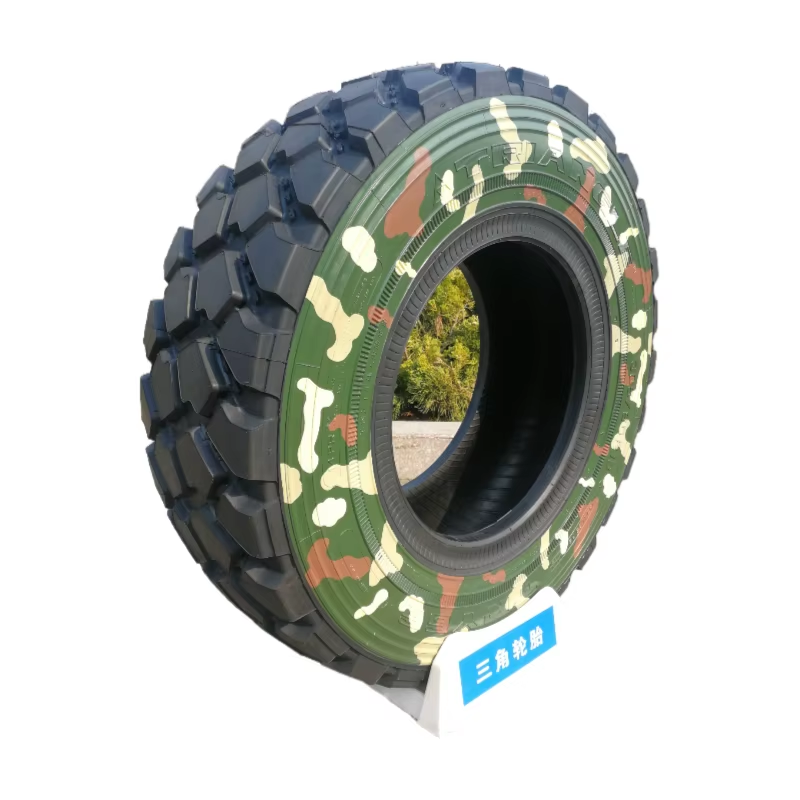
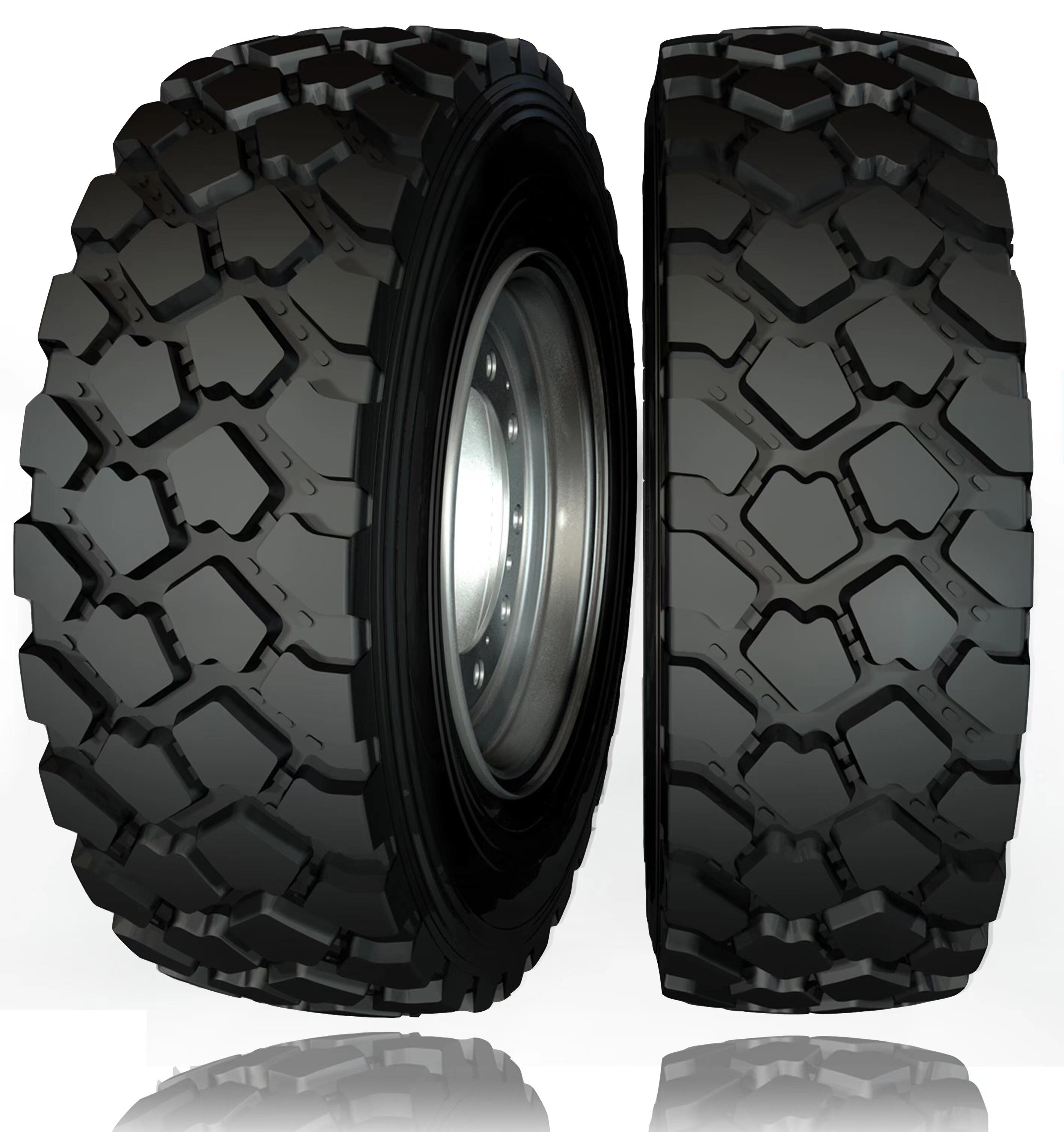
When lives depend on a vehicle's ability to keep moving, tire failure is not an option. Security vehicles — whether armored personnel carriers, VIP escort units, law enforcement SUVs, or military patrol convoys — operate in environments where a single blown tire can shift the balance between a controlled situation and a catastrophic one. This is precisely the context in which runflat tires have become the standard choice for professionals who understand what real operational continuity means under pressure.
The decision to equip a security vehicle with runflat tires is not a cosmetic upgrade — it is a mission-critical engineering choice. Unlike conventional tires that immediately deflate when punctured, runflat tires are designed to maintain structural support and allow continued vehicle movement at reduced speed for a defined distance, even with zero air pressure. For security applications, this difference is the difference between mission success and mission failure. This article explores in depth why runflat tires represent the superior solution for security and tactical vehicles.
Security vehicles are routinely deployed in environments that would be considered hostile by any conventional standard. Urban conflict zones, rural patrol routes, checkpoint operations, and close-protection convoys all share one common requirement: the vehicle must not be immobilized by tire damage. In these settings, stopping a vehicle to change a flat tire is rarely a safe or viable option. The crew is exposed, the vehicle becomes a static target, and the mission timeline collapses.
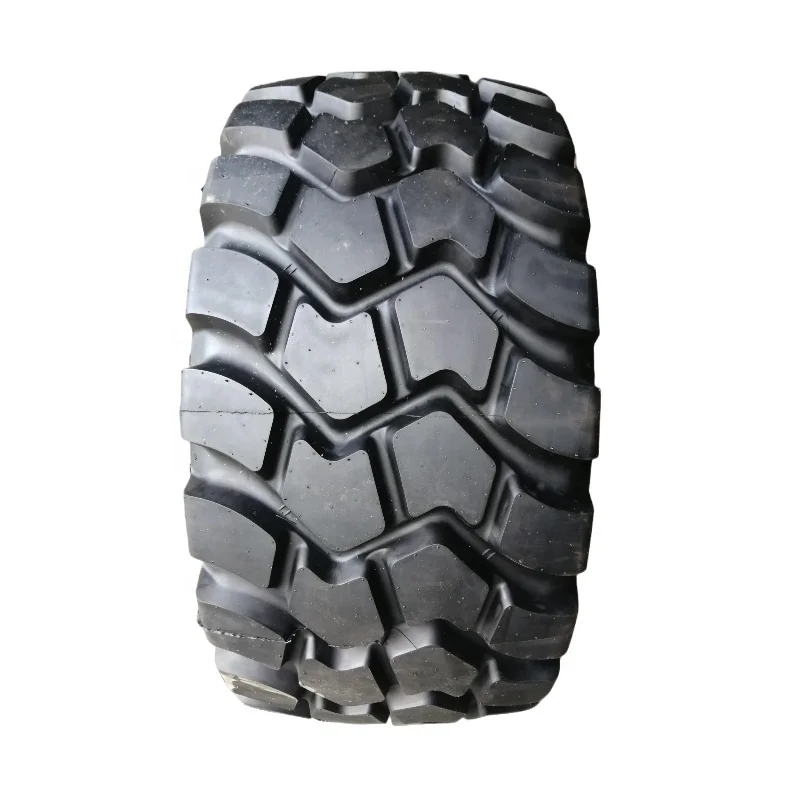
Runflat tires address this problem by eliminating the need to stop immediately after a puncture or ballistic strike. Designed with reinforced sidewalls or internal support rings, runflat tires can carry the full weight of an armored or heavily loaded vehicle for a meaningful distance — typically between 50 and 100 kilometers at speeds up to 80 km/h depending on the specific product specification. This gives crew members the window they need to exit the threat zone and reach a safe location.
The value of this capability becomes even clearer when you consider the weight profiles of modern security vehicles. Armored vehicles can weigh significantly more than civilian equivalents due to ballistic plating, reinforced chassis components, and heavy communication or weapons systems. Standard tires are not engineered to sustain load-bearing performance under zero-pressure conditions on vehicles of this mass. Runflat tires, by contrast, are specifically rated and load-tested for these demanding requirements.
Adversaries operating in conflict zones are well aware that disabling a vehicle's tires is one of the most effective methods of stopping a security operation. Spike strips, improvised caltrops, small-arms fire aimed at wheel wells, and IEDs specifically designed to destroy tires are all documented tactics used against security and military convoys. Conventional tires offer virtually no resistance to these threats — once the air pressure is lost, the vehicle is grounded.
Runflat tires significantly reduce this tactical vulnerability. Their reinforced construction means that even after suffering damage from sharp debris or low-caliber fire, the tire continues to function as a load-bearing unit. This is not invincibility — no tire is completely immune to severe ballistic damage — but it is a meaningful increase in resilience that has repeatedly proven its worth in real operational settings.
For security planners and vehicle procurement officers, the presence of runflat tires on the specification sheet represents a core risk-mitigation measure. Selecting a vehicle without this capability introduces a known and avoidable vulnerability into every deployment. The calculus here is straightforward: the cost of equipping a security vehicle with proper runflat tires is a fraction of the cost associated with a compromised mission, damaged equipment, or — most critically — personnel casualties.
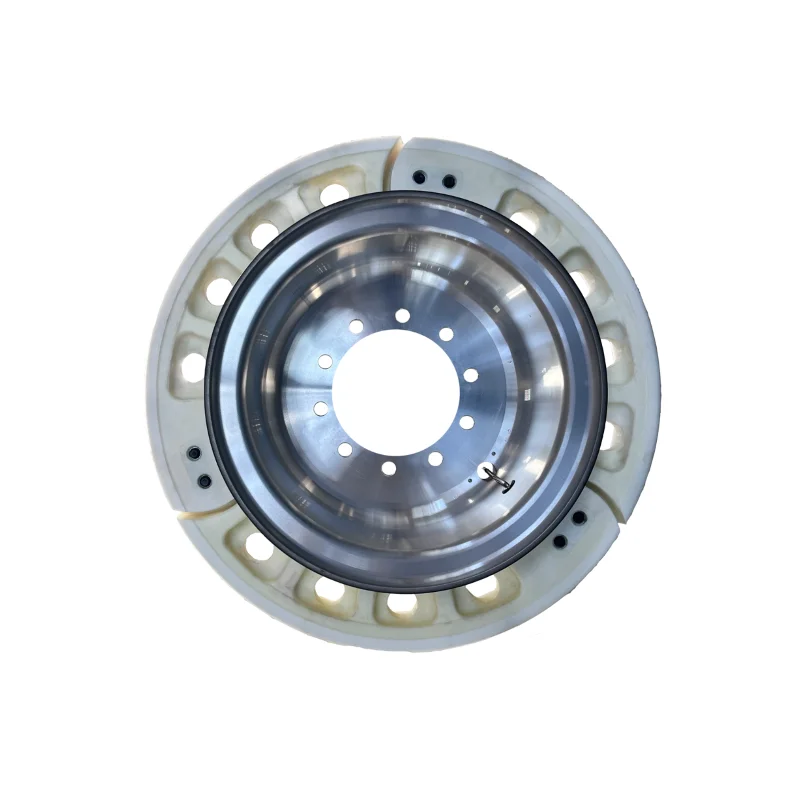
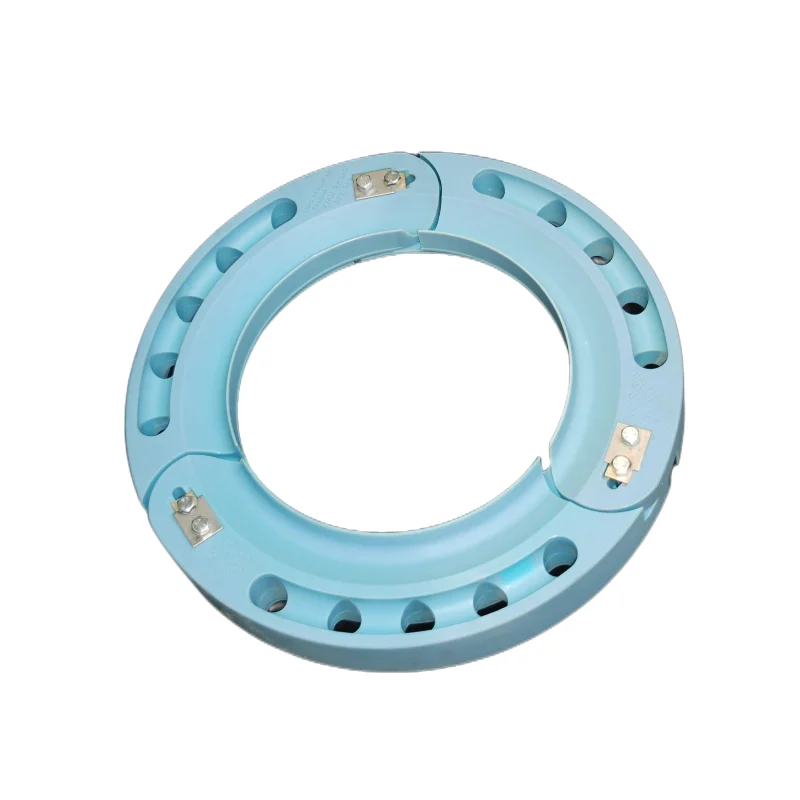
The engineering behind runflat tires is purpose-built for sustained performance under compromised conditions. There are two primary design approaches used in high-performance runflat tires for security and military vehicles. The first is the self-supporting design, which integrates reinforced sidewall rubber compounds capable of bearing vehicle weight without any internal air pressure. The second is the support ring system, which places a hard rubber or composite insert inside the wheel assembly that acts as a mechanical load-bearer when the tire itself is deflated.
Both designs share a common goal: to prevent the tire from collapsing under the vehicle's weight once air is lost. In military-grade runflat tires, the structural tolerances are engineered to accommodate the extreme loads produced by armored vehicles, and the materials used must withstand heat buildup caused by extended zero-pressure operation. This requires high-grade compounds that resist thermal degradation, maintain dimensional stability, and provide consistent traction across a range of surfaces including mud, gravel, sand, and paved roads.
For procurement professionals evaluating runflat tires for their fleets, understanding the distinction between civilian-grade and military-grade engineering is essential. A tire rated for a standard passenger vehicle's zero-pressure runflat application will not perform adequately under the load conditions of a 10-tonne armored vehicle. The specification must match the vehicle's actual combat-loaded weight and expected terrain profile.
One of the most underappreciated advantages of runflat tires in security applications is the way they preserve vehicle handling characteristics after damage occurs. When a standard tire deflates suddenly, the driver experiences an abrupt change in steering response, a risk of rollover, and a loss of braking effectiveness. At highway speeds, a sudden blowout on a conventional tire can cause the driver to lose control entirely — an especially dangerous scenario in a convoy or close-protection situation.
Runflat tires are engineered to provide a more controlled degradation. Rather than immediate collapse, the tire transitions gradually to rim-supported operation, giving the driver time to respond, reduce speed in a controlled manner, and navigate toward a safe exit. This characteristic is not just a comfort feature — it is a safety feature with direct implications for crew survival and mission continuity.
Security drivers trained on vehicles equipped with runflat tires consistently report greater confidence in high-threat driving scenarios precisely because the response to tire damage is predictable and manageable rather than chaotic. This psychological component should not be underestimated in the context of security operations, where driver composure under pressure directly influences decision-making and passenger safety.
In a standard vehicle, a flat tire triggers an immediate requirement: stop, change the tire, and resume movement. In a non-permissive security environment, this sequence is operationally unacceptable. The vehicle is stationary and exposed, the crew must exit the vehicle to perform the change, and the timeline is unpredictable. Even with a well-trained team and proper equipment, a tire change in the field takes time that a threat environment may not permit.
Runflat tires eliminate this bottleneck entirely. The vehicle can continue moving immediately after tire damage, allowing the crew to reach a secure compound, a maintenance facility, or a safe zone before addressing the tire. This dramatically simplifies logistics planning and reduces the number of support elements required to maintain an operational convoy. Fewer stops, fewer vulnerabilities, and a more predictable operational timeline are the direct outcomes of using runflat tires across a security fleet.
Fleet managers and logistics coordinators who have transitioned from conventional to runflat tires on their security vehicle fleets frequently cite this benefit as the single most impactful change in their operational planning assumptions. The ability to remove tire change as a contingency planning item simplifies mission design substantially.
Beyond immediate operational scenarios, runflat tires also reduce the frequency of roadside maintenance activities across the life of a fleet. Vehicles operating in harsh terrain accumulate tire damage progressively — small punctures, sidewall abrasions, and valve damage are all common occurrences. On a fleet equipped with conventional tires, each of these incidents potentially requires a stop, a tire change, or a vehicle withdrawal for maintenance. On a fleet equipped with runflat tires, many of these events can be managed on a planned basis rather than an emergency basis.
This shift from reactive to planned maintenance is a meaningful operational efficiency gain. It reduces the number of unplanned vehicle downtime events, extends the operational availability of each unit, and reduces the personnel and logistical burden associated with field repairs. For security organizations managing large fleets across extended deployment periods, the cumulative benefit of this shift is substantial.
Runflat tires have become a baseline requirement in military and paramilitary vehicle procurement standards across many defense organizations globally. This is not a trend driven by preference — it reflects hard operational experience showing that vehicles without runflat tires perform less reliably in threat environments. Procurement specifications for light armored vehicles, mine-resistant ambush-protected vehicles, and armored personnel carriers routinely include runflat capability as a non-negotiable requirement.
For private security organizations, law enforcement agencies, and national guard units sourcing vehicles outside formal military procurement channels, aligning with these standards is the most reliable way to ensure that the vehicle's tire system meets real-world operational demands. Specifying runflat tires that conform to recognized military load and performance standards provides a defensible baseline for procurement decisions and reduces the risk of under-specifying a critical safety component.
Runflat tires carry a higher upfront cost than comparable conventional tires, and this cost difference is sometimes cited as a reason to delay adoption. This perspective fails to account for the full lifecycle cost comparison. When you factor in the operational exposure created by a tire failure in a threat environment, the logistics costs of emergency tire changes in the field, the potential vehicle damage caused by driving on a collapsed conventional tire, and the mission disruption associated with unplanned stops, the total cost of not using runflat tires is significantly higher than the cost of using them.
Furthermore, runflat tires designed for military and security applications are built to higher durability standards than civilian-grade tires. Their construction is more resistant to sidewall damage, tread separation under heavy load, and the thermal stresses produced by sustained high-speed operation on rough terrain. When maintained properly, they provide competitive service life alongside their specialized operational benefits.
Security organizations that evaluate runflat tires strictly on unit price rather than total operational value consistently reach suboptimal procurement decisions. The correct framework is to evaluate these tires on the basis of mission assurance, crew safety, and operational continuity — the dimensions that matter most in security vehicle applications.
The exact distance depends on the specific tire model, the vehicle's loaded weight, and the operating speed. Military-grade runflat tires are typically designed to sustain movement for 50 to 100 kilometers at speeds up to 80 km/h under zero-pressure conditions. This range is intended to allow the crew to exit a threat zone and reach a secure location. Operators should always refer to the manufacturer's rated specifications for the exact tire and vehicle combination in use.
Runflat tires are available in configurations suitable for a wide range of security vehicles, from light armored SUVs to heavy armored personnel carriers. The key is selecting the correct load rating, size, and construction type for the specific vehicle and its anticipated operational conditions. Military-specification runflat tires are designed to handle the significantly higher axle loads of armored platforms, while lighter variants are available for law enforcement and close-protection vehicles.
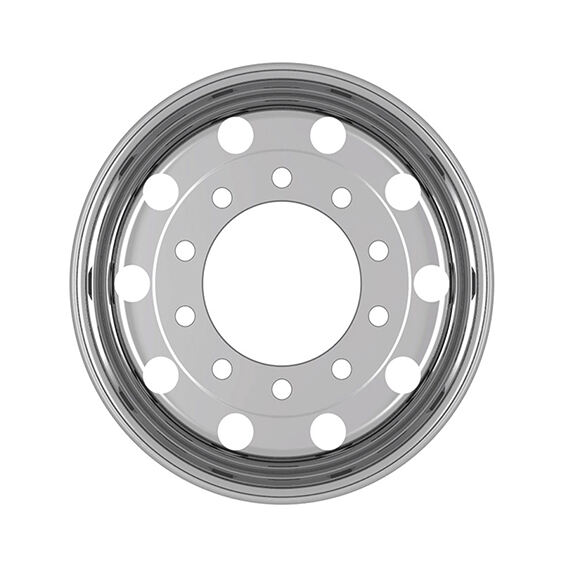
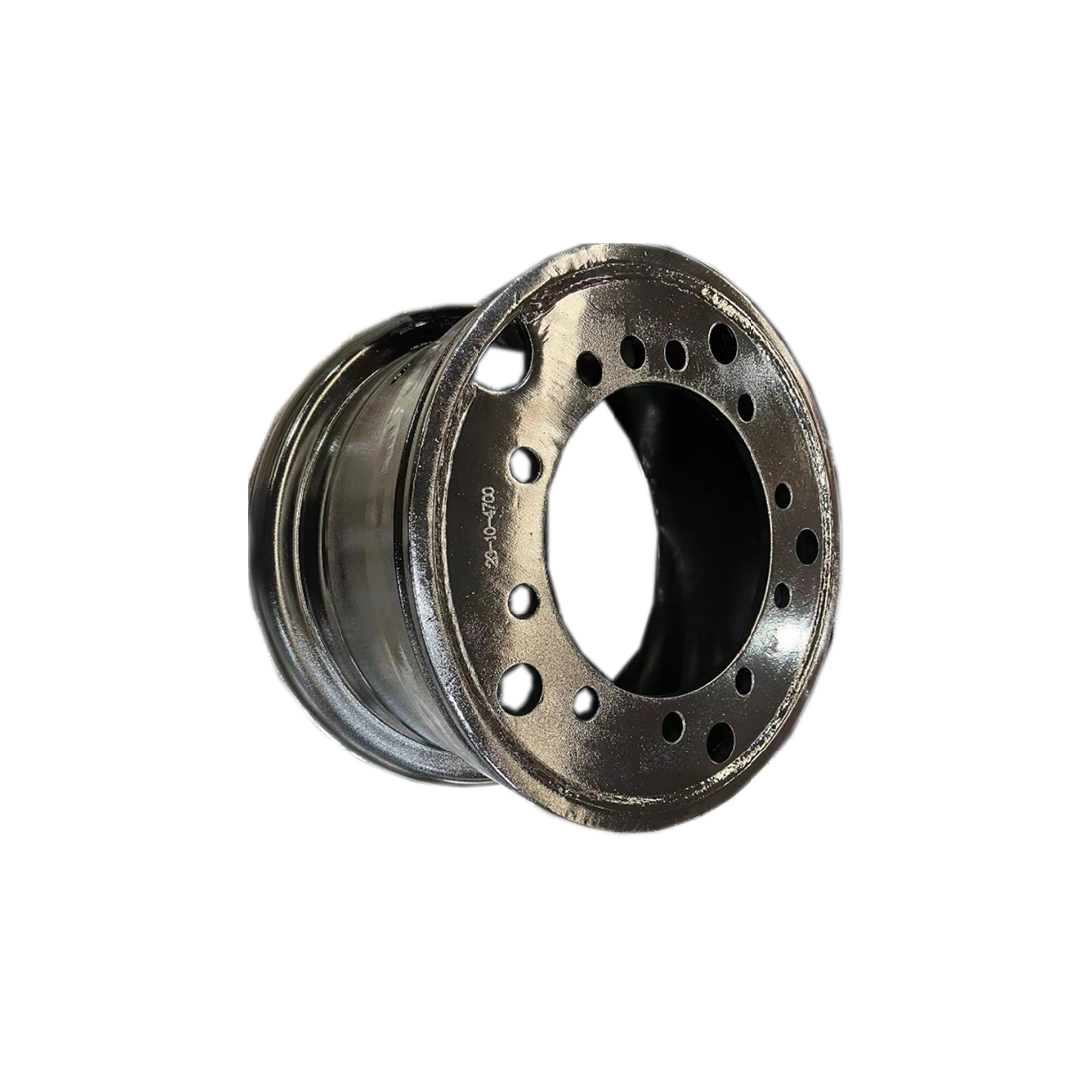
Yes, many runflat tires — particularly those using support ring systems — require compatible wheel assemblies. The wheel must be rated to accept the runflat insert or support ring, and the bead seat design must match the tire's specification. For vehicles being retrofitted with runflat tires, it is important to verify wheel compatibility before procurement. New security vehicles are typically ordered with wheels already specified for the runflat tires selected during the procurement process.
In many cases, minor damage to runflat tires — such as small punctures in the tread area — can be repaired following standard procedures, provided the tire has not been operated for an extended period in a zero-pressure condition. However, significant sidewall damage, structural deformation from overloading, or damage sustained after prolonged zero-pressure operation typically requires full tire replacement. Security fleet operators should establish clear inspection and replacement protocols to ensure that runflat tires are never returned to service in a compromised structural state.
 Hot News
 EN
EN
 AR
AR
 BG
BG
 FR
FR
 DE
DE
 HI
HI
 IT
IT
 JA
JA
 KO
KO
 PL
PL
 PT
PT
 RU
RU
 ES
ES
 SV
SV
 TL
TL
 ID
ID
 LV
LV
 LT
LT
 SR
SR
 UK
UK
 VI
VI
 TH
TH
 TR
TR
 FA
FA
 AF
AF
 HY
HY
 AZ
AZ
 KA
KA
 BN
BN
 LA
LA
 MN
MN
 SO
SO
 MY
MY
 KK
KK
 UZ
UZ
 KU
KU
 KY
KY