Urban environments across the globe face an unprecedented challenge from unauthorized drone activities that threaten public safety, critical infrastructure, and privacy. As cities become increasingly connected and technology-dependent, the need for effective countermeasures against rogue drones has never been more pressing. Among the various anti-drone technologies available, net-capturing anti-drone systems have emerged as a preferred solution for urban safety applications, offering unique advantages that make them particularly suitable for densely populated areas where collateral damage must be minimized.
The evolution of drone technology has created both opportunities and risks for urban communities. While drones offer valuable applications in surveillance, delivery, and emergency response, their misuse poses significant threats to airports, government buildings, public events, and residential areas. Traditional kinetic anti-drone solutions often prove inadequate or dangerous in urban settings due to the risk of falling debris and potential harm to innocent bystanders.
Net-capturing systems represent a paradigm shift in counter-drone technology, providing a non-destructive method of neutralizing threats while maintaining the integrity of both the captured drone and surrounding environment. This approach has gained substantial traction among law enforcement agencies, security professionals, and urban planners who prioritize public safety without compromising operational effectiveness.
The fundamental principle behind net-capturing anti-drone systems relies on deploying specialized nets to physically ensnare and neutralize unauthorized drones. These systems typically utilize launcher platforms that can rapidly deploy reinforced nets with precision targeting capabilities. The nets themselves are constructed from high-strength materials designed to withstand the rotational forces of drone propellers while maintaining sufficient flexibility to ensure effective capture.
Advanced net-capturing systems incorporate sophisticated tracking and targeting algorithms that calculate optimal deployment angles and timing based on drone flight patterns, speed, and trajectory. This technological integration ensures maximum capture probability while minimizing the risk of missed targets or collateral damage to surrounding structures.
The launcher mechanisms vary in design, ranging from shoulder-fired portable units suitable for rapid deployment by security personnel to larger fixed installations capable of protecting extensive areas. Each configuration offers specific advantages depending on the operational environment and threat assessment requirements.
The effectiveness of net-capturing systems heavily depends on the materials and construction techniques used in net fabrication. Modern systems employ lightweight yet robust synthetic fibers that provide optimal strength-to-weight ratios. These materials must withstand the mechanical stress generated by spinning propellers while remaining light enough to ensure accurate deployment over significant distances.
Net design incorporates specific mesh patterns and weave densities calculated to maximize entanglement probability while preventing drone escape. The edges of these nets often feature weighted elements that enhance deployment stability and increase capture area coverage. Some advanced systems integrate smart materials that can adjust their properties based on environmental conditions or target characteristics.
Quality control in net manufacturing requires rigorous testing protocols to verify tensile strength, durability under various weather conditions, and compatibility with different launcher systems. This attention to material specifications ensures consistent performance across diverse operational scenarios encountered in urban environments.
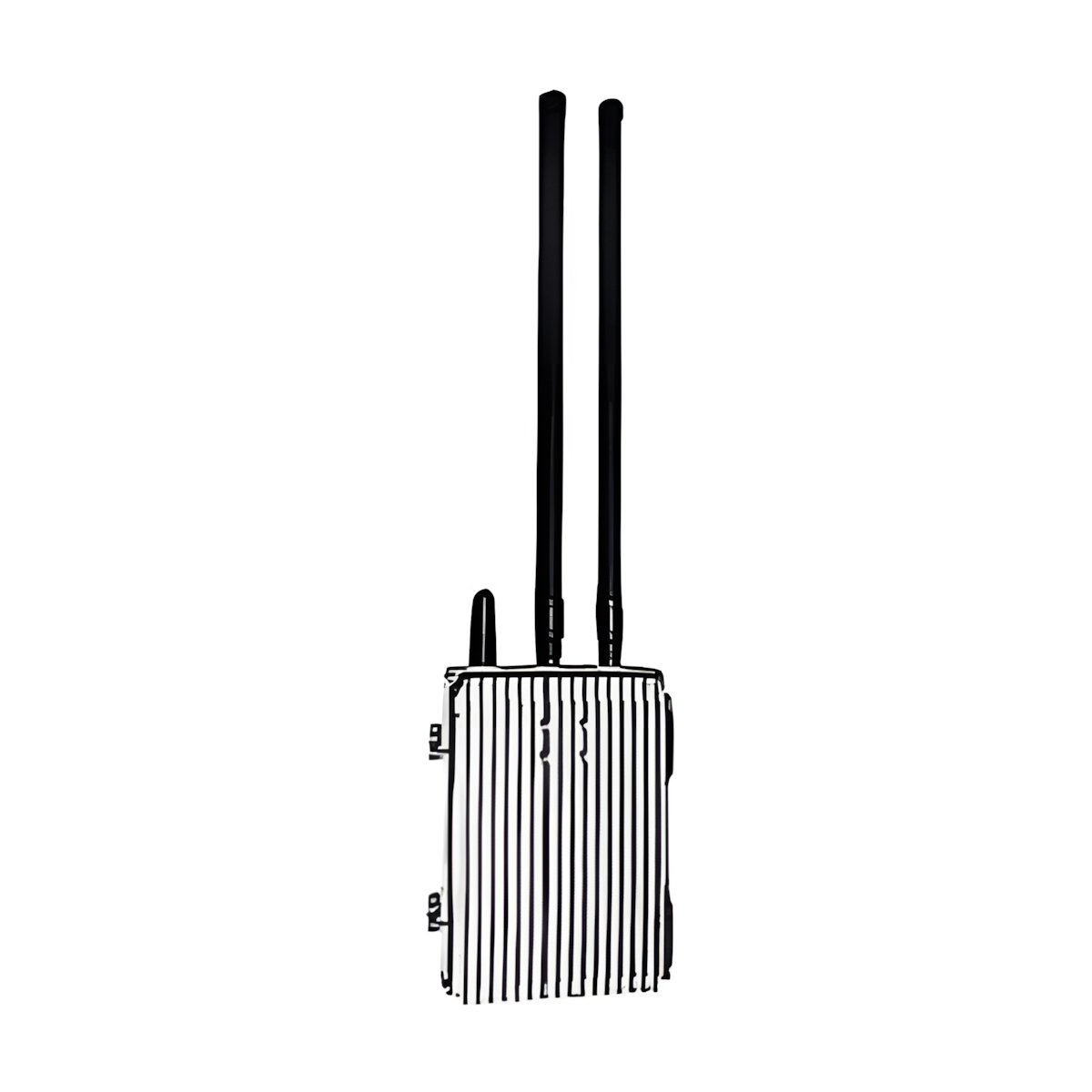
One of the primary reasons urban safety professionals prefer net-capturing anti-drone systems lies in their ability to neutralize threats without causing secondary hazards. Unlike kinetic solutions that may result in falling debris or explosive countermeasures that pose fire risks, net-capture technology ensures that disabled drones descend in a controlled manner, minimizing potential harm to pedestrians, vehicles, and property.
This characteristic proves particularly valuable in high-density urban areas where traditional anti-drone measures could create more problems than they solve. Law enforcement agencies operating in crowded city centers, airports, and public venues can deploy these systems with confidence, knowing that successful interception will not endanger innocent bystanders or damage critical infrastructure.
The non-destructive nature of net-capturing also preserves evidence for forensic analysis, allowing investigators to examine intercepted drones for potential threats, identify operators, and understand attack methodologies. This investigative capability enhances overall security intelligence and supports prosecution efforts when necessary.
Urban environments present diverse security challenges that require adaptable countermeasures. Net-capturing systems excel in this regard due to their effectiveness against various drone types, sizes, and configurations. From small consumer quadcopters to larger commercial drones, these systems can be calibrated to handle different threat profiles without requiring completely separate equipment sets.
The technology proves equally effective in both planned security operations and emergency response situations. Security teams can pre-position net-capturing systems at special events, political gatherings, or high-profile venues, while also maintaining mobile units for rapid deployment when unexpected threats emerge. This operational flexibility makes them invaluable tools for comprehensive urban security strategies.
Integration capabilities allow net-capturing systems to work alongside other security technologies, including radar detection, camera surveillance, and communication jammers. This multi-layered approach creates robust defense networks that can identify, track, and neutralize drone threats through coordinated responses.
Budget constraints significantly influence security technology adoption in urban environments, making cost-effectiveness a crucial factor in system selection. Net-capturing anti-drone systems offer compelling economic advantages compared to more complex alternatives such as directed energy weapons or sophisticated electronic warfare platforms. The relatively simple mechanical nature of net-capture technology translates to lower initial investment costs and reduced maintenance requirements.
Operational costs remain minimal since nets can be reused multiple times with proper maintenance, and launcher systems require only basic servicing between deployments. This economic efficiency allows security departments to deploy multiple units across different locations without exceeding budget allocations, creating comprehensive coverage networks that would be financially prohibitive with more expensive technologies.
Training requirements for net-capturing systems are significantly less intensive than those needed for complex electronic countermeasures, reducing personnel development costs and enabling faster operational readiness. Security staff can achieve proficiency with these systems through relatively brief training programs, making them accessible to organizations with limited specialized resources.
Urban security strategies require scalable solutions that can adapt to changing threat levels and operational requirements. Net-capturing systems excel in this area through their modular design principles and flexible deployment options. Security planners can implement these systems incrementally, starting with high-priority locations and expanding coverage as budgets and threat assessments evolve.
Modern net-capturing platforms integrate seamlessly with existing security infrastructure, including command and control systems, surveillance networks, and communication platforms. This integration capability eliminates the need for completely separate operational frameworks, reducing complexity and improving coordination between different security elements.
Scalability extends to maintenance and logistics as well, since standardized components and simple mechanical systems reduce the specialized support requirements that often complicate large-scale technology deployments. Security organizations can maintain extensive networks of net-capturing systems with conventional maintenance capabilities rather than requiring specialized technical expertise.
Urban deployment of anti-drone technology must navigate complex regulatory environments that govern airspace management, public safety protocols, and equipment usage restrictions. Net-capturing systems demonstrate superior compliance characteristics compared to more aggressive countermeasures, particularly regarding electromagnetic interference concerns and weapon classification issues.
Most jurisdictions classify net-capturing devices as non-lethal defensive equipment rather than weapons systems, simplifying procurement processes and reducing regulatory barriers for law enforcement and security organizations. This classification advantage enables faster implementation timelines and reduces legal complexities associated with more controversial counter-drone technologies.
Environmental impact assessments for net-capturing systems typically reveal minimal ecological concerns since these devices operate through mechanical means without generating electromagnetic emissions, chemical residues, or noise pollution. This environmental compatibility supports adoption in environmentally sensitive urban areas where other technologies might face regulatory restrictions.
Risk management represents a critical concern for organizations deploying anti-drone technologies in urban environments where potential liability exposure could result in significant financial consequences. Net-capturing systems offer advantageous liability profiles due to their controlled impact characteristics and reduced potential for unintended damage.
Insurance providers generally view net-capturing technology favorably compared to kinetic or electromagnetic alternatives, often resulting in lower premium costs and broader coverage options. This insurance advantage contributes to the overall cost-effectiveness of net-capturing systems while providing organizations with greater financial protection against potential claims.
Documentation and evidence preservation capabilities of net-capturing systems support legal defense strategies by maintaining physical evidence of intercepted threats. This evidentiary value proves crucial in liability disputes and helps organizations demonstrate appropriate and proportional responses to drone threats.
Comprehensive analysis of net-capturing anti-drone systems performance in urban environments reveals consistently high success rates across diverse operational scenarios. Field testing and real-world deployments demonstrate capture effectiveness exceeding ninety percent under optimal conditions, with performance remaining substantial even in challenging weather conditions or complex urban terrain.
Response time metrics show that trained operators can deploy net-capturing systems within seconds of threat identification, providing crucial rapid response capabilities necessary for effective urban security operations. This quick deployment characteristic proves particularly valuable when dealing with fast-moving threats or situations requiring immediate intervention.
Range and accuracy specifications vary among different system configurations, but modern platforms consistently demonstrate effective operation at distances sufficient for urban security applications. Advanced targeting systems enhance accuracy rates while reducing ammunition consumption and operational costs.
When evaluated against alternative anti-drone technologies, net-capturing systems demonstrate superior performance in several key metrics relevant to urban deployment. Reliability measurements show consistent operation across different environmental conditions without the electronic interference susceptibility that affects RF-based countermeasures.
Maintenance requirements remain minimal compared to complex electronic systems, with most net-capturing platforms requiring only routine cleaning and inspection protocols. This maintenance simplicity translates to higher system availability rates and reduced operational disruptions during critical security periods.
User satisfaction surveys among security professionals consistently rate net-capturing systems highly for ease of use, reliability, and effectiveness in real-world applications. These positive user experiences contribute to widespread adoption and recommendation within the security community.
Ongoing research and development efforts continue to enhance net-capturing anti-drone systems through advanced material science applications. Next-generation nets incorporate smart materials that can adjust their characteristics based on target identification, environmental conditions, or operator commands. These adaptive materials promise to improve capture rates while reducing system complexity.
Nanotechnology applications show potential for creating lighter, stronger net materials that maintain superior performance characteristics while reducing overall system weight. These weight reductions enable more portable systems and longer operational ranges without sacrificing effectiveness or reliability.
Biodegradable material research addresses environmental concerns by developing net materials that decompose naturally if recovery proves impossible. This environmental consideration supports sustainable security practices while maintaining operational effectiveness.
Future net-capturing systems will likely incorporate artificial intelligence and machine learning algorithms to enhance target identification, tracking accuracy, and deployment timing. These technological advances promise to reduce operator workload while improving system performance across diverse threat scenarios.
Automated deployment systems under development would enable unmanned operation of net-capturing platforms, allowing security personnel to focus on threat assessment and response coordination rather than equipment operation. This automation capability particularly benefits large-scale security operations requiring simultaneous coverage of multiple areas.
Predictive analysis capabilities integrated into future systems will enable proactive threat assessment and optimized positioning based on historical data, weather conditions, and event characteristics. These intelligence features enhance overall security effectiveness while reducing resource requirements.
Net-capturing systems excel in urban environments primarily because they eliminate collateral damage risks associated with kinetic or explosive countermeasures. Unlike systems that destroy drones mid-flight, potentially causing falling debris to harm pedestrians or damage property, net-capturing technology ensures controlled descent of neutralized threats. Additionally, these systems preserve evidence for investigation, operate without electromagnetic interference that could affect nearby electronics, and require minimal specialized training for security personnel.
Modern net-capturing systems demonstrate high effectiveness against various drone types, from small consumer quadcopters to larger commercial platforms. Success rates typically exceed 90% under optimal conditions, with performance remaining substantial in challenging weather or complex urban terrain. The systems can be calibrated for different target profiles, and advanced targeting algorithms calculate optimal deployment based on drone characteristics, flight patterns, and environmental factors.
Net-capturing systems offer significant cost advantages compared to more complex alternatives like directed energy weapons or sophisticated electronic warfare platforms. Initial investment costs remain relatively low due to their mechanical nature, while operational expenses stay minimal since nets can be reused multiple times. Training requirements are less intensive than those for complex electronic countermeasures, and maintenance needs are straightforward, requiring only routine cleaning and inspection rather than specialized technical expertise.
Net-capturing systems demonstrate superior regulatory compliance compared to more aggressive countermeasures. Most jurisdictions classify them as non-lethal defensive equipment rather than weapons systems, simplifying procurement and reducing legal barriers. They operate without generating electromagnetic interference, chemical residues, or significant noise pollution, making them suitable for environmentally sensitive urban areas. Insurance providers generally view these systems favorably, often resulting in lower premiums and broader coverage options for organizations deploying them.
 Hot News
 EN
EN
 AR
AR
 BG
BG
 FR
FR
 DE
DE
 HI
HI
 IT
IT
 JA
JA
 KO
KO
 PL
PL
 PT
PT
 RU
RU
 ES
ES
 SV
SV
 TL
TL
 ID
ID
 LV
LV
 LT
LT
 SR
SR
 UK
UK
 VI
VI
 TH
TH
 TR
TR
 FA
FA
 AF
AF
 HY
HY
 AZ
AZ
 KA
KA
 BN
BN
 LA
LA
 MN
MN
 SO
SO
 MY
MY
 KK
KK
 UZ
UZ
 KU
KU
 KY
KY