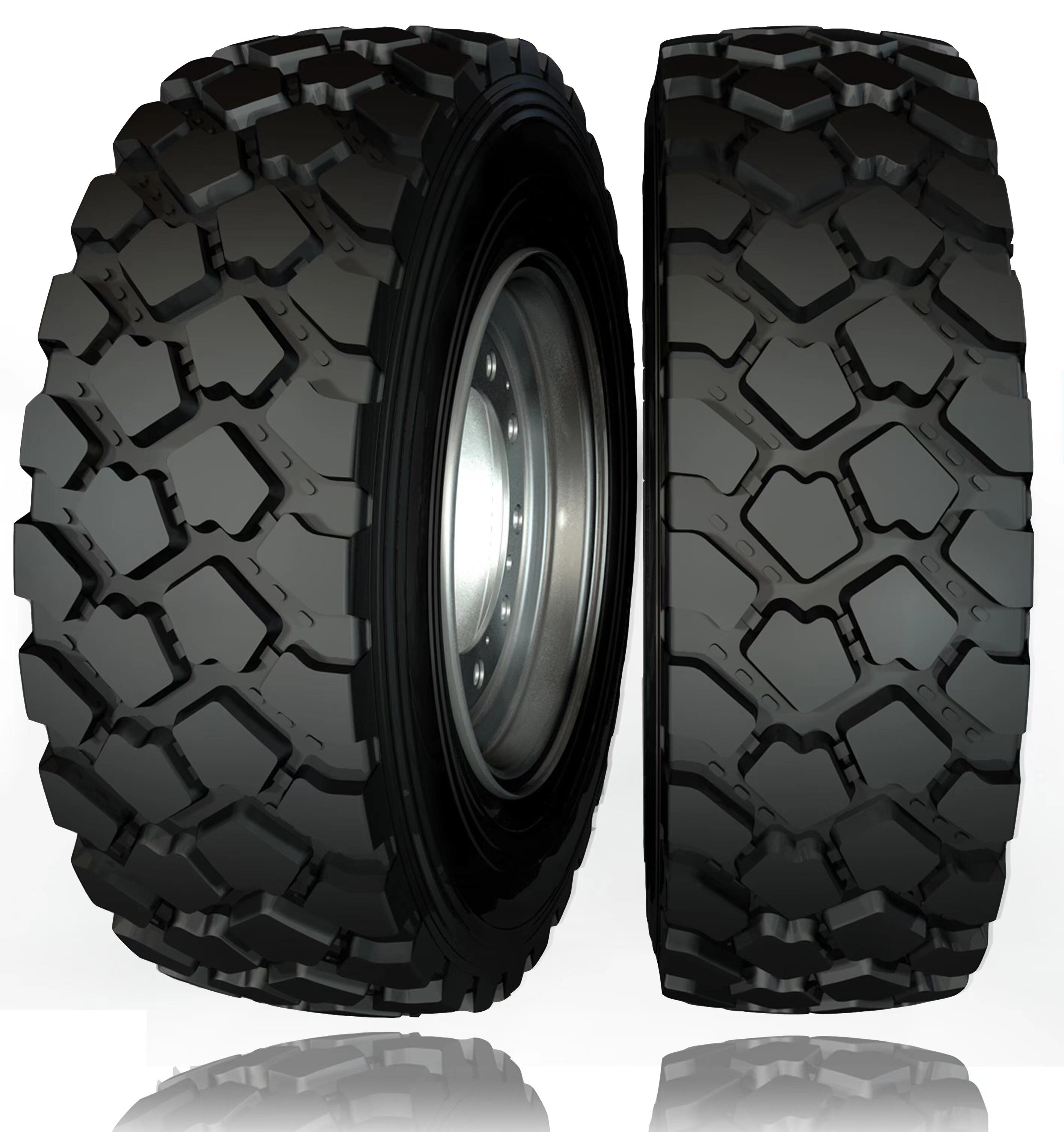
Military operations demand exceptional performance from every component of tactical vehicles, and military tires represent one of the most critical elements ensuring mission success. These specialized tire systems must withstand extreme conditions while maintaining optimal mobility across diverse terrains. From desert sand to rocky mountain paths, military tires provide the foundation for vehicular operations in environments where standard commercial tires would fail. The development and deployment of advanced military tires directly impacts operational readiness, vehicle performance, and personnel safety in challenging environments.
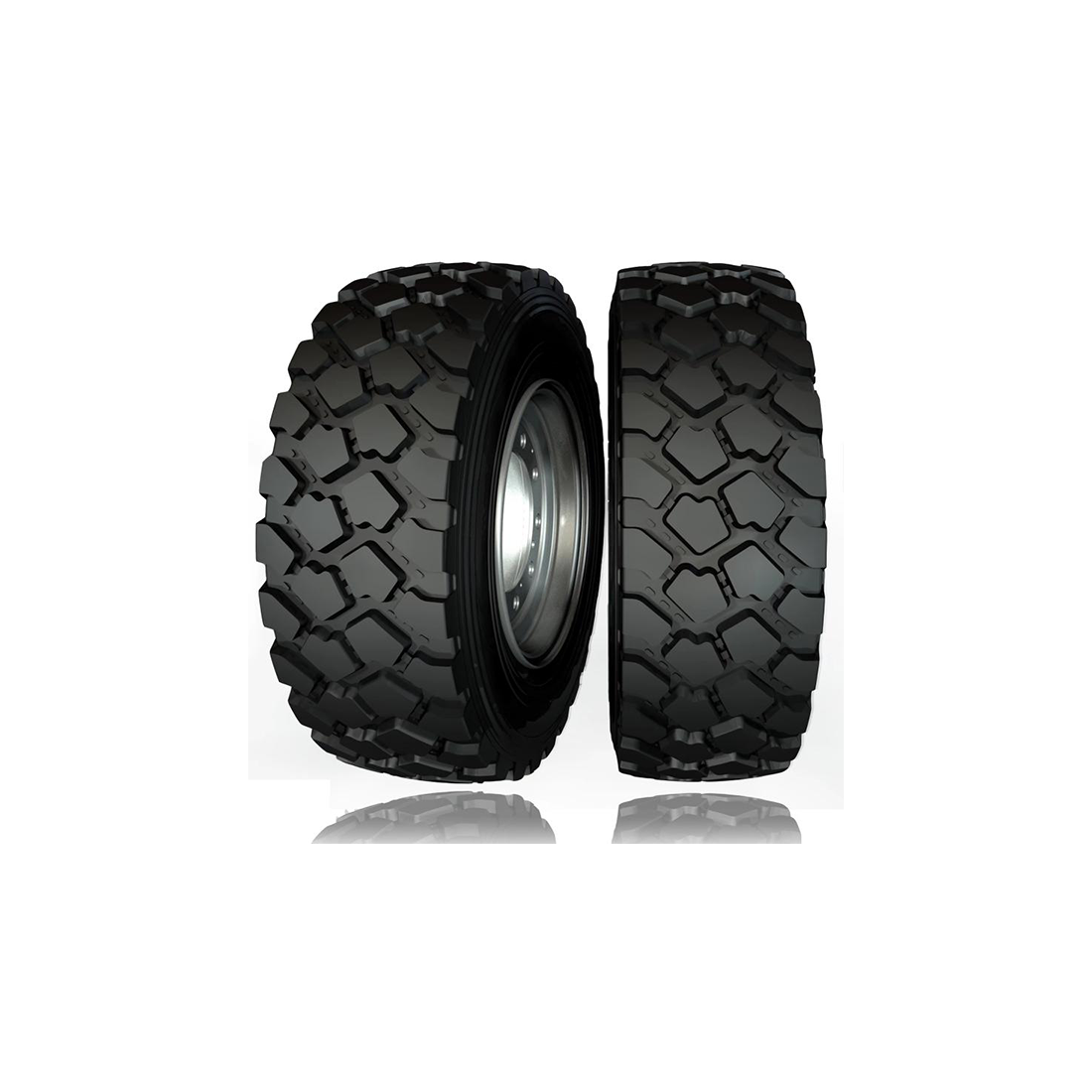
Military tires must accommodate significantly higher load requirements compared to civilian applications. Heavy armored vehicles, supply trucks, and specialized equipment carriers demand tire systems capable of supporting substantial weight distributions while maintaining structural integrity. The engineering specifications for military tires include reinforced sidewall construction, enhanced bead designs, and specialized tread compounds that resist deformation under extreme loads. These requirements ensure that vehicles can carry essential equipment, ammunition, and personnel without compromising mobility or safety during extended operations.
Advanced materials science plays a crucial role in developing military tires that meet these demanding specifications. Synthetic rubber compounds, steel-belted radial construction, and specialized cord materials contribute to the exceptional durability required for military applications. The tire casing design incorporates multiple layers of reinforcement that distribute loads evenly across the contact patch, preventing premature wear and maintaining consistent performance throughout the tire's service life.
Extreme temperature variations present significant challenges for military tire performance, requiring specialized formulations that maintain flexibility and grip across wide temperature ranges. Military tires must function effectively in arctic conditions below negative forty degrees Celsius while also performing reliably in desert environments exceeding fifty degrees Celsius. This temperature resistance involves careful selection of rubber compounds, plasticizers, and reinforcement materials that retain their properties across these extreme ranges.
Environmental adaptability extends beyond temperature considerations to include resistance to chemical exposure, UV radiation, and ozone degradation. Military operations often involve exposure to fuel spills, hydraulic fluids, and other chemicals that could compromise standard tire materials. Advanced military tires incorporate chemical-resistant compounds and protective treatments that maintain performance integrity even when exposed to harsh environmental contaminants for extended periods.
The versatility of military tires across different terrain types represents a fundamental requirement for tactical vehicles that must operate without terrain limitations. Advanced tread designs incorporate multiple pattern elements that provide optimal traction on sand, mud, rock, and paved surfaces. The tread geometry includes aggressive shoulder lugs for soft terrain traction, center blocks for highway stability, and siping patterns that enhance grip on wet or icy surfaces. This comprehensive approach ensures that military tires deliver consistent performance regardless of operational environment changes.
Specialized compound formulations contribute to the multi-surface capabilities of military tires by optimizing the balance between durability and flexibility. Harder compounds resist wear on abrasive surfaces like concrete and asphalt, while softer elements provide conformability for improved traction on uneven terrain. The integration of these different compound zones within a single tire design allows military vehicles to maintain mobility across rapidly changing terrain conditions without requiring tire changes or adjustments.
Military operations frequently involve movement through mud, sand, and debris that can accumulate in tire treads and compromise traction performance. Self-cleaning tread designs incorporate specific void patterns and groove angles that expel accumulated material during tire rotation. These features ensure that military tires maintain their traction capabilities even during prolonged operations in challenging conditions where manual cleaning may not be possible or safe.
The geometry of self-cleaning treads includes angled groove walls, progressive void sizing, and strategic placement of ejection channels that work together to prevent material buildup. This design approach maintains consistent ground contact and traction throughout extended missions, reducing the risk of mobility loss due to clogged treads. The effectiveness of self-cleaning features directly impacts operational tempo and vehicle availability during critical missions.
Combat environments present unique challenges including the risk of tire damage from ballistic threats, debris, and intentional sabotage attempts. Military tires incorporate advanced puncture-resistant technologies including reinforced sidewalls, internal support structures, and specialized sealant systems that maintain mobility even after sustaining damage. These features ensure that vehicles can continue operating and reach safe positions even when tires are compromised during hostile encounters.
Run-flat technology represents a critical capability for military tires, allowing continued operation at reduced speeds for significant distances after air pressure loss. Internal support rings, reinforced sidewall construction, and specialized bead designs work together to maintain tire shape and vehicle control during run-flat conditions. This capability can mean the difference between successful mission completion and vehicle abandonment in hostile territory, making it an essential feature for military tire applications.
Advanced emergency mobility systems integrated into military tires provide multiple layers of protection against mobility loss during critical operations. These systems may include internal air chambers that can be independently inflated, temporary repair capabilities that can seal minor punctures, and modular insert systems that provide structural support when primary tire components are damaged. The redundancy built into these emergency systems ensures that vehicles maintain operational capability even when facing multiple tire-related challenges.
The integration of monitoring systems with emergency mobility features allows operators to assess tire condition and remaining run-flat capability in real-time. Electronic sensors can detect pressure loss, temperature changes, and structural damage, providing critical information for tactical decision-making. This data enables commanders to optimize vehicle deployment and plan maintenance activities based on actual tire condition rather than arbitrary schedules.
Military tires must be designed to minimize field maintenance requirements while maximizing operational availability. Simplified mounting procedures, standardized valve systems, and robust construction reduce the need for specialized tools or extensive maintenance skills in field conditions. The ability to perform basic tire maintenance using standard military equipment and minimal specialized training ensures that units can maintain vehicle readiness without relying on external support services.
Preventive maintenance protocols for military tires focus on inspection procedures that can identify potential issues before they impact mission capability. Visual inspection criteria, pressure monitoring requirements, and wear pattern analysis help maintenance personnel optimize tire performance and predict replacement needs. These protocols ensure that military tires deliver maximum service life while maintaining reliability throughout their operational period.
Proper storage conditions for military tires ensure that replacement inventory maintains its performance capabilities over extended periods. Storage requirements include temperature control, protection from UV exposure, and proper positioning to prevent deformation during long-term storage. Military logistics systems must account for these storage requirements when planning inventory distribution and rotation to ensure that tires maintain their specified performance characteristics when deployed.
Inventory management for military tires involves tracking not only quantity and location but also manufacturing dates, storage conditions, and inspection history. This comprehensive approach ensures that the oldest suitable tires are deployed first while maintaining quality standards for all issued equipment. Proper inventory rotation prevents the accumulation of aged tires that may have degraded performance characteristics even if they appear serviceable.
The interaction between military tires and vehicle suspension systems directly impacts overall vehicle performance, crew comfort, and equipment protection. Tire characteristics including sidewall stiffness, tread compliance, and load distribution patterns influence suspension response and vehicle handling characteristics. Proper tire selection and specification ensure that the tire-suspension combination delivers optimal performance across the vehicle's intended operating envelope.
Advanced military tires incorporate design features that complement suspension system capabilities while providing consistent handling characteristics across various load conditions. Progressive sidewall construction, optimized contact patch geometry, and controlled deformation patterns work with suspension components to maintain vehicle stability and control during aggressive maneuvering. This integration ensures that military vehicles can perform evasive actions and navigate challenging terrain while maintaining crew safety and equipment protection.
Rolling resistance characteristics of military tires significantly impact vehicle fuel consumption and operational range, critical factors for extended missions and logistics planning. Advanced tread compounds and construction techniques minimize energy losses while maintaining necessary traction and durability performance. The balance between low rolling resistance and operational capability requirements represents a key engineering challenge in military tire development.
Optimization of tire pressure and load distribution contributes to fuel efficiency while maintaining tire performance and longevity. Military tire specifications include recommended pressure ranges for different load conditions and operational requirements, allowing operators to optimize fuel consumption based on mission parameters. This flexibility enables units to extend operational range when conditions permit while maintaining full capability when maximum performance is required.
Military tires incorporate specialized materials, construction techniques, and performance features not found in commercial applications. These include ballistic-resistant compounds, run-flat capabilities, extreme temperature resistance, and enhanced puncture protection. The design specifications also emphasize multi-terrain performance, extended service life under harsh conditions, and compatibility with heavy military vehicle systems that exceed typical commercial requirements.
Run-flat capability varies depending on tire size, vehicle weight, and operating conditions, but military tires typically provide 50-100 kilometers of mobility at reduced speeds after complete air pressure loss. This distance allows vehicles to reach safe positions or maintenance facilities even when tires are severely damaged. The actual range depends on factors including terrain difficulty, vehicle load, and driving speed during run-flat operation.
Field maintenance for military tires includes regular pressure checks, visual inspection for damage or unusual wear patterns, and cleaning of debris from tread areas. Maintenance personnel should monitor tire temperature after extended operations, check for proper mounting and valve integrity, and document any observed changes in performance or condition. Most field maintenance can be performed using standard military tools and equipment without specialized tire service facilities.
Environmental factors including temperature, humidity, altitude, and chemical exposure can significantly impact military tire performance and service life. Extreme temperatures affect compound flexibility and traction characteristics, while chemical exposure can degrade rubber compounds over time. Military tires are designed to maintain performance across wide environmental ranges, but operators should adjust tire pressures and inspection intervals based on specific operating conditions to optimize performance and longevity.
 Hot News
 EN
EN
 AR
AR
 BG
BG
 FR
FR
 DE
DE
 HI
HI
 IT
IT
 JA
JA
 KO
KO
 PL
PL
 PT
PT
 RU
RU
 ES
ES
 SV
SV
 TL
TL
 ID
ID
 LV
LV
 LT
LT
 SR
SR
 UK
UK
 VI
VI
 TH
TH
 TR
TR
 FA
FA
 AF
AF
 HY
HY
 AZ
AZ
 KA
KA
 BN
BN
 LA
LA
 MN
MN
 SO
SO
 MY
MY
 KK
KK
 UZ
UZ
 KU
KU
 KY
KY