When operating in extreme terrain, remote locations, or high-risk zones, tire failure is not just an inconvenience — it can be catastrophic. Runflat tires have become a critical solution for vehicles that cannot afford the risk of a complete blowout or the loss of mobility caused by punctures. Whether deployed in military convoys, mining operations, border patrol, or emergency response, these tires are engineered to continue functioning even after significant air pressure loss, keeping operators safe and missions uninterrupted.
The qualities that make runflat tires suitable for harsh environments are not accidental — they are the result of deliberate engineering choices aimed at durability, load support, and operational resilience. Understanding exactly what features drive this suitability helps procurement teams, fleet managers, and field engineers select the right tire system for their specific demands. This article breaks down the core characteristics that define runflat tire performance in the most challenging conditions on earth.
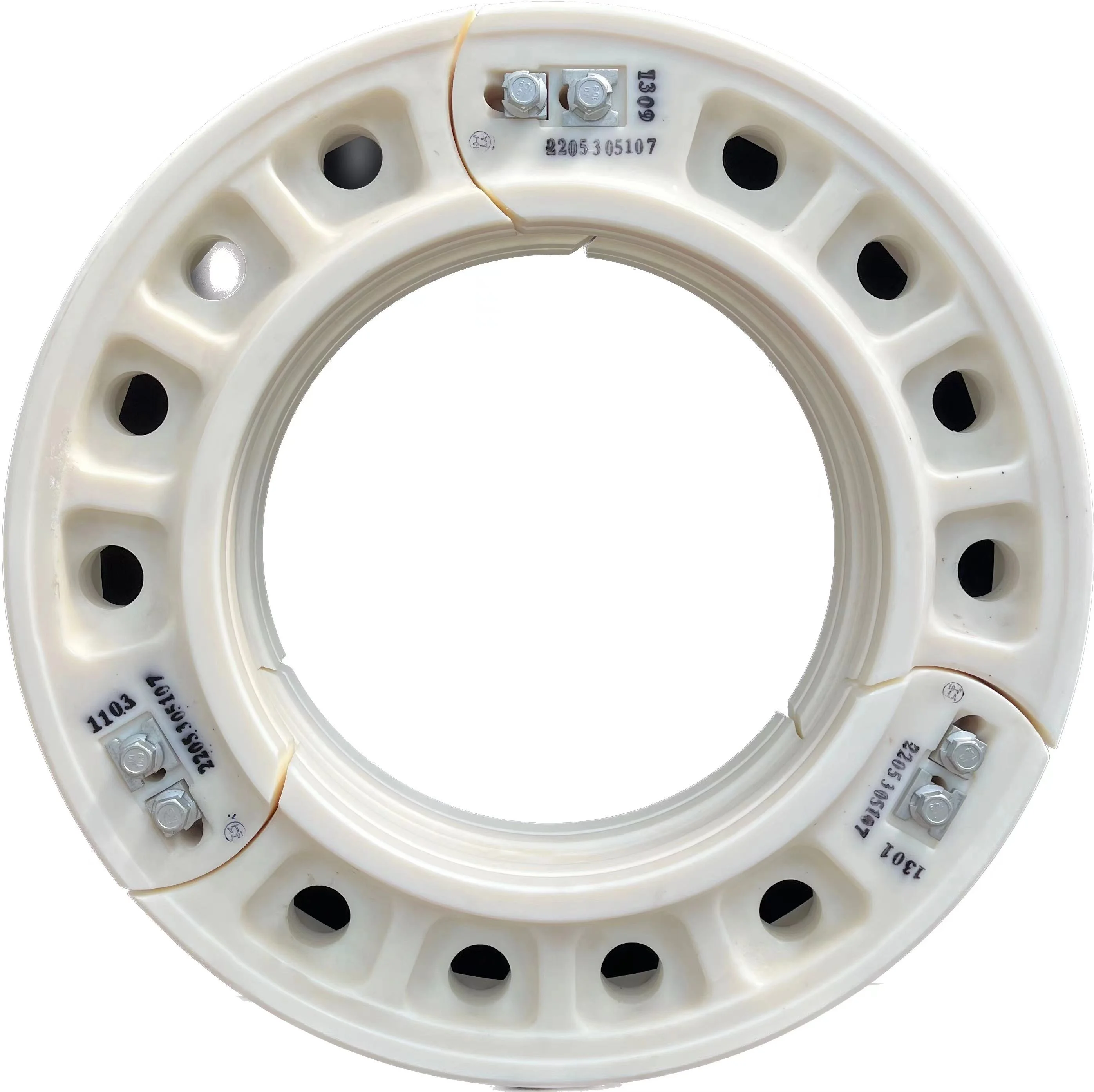
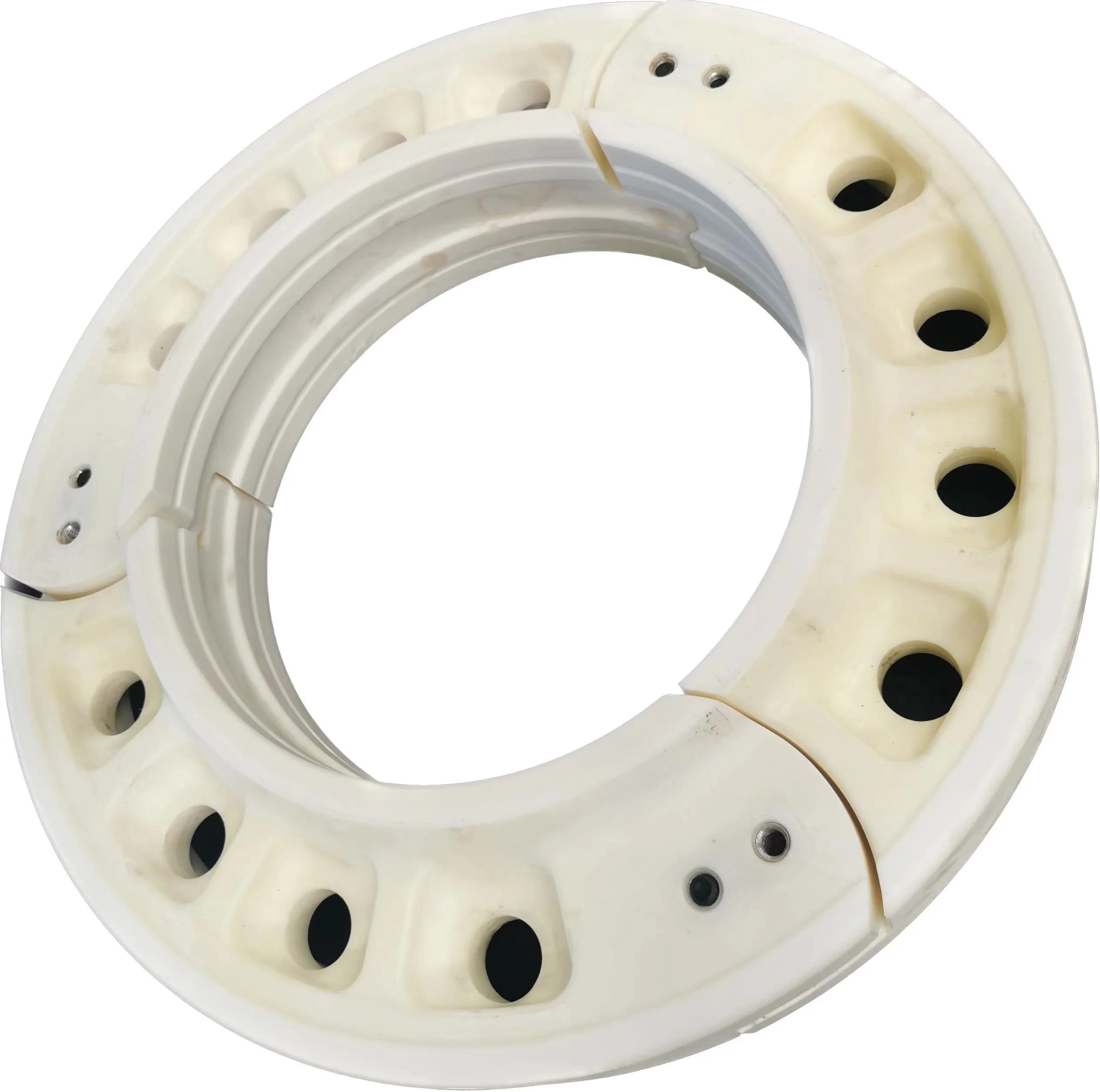
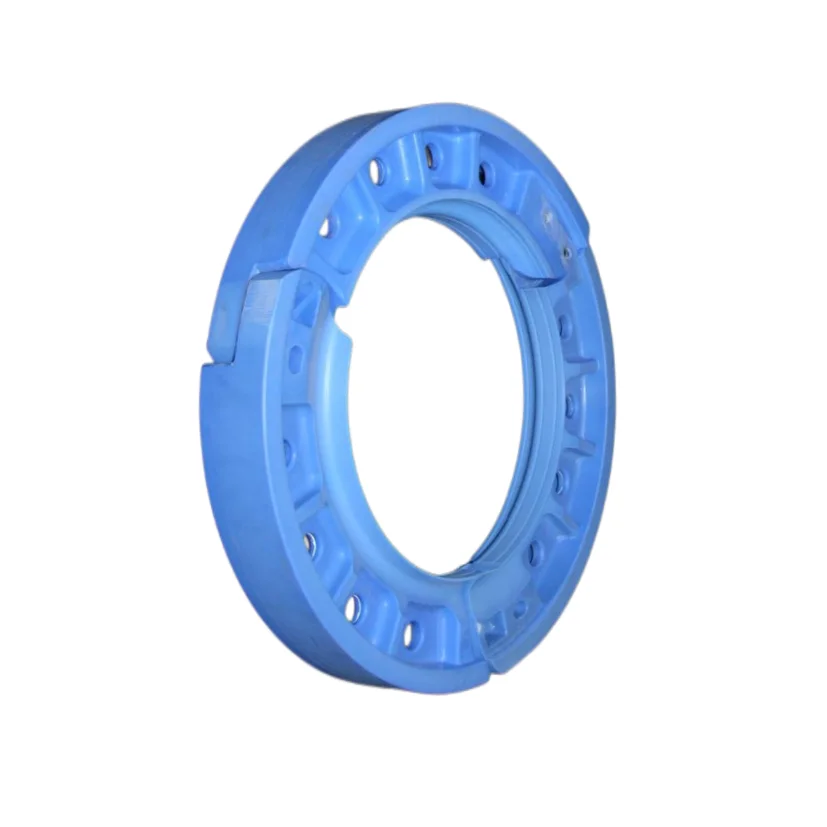
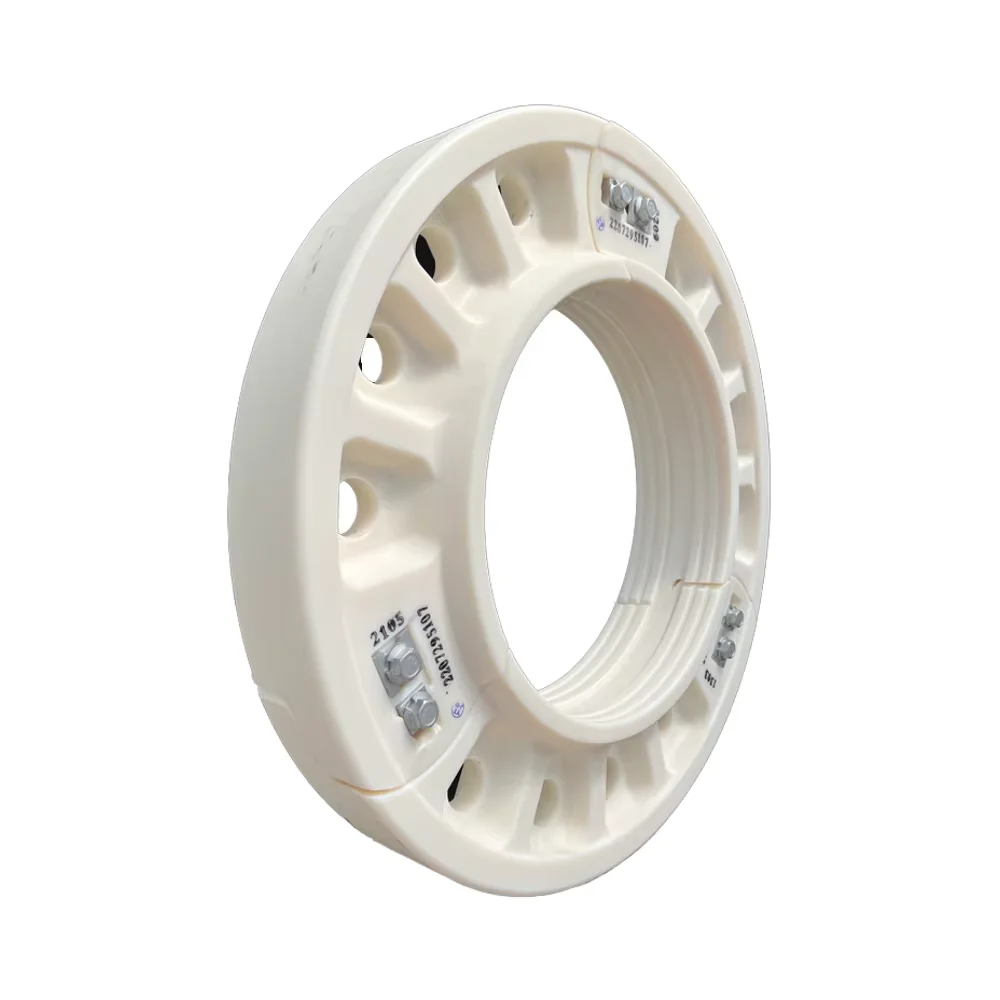
The most defining feature of runflat tires is their internal support structure, which allows the tire to bear vehicle weight even when air pressure is completely lost. This structure, often referred to as an insert or internal support body, is typically made from high-density rubber or polyurethane compounds engineered to absorb impact and distribute load without relying on air pressure. When a standard tire is punctured, the sidewall collapses immediately, making the vehicle immobile. Runflat tires prevent this structural failure by maintaining shape integrity through the insert itself.
This internal support mechanism becomes especially critical in harsh environments where sharp rocks, debris, shrapnel, and uneven surfaces are constant threats. The insert essentially functions as a secondary load-bearing system, providing controlled mobility even after total air loss. Operators can continue moving at reduced but functional speeds, which is often the difference between mission success and vehicle abandonment in hostile terrain.
The design of these inserts has advanced significantly over the years, with modern versions optimized for both off-road performance and low heat generation during extended zero-pressure operation. The material composition is engineered to resist deformation under stress, ensuring that the tire maintains a usable contact patch with the ground regardless of the pressure conditions inside the tire cavity.
Beyond internal inserts, the sidewall construction of runflat tires plays an equally important role in harsh environment suitability. Standard tire sidewalls are designed primarily for comfort and flexibility under normal road conditions, but in aggressive terrain, these thin sidewall profiles become a liability. Runflat tire sidewalls are significantly reinforced with additional rubber compounds and structural layers that resist cuts, punctures, and deformation when the tire is squeezed between rocks or subjected to lateral impact forces.
This reinforced construction adds a layer of redundancy to the tire system. Even if the outer tread is compromised, the sidewall retains enough structural integrity to prevent immediate failure, giving the vehicle time to exit a danger zone or reach a maintenance point. For military vehicles, tactical trucks, and heavy-duty industrial equipment, this capability translates directly into reduced risk exposure for both personnel and assets.
The added sidewall thickness and reinforcement also helps runflat tires resist bead displacement — the condition where the tire bead separates from the rim during zero-pressure operation. Bead retention is a major performance criterion in harsh environments, particularly during high-speed maneuvers or when navigating deeply rutted tracks, and the engineered sidewall construction directly addresses this vulnerability.
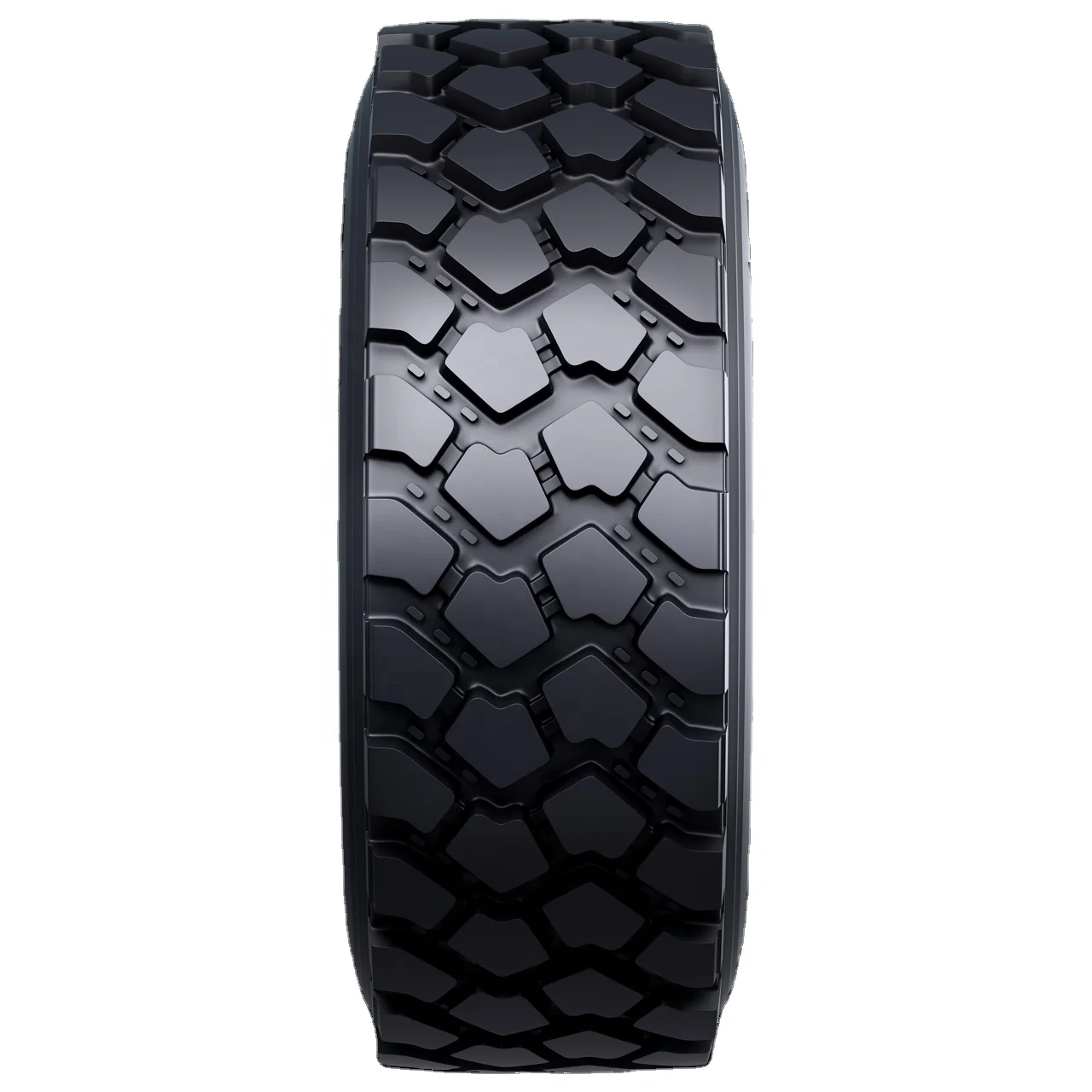
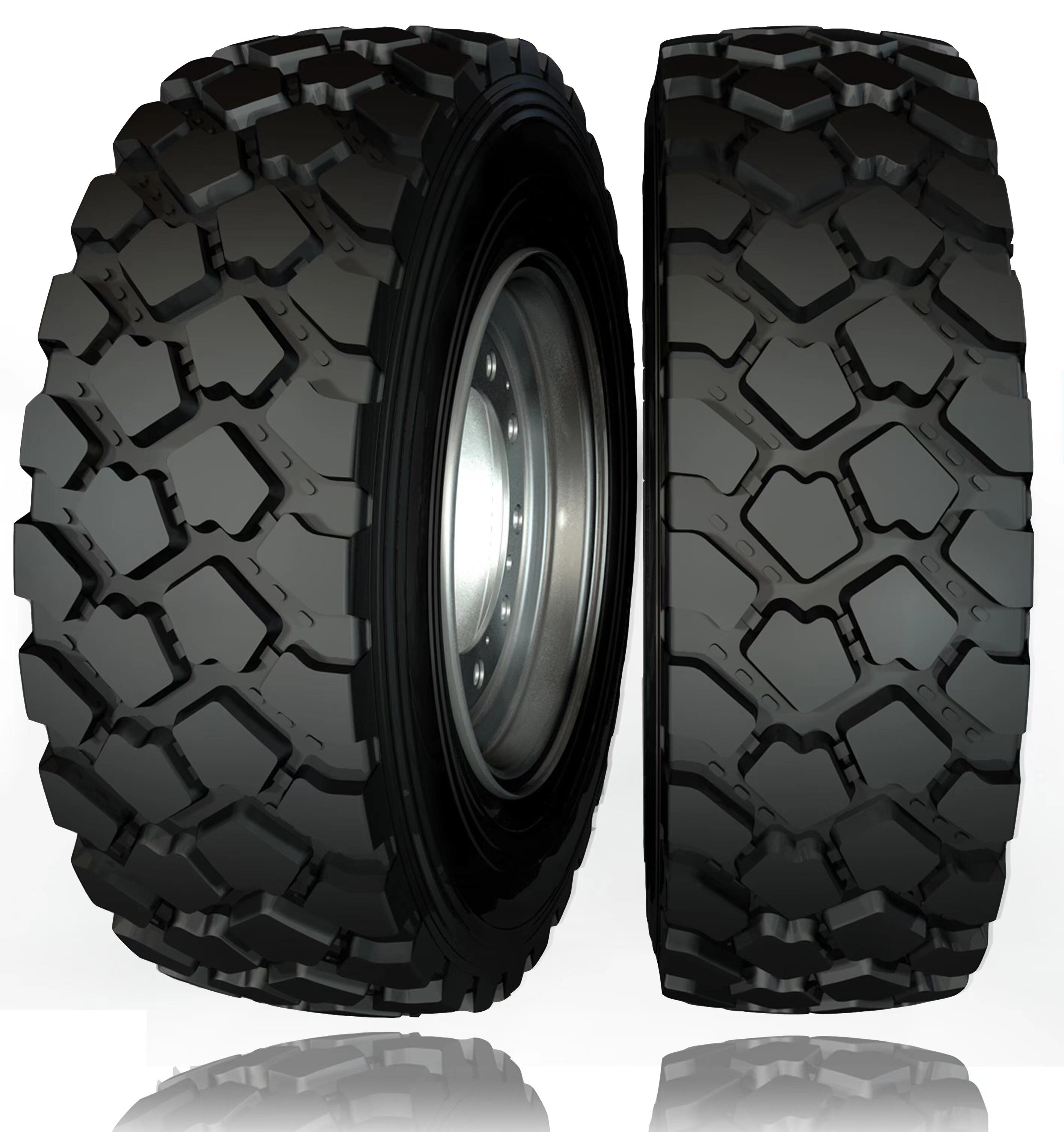
Runflat tires designed for off-road use feature aggressive tread patterns that channel mud, water, and loose material away from the contact patch, maintaining grip on surfaces that would defeat standard tires. The tread compound is typically formulated to remain pliable across a wide temperature range, ensuring consistent traction whether operating in desert heat or sub-zero mountain environments. This thermal stability is a non-negotiable requirement in harsh environment applications where temperature swings can be dramatic and sudden.
Ground stability is further enhanced by the combination of the internal support insert and the tread pattern working together. When the tire is deflated or partially pressurized, the insert maintains the overall diameter of the tire, preventing the kind of irregular ground contact that would otherwise cause vehicle handling to become dangerously unpredictable. Operators experience a controlled, manageable ride even under compromised pressure conditions, which is critical when navigating unstable slopes or crossing loose gravel terrain.
The geometry of the tread blocks in runflat tires for heavy vehicles is also optimized to self-clean — meaning debris and mud are expelled from the grooves during rotation rather than packing in and reducing traction. This self-cleaning characteristic extends the effective traction life of the tire during continuous off-road operation, reducing the need for stops to manually clear packed debris from the tread.
One of the most demanding technical challenges for runflat tires in harsh environments is heat generation during zero-pressure or low-pressure running. When a tire loses air, the internal support insert bears the full load of the vehicle and flexes continuously with every rotation. This repeated flexing generates heat, and if not managed properly, the insert can degrade rapidly, shortening the vehicle's run-flat distance and potentially causing catastrophic failure at the worst possible moment.
Premium runflat tire designs address this through material science — using rubber or composite compounds with high thermal resistance and low hysteresis properties. Hysteresis refers to the energy lost as heat during repeated deformation, and reducing this property in the insert material directly translates to lower operating temperatures during extended zero-pressure travel. Some advanced inserts also incorporate heat-dissipating geometry within their structure, increasing surface area exposed to air circulation inside the tire cavity.
This thermal management capability directly determines the vehicle's run-flat range — how far it can travel after complete tire puncture before the insert fails. In practical terms for harsh environment deployments, a longer run-flat range means more options for safe egress, greater operational flexibility, and reduced dependence on immediate extraction or repair support. Runflat tires with validated extended run-flat ranges are a tangible tactical and operational advantage in remote or hostile locations.
Runflat tires were first developed with military vehicle requirements in mind, and those requirements remain among the most demanding benchmarks in the industry. Military vehicles operate in combat zones, through IED-affected routes, over rubble, and across terrain that is completely undefined by any road standard. In this context, the ability to continue operating after tire damage — whether from gunfire, shrapnel, or road debris — is not a luxury feature but a fundamental tactical requirement.
Modern military runflat tires must pass strict certification standards covering run-flat distance, speed capability under zero pressure, load capacity, and resistance to ballistic damage. These standards ensure that the tires perform reliably in the scenarios for which they are intended, not just under idealized test conditions. For procurement officers and fleet managers sourcing tires for tactical or paramilitary applications, compliance with recognized military standards is one of the most important selection criteria.
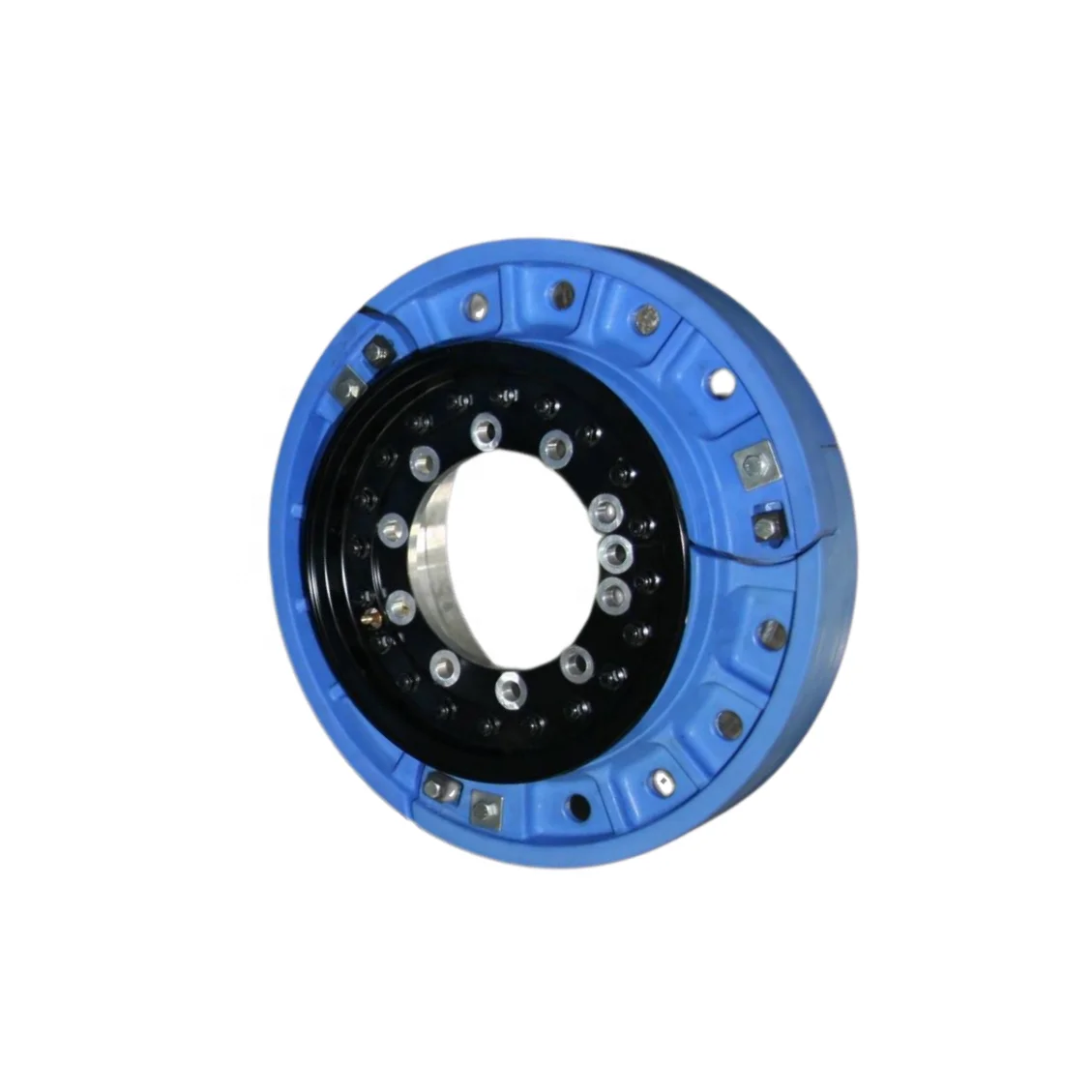
The compatibility of runflat tires with central tire inflation systems (CTIS) and multi-piece military rims adds further operational value. CTIS allows drivers to adjust tire pressure on the move, adapting to changing terrain conditions — softer on sand, firmer on rock. When combined with the run-flat capability, this gives military operators a highly adaptable mobility solution that functions across the widest possible range of environments.
Beyond military applications, runflat tires have found strong adoption in mining operations, heavy construction, and emergency response fleets. Mining sites present some of the most tire-hostile surfaces anywhere — sharp ore fragments, embedded metal debris, extreme payload demands, and remote locations where tire repair support may be hours away. The ability of runflat tires to sustain vehicle mobility after puncture directly reduces downtime and the safety risks associated with personnel stopping to change tires in active mining areas.
Construction sites and infrastructure projects in developing regions share similar challenges — rough, unpredictable surfaces, limited access to repair facilities, and high operational pressure to keep vehicles moving. Runflat tires provide project managers with a reliability buffer that reduces costly stops and allows heavy machinery and support vehicles to operate on tighter schedules without the constant threat of puncture-related delays.
In emergency response scenarios — wildfire fighting, disaster relief, search and rescue — vehicles must often traverse debris-laden terrain at speed, and stopping for a tire change is simply not an option. The run-flat capability of these tires ensures that first responders can continue to their destination even when the tires sustain damage during the approach, a capability that has very real implications for human outcomes in emergency situations.
Selecting the correct runflat tires for a harsh environment application begins with matching the tire's load rating to the gross vehicle weight and the anticipated payload. An undersized insert will degrade rapidly under excess weight, undermining the entire run-flat capability. Conversely, an oversized and overly rigid insert may transmit too much vibration to the vehicle structure, reducing component lifespan and operator comfort. Proper load matching is therefore both a safety and a longevity issue.
Load ratings for runflat tires must account not just for static vehicle weight but for dynamic loads — the impact forces generated when crossing obstacles, descending steep grades, or operating at speed over rough terrain. These dynamic loads can be many times higher than the static weight of the vehicle, and the tire and insert system must be capable of absorbing these peaks without structural compromise. Detailed load analysis is a standard part of the specification process for serious runflat tire procurement.
Additionally, the rim design must be compatible with the runflat insert. Many high-performance inserts require specific rim profiles to seat correctly and function as designed. Procurement teams should confirm rim-insert compatibility during the specification phase to avoid performance gaps in the field. Mismatched rim-insert combinations are a leading cause of premature runflat insert failure in operational settings.
Two of the most practically important specifications for runflat tires in harsh environments are the validated run-flat distance and the maximum speed under zero-pressure conditions. These figures define the operational envelope of the run-flat system and directly determine how much flexibility an operator has after sustaining tire damage. A run-flat distance of 50 kilometers at 50 kph, for example, provides a very different safety margin than a system rated for only 30 kilometers at 30 kph.
These figures should be based on independent or certified testing rather than manufacturer claims alone. For high-stakes applications like military or emergency response, validated performance data is essential for mission planning and risk assessment. Procurement specifications for runflat tires in these sectors typically require documented test results as part of the qualification process.
It is also important to understand that published run-flat distances are typically measured under controlled test conditions — on a defined surface, at a specific temperature, and at a set vehicle weight. In the real world of harsh environments, actual performance may vary depending on terrain roughness, ambient temperature, and the specific nature of the tire damage. This is why selecting runflat tires with performance margins well above the minimum operational requirement is a widely recommended practice among fleet engineers.
A runflat tire insert is an internal support structure placed inside the tire that bears the weight of the vehicle when air pressure is lost. It prevents the tire from collapsing and allows the vehicle to continue moving at reduced speed for a defined distance after a puncture or blowout. This capability is what makes runflat tires fundamentally different from standard tires in terms of operational resilience.
The run-flat distance varies depending on the specific tire and insert design, the vehicle weight, the terrain, and the ambient temperature. Many industrial and military-grade runflat tires are rated for 50 kilometers or more at speeds of 50 kph under zero-pressure conditions. However, actual performance in harsh terrain may differ from test conditions, so operators should select systems with an appropriate safety margin for their specific use case.
Runflat tires are available in configurations compatible with a wide range of heavy vehicles including military trucks, armored personnel carriers, mining equipment, and large emergency response vehicles. However, the correct insert size, load rating, and rim compatibility must be verified for each specific vehicle application. Improper specification can compromise the run-flat performance, so professional technical assessment during procurement is strongly recommended.
Runflat tire inserts should be inspected at regular intervals for signs of cracking, deformation, or deterioration, particularly after episodes of zero-pressure operation. Following any run-flat event, the insert should be assessed by a qualified technician to determine whether it remains within serviceable condition. Proper storage of spare inserts — away from UV exposure, ozone, and extreme heat — also extends their service life significantly.
 Hot News
 EN
EN
 AR
AR
 BG
BG
 FR
FR
 DE
DE
 HI
HI
 IT
IT
 JA
JA
 KO
KO
 PL
PL
 PT
PT
 RU
RU
 ES
ES
 SV
SV
 TL
TL
 ID
ID
 LV
LV
 LT
LT
 SR
SR
 UK
UK
 VI
VI
 TH
TH
 TR
TR
 FA
FA
 AF
AF
 HY
HY
 AZ
AZ
 KA
KA
 BN
BN
 LA
LA
 MN
MN
 SO
SO
 MY
MY
 KK
KK
 UZ
UZ
 KU
KU
 KY
KY