Die Laser-Technologie zur Bekämpfung von Drohnen stellt einen revolutionären Ansatz zur Neutralisierung unbefugter unbemannter Luftfahrzeuge dar, die erhebliche Bedrohungen für kritische Infrastrukturen, die öffentliche Sicherheit und geschützten Luftraum darstellen. Dieses fortschrittliche Verteidigungssystem nutzt hochleistungsfähige gebündelte Energiestrahlen, um Drohnen durch präzises Zielen auf deren elektronische Komponenten, Antriebssysteme oder strukturelle Elemente außer Gefecht zu setzen oder zu zerstören. Da die zunehmende Verbreitung von Drohnen herkömmliche Sicherheitsmaßnahmen weiterhin herausfordert, wird das Verständnis dafür, wie Lasersysteme den Schutz des Luftraums verstärken, für Sicherheitsexperten, Betreiber von Einrichtungen und Verteidigungsunternehmen, die umfassende Gegen-Drohnen-Lösungen suchen, immer wichtiger.
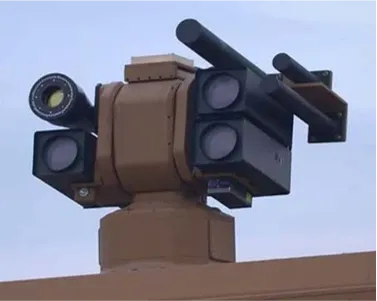
Die Integration von Laser-Technologie zur Drohnenabwehr in moderne Sicherheitskonzepte schließt kritische Schwachstellen, die herkömmliche Erkennungs- und Abwehrmethoden nicht wirksam bekämpfen können. Durch sofortige, präzise und skalierbare Reaktionen auf Drohnen-Eindringlinge schaffen diese Systeme mehrere Schutzebenen, die die gesamte Luftverkehrssicherheitsarchitektur stärken. Die Technologie funktioniert mittels hochentwickelter Strahlsteuerungsmechanismen, die Ziele in unterschiedlichen Entfernungen erfassen können, wobei Kollateralschäden minimiert und die operative Flexibilität über verschiedene Bedrohungsszenarien hinweg gewahrt bleibt.
Die Laser-Antidrohnentechnologie funktioniert durch eine sorgfältig gesteuerte Erzeugung hochenergetischer Strahlen, die eine ausreichende Leistungsdichte erzeugen, um den Betrieb von Drohnen zu stören, ohne übermäßige Umweltgefahren zu verursachen. Das System erzeugt kohärentes Licht mittels stimulierte Emission, typischerweise unter Verwendung von Faserlasern oder Festkörperlaser-Konfigurationen, die speziell für Anti-Drohnen-Anwendungen optimiert sind. Die Leistungsstufen reichen von mehreren Kilowatt bis hin zu mehreren zehn Kilowatt und liefern somit ausreichend Energie, um kritische Drohnenkomponenten zu beschädigen, während gleichzeitig sichere Betriebsparameter für die umgebenden Bereiche gewährleistet bleiben.
Fortgeschrittene Strahlsteuerungssysteme gewährleisten eine präzise Energieabgabe, indem sie atmosphärische Störungen, Zielbewegungen und Reichweitenvariationen kompensieren. Die Technologie umfasst adaptive Optik, die kontinuierlich die Strahleigenschaften anpasst, um die Fokussierungsgenauigkeit über alle Einsatzentfernungen hinweg aufrechtzuerhalten. Durch die Leistungsmodulationsfunktion können Bediener je nach Zielgröße, Bauartmaterialien und gewünschten Neutralisierungseffekten geeignete Energiestufen auswählen, wodurch eine wirksame Bekämpfung sichergestellt wird, ohne unnötige Zerstörung zu verursachen.
Thermomanagementsysteme innerhalb von Laser-Systemen zur Drohnenabwehr halten während längerer Einsatzphasen optimale Betriebstemperaturen auf. Diese Kühlmechanismen verhindern eine Systemdegradation und gewährleisten eine konsistente Leistung bei der Bekämpfung mehrerer Ziele. Die Integration fortschrittlicher Materialien und Wärmeableitungstechnologien ermöglicht einen dauerhaften Betrieb unter verschiedenen Umgebungsbedingungen, wobei gleichzeitig die Strahlqualität und die Zielgenauigkeit erhalten bleiben.
Die Wirksamkeit der Laser-Antidrohnentechnologie hängt stark von hochentwickelten Zielakquisitionssystemen ab, die unbemannte Luftfahrzeuge in komplexen Einsatzumgebungen erkennen, identifizieren und verfolgen können. Diese Systeme integrieren mehrere Sensortechnologien, darunter elektro-optische Kameras, Infrarot-Bildgebung und Radarerkennung, um ein umfassendes Lagebewusstsein zu schaffen. Maschinelle Lernalgorithmen verarbeiten Sensordaten, um mit hoher Genauigkeit zwischen zugelassenen Luftfahrzeugen, Wildtieren und potenziellen Drohnenbedrohungen zu unterscheiden.
Echtzeit-Verfolgungsalgorithmen berechnen kontinuierlich die Flugbahn, Geschwindigkeit und Beschleunigungsparameter des Ziels, um optimale Einsatzfenster vorherzusagen. Die Technologie behält die Zielverfolgung auch bei ausweichenden Manövern, widrigen Wetterbedingungen oder elektronischen Gegenmaßnahmen, die von hochentwickelten Drohnenbetreibern eingesetzt werden. Durch die prädiktiven Verfolgungsfunktionen kann das System bewegte Ziele effektiv „vorhalten“, wodurch eine erfolgreiche Platzierung des Strahls auch gegen Hochgeschwindigkeitsdrohnen oder unregelmäßig manövrierende Drohnen gewährleistet ist.
Die Fähigkeit zur Mehrziel-Einwirkung ermöglicht es fortschrittlichen Laser-Systemen zur Drohnenabwehr, mehrere Bedrohungen innerhalb des Operationsgebiets gleichzeitig zu verfolgen und nach Priorität einzustufen. Automatisierte Bedrohungsbewertungsalgorithmen analysieren Zielmerkmale, Anflugvektoren und potenzielle Auswirkungsgrade, um die Reihenfolge der Einwirkung zu bestimmen. Diese Fähigkeit erweist sich als entscheidend bei Szenarien mit Drohnen-Schwärmen oder koordinierten Angriffen durch mehrere Fahrzeuge, bei denen eine schnelle Reaktion auf mehrere Ziele für einen wirksamen Luftraumschutz unerlässlich ist.
Die Laser-Anti-Drohnen-Technologie stärkt die Sicherheit des Luftraums durch die Integration in bestehende Sicherheitsinfrastrukturen, um umfassende, mehrschichtige Verteidigungssysteme zu schaffen. Diese mehrstufigen Ansätze kombinieren Frühwarnsensoren, elektronische Kampffähigkeiten, kinetische Abfangsysteme und Waffen mit gerichteter Energie, um unterschiedliche Bedrohungsprofile zu bewältigen. Das Lasersystem fungiert typischerweise als präzises Engagement-System innerhalb der nahbereichsorientierten Verteidigungsschicht und bietet den letzten Schutz gegen Bedrohungen, die die äußeren Verteidigungsperimeter durchdrungen haben.
Integrationsprotokolle gewährleisten eine nahtlose Koordination zwischen Lasersystemen und anderen Anti-Drohnen-Technologien wie Funkfrequenz-Störsendern, GPS-Spoofing-Geräten und Netzfangmechanismen. Führungssysteme koordinieren die Reihenfolge der Maßnahmen basierend auf Bedrohungsbewertungsparametern, Umgebungsbedingungen und Überlegungen zum Risiko von Kollateralschäden. Dieser koordinierte Ansatz maximiert die Wirksamkeit der Neutralisierung und bewahrt gleichzeitig die operative Flexibilität in verschiedenen Bedrohungsszenarien.
Die laser-Anti-Drohnen-Technologie bietet innerhalb mehrschichtiger Verteidigungsarchitekturen einzigartige Vorteile, indem sie sofortige Reaktionsfähigkeiten bereitstellt, die langsamere Gegenmaßnahmen ergänzen. Während Systeme der elektronischen Kriegsführung mehrere Sekunden benötigen können, um eine wirksame Störung herzustellen, können Lasersysteme Ziele bereits innerhalb weniger Millisekunden nach deren Erfassung bekämpfen. Diese schnelle Reaktionsfähigkeit erweist sich als entscheidend beim Schutz vor Hochgeschwindigkeits-Anflugvektoren oder zeitkritischen Bedrohungsszenarien.
Der strategische Einsatz von Lasersystemen zur Drohnenabwehr maximiert die Luftraumabdeckung durch sorgfältige Berücksichtigung von Geländemerkmalen, Anlagenlayouts und betrieblichen Anforderungen. Die Abdeckungsanalyse umfasst Sichtlinienberechnungen, atmosphärische Bedingungen sowie mögliche Störquellen, um die optimalen Standorte für die Systeme zu bestimmen. Mehrere Systemkonfigurationen können sich überlappende Abdeckungszonen bereitstellen, wodurch blinde Flecken eliminiert und ein umfassender Schutz kritischer Bereiche gewährleistet wird.
Techniken zur Reichweitenoptimierung steigern die Wirksamkeit der Lasersysteme zur Drohnenabwehr, indem sie die Strahlparameter an spezifische Einsatzentfernungen anpassen. Konfigurationen für den Nahbereich liefern eine hohe Leistungsdichte gegen Bedrohungen in unmittelbarer Nähe, während Einstellungen für größere Reichweiten ausreichende Energieniveaus für die Bekämpfung entfernter Ziele aufrechterhalten. Ein adaptives Reichweitenmanagement stellt eine optimale Leistung über den gesamten betrieblichen Einsatzbereich sicher und schont gleichzeitig die Systemressourcen für einen langfristigen Betrieb.
Mobile Einsatzfähigkeiten ermöglichen es Lasersystemen zur Drohnenabwehr, eine flexible Abdeckung für temporäre Veranstaltungen, sich wandelnde Bedrohungsmuster oder Szenarien im Rahmen von Notfallreaktionen bereitzustellen. Transportable Plattformen können schnell eingesetzt werden, um neu auftretende Bedrohungen zu bekämpfen oder während risikoreicher Phasen zusätzlichen Schutz zu gewährleisten. Diese Mobilität verbessert die gesamte Sicherheitslage, indem sie eine dynamische Reaktion auf sich verändernde Bedrohungslandschaften und operative Anforderungen ermöglicht.
Die Laser-Antidrohnentechnologie erreicht eine wirksame Neutralisierung von Bedrohungen durch gezielte Angriffe auf kritische Drohnenkomponenten, basierend auf einer Bedrohungsbewertung und den festgelegten Neutralisierungszielen. Die primären Zielstrategien konzentrieren sich darauf, Antriebssysteme, Navigations-Elektronik oder Kommunikationsverbindungen außer Betrieb zu setzen, um einen kontrollierten Abstieg der Drohne – statt einer katastrophalen Zerstörung – zu bewirken. Dieser Ansatz minimiert das Risiko von Trümmern und gewährleistet gleichzeitig eine wirksame Eliminierung der Bedrohung bei verschiedenen Drohnenkonfigurationen und Einsatzszenarien.
Präzise Zielsetzungsfunktionen ermöglichen es Lasersystemen, gezielt bestimmte Subsysteme zu beschädigen, während andere Komponenten für die Analyse nach dem Vorfall erhalten bleiben. Zielalgorithmen analysieren die Konstruktionsmaterialien der Drohne, die Positionen der Komponenten sowie Bewertungen ihrer Anfälligkeit, um optimale Zielpunkte für unterschiedliche Neutralisierungsziele zu bestimmen. Fortschrittliche Strahlsteuerungssysteme können Leistungsstufen und Belichtungsdauer anpassen, um die gewünschten Wirkungen zu erzielen, ohne übermäßige Kollateralschäden zu verursachen.
Adaptive Zielverfolgungsmethoden innerhalb von Lasersystemen zur Drohnenabwehr berücksichtigen verschiedene Drohnen-Baumaterialien, -größen und -konfigurationen. Das System passt die Laserstrahlparameter automatisch anhand der ermittelten Zielidentifikationsdaten an, um die Neutralisierungseffektivität gegenüber unterschiedlichen Bedrohungsarten zu optimieren. Diese Flexibilität gewährleistet eine konsistente Leistung gegen kommerzielle Quadrocopter, Starrflügel-Aufklärungsdrohnen oder militärische unbemannte Systeme mit unterschiedlichen strukturellen Eigenschaften und Abwehrfähigkeiten.
Ein wirksamer Luftraumschutz durch Laser-Antidrohnentechnologie erfordert eine präzise zeitliche Abstimmung, um den Erfolg der Neutralisierung zu maximieren und gleichzeitig die operationellen Risiken zu minimieren. Entscheidungsalgorithmen für den Einsatz verarbeiten mehrere Faktoren – darunter Flugbahn des Ziels, Nähe zu sensiblen Bereichen, Wetterbedingungen und Aspekte des Luftverkehrs –, um den optimalen Zeitpunkt für eine Intervention zu bestimmen. Ein früher Einsatz bietet die größtmögliche Bandbreite an Reaktionsmöglichkeiten, während ein verzögerter Einsatz möglicherweise bessere Zielgenauigkeit oder geringere Kollateralschäden ermöglicht.
Abgestimmte Einsatzprotokolle gewährleisten, dass Lasersysteme sicher im kontrollierten Luftraum arbeiten, ohne ihre Wirksamkeit gegen legitime Bedrohungen einzubüßen. Die Integration in Flugsicherungssysteme verhindert Störungen autorisierter Luftfahrzeugoperationen und koordiniert die Einsatzfenster während Phasen geringerer Luftverkehrsdichte. Diese Protokolle bewahren die operative Flexibilität und stellen gleichzeitig die Einhaltung der luftfahrtrechtlichen Sicherheitsvorschriften sowie der Anforderungen an das Luftraummanagement sicher.
Funktionen zur Koordination mehrerer Systeme ermöglichen es Laser-basierten Drohnenabwehrplattformen, bei komplexen Bedrohungsszenarien gemeinsam zu operieren. Verteilte Einsatzprotokolle erlauben es mehreren Lasersystemen, Zielzuweisungen abzustimmen, Verfolgungsdaten auszutauschen und gleichzeitige Einsätze gegen Drohnen-Schwärme oder koordinierte Angriffe zu koordinieren. Dieser kollaborative Ansatz steigert die gesamte verteidigungstechnische Wirksamkeit, verhindert gleichzeitig Systemstörungen und optimiert die Ressourcennutzung im geschützten Bereich.
Die sofortige Einsatzfähigkeit der Laser-Antidrohnentechnologie bietet im Vergleich zu herkömmlichen Gegenmaßnahmen deutliche Vorteile in sicherheitskritischen Situationen, bei denen Zeit entscheidend ist. Während kinetische Abfangsysteme Flugzeit benötigen und elektronische Kriegsführungssysteme Zeit für die Signalausbreitung benötigen, wirken Lasersysteme mit Lichtgeschwindigkeit und weisen nur eine minimale Verzögerung zwischen Zielverfolgung und Neutralisierung auf. Diese schnelle Reaktionsfähigkeit erweist sich als entscheidend beim Schutz vor Hochgeschwindigkeitsbedrohungen oder in Szenarien, die unmittelbares Eingreifen erfordern.
Präzise Einsatzfähigkeiten minimieren das Risiko von Kollateralschäden im Vergleich zu explosiven oder kinetischen Gegenmaßnahmen, die möglicherweise Trümmerteppiche erzeugen oder unbeabsichtigte Zerstörung verursachen. Laserbasierte Drohnenabwehrtechnologie bietet chirurgische Präzision, um gezielt bestimmte Komponenten außer Gefecht zu setzen, ohne angrenzende Bereiche zu beeinträchtigen oder gefährliche Fragmente zu erzeugen. Diese Präzision erweist sich insbesondere in städtischen Umgebungen, überfüllten Veranstaltungsorten oder sensiblen Einrichtungen als besonders wertvoll, wo Kollateralschäden unbedingt minimiert werden müssen.
Kosteneffizienzvorteile ergeben sich durch geringeren Munitionsbedarf und minimale Verbrauchsmaterialien im Vergleich zu raketenbasierten oder Netzfangsystemen. Nach der Inbetriebnahme benötigen Lasersysteme lediglich elektrische Energie für den Betrieb, wodurch laufende Munitionskosten und Abhängigkeiten von Lieferketten entfallen. Diese betriebliche Wirtschaftlichkeit macht die laserbasierte Drohnenabwehrtechnologie besonders attraktiv für Einrichtungen, die über längere Zeiträume hinweg einen kontinuierlichen Schutz oder häufige Reaktionen auf Bedrohungen erfordern.
Die Wetterbeständigkeit moderner Laser-Anti-Drohnen-Technologien gewährleistet einen zuverlässigen Betrieb unter vielfältigen Umgebungsbedingungen, die andere Gegenmaßnahmetechnologien beeinträchtigen könnten. Fortschrittliche atmosphärische Kompensationsalgorithmen passen die Strahlparameter an, um die Wirksamkeit auch bei Nebel, Regen oder Staubbedingungen aufrechtzuerhalten, die sonst die Systemleistung mindern könnten. Eine Umgebungsanpassung (Environmental Hardening) stellt einen konsistenten Betrieb bei extremen Temperaturen, Luftfeuchtigkeitswerten und Expositionsbedingungen sicher, wie sie typischerweise bei Außen-Sicherheitsinstallationen auftreten.
Die geräuschlose Funktionsweise bietet erhebliche taktische Vorteile, da sie eine Entdeckung vermeidet oder andere potenzielle Bedrohungen nicht auf aktive Gegenmaßnahmen aufmerksam macht. Im Gegensatz zu kinetischen Systemen, die charakteristische akustische Signaturen erzeugen, oder elektronischen Kriegsführungssystemen, die nachweisbare Hochfrequenzemissionen aussenden, arbeitet die Laser-Technologie zur Drohnenabwehr, ohne Standort oder Fähigkeiten des Systems potenziellen Gegnern preiszugeben. Diese Fähigkeit zum verdeckten Betrieb stärkt die gesamte Sicherheitslage, indem sie die Überraschungswirkung der Verteidigung bewahrt.
Skalierbarkeitsvorteile ermöglichen es Lasersystemen zur Drohnenabwehr, steigende Bedrohungsniveaus oder erweiterte Schutzanforderungen durch modulare Systemkonfigurationen zu bewältigen. Zusätzliche Lasermodule, leistungsstärkere Stromversorgungssysteme oder erweiterte Sensornetzwerke können integriert werden, um die Kapazität zu erhöhen, ohne dass ein vollständiger Systemersatz erforderlich ist. Diese skalierbare Architektur bietet langfristigen Investitionsschutz und ermöglicht eine schrittweise Leistungssteigerung, während sich die Bedrohungslage verändert oder die Schutzanforderungen wachsen.
Die Laser-Antidrohnentechnologie zeigt eine hohe Wirksamkeit gegen die meisten kommerziellen und militärischen Drohnenplattformen durch gezielte Beschädigung einzelner Komponenten. Das System kann kleine Quadrocopter innerhalb weniger Sekunden außer Gefecht setzen, indem es Motoren oder Elektronik lahmlegt; größere Starrflügeldrohnen erfordern hingegen möglicherweise längere Einsatzzeiten, um strukturelle Schäden zu verursachen. Die Wirksamkeit variiert je nach Bauweise der Drohne, ihrer Größe und den getroffenen Schutzmaßnahmen; korrekt konfigurierte Lasersysteme gewährleisten jedoch eine konsistente Leistung gegenüber dem Großteil der derzeitigen Drohnengefahr.
Sicherheitsprotokolle für Laser-Antidrohnentechnologie umfassen strenge Strahlsteuerungsmaßnahmen, um eine Exposition von Personal, Luftfahrzeugen oder empfindlicher Ausrüstung zu verhindern. Die Systeme beinhalten automatische Sicherheitsabschaltungen, eingeschränkte Einsatzzonen und eine Koordination mit der Flugsicherung, um einen sicheren Betrieb zu gewährleisten. Die Augensicherheit stellt die zentrale Sorge dar und erfordert kontrollierte Zugangsbereiche sowie eine automatische Strahlunterbrechung, sobald unbefugtes Personal in potenzielle Expositionsgebiete eindringt. Eine angemessene Schulung sowie Sicherheitsverfahren stellen einen sicheren Betrieb sicher, ohne die defensive Wirksamkeit einzuschränken.
Integrationsmöglichkeiten ermöglichen es der Laser-Anti-Drohnen-Technologie, innerhalb umfassender Sicherheitsframeworks über standardisierte Kommunikationsprotokolle und Schnittstellen für den Datenaustausch zu operieren. Das System kann Bedrohungsinformationen von Perimetersensoren empfangen, sich mit elektronischen Kriegsführungssystemen abstimmen und die Ergebnisse von Abwehrmaßnahmen an zentrale Kommandozentralen melden. Die Integration umfasst in der Regel die Anbindung an bestehende Sicherheitsnetzwerke, den Austausch von Sensordaten sowie die Abstimmung von Reaktionsprotokollen, um nahtlose, mehrschichtige Verteidigungsfähigkeiten zu schaffen.
Die Wartungsanforderungen für Laser-Anti-Drohnen-Technologie konzentrieren sich auf die Reinigung des optischen Systems, die Wartung des thermischen Managementsystems und regelmäßige Kalibrierungsverfahren. Zu den regelmäßigen Wartungsmaßnahmen gehören die Überprüfung der Strahlausrichtung, die Inspektion des Kühlsystems sowie Software-Updates, um eine optimale Leistung sicherzustellen. Die meisten Systeme verfügen über Selbst-Diagnosefunktionen, die den Zustand der Komponenten überwachen und den Bedienern bei Wartungsbedarf entsprechende Warnungen ausgeben. Die präventiven Wartungspläne reichen typischerweise von monatlichen Inspektionen bis hin zu jährlichen umfassenden Generalüberholungen, abhängig von der Systemkonfiguration und der Betriebsintensität.
 Aktuelle Nachrichten
 EN
EN
 AR
AR
 BG
BG
 FR
FR
 DE
DE
 HI
HI
 IT
IT
 JA
JA
 KO
KO
 PL
PL
 PT
PT
 RU
RU
 ES
ES
 SV
SV
 TL
TL
 ID
ID
 LV
LV
 LT
LT
 SR
SR
 UK
UK
 VI
VI
 TH
TH
 TR
TR
 FA
FA
 AF
AF
 HY
HY
 AZ
AZ
 KA
KA
 BN
BN
 LA
LA
 MN
MN
 SO
SO
 MY
MY
 KK
KK
 UZ
UZ
 KU
KU
 KY
KY