নির্বাচন চাকা ভারী ব্যবহারের ক্ষেত্রে ব্যবহৃত উপকরণগুলি গত কয়েক দশক ধরে উল্লেখযোগ্যভাবে বিকশিত হয়েছে, যার মধ্যে আলুমিনিয়াম অ্যালোই চাকা বাণিজ্যিক যানবাহন, সামরিক পরিবহন এবং শিল্প সরঞ্জামসমূহের ক্ষেত্রে অ্যালুমিনিয়াম মিশ্র ধাতুর চাকা পছন্দনীয় বিকল্প হিসেবে উদ্ভূত হয়েছে। ঐতিহ্যগত ইস্পাতের চাকাগুলি দীর্ঘদিন ধরে তাদের ধারণাগত টেকসইতা এবং নিম্ন প্রাথমিক খরচের কারণে বাজারে প্রাধান্য পেয়ে আসছিল, কিন্তু অ্যালুমিনিয়াম মিশ্র ধাতুর চাকার প্রকৌশলগত সুবিধা এবং কার্যকরী সুবিধাগুলি এদের চাহিদা বৃদ্ধি করেছে চ্যালেঞ্জিং পরিবেশে। অ্যালুমিনিয়াম মিশ্র ধাতুর চাকাগুলি কেন ভারী ব্যবহারের ক্ষেত্রে মানদণ্ড হয়ে উঠেছে—এটি বোঝার জন্য এই গুরুত্বপূর্ণ উপাদান নির্বাচনের মৌলিক উপাদান বৈশিষ্ট্য, কার্যকারিতা বৈশিষ্ট্য এবং অর্থনৈতিক ফ্যাক্টরগুলির বিশ্লেষণ করা আবশ্যক।
ভারী যানবাহন এবং সরঞ্জামগুলি চরম অবস্থায় কাজ করে, যা প্রতিটি উপাদানের ওপর অসাধারণ চাপ সৃষ্টি করে—বিশেষ করে চাকাগুলির ওপর, যাদের কাঠামোগত অখণ্ডতা এবং নিরাপত্তা মার্জিন বজায় রেখে ধ্রুব চাপ চক্র, তাপীয় পরিবর্তন এবং পরিবেশগত চ্যালেঞ্জগুলি সহ্য করতে হয়। এই প্রয়োগগুলিতে অ্যালুমিনিয়াম মিশ্র ধাতুর চাকা ব্যবহারের দিকে স্থানান্তর উপাদান বিজ্ঞান, জীবনচক্র অর্থনীতি এবং ভারী যানবাহনের কার্যকরী দক্ষতায় ওজন হ্রাসের সঞ্চিত প্রভাব সম্পর্কে গভীর বোধের প্রতিফলন। ফ্লিট অপারেটর, সরঞ্জাম নির্মাতা এবং প্রকৌশলী দলগুলি ক্রমবর্ধমানভাবে বুঝতে পেরেছে যে, অ্যালুমিনিয়াম মিশ্র ধাতুর চাকার জন্য প্রদেয় উচ্চ মূল্য জ্বালানি দক্ষতা উন্নতি, ব্রেকের আয়ু বৃদ্ধি, হ্যান্ডলিং বৈশিষ্ট্য উন্নতি এবং ভারী যানবাহনের কার্যকরী আয়ু জুড়ে রক্ষণাবেক্ষণের প্রয়োজনীয়তা হ্রাসের মাধ্যমে পরিমাপযোগ্য ফেরত প্রদান করে।
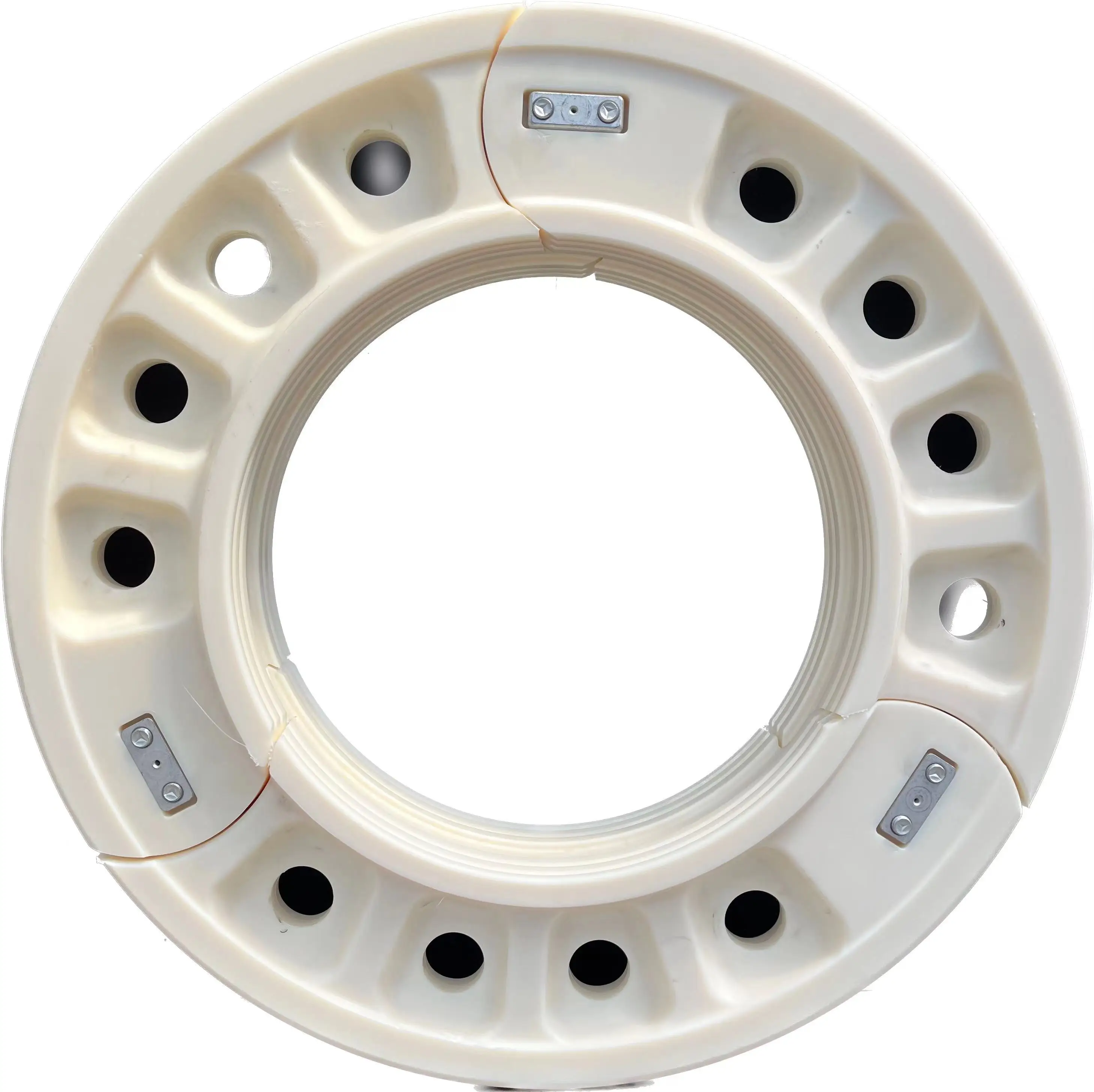
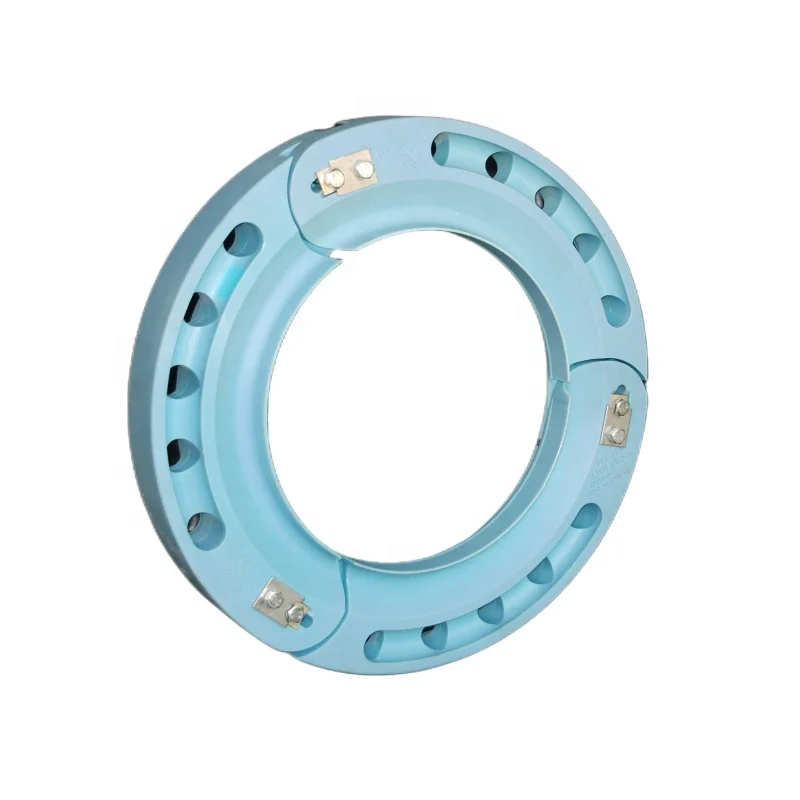
অ্যালুমিনিয়াম মিশ্র ধাতুর চাকাগুলি ভারী ব্যবহারের অ্যাপ্লিকেশনে উৎকৃষ্ট পারফরম্যান্স দেখায় এর মূল কারণ হলো এদের অসাধারণ শক্তি-প্রতি-ওজন অনুপাত, যা লোড-বহন ক্ষমতা এবং উপাদানের ভরের মধ্যে সম্পর্ককে নির্দেশ করে। চাকা তৈরির জন্য ব্যবহৃত অ্যালুমিনিয়াম মিশ্র ধাতুগুলির ঘনত্ব সাধারণত ইস্পাতের ঘনত্বের প্রায় এক-তৃতীয়াংশ হয়, তবুও উন্নত ধাতুবিদ্যা প্রক্রিয়াকরণ এবং প্রকৌশলী ডিজাইনের মাধ্যমে এই হালকা উপাদানগুলি ভারী ব্যবহারের জন্য প্রয়োজনীয় গঠনগত প্রয়োজনীয়তা পূরণ করতে বা তা অতিক্রম করতে সক্ষম হয়। আধুনিক অ্যালুমিনিয়াম মিশ্র ধাতুর চাকাগুলিতে উন্নত স্পোক জ্যামিতি, শক্তিশালীকৃত হাব অংশ এবং অপটিমাইজড রিম প্রোফাইল অন্তর্ভুক্ত থাকে, যা চাপ দক্ষতার সাথে বণ্টন করে এবং অপ্রয়োজনীয় উপাদান কমিয়ে দেয়; ফলে এমন উপাদান তৈরি হয় যার ওজন সমতুল্য ইস্পাত চাকার তুলনায় উল্লেখযোগ্যভাবে কম, কিন্তু লোড ক্ষমতা বা নিরাপত্তা মার্জিনে কোনো হ্রাস ঘটে না।
অ্যালুমিনিয়াম মিশ্র ধাতুর চাকার মাধ্যমে যে ওজন হ্রাস সাধিত হয়, তা সরাসরি বাণিজ্যিক যানবাহনের ক্ষেত্রে বোঝা বহন ক্ষমতা বৃদ্ধির দিকে পরিচালিত হয়, যেখানে সমগ্র যানবাহনের ওজন সংক্রান্ত নিয়মকানুন অত্যন্ত কড়া। স্টিল চাকার বিন্যাসের তুলনায় অ্যালুমিনিয়াম মিশ্র ধাতুর চাকা সহ একটি সাধারণ ভারী দায়িত্বপূর্ণ ট্রাক দুইশো থেকে তিনশো কিলোগ্রাম ওজন বাঁচাতে পারে, ফলে ওজন সীমা অতিক্রম না করেই অপারেটররা অতিরিক্ত মালামাল পরিবহন করতে পারেন। এই বোঝা বহন সুবিধাটি বিশেষভাবে মূল্যবান হয়ে ওঠে এমন শিল্পখাতে, যেখানে প্রতি ট্রিপে লোড ক্ষমতা সর্বাধিক করার উপর মালবাহী আয় নির্ভর করে—যেমন: দীর্ঘ-দূরত্ব ট্রাকিং, নির্মাণ উপকরণ পরিবহন এবং বাল্ক পণ্য পরিবহন অপারেশন, যেখানে ক্ষুদ্র ওজন সাশ্রয়ও পূর্ণ ফ্লিট অপারেশনের মধ্যে গুণিত হয়ে যায়।
ভারী যানবাহনের চাকা তাদের সেবা জীবন জুড়ে মিলিয়ন সংখ্যক পীড়ন চক্রের সম্মুখীন হয়, কারণ প্রতিটি ঘূর্ণন, ত্বরণ, ব্রেকিং ঘটনা এবং সড়কের আঘাত চাকার গঠনের উপর যান্ত্রিক ভার সৃষ্টি করে যা চাকা শোষণ ও বণ্টন করতে হয়। সঠিকভাবে প্রকৌশলীকৃত হলে অ্যালুমিনিয়াম মিশ্র ধাতুর চাকা ইস্পাতের বিকল্পগুলির তুলনায় উৎকৃষ্ট ক্লান্তি প্রতিরোধ ক্ষমতা প্রদর্শন করে, যা চক্রাকার লোডিংয়ের মধ্যেও দীর্ঘ সেবা ব্যবধানে গঠনগত অখণ্ডতা বজায় রাখে। অ্যালুমিনিয়াম মিশ্র ধাতুর স্ফটিক গঠন এবং উপাদানের বৈশিষ্ট্য উন্নত করে এমন তাপ চিকিৎসা প্রক্রিয়ার সমন্বয়ে এমন চাকা তৈরি করা হয় যা ভারী যানবাহন অপারেশনের বৈশিষ্ট্যপূর্ণ পুনরাবৃত্ত পীড়ন বিপর্যয় সহ্য করতে পারে এবং গঠনগত অখণ্ডতা ক্ষুণ্ন করে এমন ক্লান্তি ফাটল সৃষ্টি হতে দেয় না।
ভারী যানবাহনের জন্য প্রকৌশল মান আলুমিনিয়াম অ্যালোই চাকা কঠোর ক্লান্তি পরীক্ষার প্রোটোকল অন্তর্ভুক্ত করে যা ত্বরিত প্রযুক্তিগত পদ্ধতির মাধ্যমে বছরের পর বছর ধরে চলা কার্যক্রমের চাপকে অনুকরণ করে, যাতে উপাদানগুলি সেবায় প্রবেশের আগেই টিকে থাকার প্রয়োজনীয়তা পূরণ করে। এই পরীক্ষার পদ্ধতিগুলি চক্রীয় লোড প্রয়োগ করে যা কোণে ঘূর্ণনের বল, ব্যাসার্ধিক আঘাত এবং বাঁকানোর মোমেন্টকে অনুকরণ করে, যার ফ্রিকোয়েন্সি ও পরিমাণ সাধারণ ক্ষেত্র পরিস্থিতির চেয়ে বেশি—এইভাবে যাচাই করা হয় যে অ্যালুমিনিয়াম মিশ্র ধাতুর চাকাগুলি তাদের প্রত্যাশিত সেবা জীবন জুড়ে নিরাপত্তা মার্জিন বজায় রাখে। অ্যালুমিনিয়াম মিশ্র ধাতুর চাকার ক্লান্তি প্রদর্শন দীর্ঘমেয়াদী প্রতিস্থাপন ব্যবধান সক্ষম করে এবং চাকার অখণ্ডতা সরাসরি কার্যক্রমের নিরাপত্তা ও সরঞ্জামের উপলব্ধতাকে প্রভাবিত করে এমন চাপসৃষ্টিকারী অ্যাপ্লিকেশনগুলিতে বিপজ্জনক ব্যর্থতার ঝুঁকি হ্রাস করে।
অ্যালুমিনিয়াম মিশ্র ধাতুর তাপীয় পরিবাহিতা ইস্পাতের তুলনায় উল্লেখযোগ্যভাবে বেশি, যা মন্দীকরণ ঘটনার সময় ব্রেক সিস্টেমে বিশাল পরিমাণ তাপীয় শক্তি উৎপন্ন হয় এমন ভারী চাপের অ্যাপ্লিকেশনগুলিতে তাপ ব্যবস্থাপনার জন্য উল্লেখযোগ্য সুবিধা সৃষ্টি করে। অ্যালুমিনিয়াম মিশ্র ধাতুর চাকা কার্যকর তাপ শোষক হিসাবে কাজ করে যা ব্রেক উপাদানগুলি থেকে তাপীয় শক্তি আকর্ষণ করে, ফলে ব্রেক সিস্টেম সমগ্রে দ্রুত শীতলীকরণ সম্ভব হয় এবং নিম্ন কার্যকারী তাপমাত্রা বজায় থাকে। এই উন্নত তাপ বিসরণ ক্ষমতা ঘন ঘন থামার পরিস্থিতি, দীর্ঘ ঢালু অবরোহণ বা উচ্চ গতিতে চালানোর মতো ভারী চাপের পরিস্থিতিতে অত্যন্ত গুরুত্বপূর্ণ হয়ে ওঠে, যেখানে ব্রেকের তাপমাত্রা এমন স্তরে পৌঁছাতে পারে যা ঘর্ষণ উপাদানের কার্যকারিতা কমিয়ে দেয় এবং উপাদানের ক্ষয়কে ত্বরান্বিত করে।
অ্যালুমিনিয়াম মিশ্র ধাতুর চাকাগুলি দ্বারা প্রদান করা উৎকৃষ্ট তাপ ব্যবস্থাপনা ব্রেক রোটার, ক্যালিপার এবং ঘর্ষণ উপকরণগুলির ওপর কাজ করার সময় যে তাপীয় চাপ পড়ে তা কমিয়ে ব্রেক সিস্টেমের সেবা আয়ু বৃদ্ধি করে। নিম্নতর স্থায়ী তাপমাত্রা ব্রেক প্যাড ও শুজগুলির তাপীয় ক্ষয় রোধ করে, রোটারের বিকৃতি ও ফাটল হওয়া কমিয়ে দেয় এবং সুসঙ্গত ঘর্ষণ সহগ বজায় রাখে, যা ভবিষ্যতে নির্ভরযোগ্য ব্রেকিং পারফরম্যান্স নিশ্চিত করে। ফ্লিট অপারেটররা ইস্পাতের বিকল্পের তুলনায় অ্যালুমিনিয়াম মিশ্র ধাতুর চাকা ব্যবহার করলে ব্রেক উপাদানগুলির আয়ু উল্লেখযোগ্যভাবে বৃদ্ধি পায়—এমনকি কিছু অপারেশনে ব্রেক সেবা ব্যবধানে ২০% এর বেশি বৃদ্ধি পাওয়া গেছে, যা সরাসরি রক্ষণাবেক্ষণ খরচ কমায় এবং গাড়ির চলমান জীবনকালে গাড়ির উপলব্ধতা বৃদ্ধি করে।
ভারী চাপের কাজের সময় চাকাগুলি চরম তাপমাত্রা পরিবর্তনের সম্মুখীন হয়—দীর্ঘক্ষণ ব্রেকিংয়ের সময় উৎপন্ন তীব্র তাপ থেকে শুরু করে যানবাহনগুলি নদীর ঠাণ্ডা জলে প্রবেশ করলে বা শীতকালীন অবস্থায় চালানোর সময় তাপীয় আঘাত পর্যন্ত। অ্যালুমিনিয়াম মিশ্র ধাতুর চাকাগুলি এই চরম তাপমাত্রা পরিসরে মাত্রাগত স্থিতিশীলতা বজায় রাখে, যা ইস্পাতের চাকার তুলনায় তাপীয় প্রসারণ ও সংকোচনের পরিমাণ অত্যন্ত কম হয়; কারণ ইস্পাতের চাকাগুলি মাত্রাগত পরিবর্তনের বেশি স্পষ্ট প্রভাব অনুভব করতে পারে। এই তাপমাত্রা স্থিতিশীলতা চাকা-থেকে-হাব মাউন্টিং ইন্টারফেসের সামঞ্জস্য নিশ্চিত করে, টায়ার বীড সিটিং-এর সঠিক অবস্থান বজায় রাখে এবং বিভিন্ন অপারেটিং পরিস্থিতিতে টায়ারের অপটিমাল পারফরম্যান্স ও ক্ষয় বৈশিষ্ট্য বজায় রাখার জন্য প্রয়োজনীয় নির্ভুল জ্যামিতিক গঠন রক্ষা করে।
অ্যালুমিনিয়াম মিশ্র ধাতুর চাকার কার্যকরী তাপ স্থানান্তরের বৈশিষ্ট্যগুলি চাকার বেয়ারিং, হাব সিল এবং ব্রেক ফ্লুইড সিস্টেমসহ সংলগ্ন উপাদানগুলিকে তাপীয় ক্ষতি থেকেও রক্ষা করে, যা অত্যধিক তাপমাত্রার সংস্পর্শে এসে ক্ষয়প্রাপ্ত হতে পারে। এই গুরুত্বপূর্ণ উপাদানগুলি থেকে তাপ সরিয়ে নেওয়ার মাধ্যমে এবং বায়ুমণ্ডলে তাপ বিলুপ্ত করার জন্য বৃহত্তর পৃষ্ঠতলে তাপীয় শক্তি বণ্টন করার মাধ্যমে অ্যালুমিনিয়াম মিশ্র ধাতুর চাকাগুলি শীতলতর কার্যকরী পরিবেশ তৈরি করে, যা উপাদানগুলির আয়ু বৃদ্ধি করে এবং সিস্টেমের বিশ্বস্ততা বজায় রাখে। এই সমগ্র তাপ ব্যবস্থাপনা ক্ষমতা একটি উল্লেখযোগ্য কিন্তু প্রায়শই অবহেলিত সুবিধা প্রতিনিধিত্ব করে, যা ভারী ব্যবহারের অ্যাপ্লিকেশনে অ্যালুমিনিয়াম মিশ্র ধাতুর চাকার সামগ্রিক টেকসইতা এবং কম জীবনচক্র খরচের দিকে অবদান রাখে।
অ্যালুমিনিয়াম মিশ্র ধাতুর চাকার ওজন সুবিধাটি ঘূর্ণনকারী ভর হ্রাসের মাধ্যমে বিশেষভাবে উল্লেখযোগ্য সুবিধা প্রদান করে, যা ভারী স্টিলের চাকার তুলনায় ত্বরান্বিত করতে এবং মন্থর করতে কম শক্তির প্রয়োজন হয়। পদার্থবিজ্ঞানের নীতিগুলি নির্দেশ করে যে, ঘূর্ণন অক্ষ থেকে দূরে অবস্থিত ভরের সাথে ঘূর্ণন জড়তা বৃদ্ধি পায়, অর্থাৎ চাকার ওজন গাড়ির ত্বরান্বিত করার জন্য প্রয়োজনীয় শক্তির উপর অসমানুপাতিক প্রভাব ফেলে। অ্যালুমিনিয়াম মিশ্র ধাতুর চাকা সহ ভারী যানবাহনগুলি শহরী ডেলিভারি রুট, নির্মাণস্থলের কার্যক্রম এবং যেসব মিশ্র চালনা অবস্থায় ধারাবাহিক ত্বরান্বিত ও মন্থরীকরণ চক্রগুলি কার্যক্রমের প্রোফাইলকে প্রভাবিত করে—সেসব ক্ষেত্রে পরিমাপযোগ্যভাবে উন্নত ত্বরান্বিত বৈশিষ্ট্য এবং কম জ্বালানি খরচ প্রদর্শন করে।
যানবাহনের ঘূর্ণনকারী ভর কমানোর মাধ্যমে অর্জিত সঞ্চিত জ্বালানি সাশ্রয় প্রতি বছর হাজার হাজার যানবাহন এবং মিলিয়ন কিলোমিটার পর্যন্ত চলমান ফ্লিট অপারেশনের ক্ষেত্রে গণনা করলে বিশাল পরিমাণে হয়। শিল্প গবেষণায় দেখা গেছে যে, ভারী যানবাহনগুলি যখন ইস্পাত থেকে অ্যালুমিনিয়াম মিশ্র ধাতুর চাকায় রূপান্তরিত হয়, তখন জ্বালানি দক্ষতায় ৩ থেকে ৭ শতাংশ উন্নতি ঘটে, যদিও প্রকৃত সাশ্রয় কাজের চক্র, রুটের বৈশিষ্ট্য এবং পরিচালন পরামিতির উপর নির্ভর করে পরিবর্তিত হয়। বড় আকারের ফ্লিট অপারেটরদের জন্য এই দক্ষতা উন্নয়ন বছরে জ্বালানি খরচ কমাতে মিলিয়ন ডলারের মতো অর্থ সাশ্রয় করে, যা অ্যালুমিনিয়াম মিশ্র ধাতুর চাকার জন্য ইস্পাতের বিকল্পগুলির তুলনায় উচ্চতর প্রাথমিক বিনিয়োগের অর্থনৈতিক যৌক্তিকতা প্রদান করে।
চাকা গাড়ির অনাস্প্রিং ওজনের একটি প্রধান উপাদান, যা সাসপেনশন সিস্টেম দ্বারা সমর্থিত নয় এমন ভর যা প্রতিটি সড়কের অনিয়মিততা এবং পৃষ্ঠের পরিবর্তনের সাথে ত্বরান্বিত ও মন্থরিত হতে হয়। হালকা অ্যালুমিনিয়াম মিশ্র ধাতুর চাকা ব্যবহার করে অনাস্প্রিং ওজন কমানো সাসপেনশন সিস্টেমের কার্যকারিতা উন্নত করে, যার ফলে শক অ্যাবজর্বার এবং স্প্রিংগুলি বিভিন্ন ভূখণ্ডের অবস্থায় রাস্তার পৃষ্ঠের সাথে টায়ারের ভালো যোগাযোগ বজায় রাখতে পারে। এই উন্নত সাসপেনশন কার্যকারিতা ট্র্যাকশন উন্নতি, আরও ভবিষ্যদ্বাণীযোগ্য হ্যান্ডলিং বৈশিষ্ট্য এবং গাড়ির চ্যাসিসের উপাদানগুলির উপর কাঠামোগত চাপ হ্রাস করে, যেগুলি ভারী অনাস্প্রিং ভরগুলি যখন সড়কের অনিয়মিততার সাথে ধাক্কা খায় তখন সৃষ্ট গতিশীল বলগুলি শোষণ করতে বাধ্য হয়।
অপ্রতিরোধিত ওজন কমানোর ফলে যে হ্যান্ডলিং উন্নতি ঘটে, তা বিশেষভাবে গুরুত্বপূর্ণ হয়ে ওঠে ভারী চাপের অ্যাপ্লিকেশনগুলিতে, যেখানে যানবাহনের স্থিতিশীলতা এবং নিয়ন্ত্রণ সরাসরি নিরাপত্তা এবং কার্যকরী দক্ষতাকে প্রভাবিত করে। অ্যালুমিনিয়াম মিশ্র ধাতুর চাকাযুক্ত বাণিজ্যিক যানবাহনগুলি স্টিলের ভারী চাকা ব্যবহার করা যানবাহনগুলির তুলনায় আরও উত্তম লেন-কিপিং বৈশিষ্ট্য, কোণে ঘূর্ণনের সময় দেহের দোলন কমানো এবং জরুরি ম্যানিউভারের সময় আরও নিয়ন্ত্রিত আচরণ প্রদর্শন করে। এই হ্যান্ডলিং-সংক্রান্ত সুবিধাগুলি চালকের আত্মবিশ্বাস বৃদ্ধি করে, দুর্ঘটনার ঝুঁকি কমায় এবং চালকদের নিরাপত্তা মার্জিন বা মালপত্রের নিরাপত্তা কমানো ছাড়াই বাঁক এবং অনিয়মিত পৃষ্ঠের মধ্য দিয়ে উচ্চতর গড় গতিতে চালানোর অনুমতি দিয়ে আরও দক্ষ অপারেশন সক্ষম করে।
ভারী মেশিনপাতি প্রায়শই ক্ষয়কারী পরিবেশে কাজ করে, যেমন— লবণযুক্ত বাতাসের উপস্থিতিতে সমুদ্র তীরবর্তী অঞ্চল, রাসায়নিক প্রক্রিয়ার ফলে ক্ষয় হওয়ার ঝুঁকিপূর্ণ শিল্প কেন্দ্র, এবং উত্তরাঞ্চলীয় জলবায়ু যেখানে সড়কে ছিটকানো লবণ ক্ষয় প্রক্রিয়াকে ত্বরান্বিত করে। অ্যালুমিনিয়াম মিশ্র ধাতুর চাকা স্বতঃস্ফূর্তভাবে একটি সুরক্ষামূলক অক্সাইড স্তর গঠন করে, যা ইস্পাতের চাকার তুলনায় প্রাকৃতিকভাবে উচ্চতর ক্ষয় প্রতিরোধ ক্ষমতা প্রদান করে; কারণ ইস্পাতের চাকাগুলি মরচে গঠন রোধ করতে সুরক্ষামূলক আবরণ বা চিকিত্সা প্রয়োজন হয়। এই প্রাকৃতিক প্যাসিভেশন একটি স্থিতিশীল পৃষ্ঠ তৈরি করে যা পরিবেশজনিত ক্ষয়ের বিরুদ্ধে প্রতিরোধ করে, এমনকি যখন কার্যক্রমের কারণে পৃষ্ঠের সৌন্দর্য বৃদ্ধিকারী স্তরগুলি ক্ষতিগ্রস্ত হয়, ফলে কাঠামোগত অখণ্ডতা অক্ষুণ্ণ থাকে— যদিও দীর্ঘমেয়াদী ব্যবহারের সময় পৃষ্ঠের চেহারা পরিবর্তিত হতে পারে।
অ্যালুমিনিয়াম মিশ্র ধাতুর চাকার ক্ষয় প্রতিরোধী বৈশিষ্ট্য এমন কাঠামোগত অবক্ষয়কে প্রতিরোধ করে যা কঠোর পরিবেশে ইস্পাতের চাকাগুলিকে দুর্বল করে তোলে, যেখানে মরিচা গঠন ধীরে ধীরে উপাদানটিকে দুর্বল করে এবং নিরাপত্তা ঝুঁকি সৃষ্টি করে। ক্ষয়কারী পরিস্থিতিতে ব্যবহৃত ইস্পাতের চাকাগুলির প্রায়শই পরিদর্শন করা আবশ্যিক এবং শেষ পর্যন্ত প্রতিস্থাপন করা হয়, কারণ জারণ উপাদানের বেধ ভেদ করে; অন্যদিকে, অ্যালুমিনিয়াম মিশ্র ধাতুর চাকাগুলি দীর্ঘ সেবা জীবন জুড়ে কাঠামোগত বৈশিষ্ট্য বজায় রাখে এবং ন্যূনতম অবক্ষয়ের মধ্যে থাকে। এই স্থায়িত্বের সুবিধাটি চাকা প্রতিস্থাপনের ব্যবধান বৃদ্ধি, রক্ষণাবেক্ষণের প্রয়োজনীয়তা হ্রাস এবং অপারেশনাল বাধা ও নিরাপত্তা দুর্ঘটনার কারণ হতে পারে এমন চাকার প্রাক-সময়োচিত ব্যর্থতা নির্মূল করে—বিশেষ করে গুরুত্বপূর্ণ ভারী দায়িত্বপূর্ণ অ্যাপ্লিকেশনগুলিতে।
ভারী কাজের অপারেশনগুলি চাকাগুলিকে রাস্তার বিপদ, লোডিং ডক অপারেশন এবং অফ-রোড ভূখণ্ড থেকে আঘাতের লোডের সম্মুখীন করে, যা চাকা প্রতিস্থাপনের প্রয়োজনীয় গঠনগত ক্ষতি সৃষ্টি করতে পারে। যদিও স্টিলের চাকাগুলি প্লাস্টিক বিকৃতির মাধ্যমে আঘাত শোষণ করতে পারে, যার ফলে দৃশ্যমান ক্ষতি থাকা সত্ত্বেও এগুলি চালু অবস্থায় কাজ করতে থাকে, কিন্তু এই স্থায়ী বিকৃতি চাকার ভারসাম্য নষ্ট করে এবং টায়ারের ক্ষয়কে ত্বরান্বিত করতে পারে। অ্যালুমিনিয়াম অ্যালয়ের চাকাগুলি গুরুতর আঘাতের প্রতি ভিন্নভাবে প্রতিক্রিয়া জানায়, সাধারণত দৃশ্যমান ক্ষতি দেখায় যা স্পষ্টভাবে নির্দেশ করে যে কখন চাকা প্রতিস্থাপন করা আবশ্যিক—এটি ক্ষতিগ্রস্ত চাকাগুলিকে অদৃশ্য গঠনগত অবনতির সাথে চালু রাখে না, যা হঠাৎ ব্যর্থতায় পরিণত হতে পারে।
আধুনিক অ্যালুমিনিয়াম মিশ্র ধাতুর চাকা গুলোতে প্রভাব প্রতিরোধ বৃদ্ধির জন্য বিশেষভাবে ডিজাইন করা প্রকৌশল বৈশিষ্ট্য অন্তর্ভুক্ত করা হয়েছে, যার মধ্যে শক্তিশালীকৃত স্পোক অংশ, কৌশলগত উপাদানের পুরুত্ব পরিবর্তন এবং প্রভাব বলগুলোকে কার্যকরভাবে বণ্টন করার জন্য জ্যামিতিক অপ্টিমাইজেশন অন্তর্ভুক্ত। এই ডিজাইন উপাদানগুলো অ্যালুমিনিয়াম মিশ্র ধাতুর চাকাকে ভারী চাপের সেবার সময় নিয়মিত প্রভাব সহ্য করতে সক্ষম করে এবং ক্ষতি গ্রহণযোগ্য সীমার বাইরে চলে গেলে স্পষ্ট দৃশ্যমান সূচক প্রদান করে। অ্যালুমিনিয়াম মিশ্র ধাতুর চাকার ক্ষতি সহনশীলতার বৈশিষ্ট্য, তাদের প্রাকৃতিক ক্ষয়রোধী ধর্ম এবং ক্লান্তি শক্তি—এই তিনটি বৈশিষ্ট্যের সমন্বয়ে এমন উপাদান তৈরি হয় যা দীর্ঘমেয়াদী কার্যক্রমের জীবনচক্র জুড়ে নির্ভরযোগ্য সেবা প্রদান করতে সক্ষম, যা মোট মালিকানা খরচ হ্রাসের মাধ্যমে তাদের উচ্চ মূল্যের যৌক্তিকতা প্রতিষ্ঠিত করে।
যদিও অ্যালুমিনিয়াম মিশ্র ধাতুর চাকা ইস্পাতের বিকল্পগুলির তুলনায় উচ্চতর ক্রয়মূল্য নির্দেশ করে, অপারেশনাল সঞ্চয়, রক্ষণাবেক্ষণ হ্রাস এবং উৎপাদনশীলতা উন্নতি বিবেচনা করে সম্পূর্ণ জীবনচক্র খরচ বিশ্লেষণ ধারাবাহিকভাবে অনুকূল অর্থনৈতিক ফলাফল প্রদর্শন করে। প্রাথমিক মূল্য প্রিমিয়ামটি সাধারণত চাকার আকার ও বিশেষকরণের উপর নির্ভর করে পঞ্চাশ থেকে একশো শতাংশ পর্যন্ত পরিবর্তিত হয়, তবে এই অতিরিক্ত বিনিয়োগটি গাড়ির অপারেশনাল জীবন জুড়ে জমা হওয়া একাধিক মূল্য স্ট্রিমের মাধ্যমে রিটার্ন তৈরি করে। ফ্লিট অপারেটররা যারা কঠোর মোট মালিকানা খরচ বিশ্লেষণ পরিচালনা করেন, তারা জ্বালানি সঞ্চয়, ব্রেক সিস্টেমের খরচ হ্রাস, উন্নত ওজন বণ্টনের ফলে টায়ারের আয়ু বৃদ্ধি এবং অবশিষ্ট মূল্যের সুবিধা—এই সমস্ত কিছু একত্রিত করে উচ্চতর অর্জন খরচকে ক্ষতিপূরণ করে।
অ্যালুমিনিয়াম মিশ্র ধাতুর চাকার কারণে জ্বালানি দক্ষতায় যে উন্নতি ঘটে, তা একমাত্র এই কারণেই প্রায়শই ভারী চাপের অ্যাপ্লিকেশনগুলিতে এদের ব্যবহারের যৌক্তিকতা প্রমাণ করে—যেখানে যানবাহনগুলি বছরে উচ্চ মাইলেজ অর্জন করে এবং জ্বালানি একটি প্রধান পরিচালন ব্যয় হয়ে ওঠে। যখন ব্রেক সার্ভিসের বিরতি বৃদ্ধি করে রক্ষণাবেক্ষণের জন্য সময় হ্রাস করা হয় এবং উপাদানসমূহের খরচ কমানো হয়, তখন অ্যালুমিনিয়াম মিশ্র ধাতুর চাকার অর্থনৈতিক যৌক্তিকতা আরও শক্তিশালী হয়ে ওঠে। এখন উন্নত ফ্লিট ম্যানেজমেন্ট সিস্টেমগুলি এই বহুসংখ্যক খরচের ফ্যাক্টরগুলিকে নির্ভুলভাবে ট্র্যাক করে, যা ডেটা-ভিত্তিক সিদ্ধান্ত গ্রহণকে সক্ষম করে এবং এই সিদ্ধান্তগুলি ক্রমশ অ্যালুমিনিয়াম মিশ্র ধাতুর চাকার পক্ষে ঝুঁকছে—যদিও এদের দাম উচ্চতর, বিশেষ করে যেসব যানবাহন চাপসৃষ্টিকারী কাজের চক্রে চলে, যেখানে কার্যকারিতার পার্থক্যগুলি সবচেয়ে স্পষ্ট হয় এবং অর্থনৈতিক সুবিধাগুলি সবচেয়ে দ্রুত জমা হয়।
অ্যালুমিনিয়াম মিশ্র ধাতুর চাকা সহ ভারী যানবাহনগুলি সাধারণত অপারেটররা যখন সরঞ্জামগুলি সেবা থেকে অবসর দেন, তখন উচ্চতর পুনঃবিক্রয় মূল্য অর্জন করে, কারণ ক্রেতারা এই উপাদানগুলির দ্বারা প্রদত্ত চলমান কার্যকরী সুবিধা এবং অবশিষ্ট সেবা আয়ু স্বীকার করেন। দ্বিতীয় হাতের বাজারে অ্যালুমিনিয়াম মিশ্র ধাতুর চাকাগুলির যে প্রিমিয়াম মূল্য বজায় থাকে, তা ক্রেতাদের উচ্চতর দক্ষতা, কম পরিচালন খরচ এবং দীর্ঘতর সেবা সম্ভাবনা প্রদানকারী সরঞ্জামের জন্য অতিরিক্ত মূল্য প্রদানের ইচ্ছা প্রতিফলিত করে। এই অবশিষ্ট মূল্যের সুবিধা আংশিকভাবে প্রাথমিক বিনিয়োগের অতিরিক্ত খরচ পুনরুদ্ধার করে, যা সমগ্র জীবনচক্রের অর্থনৈতিক বিবেচনাকে উন্নত করে এবং সম্পত্তি ব্যবস্থাপনার দৃষ্টিকোণ থেকে অ্যালুমিনিয়াম মিশ্র ধাতুর চাকাগুলিকে ক্রমবর্ধমানভাবে আকর্ষক করে তোলে—যেখানে সম্পূর্ণ মালিকানা খরচ, যার মধ্যে চূড়ান্ত বিলোপন আয়ও অন্তর্ভুক্ত, বিবেচনা করা হয়।
বিশাল সংখ্যক যানবাহন পরিচালনা করে এমন ফ্লিট অপারেটররা বুঝতে পারেন যে, অ্যালুমিনিয়াম মিশ্র ধাতুর চাকার উপর আদর্শীকরণ করলে ইনভেন্টরি দক্ষতা, রক্ষণাবেক্ষণের সামঞ্জস্যতা এবং কার্যক্রমের পূর্বানুমেয়তা অর্জন করা যায়—যা একক যানবাহনের অর্থনৈতিক সুবিধার চেয়ে বেশি সংস্থাগত সুবিধা প্রদান করে। রক্ষণাবেক্ষণ কেন্দ্রগুলি অ্যালুমিনিয়াম মিশ্র ধাতুর চাকা পরিষেবা পদ্ধতিতে বিশেষায়িত হতে পারে, যন্ত্রাংশের ইনভেন্টরি সাধারণ বিশেষকরণগুলির চারপাশে অপ্টিমাইজ করা যেতে পারে এবং চালকরা ফ্লিটের সমস্ত যানবাহনে সামঞ্জস্যপূর্ণ হ্যান্ডলিং বৈশিষ্ট্য অনুভব করেন। এই কার্যক্রম-ভিত্তিক আদর্শীকরণের সুবিধাগুলি, যা অ্যালুমিনিয়াম মিশ্র ধাতুর চাকার ব্যক্তিগত যানবাহন-ভিত্তিক সুবিধার সঙ্গে একত্রিত হয়, ভারী দায়িত্বপূর্ণ প্রয়োগের জন্য এদের আদর্শ সরঞ্জাম হিসেবে গ্রহণের জন্য একটি ব্যাপক যৌক্তিকতা তৈরি করে—যদিও এদের দাম ঐতিহ্যবাহী স্টিল চাকার বিকল্পগুলির তুলনায় বেশি, যা আগের প্রজন্মের সরঞ্জামগুলিতে ব্যবহৃত হতো।
হ্যাঁ, সঠিকভাবে প্রকৌশলীকৃত অ্যালুমিনিয়াম মিশ্র ধাতুর চাকা ভারী ট্রাকগুলিতে সর্বোচ্চ লোড বহন ক্ষমতার জন্য নির্ধারিত লোড রেটিংয়ের প্রয়োজনীয়তা পূরণ করে বা তা অতিক্রম করে, যখন এগুলি উপযুক্ত বিশেষকরণ অনুযায়ী উৎপাদন করা হয়। আধুনিক অ্যালুমিনিয়াম মিশ্র ধাতুর চাকাগুলি কঠোর পরীক্ষার মধ্য দিয়ে যায় যা সার্টিফিকেশন মানদণ্ড অনুযায়ী যাচাই করে যে এগুলি প্রত্যাশিত সেবা জীবন জুড়ে নির্ধারিত লোড নিরাপদে বহন করতে সক্ষম। নির্মাতারা এই চাকাগুলি নির্মাণ করেন নিরাপত্তা ফ্যাক্টর বিবেচনা করে, যা গতিশীল লোডিং, আঘাত বল এবং ক্লান্তি সংক্রান্ত বিষয়গুলিকে বিবেচনায় রাখে, যাতে সর্বোচ্চ লোড অবস্থায় কাঠামোগত অখণ্ডতা নিশ্চিত করা যায়। প্রধান প্রয়োজনীয়তা হল অ্যালুমিনিয়াম মিশ্র ধাতুর চাকা নির্বাচন করা যার লোড রেটিং যানবাহনের মোট অ্যাক্সেল ওজন রেটিং-এর সমান বা তার চেয়ে বেশি হবে, যা সরঞ্জাম নির্মাতারা নির্দিষ্ট করেন এবং নিয়ন্ত্রক কর্তৃপক্ষগুলি সার্টিফিকেশন প্রক্রিয়ার মাধ্যমে এটি বাধ্যতামূলক করেন।
অ্যালুমিনিয়াম মিশ্র ধাতুর চাকা স্টিলের চাকার তুলনায় চরম শীতল তাপমাত্রায় উৎকৃষ্ট কার্যকারিতা বজায় রাখে, কারণ অ্যালুমিনিয়াম মিশ্র ধাতুগুলি নিম্ন তাপমাত্রায় তাদের তন্যতা এবং আঘাত প্রতিরোধ ক্ষমতা ধরে রাখে এবং ভঙ্গুর হয় না। চরম শীতে স্টিলের ভঙ্গুরতা বৃদ্ধি পায়, যা আঘাতের সময় ফিসার ঝুঁকিকে বাড়িয়ে দেয়, অন্যদিকে চাকা তৈরির জন্য ব্যবহৃত অ্যালুমিনিয়াম মিশ্র ধাতুগুলি বিস্তৃত তাপমাত্রা পরিসরে সামঞ্জস্যপূর্ণ উপাদান বৈশিষ্ট্য বজায় রাখে। অ্যালুমিনিয়ামের তাপীয় পরিবাহিতা আংশিক তাপীয় প্রসারণের কারণে চাপ কেন্দ্রীভূত হওয়া রোধ করতে সাহায্য করে, এবং নিম্ন তাপীয় প্রসারণ গুণাঙ্কের কারণে অ্যালুমিনিয়াম মিশ্র ধাতুর চাকাগুলি চরম তাপমাত্রা পরিবর্তনের মধ্যে আকারগত পরিবর্তনের পরিমাণ কম হয়, ফলে ঋতুভিত্তিক তাপমাত্রা পরিবর্তনের মধ্যেও সামঞ্জস্যপূর্ণ ফিট এবং কার্যকারিতা বজায় থাকে।
ভারী ব্যবহারের ক্ষেত্রে অ্যালুমিনিয়াম মিশ্র ধাতুর চাকা সাধারণ রক্ষণাবেক্ষণ পদ্ধতি মেনে চললেই যথেষ্ট—যেমন: ক্ষয়কারী দূষক অপসারণের জন্য নিয়মিত পরিষ্কার করা, ক্ষতি বা ফাটল নির্ণয়ের জন্য সময়ে সময়ে পরিদর্শন করা এবং চাকা লাগানোর সময় অতিরিক্ত টাইট করা থেকে রোধ করতে সঠিক টর্ক পদ্ধতি অনুসরণ করা। ইস্পাতের চাকার বিপরীতে, যেগুলোর জন্য মাঝে মাঝে মরচে চিকিৎসা ও পেইন্ট রক্ষণাবেক্ষণ প্রয়োজন হয়, অ্যালুমিনিয়াম মিশ্র ধাতুর চাকার জন্য নিয়মিত পরিষ্কারের পাশাপাশি বিশেষ কোনো ক্ষয় প্রতিরোধক ব্যবস্থা প্রয়োজন হয় না। অপারেটরদের চাকার ফিনিশ ক্ষতিগ্রস্ত না করে এমন উপযুক্ত পরিষ্কারক ব্যবহার করতে হবে এবং চাকা স্থাপনের সময় নির্মাতার নির্দেশিত টর্ক মান মেনে চলতে হবে; এক্ষেত্রে সঠিকভাবে ক্যালিব্রেট করা যন্ত্রপাতি ব্যবহার করে অ্যালুমিনিয়াম ধাতুর সীমা অতিক্রম না করে সঠিক ক্ল্যাম্পিং বল নিশ্চিত করতে হবে। এই সহজ রক্ষণাবেক্ষণ প্রয়োজনীয়তাগুলো অ্যালুমিনিয়াম মিশ্র ধাতুর চাকাকে বিশেষায়িত সার্ভিস সুবিধা ছাড়াই ভারী ব্যবহারের ফ্লিট অপারেশনের জন্য ব্যবহারিক করে তোলে।
অ্যালুমিনিয়াম অ্যালয়ের চাকার উপরিভাগের সামান্য সৌন্দর্যবর্ধক ক্ষতি—যেমন পৃষ্ঠের আঁচড় বা ফিনিশ বিকৃতি—সাধারণত পুনর্নির্মাণ প্রক্রিয়ার মাধ্যমে মেরামত করা যায়, কিন্তু ফাটল, গুরুতর বাঁক, বা আঘাতজনিত বিকৃতির মতো গঠনগত ক্ষতির ক্ষেত্রে সাধারণত মেরামতের পরিবর্তে চাকা প্রতিস্থাপন করা হয়। ভারী ব্যবহারের অ্যাপ্লিকেশনে চাকার সমালোচনামূলক নিরাপত্তা কাজের কারণে, যখন গঠনগত অখণ্ডতা নিয়ে সন্দেহ দেখা দেয়, তখন সতর্কতার সাথে প্রতিস্থাপনের সিদ্ধান্ত নেওয়া উচিত। কিছু বিশেষায়িত সুবিধা অ্যালুমিনিয়াম চাকার জন্য ওয়েল্ডিং মেরামত সেবা প্রদান করে, কিন্তু শিল্পের সর্বোত্তম অনুশীলন সাধারণত এমন কোনো গঠনগত ক্ষতির জন্য প্রতিস্থাপনই সুপারিশ করে, যেখানে চাকা ব্যর্থ হলে গুরুতর নিরাপত্তা ঝুঁকি সৃষ্টি হতে পারে। ফ্লিট অপারেটরদের ক্ষতিগ্রস্ত অ্যালুমিনিয়াম অ্যালয়ের চাকা মূল্যায়ন করার সময় নিরাপত্তাকে মেরামতের খরচ বাঁচানোর চেয়ে অগ্রাধিকার দিয়ে স্পষ্ট পরিদর্শনের মাপদণ্ড এবং প্রতিস্থাপন নীতিমালা প্রতিষ্ঠা করা উচিত।
 গরম খবর
 EN
EN
 AR
AR
 BG
BG
 FR
FR
 DE
DE
 HI
HI
 IT
IT
 JA
JA
 KO
KO
 PL
PL
 PT
PT
 RU
RU
 ES
ES
 SV
SV
 TL
TL
 ID
ID
 LV
LV
 LT
LT
 SR
SR
 UK
UK
 VI
VI
 TH
TH
 TR
TR
 FA
FA
 AF
AF
 HY
HY
 AZ
AZ
 KA
KA
 BN
BN
 LA
LA
 MN
MN
 SO
SO
 MY
MY
 KK
KK
 UZ
UZ
 KU
KU
 KY
KY