
 EN
EN
 AR
AR
 BG
BG
 FR
FR
 DE
DE
 HI
HI
 IT
IT
 JA
JA
 KO
KO
 PL
PL
 PT
PT
 RU
RU
 ES
ES
 SV
SV
 TL
TL
 ID
ID
 LV
LV
 LT
LT
 SR
SR
 UK
UK
 VI
VI
 TH
TH
 TR
TR
 FA
FA
 AF
AF
 HY
HY
 AZ
AZ
 KA
KA
 BN
BN
 LA
LA
 MN
MN
 SO
SO
 MY
MY
 KK
KK
 UZ
UZ
 KU
KU
 KY
KY
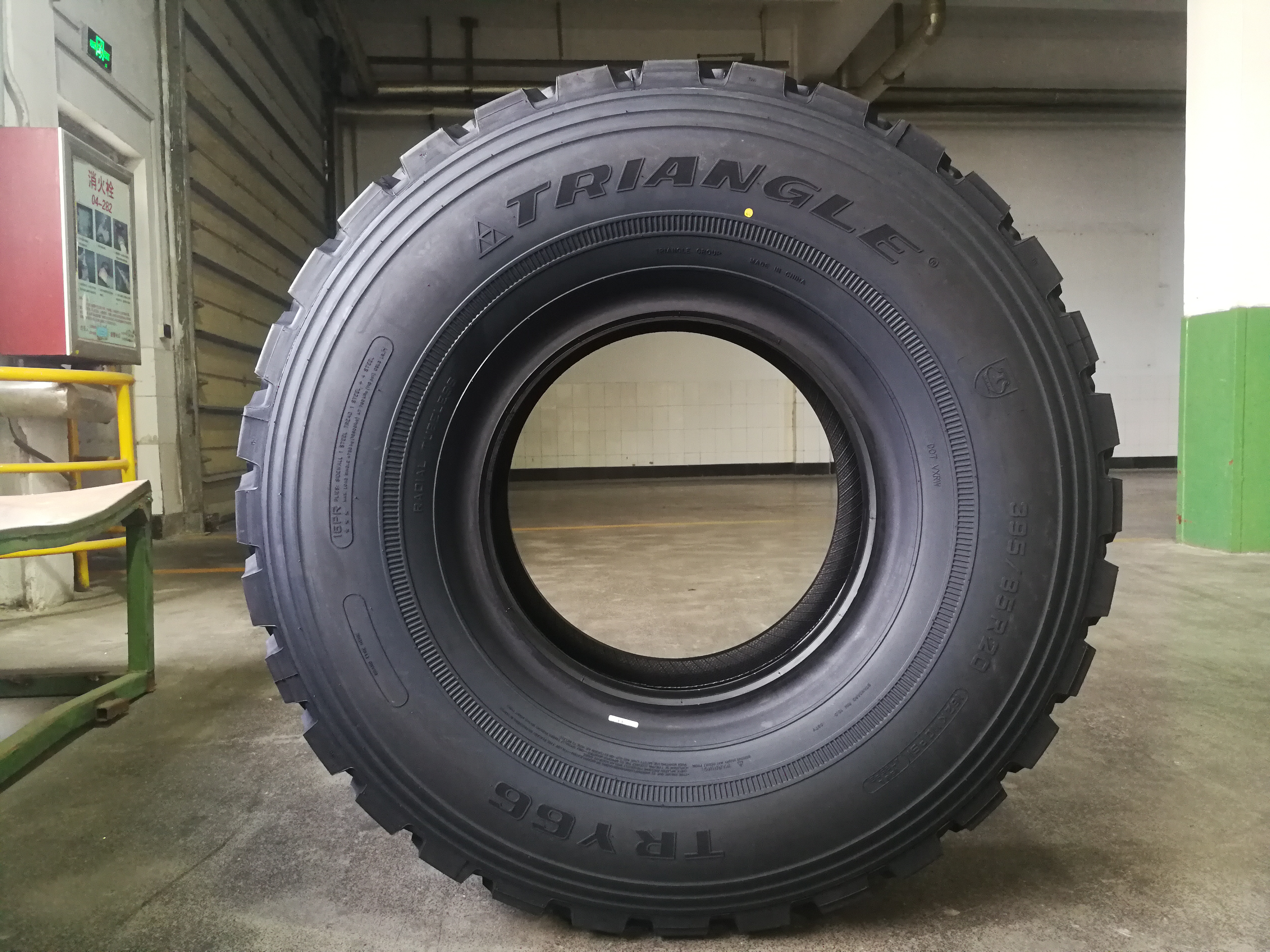
The logistics industry stands at the precipice of a revolutionary transformation, where unmanned vehicles are emerging as the cornerstone of next-generation supply chain operations. These autonomous systems represent far more than technological novelties; they embody the future of efficient, cost-effective, and scalable delivery solutions. As global commerce continues expanding and consumer expectations for rapid delivery intensify, unmanned vehicles offer unprecedented opportunities to streamline operations while reducing human error and operational costs. The integration of these sophisticated systems into existing logistics frameworks promises to reshape how goods move from warehouses to doorsteps, fundamentally altering the competitive landscape of modern commerce.

Revolutionary Technologies Driving Autonomous Logistics
Advanced Sensor Systems and Navigation Technologies
Modern unmanned vehicles rely on sophisticated sensor arrays that combine LiDAR, cameras, radar, and GPS technologies to create comprehensive environmental awareness. These systems enable precise navigation through complex urban environments, construction zones, and challenging weather conditions. The sensor fusion technology allows unmanned vehicles to process multiple data streams simultaneously, creating real-time three-dimensional maps of their surroundings while identifying obstacles, pedestrians, and other vehicles with remarkable accuracy.
Machine learning algorithms continuously improve navigation capabilities by analyzing millions of miles of driving data and real-world scenarios. This evolutionary learning process enables unmanned vehicles to adapt to new situations and make increasingly sophisticated decisions autonomously. The integration of edge computing allows these vehicles to process critical information instantaneously, reducing latency and improving response times during dynamic driving conditions.
Artificial Intelligence and Machine Learning Integration
The artificial intelligence powering unmanned vehicles extends far beyond basic navigation, encompassing predictive analytics, route optimization, and adaptive decision-making capabilities. Advanced AI systems can analyze traffic patterns, weather conditions, and delivery schedules to determine the most efficient routes while minimizing fuel consumption and delivery times. These intelligent systems learn from each interaction, continuously refining their performance and adapting to local conditions and preferences.
Neural networks enable unmanned vehicles to recognize patterns and make complex decisions in milliseconds, processing visual data to identify delivery locations, navigate parking situations, and interact safely with human operators when necessary. The machine learning capabilities allow these systems to improve over time, becoming more efficient and reliable with each completed delivery mission while maintaining the highest safety standards.
Operational Advantages in Modern Logistics Networks
Cost Reduction and Efficiency Optimization
The deployment of unmanned vehicles in logistics operations delivers substantial cost savings through reduced labor expenses, decreased fuel consumption, and optimized delivery routes. These autonomous systems operate continuously without breaks, vacation time, or shift changes, dramatically increasing operational capacity while maintaining consistent service levels. Fleet operators report significant reductions in insurance costs due to the enhanced safety profiles of properly maintained unmanned vehicles compared to traditional delivery methods.
Operational efficiency improvements extend beyond simple cost savings to encompass enhanced delivery accuracy, reduced damage claims, and improved customer satisfaction metrics. Unmanned vehicles can access detailed delivery instructions and customer preferences, ensuring precise package placement and reducing failed delivery attempts that traditionally plague conventional logistics operations.
Enhanced Safety and Reliability Standards
Safety represents a paramount concern in logistics operations, where unmanned vehicles demonstrate superior performance through consistent adherence to traffic regulations, speed limits, and safety protocols. These systems eliminate human factors that contribute to accidents, such as fatigue, distraction, or impaired driving, while maintaining constant vigilance through multiple sensor systems. Advanced safety features include automatic emergency braking, collision avoidance systems, and real-time hazard detection capabilities.
Reliability metrics for unmanned vehicles consistently exceed traditional delivery methods, with reduced maintenance requirements and predictable operational schedules. These systems undergo continuous diagnostic monitoring, enabling proactive maintenance scheduling and minimizing unexpected downtime that could disrupt delivery operations and customer satisfaction levels.
Implementation Challenges and Strategic Solutions
Regulatory Framework and Compliance Requirements
The regulatory landscape for unmanned vehicles continues evolving as government agencies develop comprehensive frameworks governing autonomous vehicle operations in commercial environments. Current regulations require extensive testing, certification processes, and ongoing compliance monitoring to ensure public safety while enabling innovation in logistics applications. Companies implementing unmanned vehicles must navigate complex permitting processes and maintain detailed operational records for regulatory oversight.
Successful implementation strategies involve close collaboration with regulatory bodies, participation in pilot programs, and adherence to emerging industry standards. Organizations must invest in comprehensive training programs for operators and maintenance personnel while establishing robust safety protocols that exceed minimum regulatory requirements to build public trust and regulatory confidence.
Infrastructure Adaptation and Integration Challenges
Existing logistics infrastructure requires significant modifications to accommodate unmanned vehicles effectively, including specialized charging stations, maintenance facilities, and communication networks. Warehouses and distribution centers must integrate autonomous loading systems, robotic handling equipment, and advanced inventory management systems to maximize the benefits of unmanned vehicles throughout the supply chain.
The integration process demands substantial capital investment and careful planning to ensure seamless coordination between traditional operations and new autonomous systems. Companies must develop comprehensive transition strategies that minimize operational disruptions while maximizing the transformative potential of unmanned vehicles in their logistics networks.
Market Applications and Industry Adoption Trends
E-commerce and Last-Mile Delivery Solutions
E-commerce platforms represent the primary drivers of unmanned vehicles adoption, with major retailers investing heavily in autonomous delivery systems to meet growing consumer demands for rapid, convenient package delivery. These systems excel in last-mile delivery applications, where traditional delivery methods face increasing challenges from traffic congestion, parking limitations, and rising labor costs in urban environments.
The scalability of unmanned vehicles enables e-commerce companies to expand delivery capacity without proportional increases in operational complexity or workforce requirements. Advanced scheduling algorithms optimize delivery routes and timing to maximize efficiency while accommodating customer preferences and delivery windows, creating competitive advantages in increasingly crowded marketplace environments.
Specialized Industry Applications and Use Cases
Beyond traditional package delivery, unmanned vehicles serve specialized industries including healthcare, agriculture, and manufacturing sectors where autonomous systems provide unique operational advantages. Medical supply delivery represents a critical application where unmanned vehicles ensure temperature-controlled transport of pharmaceuticals and medical devices while maintaining strict chain-of-custody requirements and delivery timing precision.
Industrial applications include parts delivery within manufacturing facilities, inventory management in large warehouse complexes, and specialized transportation of hazardous materials where unmanned vehicles reduce human exposure risks while maintaining operational efficiency. These specialized implementations demonstrate the versatility and adaptability of autonomous systems across diverse industry requirements.
Future Development and Technology Evolution
Emerging Technologies and Innovation Trends
The next generation of unmanned vehicles will incorporate advanced technologies including 5G connectivity, quantum computing capabilities, and enhanced artificial intelligence systems that enable more sophisticated decision-making and coordination capabilities. These technological advances will enable seamless communication between multiple vehicles, creating coordinated fleet operations that optimize efficiency across entire logistics networks simultaneously.
Energy storage improvements and alternative fuel technologies will extend operational ranges while reducing environmental impacts, making unmanned vehicles increasingly attractive for long-distance freight applications and rural delivery services. Advanced materials and manufacturing techniques will reduce vehicle costs while improving durability and reliability in challenging operational environments.
Market Growth Projections and Investment Trends
Industry analysts project exponential growth in unmanned vehicles deployment throughout the logistics sector, with market valuations expected to reach hundreds of billions of dollars within the next decade. Investment capital continues flowing into autonomous vehicle development, supporting research into advanced technologies, infrastructure development, and regulatory compliance solutions that will accelerate widespread adoption.
Strategic partnerships between technology companies, logistics providers, and automotive manufacturers are creating comprehensive ecosystems that support unmanned vehicles development and deployment across multiple market segments. These collaborative approaches accelerate innovation while reducing individual company risks and development costs, creating sustainable business models for long-term market success.
FAQ
How do unmanned vehicles navigate complex urban environments safely
Unmanned vehicles utilize advanced sensor fusion technology combining LiDAR, cameras, radar, and GPS systems to create comprehensive real-time environmental maps. These systems process multiple data streams simultaneously while machine learning algorithms enable adaptive decision-making based on traffic conditions, weather factors, and local regulations. Continuous software updates and fleet learning ensure navigation capabilities improve over time while maintaining the highest safety standards through redundant safety systems and emergency protocols.
What are the primary cost benefits of implementing unmanned vehicles in logistics operations
The implementation of unmanned vehicles delivers significant cost savings through reduced labor expenses, optimized fuel consumption, and enhanced operational efficiency. These systems operate continuously without traditional workforce limitations while advanced route optimization reduces delivery times and fuel costs. Additional savings come from reduced insurance premiums, decreased vehicle wear and maintenance requirements, and improved delivery accuracy that minimizes costly failed delivery attempts and customer service issues.
How do regulatory requirements impact unmanned vehicles deployment in commercial applications
Current regulatory frameworks require comprehensive testing, certification processes, and ongoing compliance monitoring for commercial unmanned vehicles operations. Companies must navigate complex permitting procedures while maintaining detailed operational records and safety protocols that exceed minimum regulatory standards. Successful deployment strategies involve close collaboration with regulatory agencies, participation in pilot programs, and investment in specialized training and certification programs for operators and maintenance personnel.
What infrastructure changes are necessary to support unmanned vehicles in existing logistics networks
Supporting unmanned vehicles requires significant infrastructure modifications including specialized charging or fueling stations, advanced communication networks, and integrated warehouse automation systems. Distribution centers must incorporate autonomous loading equipment and sophisticated inventory management systems while establishing maintenance facilities capable of servicing advanced autonomous technologies. The integration process demands careful planning and substantial capital investment to ensure seamless coordination between traditional operations and new autonomous systems throughout the supply chain.
Table of Contents
- Revolutionary Technologies Driving Autonomous Logistics
- Operational Advantages in Modern Logistics Networks
- Implementation Challenges and Strategic Solutions
- Market Applications and Industry Adoption Trends
- Future Development and Technology Evolution
-
FAQ
- How do unmanned vehicles navigate complex urban environments safely
- What are the primary cost benefits of implementing unmanned vehicles in logistics operations
- How do regulatory requirements impact unmanned vehicles deployment in commercial applications
- What infrastructure changes are necessary to support unmanned vehicles in existing logistics networks