Modern security landscapes face unprecedented challenges from unauthorized drone activities, prompting the development of sophisticated countermeasures. Net-capturing anti-drone systems represent one of the most effective non-destructive methods for neutralizing aerial threats in sensitive environments. These innovative systems provide security personnel with the capability to safely intercept and capture intruding drones without causing collateral damage to surrounding infrastructure or personnel.
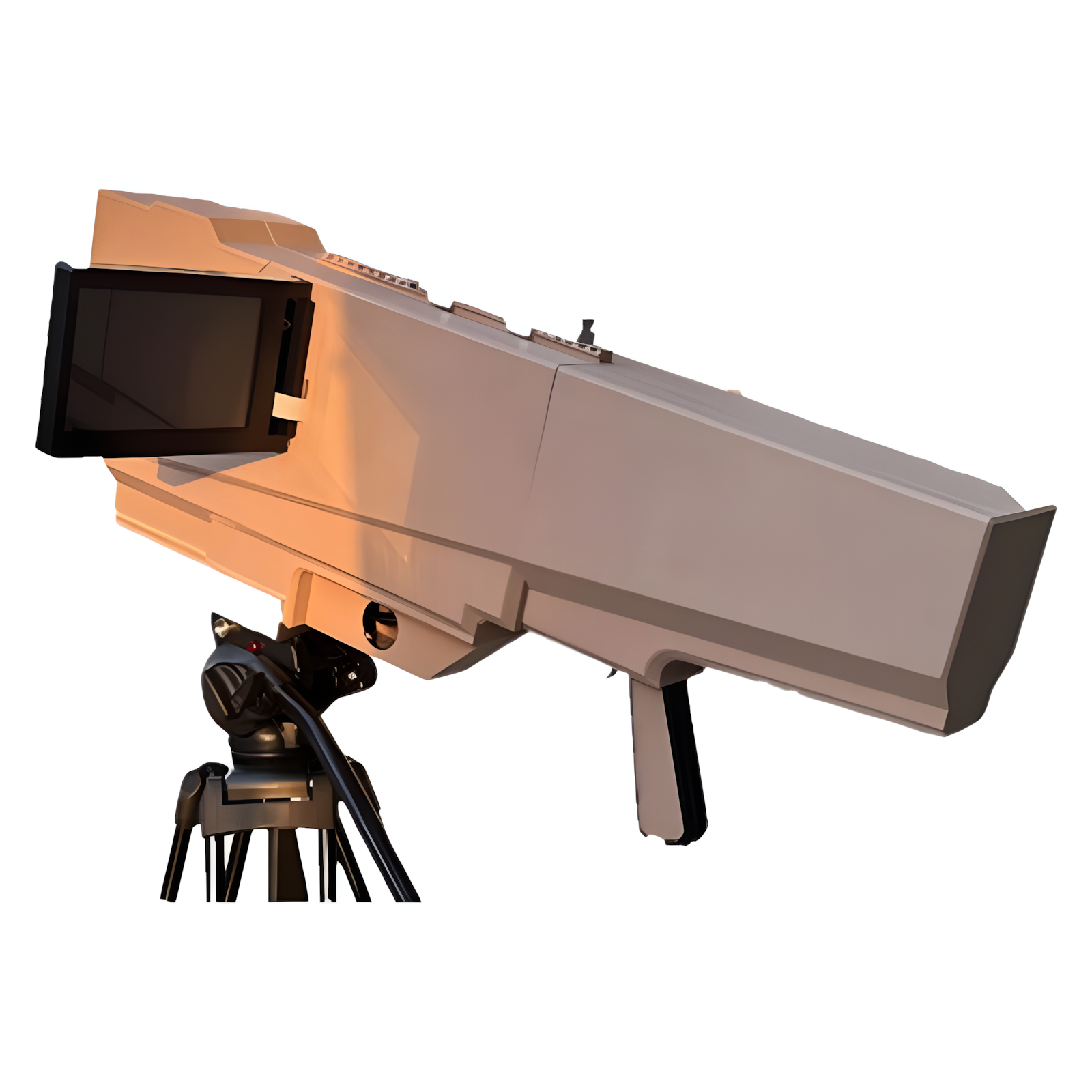
The increasing prevalence of commercial drones has created significant security vulnerabilities across critical infrastructure, airports, military installations, and public venues. Traditional kinetic countermeasures often prove inadequate due to safety concerns and potential for secondary damage. Net-capturing anti-drone systems address these limitations by providing controlled interception capabilities that preserve both the intercepted drone and surrounding environment for forensic analysis and evidence collection.
Net-capturing anti-drone systems integrate advanced sensor arrays to identify and track potential threats across multiple detection spectrums. Radar systems provide primary detection capabilities, utilizing specialized algorithms to distinguish drone signatures from birds, aircraft, and environmental clutter. These radar components typically operate in X-band or S-band frequencies, offering detection ranges extending from several hundred meters to multiple kilometers depending on drone size and environmental conditions.
Complementary electro-optical sensors enhance tracking accuracy through visual confirmation and precise targeting data. Infrared cameras enable nighttime operations and thermal signature analysis, while high-resolution optical cameras provide detailed visual intelligence for threat assessment. Radio frequency analyzers monitor communication channels between drones and operators, potentially identifying control frequencies and signal characteristics that inform countermeasure deployment strategies.
The core functionality of net-capturing anti-drone systems relies on precision-engineered deployment mechanisms that launch capture nets with exceptional accuracy. Pneumatic launchers utilize compressed air systems to propel specially designed nets toward target coordinates calculated by integrated fire control computers. These launchers accommodate various net configurations optimized for different drone sizes and operational scenarios.
Pyrotechnic deployment systems offer alternative launching methods utilizing controlled explosive charges to achieve rapid net deployment over extended ranges. Advanced targeting algorithms calculate trajectory parameters accounting for target velocity, wind conditions, and interception geometry to maximize capture probability. Net configurations incorporate lightweight materials with high tensile strength, ensuring effective entanglement while minimizing system weight and deployment complexity.
Modern net-capturing anti-drone systems feature sophisticated command interfaces that enable operators to monitor airspace conditions and execute countermeasure responses efficiently. Centralized control stations provide real-time situational awareness through integrated displays showing detected targets, system status, and engagement parameters. These interfaces support multiple operator configurations, allowing simultaneous monitoring and control of distributed sensor and launcher arrays.
Automated engagement modes enable rapid response to time-critical threats, with net-capturing anti-drone systems executing pre-programmed response protocols based on threat classification and proximity parameters. Manual override capabilities ensure human operators maintain ultimate authority over engagement decisions, particularly in complex scenarios requiring nuanced threat assessment and rules of engagement considerations.
Effective drone defense strategies incorporate net-capturing anti-drone systems within broader security architectures that include electronic warfare capabilities, kinetic countermeasures, and passive detection networks. Integration protocols enable coordinated responses utilizing the most appropriate countermeasure for specific threat scenarios, maximizing effectiveness while minimizing operational complexity and resource expenditure.
Communication protocols facilitate information sharing between distributed system components and external security networks, enabling coordinated responses across extended perimeters. Data fusion capabilities combine inputs from multiple sensor types and system platforms to generate comprehensive threat assessments that inform tactical decision-making and resource allocation strategies.
Net-capturing anti-drone systems demonstrate varying performance characteristics depending on configuration and environmental conditions. Typical engagement ranges extend from 50 meters to 300 meters for portable systems, while fixed installations may achieve effective ranges exceeding 500 meters through enhanced launcher configurations and targeting systems. Accuracy specifications generally indicate successful interception probabilities of 85-95% under optimal conditions against cooperative targets.
Environmental factors significantly influence system performance, with wind conditions affecting both net trajectory and target drone stability. Temperature variations impact pneumatic system efficiency and electronic component performance, while precipitation and visibility conditions influence optical sensor effectiveness. Net-capturing anti-drone systems incorporate environmental monitoring capabilities to adjust engagement parameters automatically and maintain optimal performance across diverse operational conditions.
Rapid response capabilities define critical performance metrics for net-capturing anti-drone systems, with typical engagement sequences requiring 5-15 seconds from initial target detection to net deployment. Detection-to-engagement timelines depend on system configuration, with automated systems achieving faster response times compared to manually operated platforms requiring human authorization for each engagement.
Deployment considerations encompass system mobility, power requirements, and operational sustainment factors. Portable configurations enable rapid repositioning to address evolving threat patterns, while fixed installations provide continuous coverage of designated areas. Power consumption specifications influence deployment duration and battery life for mobile systems, with some platforms incorporating renewable energy sources for extended autonomous operation.
Net-capturing anti-drone systems prioritize safety through non-destructive interception methods that minimize risks to personnel and infrastructure. Unlike kinetic countermeasures that destroy target drones, net-capturing systems preserve intercepted aircraft for forensic analysis while preventing uncontrolled crashes in populated areas. Safety zones around launcher positions ensure personnel protection during net deployment operations.
Trajectory analysis capabilities prevent net deployment toward critical infrastructure, personnel concentrations, or aircraft operating areas. Integrated safety protocols automatically abort engagement sequences when predicted impact zones include protected areas or when system malfunctions are detected. These safety features make net-capturing anti-drone systems particularly suitable for deployment in urban environments and sensitive installations.
The non-destructive nature of net-capturing anti-drone systems enables comprehensive forensic analysis of intercepted drones, providing valuable intelligence about threat sources and operational capabilities. Preserved drone systems retain electronic components, data storage devices, and payload configurations that inform security assessments and threat mitigation strategies. This forensic capability proves particularly valuable for law enforcement and counterintelligence applications.
Proper evidence handling procedures ensure chain of custody requirements are maintained throughout the interception and recovery process. Documentation protocols capture engagement parameters, system performance data, and environmental conditions to support legal proceedings and operational analysis. Net-capturing anti-drone systems often incorporate video recording capabilities to document engagement sequences for training and legal purposes.
Net-capturing anti-drone systems serve essential roles in protecting critical infrastructure from reconnaissance, surveillance, and potential attack scenarios involving unmanned aerial vehicles. Power generation facilities, water treatment plants, and communication centers deploy these systems to maintain operational security and prevent unauthorized intelligence gathering. The ability to capture intruding drones intact enables security personnel to analyze threat capabilities and potential vulnerabilities being targeted.
Airport security applications represent particularly demanding operational environments where net-capturing anti-drone systems must distinguish between authorized and unauthorized aircraft while maintaining rapid response capabilities. Integration with air traffic control systems ensures coordinated responses that minimize disruption to commercial aviation operations. Specialized configurations accommodate the extended ranges and multiple approach vectors characteristic of airport environments.
Large public gatherings, sporting events, and political functions utilize net-capturing anti-drone systems to prevent unauthorized surveillance, contraband delivery, and potential attack scenarios involving weaponized drones. Mobile deployment capabilities enable security teams to establish temporary protection zones that adapt to event requirements and crowd dynamics. Coordination with local law enforcement ensures appropriate response protocols and legal compliance.
Entertainment venues and stadiums incorporate permanent net-capturing anti-drone systems installations to provide continuous protection during events and activities. These systems integrate with existing security infrastructure including surveillance cameras, access control systems, and emergency response protocols. The ability to safely intercept drones over crowded areas makes net-capturing systems preferred solutions for high-density public venues.
Advanced net-capturing anti-drone systems incorporate artificial intelligence capabilities to enhance target recognition, threat assessment, and engagement decision-making processes. Machine learning algorithms analyze flight patterns, payload configurations, and behavioral characteristics to distinguish between benign and potentially threatening drone activities. These AI systems continuously improve performance through operational experience and data analysis.
Predictive analytics capabilities enable net-capturing anti-drone systems to anticipate likely target trajectories and optimize net deployment timing for maximum effectiveness. Swarm detection algorithms identify coordinated multi-drone threats that require specialized countermeasure strategies. Integration with broader security intelligence networks provides contextual information that enhances threat assessment accuracy and response prioritization.
Future developments in net-capturing anti-drone systems focus on improved mobility, reduced setup times, and enhanced operational flexibility. Lightweight materials and compact launcher designs enable single-operator deployment scenarios while maintaining effective range and accuracy specifications. Battery technology improvements extend operational duration for portable systems deployed in remote or temporary locations.
Modular system architectures allow customized configurations optimized for specific threat scenarios and operational requirements. Standardized interfaces enable integration with various sensor types and command systems, promoting interoperability across different security platforms. These developments expand the operational utility of net-capturing anti-drone systems across diverse mission profiles and deployment scenarios.
Net-capturing anti-drone systems effectively intercept small to medium-sized unmanned aerial vehicles typically weighing between 0.5 and 25 kilograms. These systems perform optimally against consumer drones, racing quadcopters, and commercial inspection drones operating at altitudes below 150 meters. Larger agricultural or industrial drones may require specialized net configurations and enhanced launcher systems to achieve reliable interception rates.
Weather conditions significantly impact net-capturing anti-drone systems performance, with wind speeds above 15 mph reducing accuracy and effective range. Heavy precipitation can interfere with optical sensors and affect net trajectory, while extreme temperatures may impact pneumatic system pressure and battery performance. Most systems incorporate weather monitoring capabilities and automatically adjust engagement parameters to maintain optimal effectiveness across varying environmental conditions.
Operators of net-capturing anti-drone systems typically require 40-80 hours of comprehensive training covering system operation, maintenance procedures, threat identification, and engagement protocols. Training programs include classroom instruction on system components and operational theory, followed by hands-on practice with actual equipment under various scenario conditions. Ongoing proficiency training ensures operators maintain competency with system updates and evolving threat patterns.
Net-capturing anti-drone systems are specifically designed for safe operation in urban environments where kinetic countermeasures would pose unacceptable risks to civilians and infrastructure. Integrated safety protocols prevent net deployment toward populated areas or critical infrastructure, while the non-destructive interception method eliminates risks from falling debris. Urban deployment requires careful consideration of engagement zones and coordination with local authorities to ensure optimal safety and effectiveness.
 Hot News
 EN
EN
 AR
AR
 BG
BG
 FR
FR
 DE
DE
 HI
HI
 IT
IT
 JA
JA
 KO
KO
 PL
PL
 PT
PT
 RU
RU
 ES
ES
 SV
SV
 TL
TL
 ID
ID
 LV
LV
 LT
LT
 SR
SR
 UK
UK
 VI
VI
 TH
TH
 TR
TR
 FA
FA
 AF
AF
 HY
HY
 AZ
AZ
 KA
KA
 BN
BN
 LA
LA
 MN
MN
 SO
SO
 MY
MY
 KK
KK
 UZ
UZ
 KU
KU
 KY
KY