Microwave jamming anti-drone systems represent a critical advancement in modern airspace security, offering organizations a sophisticated solution to neutralize unauthorized unmanned aerial vehicles through targeted electromagnetic interference. These systems utilize precisely calibrated microwave frequencies to disrupt drone communication links, navigation systems, and control mechanisms without causing permanent damage to the aircraft or surrounding infrastructure. As drone threats continue to evolve in complexity and frequency across commercial, military, and civilian environments, understanding the comprehensive benefits of microwave jamming anti-drone systems becomes essential for security professionals and decision-makers evaluating protective countermeasures.
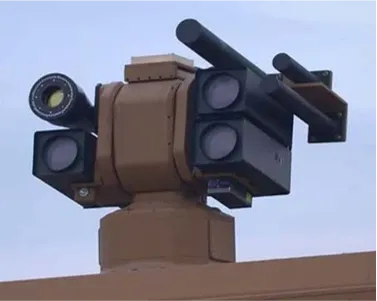
The strategic advantages of implementing microwave jamming anti-drone systems extend far beyond simple threat neutralization, encompassing operational efficiency, cost-effectiveness, regulatory compliance, and long-term security sustainability. Unlike kinetic countermeasures that physically destroy target drones, microwave jamming technology provides a non-destructive approach that allows for controlled drone landing or return-to-home functions, minimizing collateral damage and legal complications. This comprehensive analysis examines the multifaceted benefits that make microwave jamming anti-drone systems an increasingly preferred choice for protecting critical infrastructure, events, and sensitive facilities against evolving drone-based security challenges.
Microwave jamming anti-drone systems deliver unparalleled immediate response capabilities when detecting unauthorized drone activity, typically engaging targets within seconds of identification through automated or operator-initiated protocols. The electromagnetic interference generated by these systems immediately disrupts the communication link between the drone and its operator, effectively severing remote control capabilities and forcing the aircraft into predetermined safety modes. This rapid engagement timeline proves crucial in time-sensitive security scenarios where every second counts, such as protecting VIP events, military installations, or critical infrastructure from potential drone-based attacks or surveillance operations.
The instantaneous nature of microwave jamming eliminates the reaction delays associated with traditional countermeasures, providing security teams with a reliable first-line defense against drone intrusions. Advanced microwave jamming anti-drone systems incorporate intelligent target discrimination algorithms that can differentiate between authorized and unauthorized aircraft, ensuring legitimate drone operations remain unaffected while neutralizing genuine threats. This selective engagement capability maximizes operational effectiveness while minimizing disruption to approved commercial or recreational drone activities in the surrounding airspace.
Modern microwave jamming anti-drone systems demonstrate exceptional multi-target engagement capacity, capable of simultaneously neutralizing multiple drone threats across different frequency bands and communication protocols. This parallel processing capability addresses the growing concern of coordinated drone swarm attacks, where adversaries deploy numerous unmanned vehicles simultaneously to overwhelm traditional single-target defense systems. The broad-spectrum jamming capabilities inherent in microwave technology ensure comprehensive coverage across the most commonly used drone control frequencies, including 2.4GHz, 5.8GHz, and GPS bands.
The scalable nature of microwave jamming anti-drone systems allows operators to adjust power output and coverage patterns based on threat assessment and operational requirements, providing flexibility in managing complex airspace security scenarios. Directional antenna configurations enable precise targeting of specific threat vectors while maintaining normal communications and navigation services in unaffected areas, demonstrating the sophisticated control capabilities that distinguish microwave jamming technology from less discriminating countermeasure approaches.
The implementation of microwave jamming anti-drone systems generates significant cost savings compared to alternative countermeasure technologies, primarily through reduced ammunition costs, minimal maintenance requirements, and extended operational lifespan. Unlike kinetic systems that consume expensive interceptor projectiles with each engagement, microwave jamming operates through reusable electromagnetic energy, eliminating per-use consumable costs and providing unlimited engagement capacity within power constraints. This economic advantage becomes particularly pronounced in high-threat environments where frequent drone encounters would rapidly exhaust traditional ammunition-based defense systems.
Long-term operational analysis reveals that microwave jamming anti-drone systems require substantially lower maintenance investments compared to mechanical countermeasure systems, as electromagnetic components experience minimal wear during operation and rarely require replacement or significant service interventions. The solid-state electronics foundation of microwave jamming technology ensures reliable performance across thousands of operational hours, while automated self-diagnostic capabilities reduce the need for extensive manual inspection protocols and specialized maintenance personnel.
The non-destructive nature of microwave jamming anti-drone systems provides substantial economic benefits by preventing collateral damage to surrounding infrastructure, personnel, and legitimate aircraft during threat engagement operations. Traditional kinetic countermeasures risk creating debris fields that can damage buildings, vehicles, or injure bystanders, potentially generating liability costs that far exceed the initial security investment. Microwave jamming anti-drone systems eliminate these collateral damage risks while ensuring disabled drones land safely within controlled areas, preserving both the intercepted aircraft and surrounding property.
The insurance and legal advantages associated with non-destructive countermeasures translate directly into reduced operational costs and simplified regulatory compliance, as organizations can implement comprehensive drone defense without assuming the elevated liability risks associated with kinetic engagement systems. This risk mitigation aspect proves particularly valuable for commercial facilities, airports, and urban installations where traditional countermeasures would be impractical or legally problematic due to population density and infrastructure sensitivity concerns.
State-of-the-art microwave jamming anti-drone systems incorporate sophisticated signal processing algorithms that enable real-time threat analysis, frequency identification, and adaptive countermeasure deployment based on specific drone characteristics and communication protocols. These intelligent systems can automatically identify drone types, predict flight patterns, and select optimal jamming parameters to maximize effectiveness while minimizing interference with legitimate communications infrastructure. The advanced processing capabilities allow for continuous learning and adaptation as new drone technologies emerge, ensuring long-term effectiveness against evolving threats.
Machine learning integration within microwave jamming anti-drone systems enables automated threat classification and response optimization, reducing operator workload while improving engagement success rates through data-driven decision making. The systems can analyze historical engagement data to refine jamming techniques, identify emerging threat patterns, and automatically adjust defensive parameters to maintain peak performance against sophisticated adversaries who may attempt to develop countermeasures against standard jamming approaches.
Modern microwave jamming anti-drone systems demonstrate exceptional integration capabilities with existing security infrastructure, including radar systems, optical sensors, command and control networks, and automated response protocols. This interoperability allows organizations to enhance their current security investments rather than replacing entire systems, providing a cost-effective pathway to comprehensive airspace protection. The standardized communication protocols supported by advanced microwave jamming systems ensure seamless data exchange with security management platforms, enabling coordinated response strategies across multiple defensive layers.
The modular design philosophy of contemporary microwave jamming anti-drone systems facilitates customized deployment configurations that align with specific facility requirements, operational constraints, and regulatory compliance needs. Organizations can implement scalable solutions that grow with their security requirements, adding additional jamming nodes, expanding coverage areas, or integrating enhanced detection capabilities without requiring fundamental system redesign or replacement of existing investments.
Microwave jamming anti-drone systems align with contemporary legal frameworks that emphasize proportional response principles in security operations, as the non-destructive nature of electromagnetic interference satisfies regulatory requirements for minimal force application in threat neutralization scenarios. Legal systems increasingly recognize the importance of graduated response capabilities that can disable threats without causing permanent damage or creating excessive liability exposure for defending organizations. This regulatory alignment provides significant operational advantages in civilian environments where destructive countermeasures would face substantial legal restrictions or require complex authorization procedures.
The reversible nature of microwave jamming effects supports legal defense strategies by demonstrating reasonable force application and good faith efforts to minimize harm during security incidents. Courts and regulatory bodies typically view non-destructive countermeasures more favorably than kinetic alternatives, recognizing the inherent safety benefits and reduced collateral damage potential associated with microwave jamming anti-drone systems in populated or sensitive environments.
The controlled landing capability induced by microwave jamming anti-drone systems provides crucial evidence preservation benefits for subsequent legal proceedings, security investigations, or threat assessment activities. Intact drone recovery enables forensic analysis of flight data, payload contents, modification history, and potential connections to broader security threats or criminal activities. This investigative advantage proves invaluable for law enforcement agencies, security professionals, and legal teams seeking to understand threat sources, methods, and intentions for future prevention strategies.
Preserved drone evidence supports prosecution efforts against malicious operators while providing valuable intelligence regarding adversary capabilities, tactics, and potential future threats. The ability to analyze recovered drones contributes to broader security awareness and helps organizations refine their defensive strategies based on actual threat characteristics rather than theoretical assumptions about drone-based security risks.
Microwave jamming anti-drone systems demonstrate high effectiveness against most military-grade drones, as these aircraft typically rely on radio frequency communications for command and control, navigation, and payload operations. However, advanced military drones may incorporate hardened communication systems, frequency-hopping protocols, or autonomous operation modes that can reduce jamming effectiveness. The success rate depends on the specific drone technology, jamming system capabilities, and operational parameters, with most commercial and tactical military drones remaining vulnerable to properly configured microwave countermeasures.
Modern microwave jamming anti-drone systems incorporate sophisticated frequency management and directional antenna technologies to minimize interference with legitimate electronic equipment while maintaining effective drone neutralization capabilities. Properly configured systems focus electromagnetic energy within specific frequency bands used by drone communications, avoiding interference with cellular networks, WiFi systems, or aviation communications. However, some sensitive electronic equipment operating on similar frequencies may experience temporary disruption during active jamming operations, requiring careful system planning and coordination with facility operators.
The effective range and coverage area for microwave jamming anti-drone systems varies significantly based on system power output, antenna configuration, environmental conditions, and target drone characteristics. Most commercial systems provide effective coverage between 1-5 kilometers radius, while high-power military systems can achieve ranges exceeding 10 kilometers under optimal conditions. Coverage patterns can be customized through antenna selection and positioning, allowing operators to create focused protection zones for specific facilities or broader area denial capabilities depending on security requirements and regulatory constraints.
Advanced microwave jamming anti-drone systems can detect and engage drone targets within 2-10 seconds of initial contact, depending on the integration with detection sensors and automated response protocols. Systems connected to radar or optical detection networks can begin jamming operations immediately upon target identification, while standalone systems require additional time for signal analysis and threat classification. The engagement speed advantage of microwave jamming over kinetic countermeasures provides crucial tactical benefits in time-sensitive security scenarios where rapid response capabilities determine mission success.
 Hot News
 EN
EN
 AR
AR
 BG
BG
 FR
FR
 DE
DE
 HI
HI
 IT
IT
 JA
JA
 KO
KO
 PL
PL
 PT
PT
 RU
RU
 ES
ES
 SV
SV
 TL
TL
 ID
ID
 LV
LV
 LT
LT
 SR
SR
 UK
UK
 VI
VI
 TH
TH
 TR
TR
 FA
FA
 AF
AF
 HY
HY
 AZ
AZ
 KA
KA
 BN
BN
 LA
LA
 MN
MN
 SO
SO
 MY
MY
 KK
KK
 UZ
UZ
 KU
KU
 KY
KY